Yes, Nike continues to pay Michael Jordan through a long-standing royalty agreement tied to the Jordan Brand’s annual revenue. As of 2026, this partnership remains the most successful athlete endorsement in history. Jordan receives a percentage of every Jordan Brand product sold, resulting in annual payouts that far exceed his career NBA earnings.
The relationship between Michael Jordan and Nike is no longer a standard endorsement deal; it is a complex, multi-billion-dollar business partnership that has redefined the sports apparel industry. Decades after his final retirement from the court, Jordan remains Nike’s most significant individual contributor to the bottom line. To understand the scale of these payments, one must look at the specific structure of the royalty deal, the astronomical growth of the Jordan Brand, and the legal framework that ensures these payments continue indefinitely.
The Mechanics of the Jordan Brand Royalty Structure
The primary reason Nike still pays Michael Jordan is a royalty-based contract established decades ago. Unlike typical athlete sponsorships where a player receives a flat annual fee to wear a product, Jordan’s deal is tied directly to performance—specifically, sales performance. While the exact percentage is a closely guarded corporate secret, industry analysts and financial reports consistently point to a royalty rate of approximately 5% on wholesale revenue.
This structure means that as the Jordan Brand grows, Michael Jordan’s personal income grows alongside it. In the early 1980s, Nike hoped the line would generate $3 million in its first three years. In the 2020s, the brand often generates that amount in a matter of hours. Because Jordan Brand functions as a distinct subsidiary within Nike Inc., the accounting is partitioned, allowing Jordan’s "cut" to be calculated based on the global sales of footwear, apparel, and accessories bearing the Jumpman logo.
The payments are generally distributed quarterly. These are not considered "salary" but rather licensing fees for the use of Jordan’s name, likeness, and the intellectual property associated with the brand. This distinction is vital for tax and estate planning, as it transforms Jordan from a former employee or "pitchman" into a perpetual business partner.
How Much Does Michael Jordan Make from Nike in 2026?
As we look at the financial landscape in 2026, the Jordan Brand has reached unprecedented heights. Following several years of aggressive global expansion and a strategic pivot into lifestyle and streetwear, the brand's revenue has continued its upward trajectory. In the fiscal year 2023, Nike reported Jordan Brand revenue of approximately $6.6 billion. By 2025, that figure surpassed $7 billion, and current projections for 2026 suggest the brand is approaching the $8 billion mark.
Based on the estimated 5% royalty rate, the annual payments to Michael Jordan have scaled accordingly. The following table provides a breakdown of the estimated financial relationship based on reported revenue milestones and projected growth.
| Fiscal Year | Jordan Brand Revenue (Approx.) | Estimated MJ Royalty (5%) | Context/Major Drivers |
|---|---|---|---|
| 2022 | $5.1 Billion | $255 Million | Post-pandemic boom; "The Last Dance" effect. |
| 2023 | $6.6 Billion | $330 Million | Expansion into women's line and football (soccer). |
| 2024 | $7.0 Billion | $350 Million | High-frequency "Retro" releases and global retail growth. |
| 2025 | $7.5 Billion | $375 Million | Increased market share in China and North America. |
| 2026 (Est.) | $8.0 Billion | $400 Million | Maturity of the Jordan-branded apparel ecosystem. |
To put these numbers in perspective, Michael Jordan’s total career earnings from NBA salaries amounted to approximately $94 million. In 2026 alone, he is estimated to earn more than four times his entire 15-season playing salary through a single year of Nike royalties.
The Evolution from Endorsement to Global Subsidiary
The reason Nike still pays Jordan such staggering sums is rooted in a pivotal decision made in 1997. At that time, Michael Jordan and Nike agreed to launch the Jordan Brand as a sub-brand of Nike. This was a revolutionary move in sports marketing. It meant that "Jordan" would no longer just be a shoe model (like the Air Jordan 1 or 11) but a standalone entity with its own roster of athletes, marketing budget, and design team.
This separation allowed the brand to diversify. Today, Nike pays Jordan not just for basketball shoes, but for products in several categories:
- Performance Basketball: The flagship Air Jordan line and signature shoes for players like Luka Dončić and Zion Williamson.
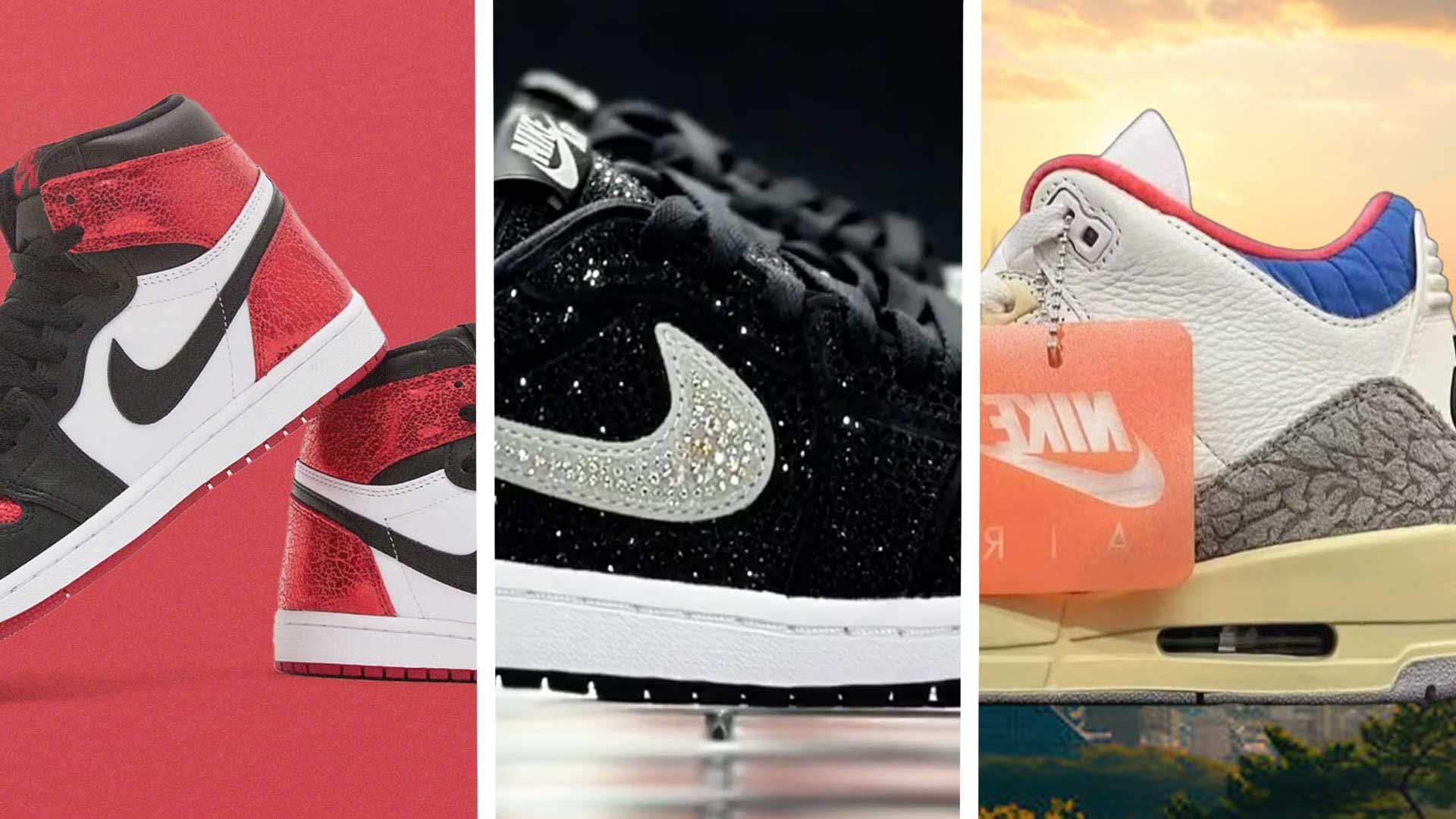
- Lifestyle & Retro: Re-releases of classic sneakers that dominate the secondary "resale" market and casual fashion.
- Global Football (Soccer): Partnership with clubs like Paris Saint-Germain (PSG), which introduced the Jumpman to a massive European and South American audience.
- Collegiate Partnerships: Outfitting major university programs such as North Carolina, Michigan, and Howard University.
By expanding the brand's reach beyond the man himself, Nike ensured that the revenue stream—and the subsequent payments to Jordan—would remain stable even as the generation that saw him play live begins to age.
The 1984 Contract: The Foundation of the Payouts
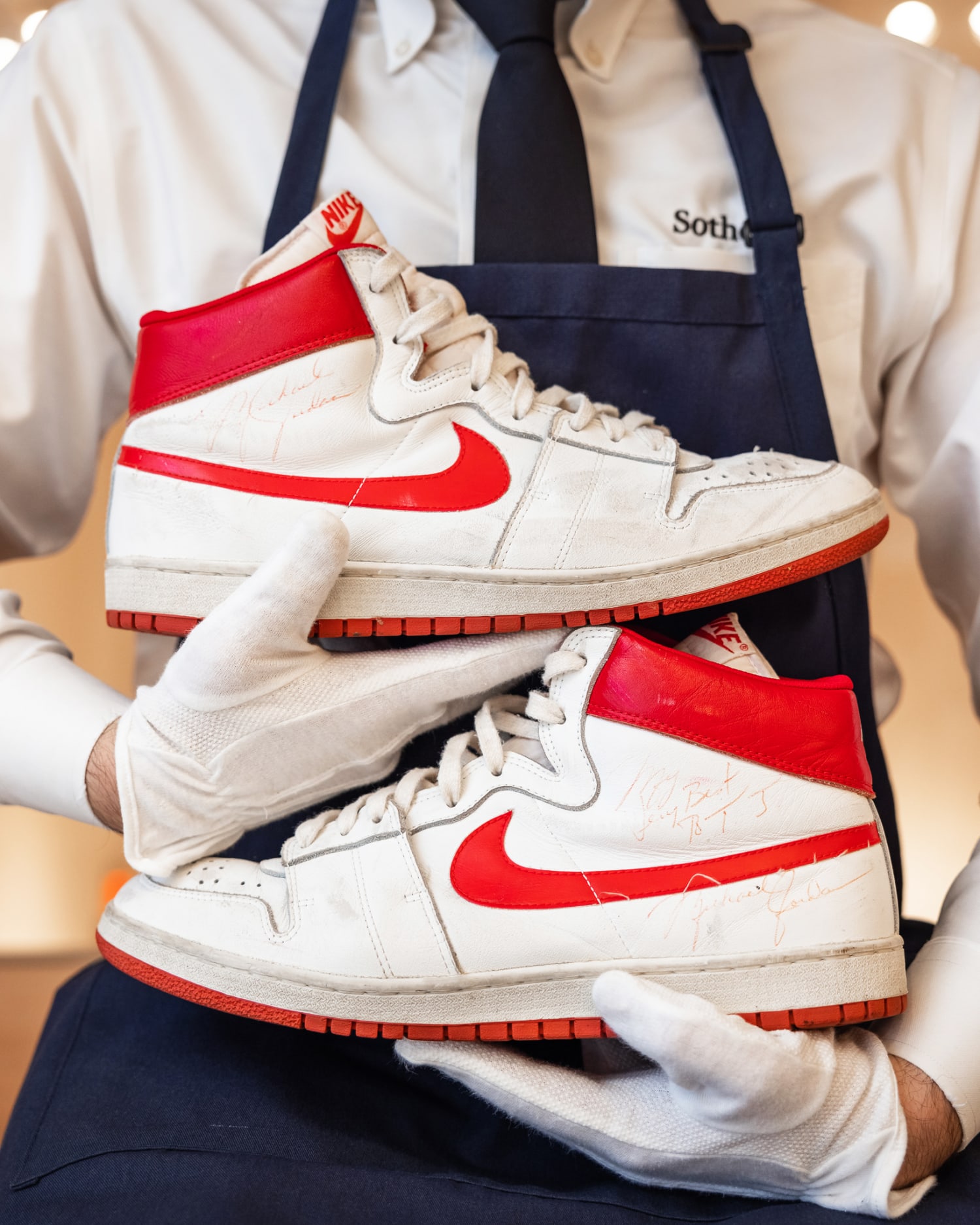
The origin of these payments dates back to 1984, when Nike was a struggling track shoe company and Michael Jordan was a rookie out of the University of North Carolina. Jordan famously preferred Adidas and was even interested in Converse, but his mother, Deloris Jordan, insisted he listen to Nike's pitch.
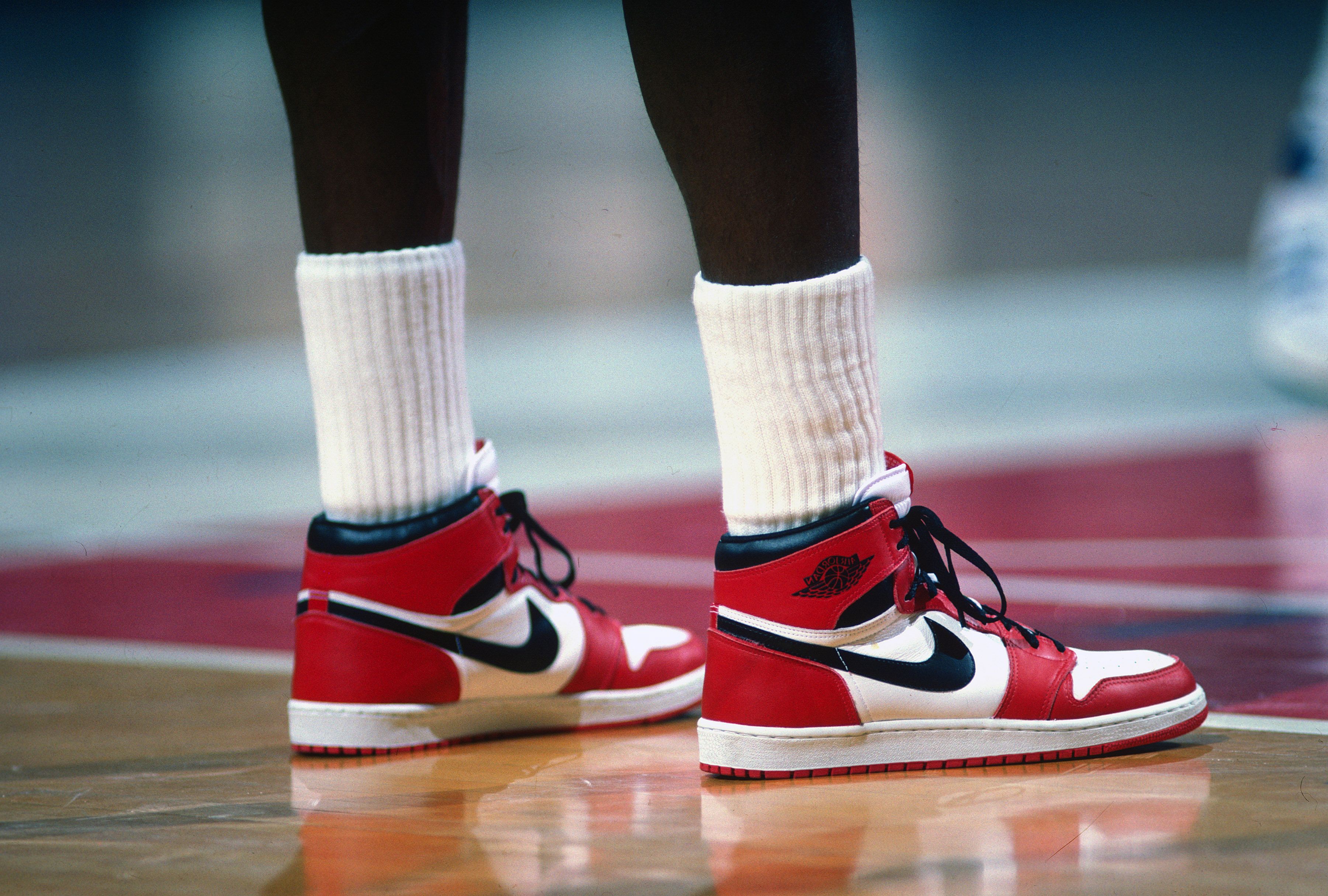
The deal crafted by Nike executives Phil Knight, Rob Strasser, and Sonny Vaccaro included a clause that was unheard of at the time: a royalty on every shoe sold. Standard deals then offered a flat fee. Nike’s willingness to share a piece of the pie is what created the billionaire athlete model. According to Nike’s corporate history, the initial goal was modest, but the immediate success of the Air Jordan 1—bolstered by the NBA’s "banned" letter which Nike used as marketing gold—shattered all expectations.
Because the original contract and its subsequent renewals were built on this royalty foundation, Nike is legally obligated to continue payments as long as the Jordan Brand products are sold under the terms of their lifetime agreement.
Legal and Contractual Longevity
A common question regarding these payments is whether they will ever stop. Most industry experts classify the Nike-Jordan agreement as a "lifetime deal," similar to those later signed by LeBron James and Kevin Durant. However, the Jordan deal is unique because it is the blueprint for all others.
The contract is structured to survive as long as the trademarks are active. In the world of intellectual property, the "Jumpman" logo and the "Air Jordan" name are among the most valuable assets in the Nike portfolio. As long as Nike uses these trademarks to sell goods, the royalty obligations to Michael Jordan (and potentially his estate in the future) remain in effect.
Furthermore, the relationship is reinforced by mutual benefit. Jordan provides the "cool factor" and the historical legacy that maintains the brand's premium status, while Nike provides the global supply chain, manufacturing, and retail distribution that Jordan could not easily replicate on his own.
Frequently Asked Questions
Does Michael Jordan own Nike?
No, Michael Jordan does not own Nike Inc. He is a partner through the Jordan Brand subsidiary. Nike is a publicly traded company (NYSE: NKE), and while Jordan may hold shares in the company as part of his personal investment portfolio, he does not have a controlling interest or ownership of the parent corporation.
Can Michael Jordan leave Nike for another brand?
It is highly unlikely. Most reports indicate that Jordan is under a lifetime contract. Given the integration of his name and likeness into the Jordan Brand—which Nike owns—leaving would mean abandoning the multi-billion-dollar entity he helped build. The legal entanglements of the trademarks make a departure virtually impossible.
Does Nike pay other athletes the same way they pay Jordan?
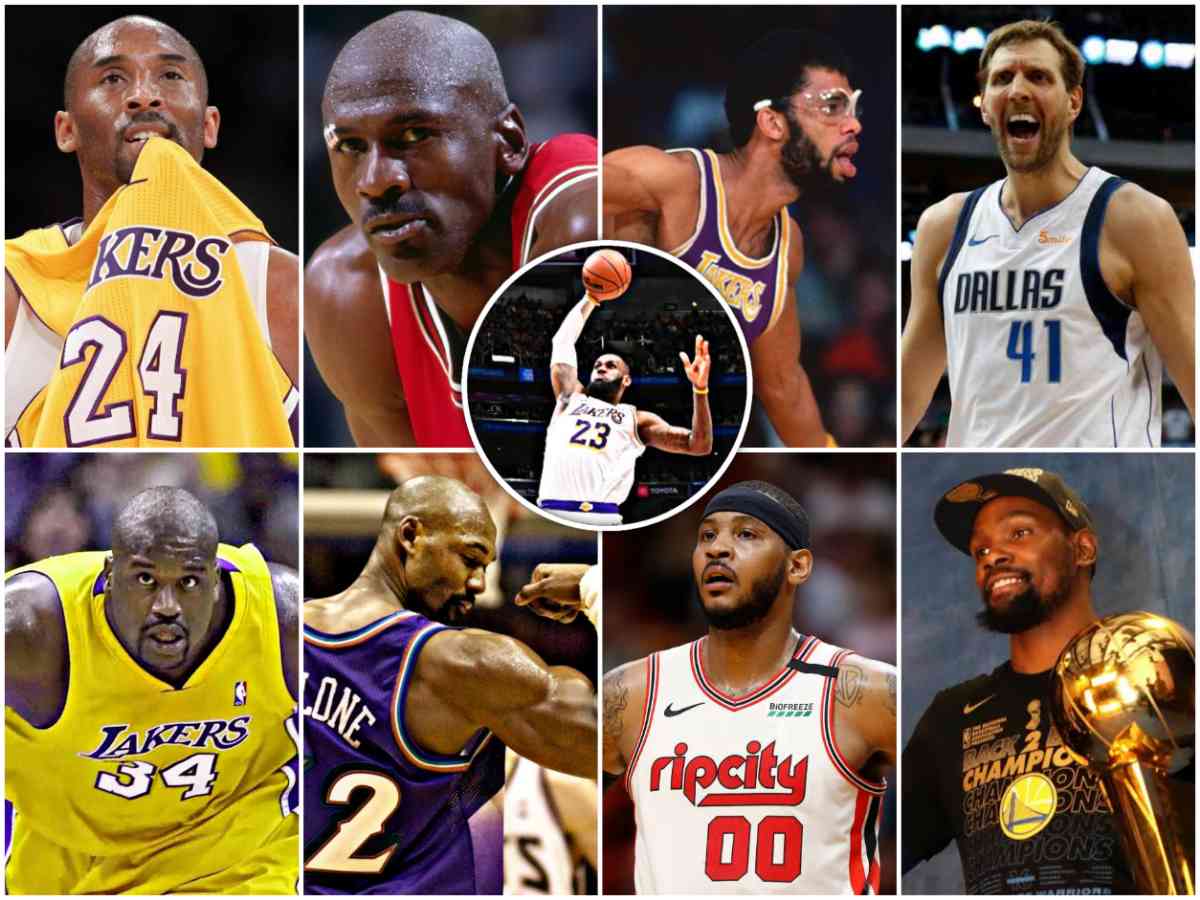
While other superstars like LeBron James and Cristiano Ronaldo have "lifetime" deals, the royalty structure is rarely as lucrative as Jordan’s. Most modern deals include a high base salary with performance bonuses and royalties on specific signature lines, but none have the "sub-brand" status that allows for a cut of such a massive, diversified revenue stream.
What happens to the payments if Jordan passes away?
In most high-level licensing agreements of this nature, the rights to royalties are treated as part of the individual’s estate. Just as the estates of iconic figures like Elvis Presley or Michael Jackson continue to receive licensing fees, Michael Jordan’s heirs would likely continue to receive payments from Nike as long as the brand continues to operate and sell trademarked products.
The Future of the Partnership in the Late 2020s
As we move further into 2026, the focus of the Nike-Jordan partnership is shifting toward digital integration and sustainable growth in emerging markets. The "Jordan World of Flight" retail concepts—boutique stores dedicated entirely to Jordan Brand culture—are expanding in cities like Milan, Tokyo, and Seoul. These high-margin direct-to-consumer sales further bolster the royalty checks Jordan receives.
For investors and fans alike, the takeaway is clear: the payments Michael Jordan receives from Nike are not a legacy "thank you" for his playing days. They are the result of a highly functional, modern business machine. As long as sneaker culture remains a global phenomenon and the Jumpman remains a symbol of excellence, Michael Jordan will continue to be a primary beneficiary of Nike’s commercial success.