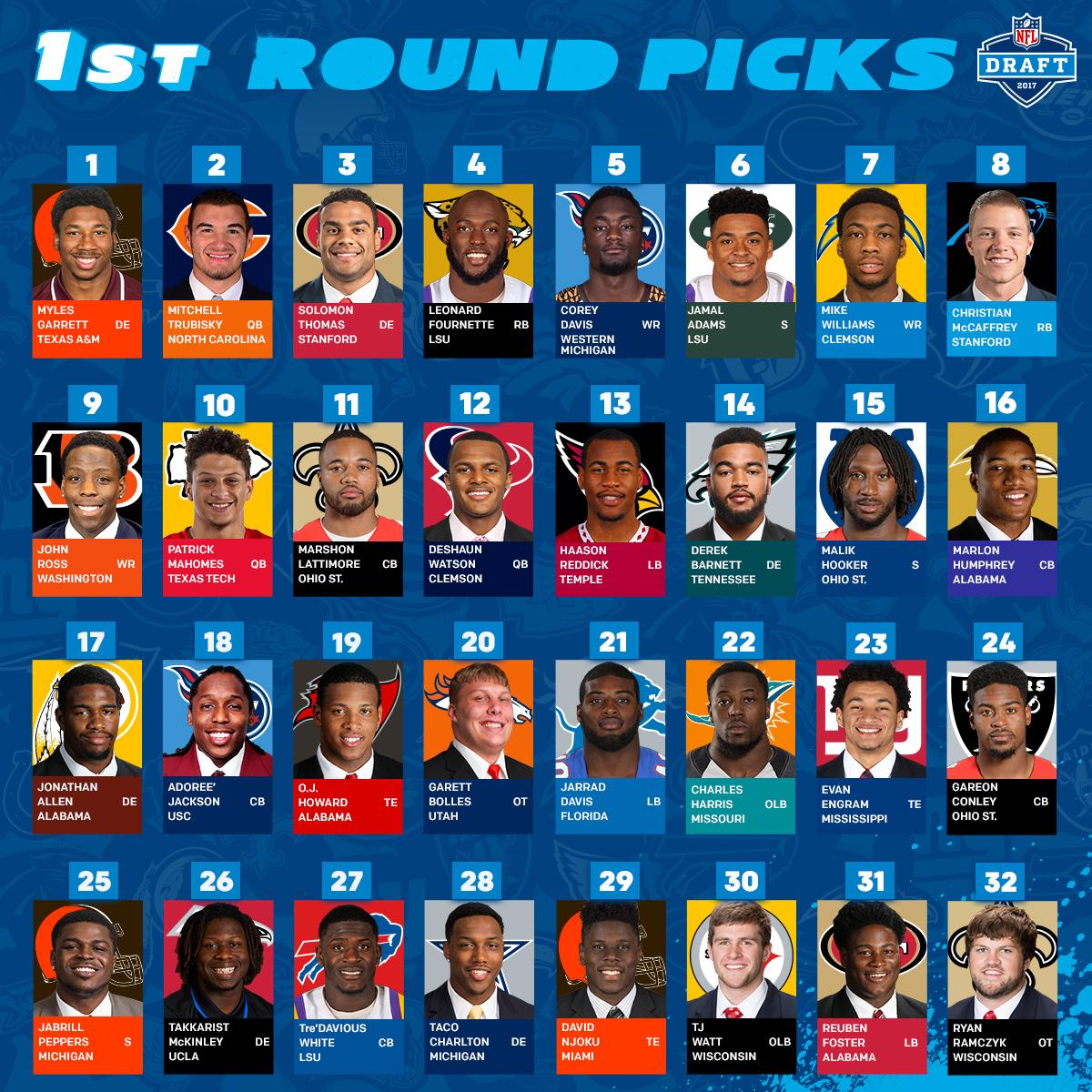
The financial blueprint of modern National Football League franchises is fundamentally shaped by the acquisition and compensation of top-tier rookie talent. First-round draft picks command substantial guarantees, structured signing bonuses, and significant salary cap commitments that directly dictate a team's roster construction strategies, cap flexibility, and long-term financial health.
The Evolution of Rookie Compensation Under the Collective Bargaining Agreement
The financial landscape of the NFL shifted dramatically with the implementation of the 2011 Collective Bargaining Agreement (CBA), which was subsequently modified by the 2020 CBA extension. Prior to these labor agreements, unproven college prospects drafted in the first round routinely commanded astronomical guaranteed contracts that rivaled or exceeded those of established veteran superstars. This dynamic created severe financial imbalances, saddled franchises with exorbitant guaranteed liabilities for players who had yet to play a single professional snap, and drained resources that could otherwise be allocated to veteran depth and positional needs.
The current system establishes a rigid rookie wage scale. This mechanism strictly limits the salaries, signing bonuses, and overall compensation structures for players selected in every round of the draft, with the highest financial ceilings reserved for the earliest selections. By tying rookie compensation directly to draft slotting, the NFL and the NFL Players Association effectively eliminated protracted contract holdouts and protected franchises from catastrophic financial commitments to first-round busts.
However, the fixed nature of the scale does not eliminate financial pressure; rather, it concentrates high-value, cost-controlled labor at the top of the draft. A team selecting in the top five acquires an elite asset on a bargain contract relative to market value, while a team picking at the end of the first round receives a similarly restricted contract structure for a prospect of theoretically lower consensus value. Understanding how these fixed costs interact with annual salary cap fluctuations is essential for general managers and cap specialists who must project financial commitments three to five years into the future.
Mechanics of First-Round Contracts: Signing Bonuses, Base Salaries, and Proration
First-round NFL draft contracts are governed by strict regulatory frameworks that standardize contract lengths, guaranteed money, and performance escalators. Every first-round selection receives a mandatory four-year standard player contract. Crucially, the 2011 and 2020 CBAs also mandated a team option for a fifth year on all first-round picks, giving organizations extended control over their most valuable young assets at a pre-determined, cost-controlled rate before those players can test unrestricted free agency.
| Contract Component | Financial Treatment | Impact on Salary Cap |
|---|---|---|
| Signing Bonus | Paid upfront in cash | Pro-rated evenly over up to 5 seasons |
| Base Salary | Paid across regular season games | Full cap hit in the specific league year |
| Fifth-Year Option | Scale based on Pro Bowl appearances | Counts as single cap charge in year five |
The signing bonus is the most critical driver of short-term cap management for first-round picks. While the player receives this lump-sum cash payment shortly after signing, league accounting rules allow teams to prorate the bonus cap hit evenly across the life of the contract, up to a maximum of five years. This proration creates manageable annual cap charges during the early years of the rookie deal, enabling front offices to aggressively budget around the bonus distribution.
Base salaries for first-round picks typically start at the league minimum for rookies in the first year and include modest, CBA-mandated annual increases. Despite these predictable cost structures, the sheer size of the total contract value means that cumulative cap hits for multiple first-round selections can constrain a team's liquidity and operational flexibility if not meticulously accounted for within the broader team ledger.
The Fifth-Year Option and Its Multi-Year Financial Ramifications
The fifth-year option represents one of the most powerful and volatile financial levers available to NFL front offices. For players selected in the first round, the team holds the exclusive right to trigger this option, extending the standard four-year rookie deal through a fifth season. The financial cost of this fifth year is no longer a flat rate; adjustments implemented in recent collective bargaining agreements tie the fifth-year option salary directly to the player's on-field performance metrics, such as Pro Bowl selections and regular-season playing time benchmarks.
When a first-round pick performs exceptionally well during their first three seasons, exercising the fifth-year option guarantees the team cost-controlled access to a premier player at a rate generally below the open-market franchise tag or top-tier veteran extension value. For example, a star quarterback or elite pass rusher secured via the fifth-year option provides surplus value—the economic delta between a player's on-field production value and their actual salary cap charge—which frees up substantial financial resources to build out the rest of the roster.
Conversely, if a first-round selection struggles with injuries or fails to meet performance expectations, exercising the option can saddle a franchise with an expensive, fully guaranteed cap hit for a player who may no longer be a starter. Front offices must weigh the risk of committing to a higher option tier against the alternative of letting the player reach free agency prematurely. This decision requires sophisticated predictive modeling, injury risk assessment, and precise cash-flow forecasting to prevent the fifth-year option from turning into an albatross that limits free-agent spending.
Roster Construction Strategies: Rookie Contracts Versus Veteran Spending
Managing first-round draft picks is inextricably linked to a franchise's overarching roster construction philosophy. Teams generally fall into two broad financial categories: those operating with a young roster centered around a starting quarterback on a rookie contract, and those relying on established veterans with market-rate cap numbers. The presence of cost-controlled first-round picks fundamentally alters this financial equation by generating surplus value across multiple positions.
When a franchise drafts multiple impact players in the first round who immediately outperform their rookie wage scale slots, the front office unlocks discretionary cap space. This financial breathing room allows general managers to absorb the high cap hits of elite veterans, execute trades for expensive established stars, or maintain a healthy rollover cap balance for future seasons.
| Roster Strategy | Primary Financial Advantage | Key Operational Risk |
|---|---|---|
| Rookie-Centric Core | Maximum surplus value, high cap flexibility | Inexperience, high variance in player development |
| Veteran-Heavy Core | Proven production, stable leadership | Reduced cap flexibility, severe dead money exposure |
However, relying heavily on first-round draft capital introduces severe vulnerability if those selections underperform. Unlike veteran contracts, which frequently include non-guaranteed base salaries that can be restructured or cleared via release with minimal penalty, first-round rookie contracts feature large, guaranteed signing bonus allocations. If a first-round pick is released or traded early in their contract, the remaining unamortized signing bonus accelerates onto the immediate salary cap as "dead money," instantly stripping the franchise of valuable purchasing power.
Opportunity Costs and the Downside of First-Round Busts
The financial penalty of a missed first-round draft pick extends far beyond the direct cash spent on the signing bonus. In the ecosystem of the NFL salary cap, opportunity cost is an acute constraint. Every dollar allocated to a roster spot occupied by an unproductive player is a dollar unavailable for retention of proven veteran talent or acquisition of difference-making free agents.
When a high first-round pick fails to develop, the team suffers a dual financial blow. First, the cash investment in the signing bonus is sunk without a return in on-field performance. Second, and more damagingly, the team loses the financial advantage of cost-controlled production. To compensate for the deficiency, the front office must frequently overpay for veteran replacements in free agency, where market rates dwarf rookie scale salaries. This reactive spending compresses overall cap health, forces restructuring of other veteran deals, and can trigger a downward spiral of roster degradation and financial inflexibility.
Furthermore, teams that persistently draft poorly in the first round often find themselves trapped in a cycle of mediocrity. They lack both the elite production of successful high picks and the financial flexibility required to build competitive depth through veteran acquisitions, ultimately complicating long-term planning for the franchise's executives and ownership groups.
Strategic Financial Planning and Cap Management Best Practices
Navigating the financial complexities of first-round draft picks requires rigorous, multi-year modeling by football operations and cap management personnel. Modern NFL front offices do not view the draft in isolation; every pick is evaluated as an integrated component of a rolling five-year financial projection that accounts for future salary cap inflation, impending veteran contract extensions, and potential dead money liabilities.
Effective financial stewardship of first-round selections involves several core practices:
- Long-Term Cap Projections: Modeling future cap obligations three to four years out to ensure room for impending fifth-year option decisions and second-contract negotiations.
- Surplus Value Maximization: Utilizing savings generated by high-performing rookies to fund high-impact veteran positions that command top-of-market salaries.
- Risk Mitigation in Signing Bonus Allocation: Structuring cash flows and bonus distributions to minimize dead money acceleration spikes in the event of unexpected roster churn or player regression.
- Coordinated Scouting and Financial Assessment: Aligning the evaluation process between talent evaluators and financial analysts to weigh a prospect's potential on-field value directly against their projected cap impact.
By treating draft strategy as an extension of financial portfolio management, elite franchises maintain sustained competitiveness, balancing the high-upside potential of rookie contracts with the structural stability required to manage the NFL salary cap effectively.
Frequently Asked Questions
How does the rookie wage scale affect first-round draft pick salaries?
The rookie wage scale establishes strict maximum limits on total contract value, signing bonuses, and base salaries for every draft slot. First-round picks receive four-year standard contracts with fixed compensation bands determined by their exact draft position, eliminating open-ended salary negotiations and preventing unproven rookies from commanding veteran-level guarantees.
What is the financial purpose of the fifth-year team option?
The fifth-year option allows franchises to retain control of first-round draft selections for an additional season beyond the standard four-year rookie contract. This mechanism provides cost-controlled access to elite talent, often at rates well below open-market value, giving front offices valuable surplus value and cap predictability.
How do signing bonuses impact the NFL salary cap for rookies?
While signing bonuses are paid out in full to the player as cash shortly after signing, NFL accounting rules allow teams to prorate the cap hit evenly over the life of the contract up to a maximum of five years. This proration spreads the cap liability and prevents a single rookie contract from dominating a team's annual spending limit.
What happens to a team's salary cap if a first-round pick is a bust?
If a first-round draft pick is released or traded, all remaining unamortized signing bonus money immediately accelerates onto the team's salary cap as dead money for that league year. This sudden cap charge reduces the franchise's available spending room and represents a significant financial loss.
Can first-round rookie contracts be renegotiated or extended early?
Under the Collective Bargaining Agreement, rookie contracts for first-round picks cannot be renegotiated or given an athletic contract extension until after the conclusion of the player's third regular season. This restriction ensures that the cost-controlled nature of the rookie wage scale remains intact during the initial development window.
Why do some teams trade out of high first-round draft positions for financial reasons?
Trading down from an early first-round pick allows a franchise to acquire multiple draft selections while shedding the massive top-tier signing bonus liability associated with high selections. This strategy distributes financial risk across several lower-cost rookie contracts and increases overall roster depth.
Strategic Capital Allocation for Long-Term Success
Optimizing the financial impact of first-round draft picks requires complete alignment between scouting departments and cap management teams. Front offices that treat rookie acquisitions as financial assets rather than purely athletic investments secure a structural advantage under the hard salary cap. By maximizing surplus value during the initial contract window and planning meticulously for fifth-year options and second-contract liabilities, organizations can sustain competitive rosters without compromising future financial health.