New Zealand’s isolation fostered an extraordinary ecosystem where avian species evolved without terrestrial mammalian predators, leading to a high rate of flightlessness. The extinction of these unique birds, driven by human arrival and introduced predators, represents a major chapter in global biodiversity loss, clarified by ongoing paleontological and genetic research up to 2026.
The Evolutionary Origins of New Zealand's Flightless Avifauna
When the landmass that would become New Zealand separated from the ancient supercontinent of Gondwana roughly 80 million years ago, it carried a cargo of primitive flora and fauna. Isolated from major mammalian predators, ancestral birds faced an environment where ground-dwelling niches were wide open. Over millions of years, evolutionary pressures favored energy conservation and increased body size over flight. Without the constant threat of mammalian carnivores, many species lost the keel of the sternum—the bone anchor required for flight muscles—and their wings reduced to vestigial structures or disappeared entirely.
This evolutionary trajectory produced an unprecedented concentration of flightless species, including multiple lineages of moa, kiwi, takahē, and various endemic rails and waterfowl. The absence of land mammals also meant that these birds developed slow reproductive rates, long lifespans, and a lack of behavioral defenses against predators. Their nests were built on the ground, and their primary defense mechanism against native predators like the Haast's eagle was often remaining motionless rather than fleeing. This ecological naivety would prove catastrophic when human settlers arrived, bringing with them efficient hunting practices and non-native mammalian carnivores.
Chronology of Extinction: From Polynesian Settlement to European Colonization
The timeline of avian extinction in New Zealand is directly correlated with human colonization waves. The first major wave began with the arrival of Polynesian settlers (ancestors of the Māori) around the late 13th century. These early settlers encountered an island ecosystem brimming with unwary wildlife. Archaeological evidence from middens indicates that large flightless species, particularly the giant moa belonging to the genera Dinornis, Pachyornis, and Emeus, were heavily hunted for food and materials. Within a few centuries of human arrival, all nine species of moa, along with the Haast's eagle (Hieraaetus moorei) and the adzebill, were driven to extinction through overhunting and habitat modification, particularly widespread forest clearance using fire.
| Era / Settlement Phase | Primary Drivers | Notable Species Lost |
|---|---|---|
| Polynesian Settlement(c. 1280–1769 CE) | Overhunting, habitat clearance(deliberate burning) | Giant Moa, Haast's Eagle, Adzebill |
| European Colonization(1769–Present) | Introduced mammalian predators(rats, stoats, cats), land use | Lesser Short-tailed Bat (mammal), South IslandSnipe, Laughing Owl, Greater Short-tailed Bat |
The second major wave of extinctions accelerated following European arrival in the late 18th century. Unlike the Polynesian settlers, European colonists introduced a secondary tier of ecological disruption: small and medium-sized mammalian predators, including ship rats, Norway rats, mice, stoats, ferrets, and feral cats. These predators decimated smaller flightless and ground-nesting birds that had survived the initial wave. Species such as the New Zealand quail (Coturnix novaezelandiae) and the laughing owl (Sceloglaux albifacies) vanished as their food sources disappeared and their ground nests were raided. This period highlighted how secondary introductions could destabilize fragile island ecosystems that were already under pressure from habitat fragmentation and agricultural conversion.
Key Extinct Species: Moa, Haast's Eagle, and the Adzebill
Understanding New Zealand's extinct avian heritage requires examining the specific ecological roles played by its most prominent lost species. The moa were the undisputed giants of the forest and shrubland ecosystems. Ranging in size from the turkey-sized upland moa to the towering South Island giant moa (Dinornis robustus), which could stand up to 3.6 meters tall and weigh over 200 kilograms, these massive herbivores functioned much like browsing mammals in other parts of the world. Their extinction left significant gaps in seed dispersal and vegetation structure, altering forest regeneration dynamics across both major islands.
At the apex of this ecosystem sat the Haast's eagle, the largest known eagle in the world. With a wingspan reaching up to three meters and a weight of up to 15 kilograms, it possessed immense talons capable of bringing down adult moa. The loss of the moa directly precipitated the extinction of the Haast's eagle due to the sudden collapse of its primary food source. Another fascinating extinct lineage is the adzebill (Aptornis), large, flightless, ground-dwelling birds with powerful, pick-like bills. Though their exact dietary habits are still debated by paleontologists, current consensus suggests they were opportunistic carnivores or omnivores, consuming large invertebrates, reptiles, and small vertebrates.
Latest Scientific Data and Ancient DNA Discoveries
Recent advancements in paleogenomics and ancient DNA (aDNA) extraction have revolutionized the understanding of New Zealand's extinct bird populations. Researchers from institutions such as the University of Otago and the Museum of New Zealand Te Papa Tongarewa have successfully extracted genetic material from subfossil bones found in limestone caves and sand dunes. This research has challenged traditional taxonomy, revealing that sexual dimorphism in moa was so extreme that males and females of the same species were previously misclassified as entirely separate species. Genetic mapping has also provided clearer timelines for population bottlenecks prior to human arrival, showing that some bird populations experienced natural fluctuations driven by Pleistocene climate shifts before human-induced pressures took over.
Furthermore, stable isotope analysis of museum specimens and subfossil bones has illuminated the dietary niches and habitat use of extinct birds. By examining carbon and nitrogen isotopes in bone collagen, scientists can reconstruct what species like the moa ate across different geographic regions and how their diets shifted as forests were replaced by open fernlands after fires. Modern geospatial modeling combined with aDNA data also allows researchers to map historical distributions with unprecedented accuracy, identifying refugia where populations lingered longer than previously thought before final extinction.
Conservation Lessons and Surviving Flightless Relatives
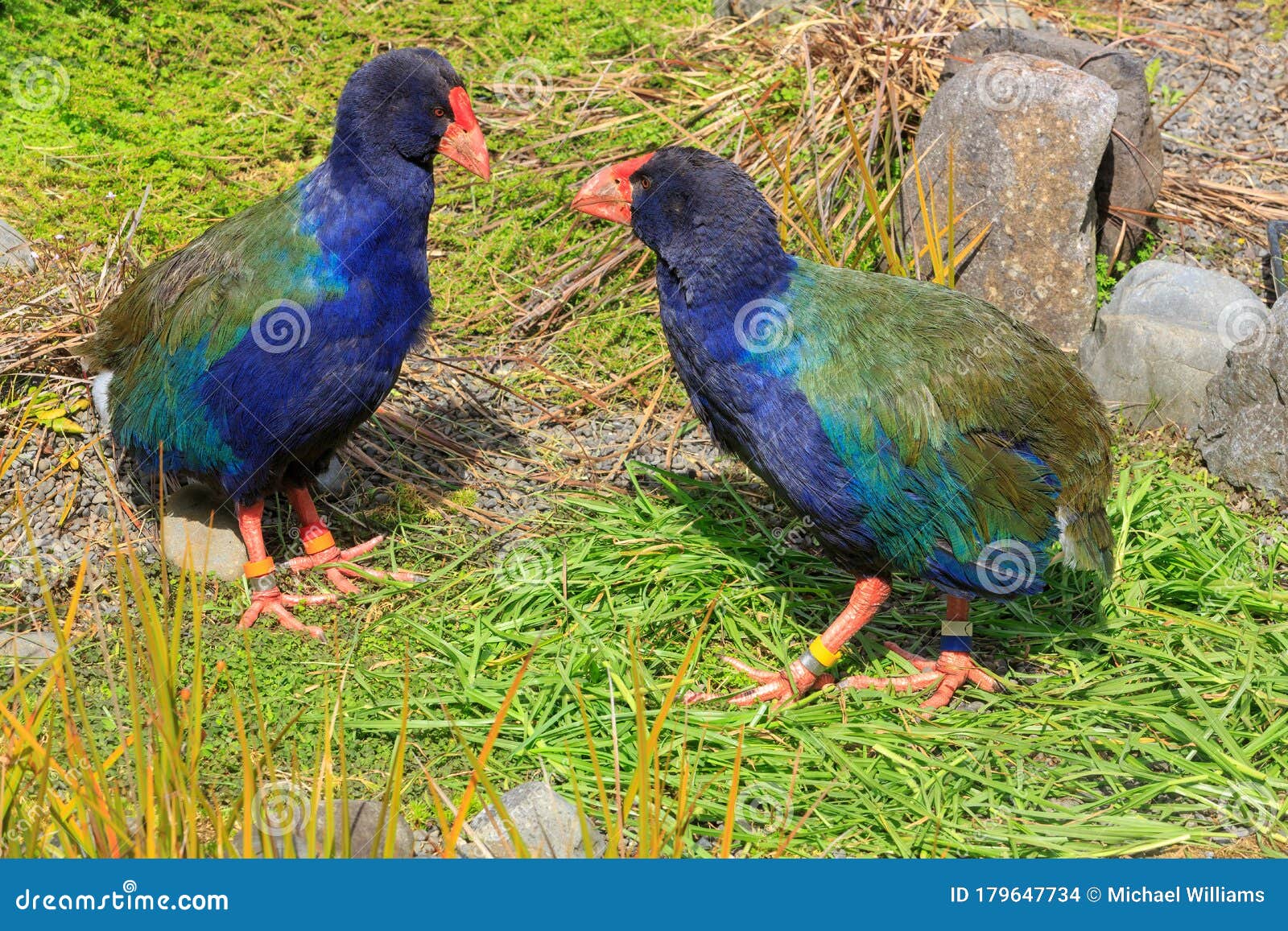
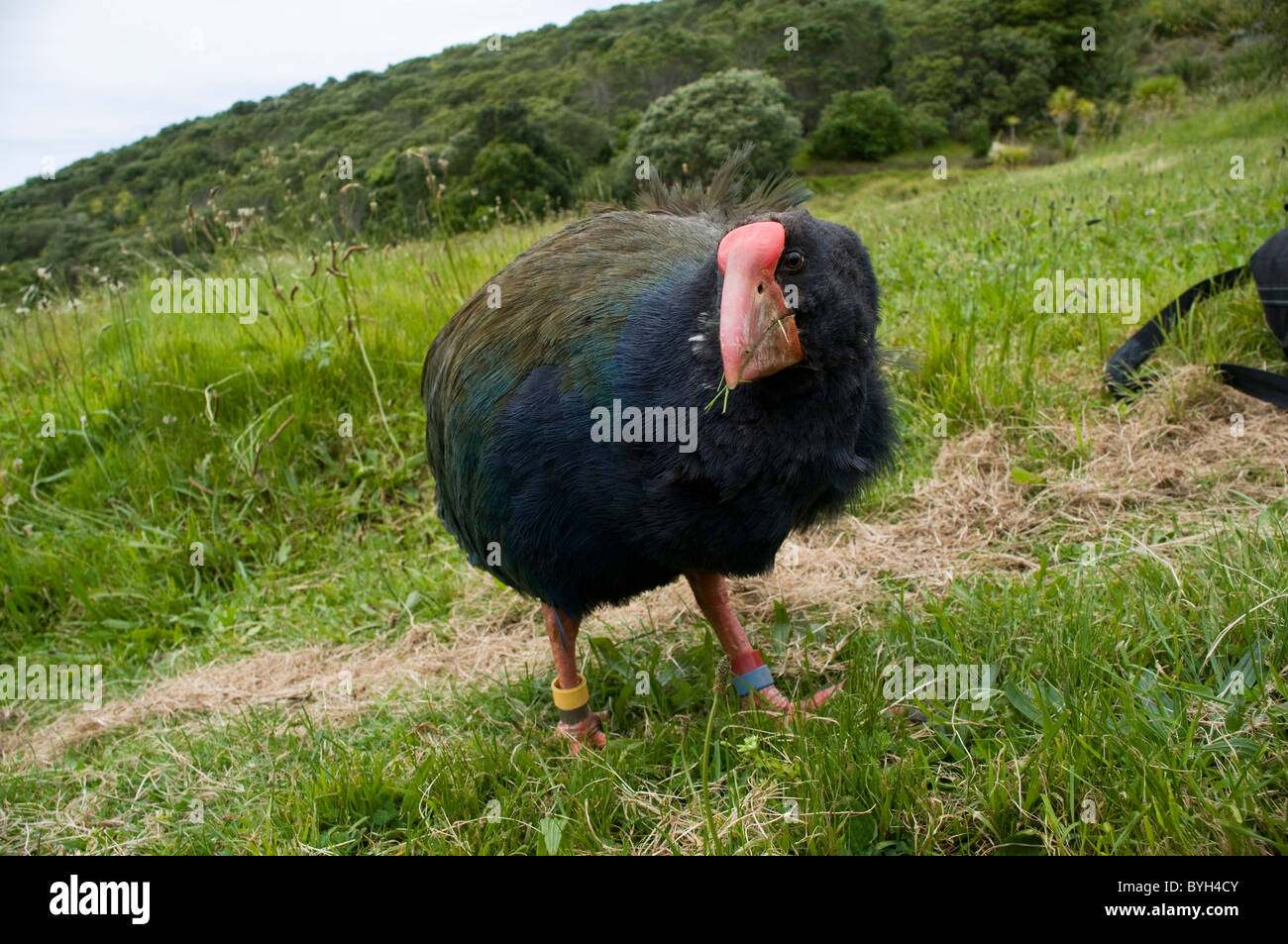
The tragic history of New Zealand's extinct avifauna serves as a foundational case study in island conservation biology. The lessons learned from the loss of the moa and other species have directly informed modern management strategies for New Zealand's surviving flightless birds, such as the kiwi (Apteryx), the takahē (Porphyrio hochstetteri), and the kākapo (Strigops habroptila). Intensive conservation efforts, including predator-fenced sanctuaries, offshore island eradications, and assisted translocation programs, are deployed to protect these living relics from the ongoing threat of introduced mammalian pests.
| Common Name | Scientific Name | Conservation Status | Primary Threats |
|---|---|---|---|
| North Island Brown Kiwi | Apteryx mantelli | Vulnerable | Predation by stoats, dogs, ferrets |
| Takahē | Porphyrio hochstetteri | Nationally Vulnerable | Competition with deer, stoat predation |
| Kākapo | Strigops habroptila | Critically Endangered | Low genetic diversity, introduced predators |
| Auckland Island Teal | Anas aucklandica | Endangered | Feral cats and mice on main islands |
Organizations like the New Zealand Department of Conservation coordinate these recovery efforts, utilizing cutting-edge genomic tools to manage captive breeding programs and minimize inbreeding depression in critically low populations like the kākapo. These measures demonstrate a direct line of application from historical extinction data to contemporary conservation science, ensuring that the remaining flightless species do not share the fate of their evolutionary predecessors.
Frequently Asked Questions
Why did New Zealand have so many flightless birds?
New Zealand lacked native land mammals (aside from three species of small bats) for millions of years following its separation from Gondwana. In the absence of mammalian predators, flightlessness became an evolutionary advantage because it saved the high metabolic energy required to maintain flight muscles. Birds evolved to fill ground-dwelling ecological niches normally occupied by mammals, leading to gigantism and the loss of flight capabilities.
When did the last moa go extinct?
The last moa are believed to have been hunted to extinction by Polynesian settlers around the late 14th to early 15th century, roughly within 150 to 200 years of human arrival. Radiocarbon dating of eggshells, feathers, and bone fragments indicates that while some isolated populations may have persisted into the early 1500s in remote areas of the South Island, the rapid rate of overhunting and widespread forest clearance sealed their fate quickly.
What caused the extinction of the Haast's eagle?
The Haast's eagle went extinct because its primary prey source—the various species of moa—was hunted to extinction by early human settlers. Without an abundant supply of large flightless herbivores to sustain their high metabolic and energetic needs, the eagle population collapsed rapidly alongside their prey base in the 14th and 15th centuries.
Are there any flightless birds currently left in New Zealand?
Yes, New Zealand still hosts several iconic flightless birds, including all five species of kiwi, the critically endangered kākapo (the world's only flightless parrot), the rare takahē (a large swamphen), and several species of flightless island rails and teal. Most of these surviving species are heavily managed and restricted to predator-free offshore islands or fenced mainland sanctuaries.
How do scientists study birds that have been extinct for centuries?
Scientists study extinct New Zealand birds by combining paleontology, archaeology, and modern molecular biology. They analyze subfossil bones, eggshells, and mummified remains recovered from caves, swamps, and sand dunes. Researchers extract ancient DNA (aDNA) to study evolutionary relationships and population genetics, while stable isotope analysis helps reconstruct their diets and historical environmental niches.