A new crater on the Moon forms when a meteoroid or man-made object strikes the lunar surface at high velocity, releasing immense kinetic energy. These events are significant for dating planetary surfaces and assessing impact risks for Earth. To observe them, enthusiasts use high-resolution NASA satellite data or specialized telescope setups designed to detect impact flashes.
The Moon is a silent witness to the history of our solar system. Unlike Earth, which possesses a thick atmosphere to burn up debris and geological processes like plate tectonics to erase scars, the Moon preserves its history in the form of millions of craters. As of 2026, the Lunar Reconnaissance Orbiter (LRO) continues to transmit data revealing that the lunar surface is far more dynamic than it appears from a distance. New craters are forming constantly, offering a rare real-time look at planetary evolution.
The Mechanics of Lunar Crater Formation
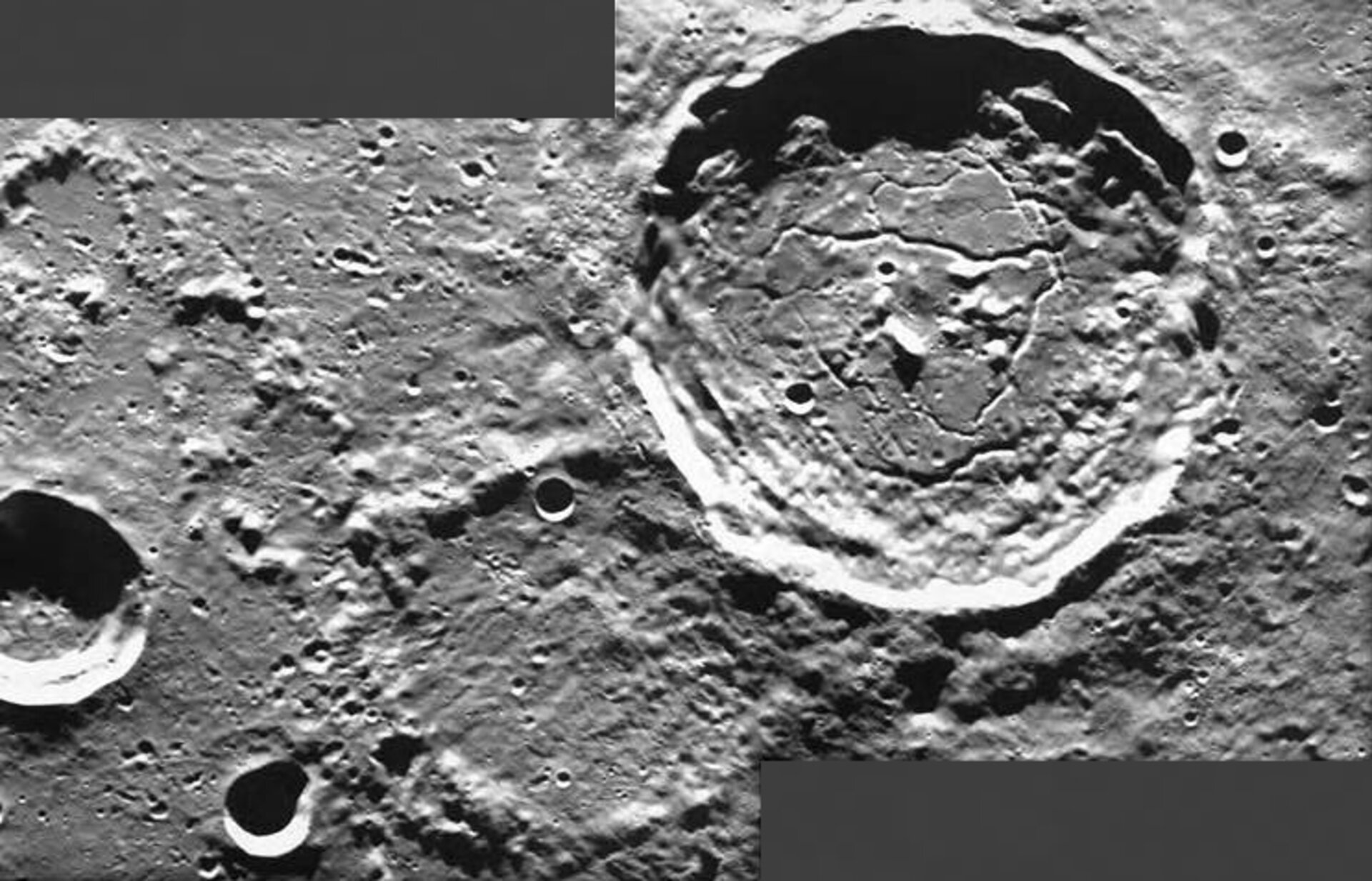
The formation of a lunar crater is a violent and nearly instantaneous event. Because the Moon has no atmosphere, there is no air resistance to slow down incoming objects. Whether the projectile is a pebble-sized meteoroid or a discarded rocket booster, it strikes the surface at "hypervelocity"—typically between 12 and 20 kilometers per second. At these speeds, the physics of the impact behave more like an explosion than a simple collision.
1. Contact and Compression
The moment the impactor touches the lunar regolith (the layer of loose dust and rock), a massive shockwave is generated. This wave travels both into the Moon’s surface and back into the impactor itself. The pressure is so extreme—reaching millions of atmospheres—that both the impactor and a portion of the lunar surface are vaporized or melted instantly. This stage lasts only a fraction of a second.
2. Excavation
As the shockwave expands, it sets the surrounding material in motion. This material is pushed outward and upward, creating what is known as the "excavation flow." A transient cavity begins to form, and a "curtain" of debris, called ejecta, is thrown out of the crater. The heavier material falls back near the rim, while finer dust can be thrown across thousands of kilometers in the Moon's low gravity.
3. Modification
Gravity eventually takes over. In very small craters (simple craters), the walls are steep and stable. In larger impacts, the walls may slump inward under their own weight, or the center of the crater floor might rebound to form a central peak. This stage defines the final shape of the crater that scientists will observe for millions of years to come.
What New Craters Mean for Science and Planetary Defense
The discovery of a new crater is more than just a change in the lunar landscape; it is a critical data point for planetary scientists. Each new impact helps us refine the "lunar impact flux"—a measurement of how often objects of a certain size hit the Moon.
Calibrating Planetary Ages
Astronomers use "crater counting" to estimate the age of surfaces on other planets and moons. By knowing how often new craters form today, scientists can look at older regions of the Moon or Mars and calculate how long it took for those surfaces to accumulate their current number of craters. If the modern impact rate is higher than previously thought, our age estimates for the entire solar system might need adjustment.
Assessing Earth’s Vulnerability
The Moon acts as a nearby "witness plate" for the debris orbiting in Earth's neighborhood. Since the Earth and Moon are close together, they are subject to the same stream of meteoroids. Every new crater on the Moon represents a potential impact that could have occurred on Earth. Studying these new lunar scars helps planetary defense organizations, such as NASA’s Planetary Defense Coordination Office, understand the frequency of "near-misses" that occur in our immediate space environment.
Lunar Gardening and Resource Management
As we look toward sustained human presence on the Moon in the late 2020s, understanding "lunar gardening" is vital. This is the process by which constant small impacts churn the lunar soil. For future habitats, new craters mean potential hazards but also opportunities. Impacts can excavate sub-surface materials, potentially revealing water ice or rare minerals that are otherwise buried under meters of regolith.
Anthropogenic Impacts: Human-Made Craters
In the modern era, not all new craters are natural. Humans have been intentionally and unintentionally scarring the lunar surface for decades. These "anthropogenic craters" provide unique opportunities because scientists often know the exact mass, velocity, and composition of the impactor.
One notable example occurred in March 2022, when a spent rocket booster (identified as WEPT-1) struck the lunar far side. More recently, in 2023, the crash sites of the ispace Hakuto-R lander and the Luna-25 mission created fresh, small craters. By comparing the known energy of these crashes to the resulting crater size, researchers can calibrate their models of how natural meteoroids behave. These man-made events serve as controlled experiments in the physics of hypervelocity impacts.
| Crater Type | Average Diameter | Formation Frequency | Primary Features |
|---|---|---|---|
| Micro-crater | < 1 cm | Constant | Found on lunar rocks; "zap pits" from dust-sized grains. |
| Simple Crater | < 15 km | Thousands per million years | Bowl-shaped with smooth, steep walls and no central peak. |
| Complex Crater | > 15-20 km | Very Rare | Terraced walls, flat floors, and a central uplift peak. |
| Anthropogenic | 2 m - 30 m | Occasional | Created by spacecraft or rocket stages; often asymmetrical. |
How to Locate and Observe New Craters
Because most new craters are relatively small (often less than 50 meters in diameter), they cannot be seen through a standard backyard telescope from Earth. However, there are two primary ways for enthusiasts and researchers to "see" or track these developments.
Method 1: Using LROC QuickMap (The Digital Approach)
The most effective way to see new craters is through the Lunar Reconnaissance Orbiter Camera (LROC) data. NASA provides a tool called QuickMap, which allows users to browse high-resolution imagery of the entire Moon.
- Access the Tool: Visit the LROC QuickMap portal.
- Enable the "Temporal" Layer: Look for layers labeled "Temporal Observations" or "New Craters." These highlight areas where the LRO has photographed the same spot at different times and detected a change.
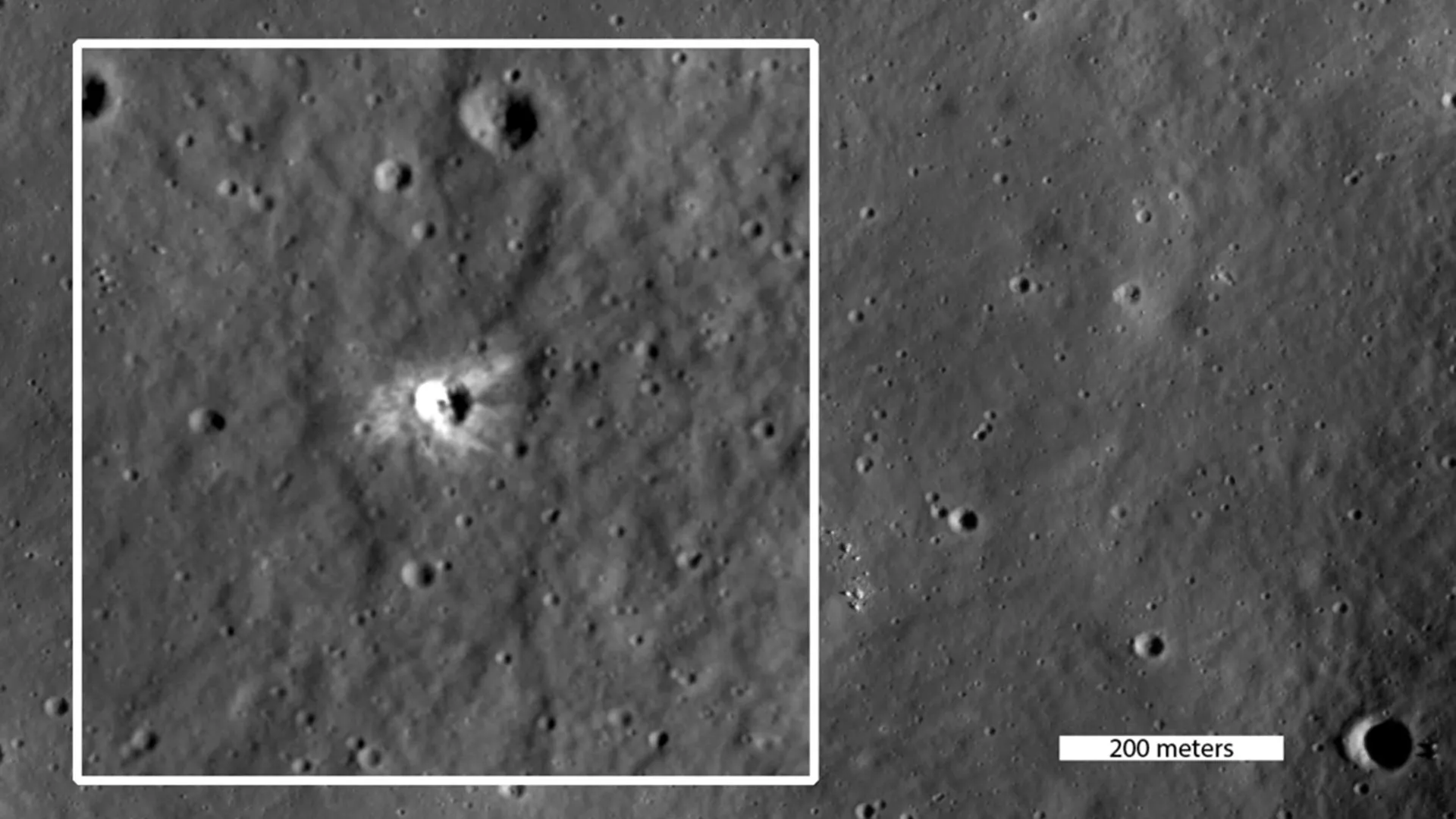
- Analyze the "Before and After": Many new craters are identified by "splotches"—areas of high-reflectance (bright) dust that were kicked up by the impact. By toggling between older and newer images, you can see the impact site appear.
Method 2: Amateur Flash Detection (The Visual Approach)
While the crater itself is too small to see, the flash of light created during the impact is often bright enough for amateur telescopes to detect. This is known as Lunar Impact Flash (LIF) observation.
- Equipment Requirements: You need a telescope with at least an 8-inch aperture and a high-sensitivity video camera (such as a CMOS planetary camera).
- Timing: Observations must be done during a "thin crescent" phase of the Moon. You are looking for a brief spark of light on the dark portion of the Moon (the side not illuminated by the sun).
- Software: Use specialized software like LunarScan or UFOAnalyzer to monitor hours of video footage and automatically flag potential flashes.
- Verification: To confirm a discovery, you must coordinate with other observers. If two people in different locations record the same flash at the exact same millisecond, it is confirmed as a real impact.
Requirements for Successful Moon Observation
If you intend to participate in the search for new craters or impact flashes, certain conditions must be met. Observing the Moon requires a balance of timing, technology, and environmental factors.
- Atmospheric Transparency: For flash detection, "seeing" conditions (atmospheric stability) are less important than transparency. High-altitude clouds or light pollution can mask the faint spark of a meteoroid strike.
- Phase Selection: The best time to observe is when the Moon is between 10% and 40% illuminated. This provides a large enough "dark area" to monitor while ensuring the Moon is high enough in the sky to avoid ground-level turbulence.
- Data Archiving: If you are using digital maps to find new craters, ensure your browser cache is cleared regularly to load the latest LRO data tiles released by the Planetary Data System (PDS).
H3: Common Challenges in Identification
One of the biggest hurdles is distinguishing a new crater from a "transient lunar phenomenon" (TLP). TLPs are blurry glows or obscurations that some observers claim to see. Scientific consensus suggests most TLPs are actually errors caused by atmospheric distortion or telescope artifacts. Only high-speed video evidence can definitively prove a new impact event.
Frequently Asked Questions
How often do new craters form on the Moon?
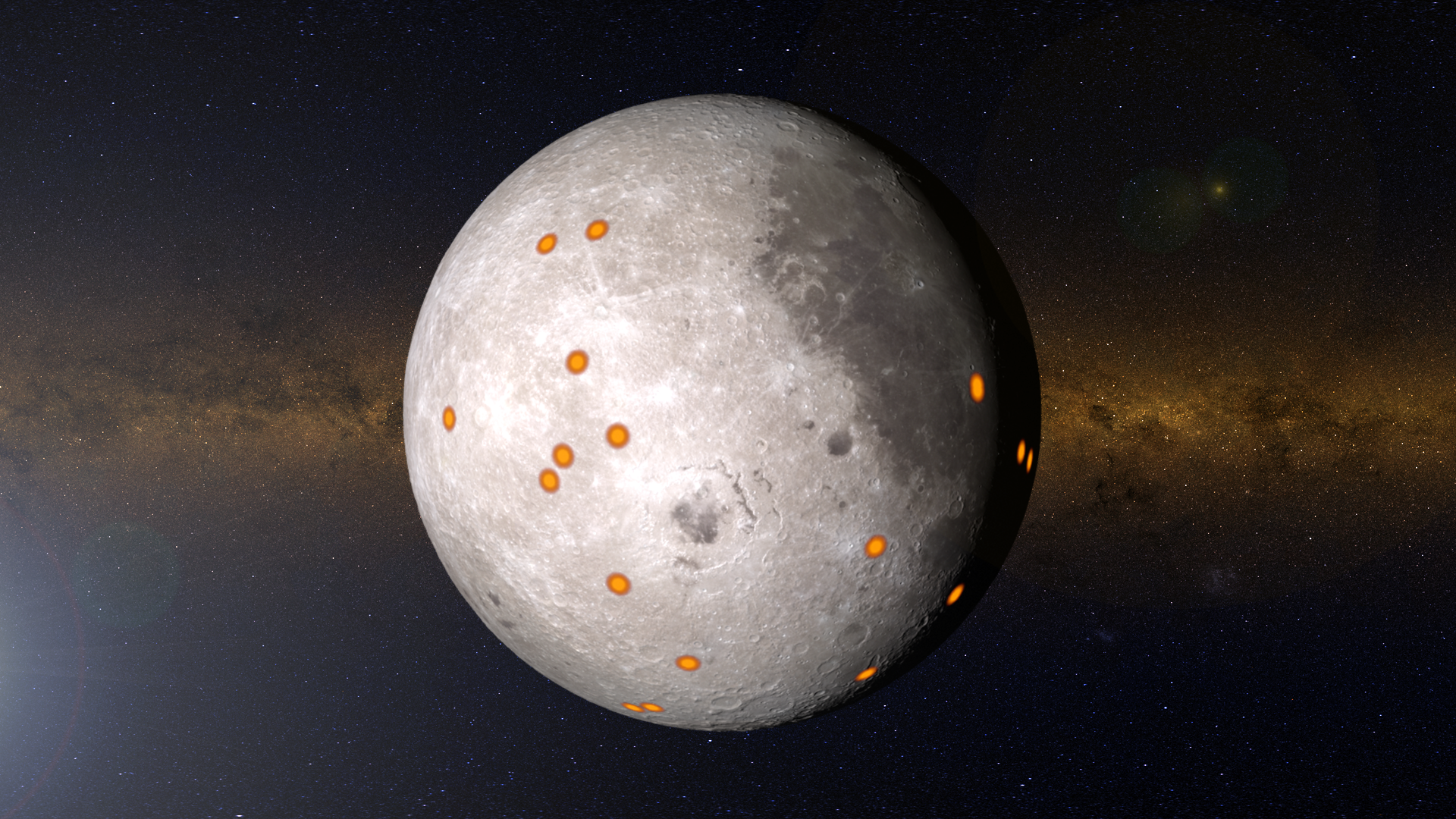
New craters form daily, but their size varies. Thousands of tiny micro-craters the size of a pinhead are created every hour. However, craters large enough to be detected by satellite (over 5-10 meters wide) form roughly 100 to 200 times per year across the entire lunar surface.
Why do new craters look brighter than old ones?
Fresh craters are surrounded by "ejecta blankets" made of lunar soil that has not yet been darkened by "space weathering." Over millions of years, solar wind and micrometeoroid bombardment darken the soil. Therefore, a bright, white starburst pattern on the Moon is a telltale sign of a geologically "young" impact.
Can a new crater be formed by a human-made object?
Yes. When spacecraft like the Lunar Prospector, GRAIL, or more recently, various lunar landers crash into the surface, they create small craters. These are useful for science because we know the exact properties of the "impactor," allowing us to test how different materials react to lunar impacts.
Are new craters dangerous for future astronauts?
The probability of a direct hit on a small lunar base is extremely low. However, the secondary debris (ejecta) thrown out by an impact can travel long distances at high speeds. Future lunar habitats will likely be covered with a layer of regolith to protect against these small, high-speed particles.
Starting Your Lunar Observation Journey
To begin exploring the Moon's ever-changing surface, the most practical next step is to familiarize yourself with the LROC QuickMap. Start by searching for known recent impacts, such as the 2022 far-side rocket impact. Observe the characteristic bright rays of ejecta and how they differ from the surrounding ancient terrain. For those with telescopes, joining a coordinated network like the Association of Lunar and Planetary Observers (ALPO) can provide the training and peer-verification necessary to contribute to real-time impact flash detection. As we move deeper into 2026, the synergy between amateur observations and professional satellite data remains our best window into the violent, beautiful process of lunar cratering.