Mutual of Omaha has established a prominent footprint in the United States insurance market, transitioning well beyond its origins in life and disability coverage into specialized ancillary products like dental and vision benefits. For policyholders evaluating dental insurance options in 2026, understanding the architectural nuances of Mutual of Omaha dental plans—ranging from network compositions and premium structures to waiting periods and procedural coverage tiers—is essential for maximizing out-of-pocket savings. This comprehensive guide breaks down everything you need to know about navigating Mutual of Omaha dental insurance products, network structures, cost considerations, and strategic enrollment decisions for the current plan year.
Understanding Mutual of Omaha Dental Plan Structures
Dental insurance differs fundamentally from major medical insurance. While health plans focus on high-deductible catastrophic protection, dental plans generally operate under a managed-care framework emphasizing preventive maintenance and capped annual maximums. Mutual of Omaha offers several distinct dental product lines designed to cater to individuals, families, and Medicare-eligible seniors looking for predictable oral healthcare expenditures.
The core of the Mutual of Omaha dental portfolio relies on Preferred Provider Organization (PPO) frameworks. These frameworks give consumers the freedom to visit any licensed dentist while offering deeper financial incentives and negotiated fee schedules when utilizing in-network providers.
- Mutual of Omaha Dental PPO: The flagship product line providing tiered coverage for preventive, basic, and major services. It utilizes national networks such as the Dental Dental PPO network or MAXCare depending on the state of residence.
- Individual vs. Group Options: While many policyholders access these plans through individual retail purchases, Mutual of Omaha also underwrites group dental programs for small and mid-sized businesses seeking comprehensive employee benefits packages.
- Senior-Focused Dental Riders: For older adults enrolled in Original Medicare or Medicare Supplement plans, Mutual of Omaha offers standalone dental, vision, and hearing packages designed to fill the acute coverage gaps left by traditional Medicare.
Network Architecture and Provider Participation
One of the most critical factors in evaluating any dental insurance carrier is the composition and reach of its provider network. Mutual of Omaha partners with established national dental networks to ensure that policyholders maintain access to a robust roster of general dentists and dental specialists.
When evaluating your provider options, two primary network classifications govern your out-of-pocket costs:
- In-Network Providers: These dental practices have signed a contractual agreement with Mutual of Omaha's network administrator to accept pre-negotiated fee schedules. Dentists cannot "balance bill" patients for the difference between their standard fee and the negotiated rate.
- Out-of-Network Providers: Policyholders retain the freedom to visit any licensed dentist. However, out-of-network dentists are not bound by contractual fee caps, meaning patients may be subject to balance billing and higher coinsurance percentages. Furthermore, out-of-network reimbursements are typically calculated using Usual, Customary, and Reasonable (UCR) fee limits.
Network Optimization Note: Always verify network participation directly with your dental office prior to scheduling major procedures. Network contracts change periodically, and confirming that your dentist is an active participant in the specific Mutual of Omaha network tier assigned to your policy prevents unexpected billing disputes.
Coverage Tiers, Waiting Periods, and Benefit Schedules
Mutual of Omaha structures its dental policies around a predictable schedule of benefits. Most standard plans operate on a calendar-year cycle featuring an annual deductible, coinsurance tiers, and a maximum annual benefit limit.
Standard Benefit Tier Breakdown
- Preventive Services (Tier 1): Typically includes routine oral evaluations, professional cleanings (prophylaxis) twice per year, bitewing X-rays, and topical fluoride treatments for eligible dependents. These services are frequently covered at 100% with no deductible and exempt from waiting periods.
- Basic Services (Tier 2): Covers restorative treatments such as routine amalgam and composite fillings, simple tooth extractions, and basic emergency palliative care. These services generally require meeting the annual deductible and involve a coinsurance split (e.g., the plan covers 80%, leaving the patient with 20%).
- Major Services (Tier 3): Encompasses complex restorative procedures including crowns, bridges, complete and partial dentures, and root canal therapy (endodontics) or oral surgery in certain plan configurations. Major services typically carry waiting periods ranging from 6 to 12 months and involve higher patient coinsurance responsibilities (e.g., 50% coverage by the plan).
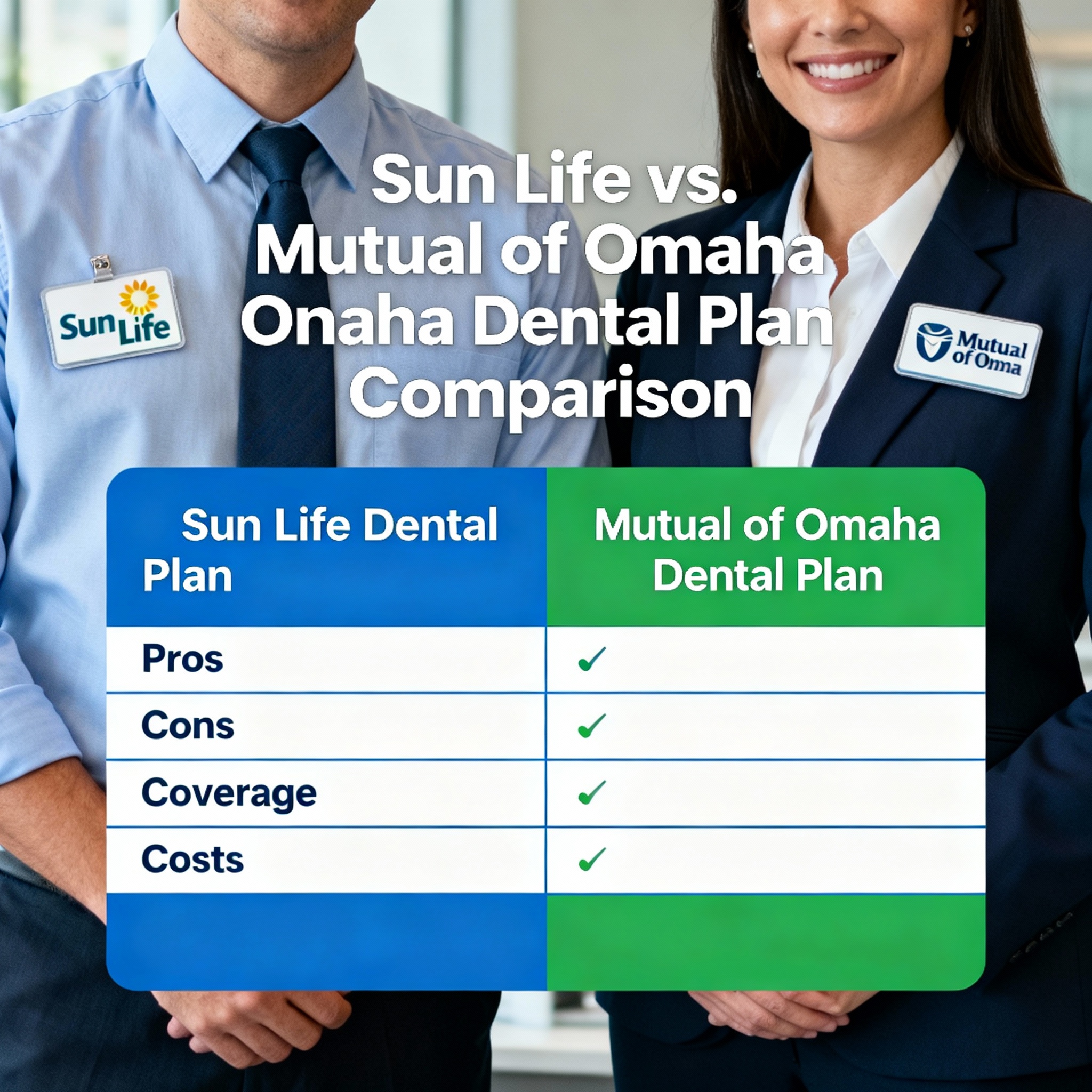
Comprehensive Plan Comparison Matrix
| Plan Feature | Preventive-Focused Plan | Standard PPO Plan | Comprehensive Premier Plan |
|---|---|---|---|
| Annual Deductible | $0 (Waived) | $50 Individual / $150 Family | $50 Individual / $150 Family |
| Preventive Coverage | 100% | 100% | 100% |
| Basic Services Coverage | Not Covered / Limited | 80% after deductible | 80% after deductible |
| Major Services Coverage | Not Covered | 50% after waiting period | 50% after waiting period |
| Annual Maximum Benefit | $500 - $1,000 | $1,500 | $2,000 - $3,000 |
| Waiting Periods | None | 6 Months for Basic / 12 for Major | None (With Prior Creditable Coverage) |
Premium Costs and Financial Considerations
Determining the true value of a Mutual of Omaha dental policy requires analyzing the interplay between monthly premiums, annual deductibles, coinsurance rates, and maximum annual limits. Unlike medical insurance, which protects against catastrophic financial loss, dental insurance is fundamentally designed to subsidize routine care and manage the cost of predictable restorative work.
- Monthly Premiums: Vary based on geographic location, age, tobacco usage, and the chosen coverage tier. Individual plans generally range from modest entry-level rates for preventive-only coverage to higher premium points for comprehensive plans with high annual maximums.
- Annual Maximums: Most individual dental plans enforce a cap on what the insurance company will pay out per calendar year, typically ranging between $1,000 and $2,000. Once this threshold is reached, all subsequent dental expenses for that calendar year become the sole financial responsibility of the policyholder.
- Rollover Benefits: Select modern Mutual of Omaha policies feature annual maximum rollover options, allowing policyholders who utilize only a portion of their annual benefit to carry over a designated amount into the next plan year, thereby increasing their cumulative coverage ceiling over time.
Advantages and Disadvantages of Mutual of Omaha Dental Insurance
Every insurance product involves strategic trade-offs. Conducting an objective assessment of the pros and cons helps prospective policyholders align their oral health needs with the right insurance vehicle.
Advantages
- Financial Stability and Brand Trust: Mutual of Omaha maintains strong financial strength ratings from major independent rating agencies, ensuring long-term operational stability and reliable claims processing.
- No Referral Requirements: As a PPO-based structure, policyholders do not need to secure primary care physician referrals to visit dental specialists such as endodontists, periodontists, or oral surgeons.
- Flexible Network Access: The ability to see out-of-network providers provides critical flexibility for patients who have established long-term relationships with specific dental practitioners.
- Predictable Preventive Care: 100% coverage for diagnostic and preventive services encourages proactive oral hygiene maintenance without upfront out-of-home costs.
Disadvantages
- Waiting Periods for Major Work: Individuals requiring immediate crowns, bridges, or root canals will face mandatory waiting periods before the plan contributes toward major restorative expenses.
- Annual Benefit Caps: Fixed annual maximums mean that extensive dental reconstructions can easily outpace the policy's payout ceiling, leaving patients with substantial out-of-pocket costs.
- Exclusion of Cosmetic Procedures: Standard dental insurance policies strictly exclude elective cosmetic enhancements such as professional teeth whitening, veneers, or orthodontic care (unless specific riders are added for dependent children).
Step-by-Step Guide to Enrolling and Maximizing Your Policy
Navigating the enrollment process and utilizing your dental benefits efficiently requires a structured approach. Follow this step-by-step framework to secure and maximize your Mutual of Omaha dental coverage:
- Assess Your Oral Healthcare Needs: Review your dental history and anticipate upcoming procedures. If you only require bi-annual cleanings, a lower-cost preventive plan may suffice. If you require restorative work, prioritize plans with higher annual maximums and shorter waiting periods.
- Verify Dentist Participation: Contact your preferred dentist's office or use the online Mutual of Omaha provider directory to confirm that your practitioner participates in the specific network assigned to your plan tier.
- Review the Schedule of Benefits and Waiting Periods: Examine the policy contract to identify exact waiting periods for basic and major services to avoid scheduling expensive treatments before coverage takes effect.
- Submit Your Application: Enroll directly through the Mutual of Omaha retail portal or via a licensed independent insurance broker. Ensure all personal and dependent information is accurate to prevent processing delays.
- Utilize Preventive Services Early: Schedule your diagnostic examinations and cleanings early in the calendar year. Utilizing your preventive benefits ensures you maximize the value of your annual premium.
- Pre-Treatment Estimates: For any major restorative procedure exceeding $300, instruct your dentist to submit a pre-treatment estimate (predetermination) to Mutual of Omaha. This ensures both the patient and the provider understand exact out-of-pocket obligations before clinical work begins.
Frequently Asked Questions
Does Mutual of Omaha dental insurance cover orthodontic treatments?
Standard Mutual of Omaha individual dental plans do not cover adult orthodontic care and may offer limited or restricted orthodontic benefits for dependent children depending on the specific state-approved group rider selected. Policyholders must verify specific rider availability prior to enrollment.
What happens if I visit an out-of-network dentist?
You retain the freedom to visit any licensed dentist, but out-of-network providers may balance bill you for charges exceeding Mutual of Omaha's established Usual, Customary, and Reasonable (UCR) fee allowances, resulting in higher out-of-pocket expenses.
Are there waiting periods for routine cleanings and exams?
No, preventive services such as routine oral evaluations, professional cleanings, and diagnostic bitewing X-rays are typically exempt from waiting periods and are covered at 100% from day one of your policy activation.
Can I roll over unused dental benefits into the next year?
Certain advanced Mutual of Omaha dental plans feature annual maximum rollover provisions, permitting policyholders who stay below a specific claims threshold to carry a portion of their unused benefits into the subsequent plan year.
How do I check if my current dentist accepts Mutual of Omaha?
You can verify provider participation by searching the interactive dentist directory on the official Mutual of Omaha website or by calling your dental clinic's administrative billing office directly and asking if they participate in the network.
Conclusion
Evaluating Mutual of Omaha dental insurance in 2026 requires balancing predictable preventive coverage against the structured waiting periods and annual limits characteristic of modern dental plans. By understanding your specific clinical needs, verifying network participation, and reviewing benefit schedules carefully, you can select a policy that safeguards your oral health while optimizing your financial investment. To explore current rate quotes and personalized plan options tailored to your regional market, visit the official Mutual of Omaha portal or consult with a licensed health and insurance professional today.