The Museum of Death's Black Dahlia exhibit offers an uncensored, historical examination of the 1947 murder of Elizabeth Short in Los Angeles. Located primarily at the museum's Hollywood venue, the self-guided display features original police department crime scene photos, official autopsy images, vintage news media coverage, and suspect case files documenting one of America's most famous unsolved homicides.
Overview of the Black Dahlia Exhibit at the Museum of Death
The Museum of Death, originally founded in San Diego in 1995 by JD Healy and Catherine Shultz before expanding to Los Angeles and New Orleans, is dedicated to educating visitors about physical mortality, forensic science, and true crime history. Among its core historical installations, the exhibit dedicated to Elizabeth Short—posthumously sensationalized by the press as the "Black Dahlia"—stands out as one of the museum's most heavily documented true crime displays.
Unlike mainstream history museums that often rely on artistic renderings or sanitized reenactments, the Museum of Death presents the Black Dahlia case through primary source documentation and raw forensic imagery. The exhibit acts as both a chronological retrospective of the January 1947 investigation and a stark look at the violent reality of the crime. Curated using historic newsprint, original law enforcement photographs, and contemporary case summaries, the installation illustrates how a local homicide escalated into a global media phenomenon that remains open in law enforcement archives today.
The exhibit occupies a dedicated section within the museum's broader physical crime gallery. Surrounding displays focus on mid-century true crime, infamous California homicides, and mortuary history, placing the Short case in direct conversation with the societal and media landscape of 1940s Los Angeles. For researchers, true crime historians, and general visitors, the exhibit provides a rare opportunity to examine unedited evidence that is typically restricted to official law enforcement files or specialized archival collections.
Historical Context: The 1947 Elizabeth Short Murder Case
To understand the material presented in the exhibit, visitors must understand the historic timeline of the crime itself. On the morning of January 15, 1947, the severely mutilated body of 22-year-old Elizabeth Short was discovered in an open lot in the Leimert Park neighborhood of Los Angeles. Short, a Boston native who had moved to California in search of work, had been missing for several days following her last confirmed sighting at the Biltmore Hotel in downtown Los Angeles on January 9, 1947.
The condition of the body stunned seasoned investigators from the Los Angeles Police Department (LAPD). Short's body had been cut completely in half across the abdomen—a surgical procedure known in medicine as a hemicorporectomy—and drained of blood. Her face had been slashed from the corners of her mouth toward her ears, creating a disfiguring distortion known as a "Glasgow smile." The precision of the cuts led early investigators to hypothesize that the perpetrator possessed medical, surgical, or embalming training.
Key Timeline of the 1947 Black Dahlia Investigation:
- Jan 9, 1947: Elizabeth Short last seen alive at the Biltmore Hotel.
- Jan 15, 1947: Body discovered in Leimert Park, Los Angeles.
- Jan 17, 1947: LAPD uses fingerprint transmission technology to confirm identity.
- Jan 24, 1947: Mystery mail packet containing Short's personal effects sent to the press.
- Present Day: Case remains officially open and unsolved in LAPD records.
The sensational details of the murder triggered an unprecedented frenzy in the press. Newspapers like the Los Angeles Examiner and the Los Angeles Herald-Express published competitive, highly embellished stories, coining the nickname "Black Dahlia" and frequently publishing unverified leads. The LAPD interviewed hundreds of individuals, investigated dozens of high-profile suspects, and fielded hundreds of false confessions. Public interest in the case has been preserved through official record releases, including public documents maintained in the FBI Vault's Black Dahlia File.
Key Artifacts and Visual Materials Featured in the Display
The Museum of Death's collection on the Black Dahlia is structured around several distinct categories of visual and physical media. Each category serves to illuminate a different dimension of the 1947 investigation, ranging from forensic evidence to cultural impact.
Museum Display Structure:
- Forensic Imagery (Uncensored crime scene & autopsy photos)
- Archival Journalism (Vintage headlines, front pages, press clippings)
- Investigative Records (LAPD suspect files & timeline maps)
- Cultural Artifacts (Mid-century true crime publications & media)
Uncensored Forensic and Crime Scene Photography
The most arresting aspect of the exhibit is its collection of unedited crime scene and mortuary photographs. These images document:
- The exact positioning of the remains as discovered in the vacant Leimert Park lot.
- Close-up forensic details of the abdominal bisection and facial lacerations.
- Autopsy photography illustrating the specific methods used by the coroner to document physical trauma.
These images are presented without blur, pixelation, or black bars, offering visitors an unvarnished look at the severe brutality of the crime.
Archival Mid-Century Press Clippings
The exhibit prominently features original front-page newspaper printings from January and February 1947. These artifacts highlight the aggressive nature of 1940s tabloid journalism. Visitors can view:
- Sensationalized headlines from the Los Angeles Examiner and Herald-Express.
- Mid-century map graphics created by newsrooms to track Short’s last known movements across Southern California.
- Retracted articles and erroneous reports generated during the height of the media frenzy.
Investigative Summaries and Suspect Overviews
Alongside photojournalism, the display includes detailed text panels summarizing the primary suspects evaluated by the LAPD and the FBI over the decades. Key figures covered in the exhibit material include:
- Dr. George Hodel: A Los Angeles physician whose son, a former LAPD detective, later publicly accused him of the murder.
- Mark Hansen: A nightclub owner and acquaintance of Short who was among the last people to speak with her.
- Robert "Red" Manley: A salesman who dropped Short off at the Biltmore Hotel and was initially held as a prime suspect before being cleared by alibi and polygraph tests.
Visitor Experience, Sensitivity Warnings, and Viewing Guidelines
Due to the sensitive and explicit nature of the exhibits at the Museum of Death, prospective visitors should understand the museum's operational policies and environment before attending.
Content Cautions and Graphic Detail
The Black Dahlia display features explicit graphic imagery of real human trauma, severe bodily mutilation, and post-mortem surgical examinations. Unlike biographical exhibits that rely primarily on written text or personal mementos, this installation prioritizes direct forensic documentation. The display is intended for mature audiences capable of processing graphic real-world crime scene imagery without distress.
Photography and Recording Rules
To preserve respect for the deceased and protect copyrighted archival collections, the Museum of Death maintains a strict prohibition against photography, videography, and audio recording inside the exhibition galleries.
- No Cameras or Phones: Mobile devices must be silenced and put away prior to entering the display areas.
- Enforcement: Museum staff actively monitor the rooms, and visitors attempting to photograph or record exhibits are subject to immediate removal without a refund.
Spatial Environment and Atmosphere
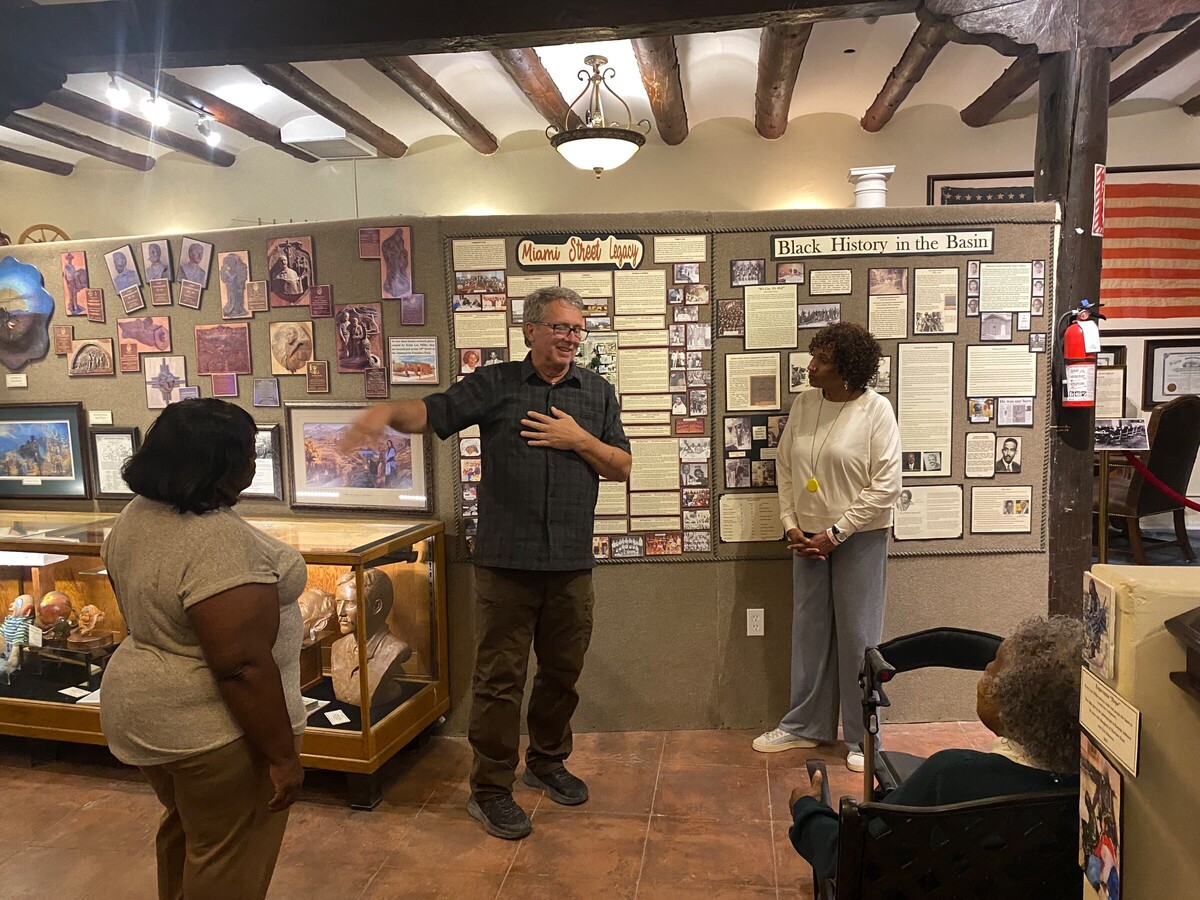
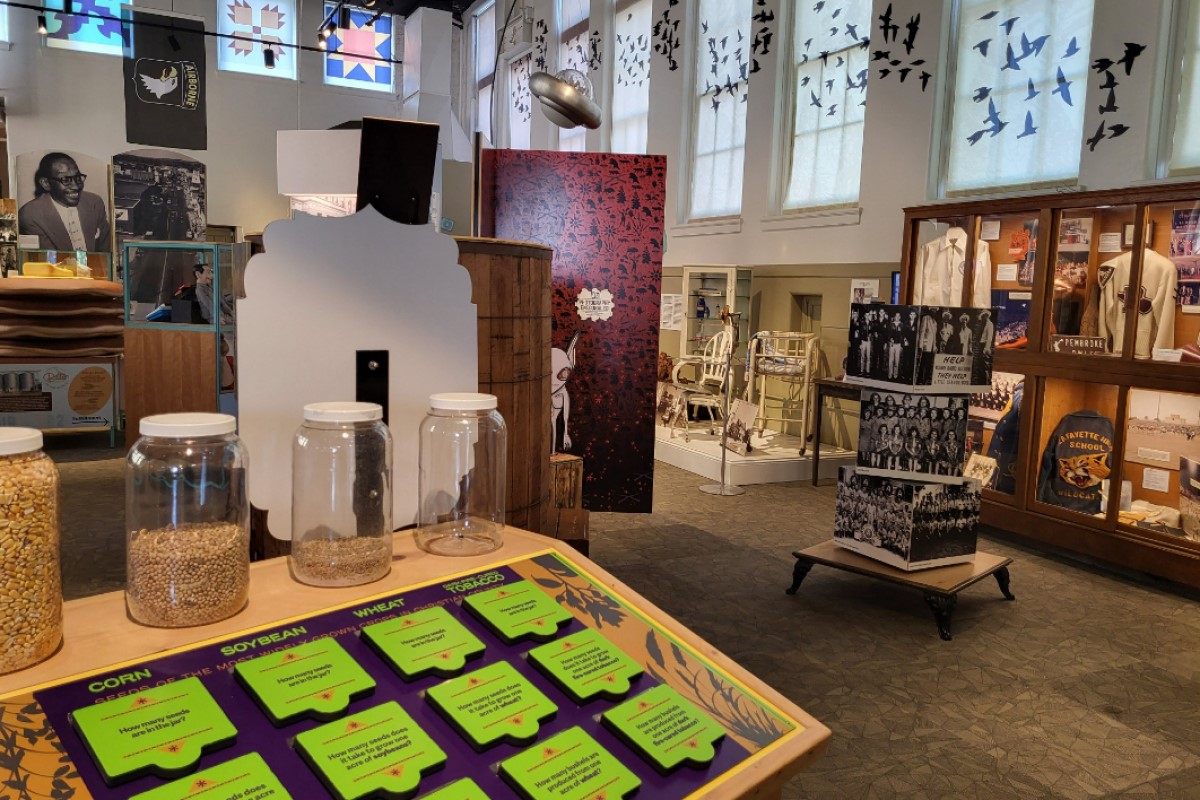
The museum's interior layout relies on dense visual arrangements. Display cases, framed photographic prints, and wall-mounted text panels are grouped closely together, creating an immersive, narrative environment. Ambient lighting is kept low to protect delicate paper artifacts and maintain an somber atmosphere suitable for historical study.
Logistics: Locations, Admission, and Planning Your Visit
When planning a visit to view the Black Dahlia materials, visitors should confirm the specific museum location and current operational guidelines, as exhibit layouts and available materials vary between properties.
The primary collection of Black Dahlia historical materials is housed at the Los Angeles facility due to the crime's local historic connections. While the New Orleans branch covers true crime and serial killer history broadly, the deep-dive installation on Elizabeth Short is rooted in the Southern California location.
Visiting Checklist:
- Verify operating location (Hollywood / Los Angeles venue).
- Confirm venue operating hours and admission pricing.
- Review museum rules (strictly no photography/video).
- Allow 45 to 90 minutes for a complete self-guided tour.
Facility Details and Operations
- Primary Venue: Museum of Death Los Angeles (Hollywood, CA).
- Format: Self-guided walking tour.
- Time Allocation: Visitors generally spend between 45 and 90 minutes walking through the full museum, with roughly 15 to 30 minutes dedicated to reading and examining the Black Dahlia gallery.
- Ticketing: Tickets are typically purchased on-site at the door on a general admission basis, though visitors should check the official venue channels prior to arrival for current operating schedules or admission policies.
Comparative Overview of the Exhibit Experience
The following reference table outlines key operational and content parameters associated with visiting the Black Dahlia display at the Museum of Death:
| Feature / Parameter | Exhibit Specification & Details |
|---|---|
| Primary Location Focus | Hollywood / Los Angeles Facility (Contextual true crime displays in New Orleans) |
| Graphic Content Rating | Extreme / Mature (Explicit crime scene and autopsy photography) |
| Primary Artifact Types | Original photographic prints, 1947 news headlines, LAPD case briefs, suspect dossiers |
| Tour Structure | Self-guided, unpaced pedestrian walkthrough |
| Photography Policy | Strictly prohibited (No mobile device or camera use permitted) |
| Recommended Age | Mature adults (Minors under 18 generally require adult accompaniment/discretion) |
| Average Viewing Duration | 15–30 minutes (within a total museum visit of 45–90 minutes) |
| Historical Scope | Covers 1947 murder, subsequent LAPD/FBI investigations, and modern suspect theories |
Frequently Asked Questions
Is the Black Dahlia exhibit suitable for children or sensitive viewers?
No, the exhibit is not recommended for children or sensitive individuals. The display includes unedited, highly explicit photographs of Elizabeth Short's mutilated body at the crime scene and during autopsy. The Museum of Death advises mature discretion, and minors generally require parental supervision or consent to enter.
Where is the main Black Dahlia exhibit located?
The main Black Dahlia exhibit is featured at the Museum of Death in Hollywood (Los Angeles), California. Because the murder took place in Los Angeles in 1947, the local venue houses the primary regional archive, police report summaries, and press clipping collection related to the case.
Why is photography strictly banned inside the exhibit?
Photography and video recording are prohibited to respect the human remains depicted, protect historic print materials from flash degradation, and prevent unauthorized distribution of proprietary exhibit arrangements. Staff strictly enforce this policy throughout all galleries.
Does the exhibit identify who actually killed Elizabeth Short?
No, the exhibit does not claim to solve the case. Instead, it presents verified historical facts, LAPD evidence summaries, and popular suspect theories—such as those involving Dr. George Hodel or Mark Hansen—allowing visitors to view the raw material and draw their own historical conclusions about the unsolved murder.
How much time should I plan to spend in the Black Dahlia section?
Most visitors spend between 15 and 30 minutes reading through the extensive news clippings, examining forensic photographs, and reviewing suspect case files in the Black Dahlia section. A full tour of the entire Museum of Death typically takes 45 to 90 minutes.
Practical Recommendations for True Crime and History Visitors
For visitors seeking to maximize the educational value of their visit to the Museum of Death's Black Dahlia exhibit, preparing ahead of time provides valuable context:
- Familiarize Yourself with the Basic Case History: Reviewing baseline facts from official archives—such as the historical case overviews provided by the City of Los Angeles or public police records—will help you navigate the dense archival printings and recognize key suspects mentioned in the displays.
- Pace Your Reading: The exhibit relies heavily on historic text, including small-print newspaper columns from 1947. Take time to read the text panels alongside the photographs to understand how press coverage influenced the police investigation.
- Prepare for Graphic Imagery: Recognize that the visual material is unedited. If you feel overwhelmed or lightheaded during your visit, step into adjacent galleries or notify staff immediately.
- Respect Venue Regulations: Keep mobile devices stowed in pockets or bags throughout the tour to ensure compliance with the venue's strict no-photography policy and prevent interruption to other guests.