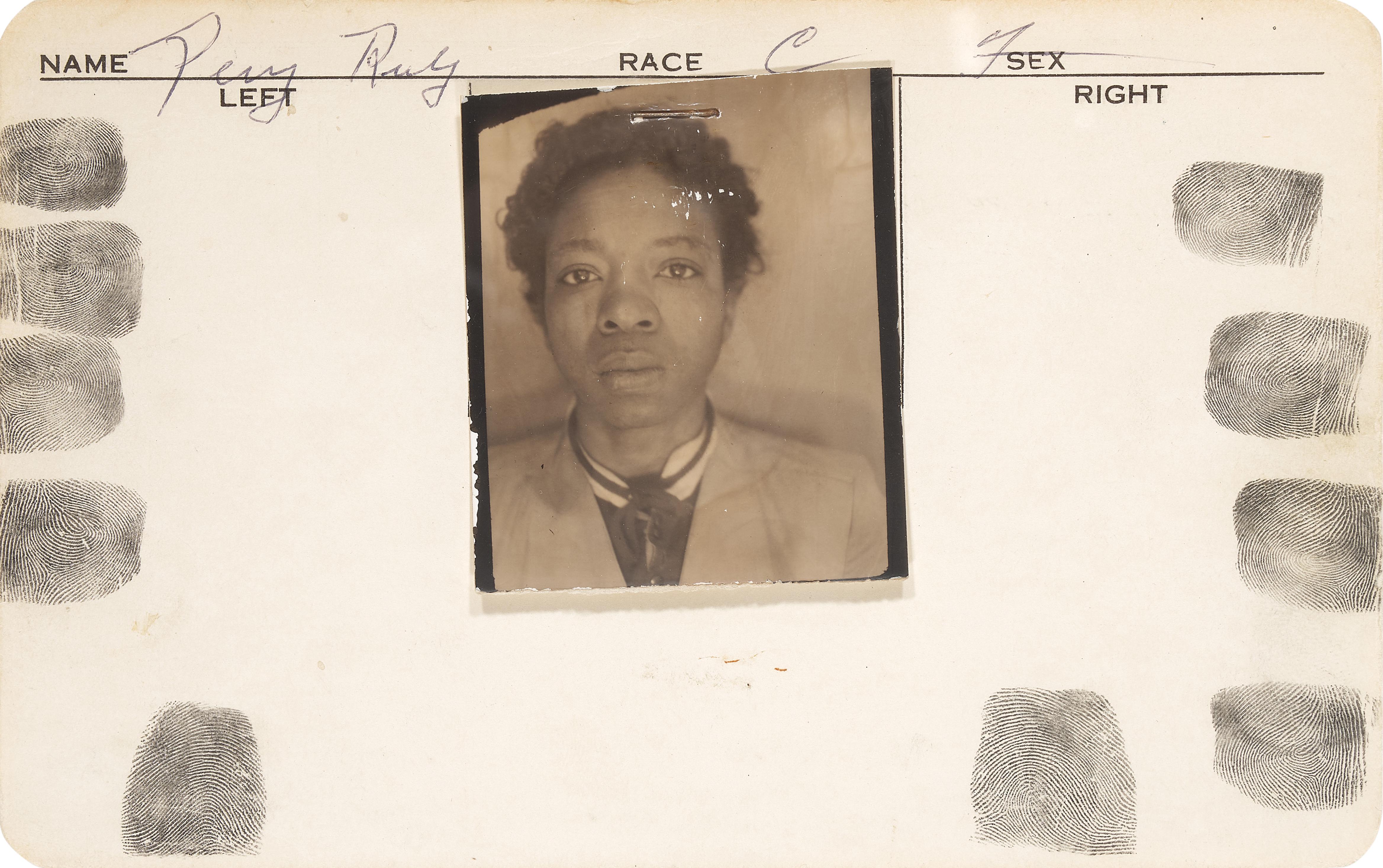
Accessing public records in the State of Georgia has undergone significant digital transformation as of 2026. While the Georgia Open Records Act continues to govern the transparency of criminal justice data, the methods for retrieving booking photos and arrest details have become more centralized and strictly regulated to balance public safety with individual privacy rights.
Understanding the landscape of "mugshots ga" requires a clear distinction between official law enforcement repositories and third-party commercial aggregators. In Georgia, a mugshot is technically a "booking photograph" taken at the time of an individual's processing into a municipal or county detention facility. These records serve as a public log of law enforcement activity, but their dissemination is subject to specific state statutes designed to prevent predatory exploitation.
The Georgia Open Records Act and O.C.G.A. § 35-1-19
The primary legal framework for accessing mugshots in Georgia remains the Georgia Open Records Act. However, a critical protection for citizens is found in O.C.G.A. § 35-1-19. This statute, which saw further enforcement refinements in early 2026, prohibits any person or entity from charging a fee for the removal of a booking photograph if the individual was not convicted or if the charges were dismissed.
Legal Standard for Record Maintenance
Georgia law mandates that law enforcement agencies must provide access to public records, but it simultaneously restricts how commercial entities can use these images. Under the 2026 updates, the Georgia Bureau of Investigation (GBI) oversees the digital compliance of county sheriff's offices to ensure that exonerated individuals are not unfairly penalized by persistent online arrest records.
Official Channels for Georgia Arrest Record Searches
In 2026, the most reliable way to find mugshots and arrest data is through official government portals. These sources provide the most accurate and up-to-date information, whereas third-party sites often contain outdated or incorrect data.
1. County Sheriff’s Office Inmate Portals
Each of Georgia’s 159 counties maintains its own jail and booking records. Large metropolitan counties offer sophisticated "Inmate Search" tools that allow users to view current detainees, their charges, bond amounts, and booking photos.
- Fulton County Jail Search: Known as one of the most high-traffic databases, the Fulton County Sheriff’s Office provides a 24-hour updated roster of bookings in Atlanta and surrounding areas.
- Gwinnett County Sheriff’s Office: Features a comprehensive "Jail Records" search that includes historical data and current inmate statuses.
- Cobb County Sheriff’s Office: Offers an inquiry system that provides detailed bond information alongside booking images.
- DeKalb County Jail: Utilizes an online portal that integrates with the judicial system to show court dates alongside arrest records.
2. Georgia Department of Corrections (GDC)
For individuals who have already been convicted and sentenced to state prison, the GDC Inmate Search is the authoritative source. This database does not usually include temporary jail bookings but focuses on those serving long-term sentences.
3. Georgia Bureau of Investigation (GBI)
The GBI manages the Georgia Criminal Justice Information System (GCIC). While the general public can request a criminal history for a fee (with the subject's consent), the GBI's role in 2026 has expanded to auditing the accuracy of "mugshots ga" data disseminated by private vendors.
| Source Type | Data Provided | Cost | Best Use Case |
|---|---|---|---|
| County Jail Portal | Mugshot, Charges, Bond, Current Status | Free | Finding a recent arrest (24-48 hours) |
| GBI / GCIC | Full Criminal History (CCH) | $15 - $25 | Employment background checks |
| GA Dept of Corrections | Prison Location, Parole Date, Photo | Free | Locating a convicted felon |
| Municipal Courts | Case Dispositions, Fines, Citations | Varies | Checking the outcome of an arrest |
| Third-Party Sites | Aggregated Booking Photos | Often High Fees | General research (not recommended for accuracy) |
The Legal Process for Mugshot Removal in Georgia
As of 2026, Georgia remains a leader in "Clean Slate" initiatives. If you are searching for "mugshots ga" because your own image is appearing online despite your charges being dropped, you have specific legal avenues for removal.
Statutory Removal Requirements
Under O.C.G.A. § 35-1-19, a commercial website must remove a booking photograph within 30 days of a written request if the following conditions are met:
- The charges were dismissed or never filed.
- The individual was acquitted at trial.
- The record was officially restricted (expunged) by a court order.
- The individual was cleared of all charges through a pre-trial diversion program.
Step-by-Step Removal Guide for 2026
If a commercial site is hosting a Georgia booking photo and refuses to remove it despite your eligibility, follow these steps:
- Obtain a Certified Disposition: Visit the Clerk of Court in the county where the arrest occurred to get a certified copy of your case's final outcome.
- Draft a Formal Notice: Send a registered letter to the website owner or the designated agent. In 2026, most major platforms have a "Compliance" or "Legal" link in their footer for these requests.
- Submit the Request to the GBI: If the website fails to comply within 30 days, you can file a complaint through the GBI’s Consumer Protection division, which handles non-compliant public record aggregators.
- Google Search Console Removals: For images appearing in search results, utilize Google's "Personal Information Removal" tool, specifically citing the Georgia statute that makes the image illegal to display for profit.
Regional Variations in Record Availability
The availability of mugshots varies significantly across the state. While rural counties might require an in-person request at the Sheriff's Office, metro areas have fully digitized the process.
Metro Atlanta Hubs
In the 13-county Metro Atlanta area, digital records are virtually instantaneous. Systems like the "Odyssey" portal used by many Georgia courts allow researchers to see the arrest photo and the subsequent legal filings in one unified interface.
Savannah and Chatham County
Chatham County maintains a robust public access terminal system. In 2026, they have implemented a "Mobile First" approach, allowing residents to receive notifications of arrests in specific zip codes, which has increased the visibility of mugshots in the coastal region.
The Impact of "Ban the Box" and 2026 Employment Laws
Georgia's 2026 employment landscape has shifted. Even if a mugshot is visible online, the "Ban the Box" laws have been expanded. Private employers in Georgia are now increasingly restricted from using a mere arrest record (without a conviction) as a disqualifying factor in initial hiring phases. This reduces the professional damage often caused by the "mugshots ga" search results.
Risks of Relying on Unofficial Mugshot Databases
Searching for "mugshots ga" on third-party websites carries several risks. These sites are often designed for search engine optimization rather than factual accuracy.
- Outdated Data: A third-party site may show an arrest from 2022 without updating the fact that the person was found innocent in 2023.
- Phishing and Malware: Many "free" mugshot galleries in 2026 are subsidized by intrusive advertising and may lead to malicious software.
- Identity Theft: Providing your own information to these sites to "claim" or "edit" a profile often leads to your personal data being sold to data brokers.
Professional Search Ethics
When conducting a search for professional purposes, such as legal research or private investigation, always prioritize the Clerk of the Court's records. A booking photo only proves an arrest occurred; only a court disposition proves the legal outcome. Relying solely on a mugshot for decision-making can lead to significant legal liability under the Fair Credit Reporting Act (FCRA).
Frequently Asked Questions
Are all Georgia mugshots public record in 2026?
Yes, under the Georgia Open Records Act, booking photos taken by law enforcement are considered public records. However, agencies have the discretion to withhold photos if releasing them would jeopardize an ongoing investigation or if a court has specifically sealed the record.
How do I find out if someone was arrested in Georgia today?
The fastest method is to check the "Recent Bookings" or "Jail Roster" on the website of the Sheriff’s Office for the county where the arrest likely occurred. Most major Georgia counties update these lists every 1-4 hours.
Is it legal for websites to charge for mugshot removal in Georgia?
No. Under O.C.G.A. § 35-1-19, it is a violation of state law for any person or entity to charge a fee to remove a mugshot if the subject meets the criteria for removal (such as dismissal of charges). Violators can face civil penalties and litigation from the state.
How long does an arrest stay on your record in Georgia?
Unless a record is officially restricted (expunged), it remains part of the public record indefinitely. In 2026, Georgia's automatic record restriction laws apply to many non-convictions, meaning the records are hidden from public view but still accessible to law enforcement.
Can I get a mugshot removed if I was convicted?
If you were convicted, getting a mugshot removed is significantly more difficult. You would typically need to seek a pardon from the Georgia State Board of Pardons and Paroles or wait for the record to become eligible for restriction under specific "Second Chance" legislative tiers, which vary by the severity of the offense.
What should I do if a Georgia mugshot search shows incorrect information?
You should contact the arresting agency (the Sheriff's Office or Police Department) to request a correction to the original booking record. Once the official record is corrected, you can use the updated disposition to force third-party websites to update or remove their content.
If you are navigating the complexities of criminal records in Georgia, prioritize official government sources and remain aware of your rights under the 2026 statutory updates. For legal advice regarding specific cases or large-scale record restriction, consulting with a Georgia-licensed attorney specializing in privacy law is highly recommended.