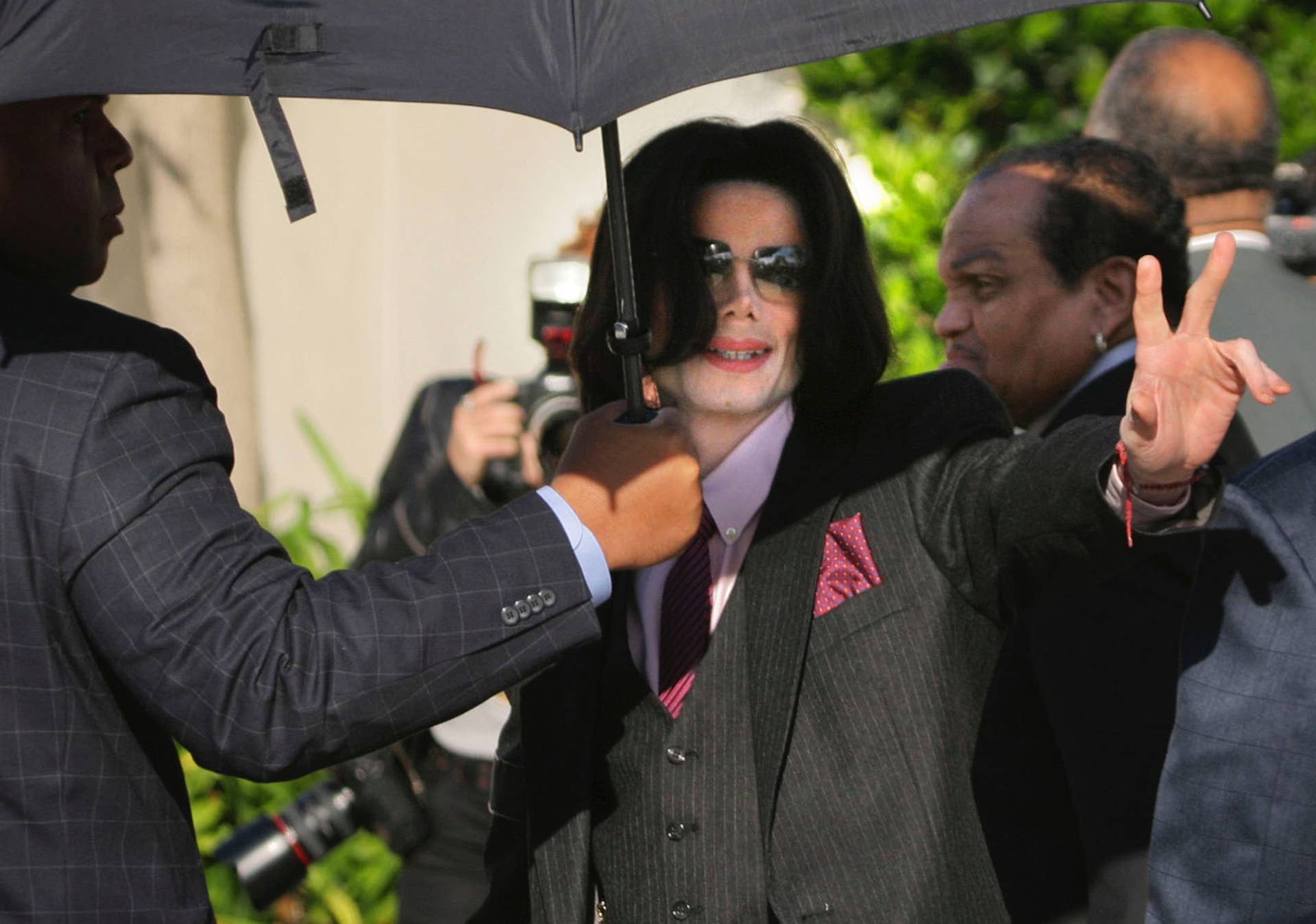
Michael Jackson is estimated to have donated between $300 million and $500 million to various charitable causes during his lifetime. In 2000, Guinness World Records officially recognized him as the pop star who supported the most charities, totaling 39 different organizations, ranging from AIDS research to child poverty relief.
The sheer scale of Michael Jackson’s philanthropy often matches the magnitude of his musical career. Beyond the record-breaking sales of "Thriller" and "Bad," Jackson utilized his global platform to funnel massive amounts of capital toward humanitarian aid. His approach to giving was multifaceted, involving direct personal donations, proceeds from worldwide tours, high-profile benefit records, and the establishment of his own non-profit organizations. As of 2026, his legacy of giving remains a benchmark for celebrity activism, demonstrating how individual wealth can be leveraged for systemic global impact.
Quantifying a Multi-Decade Philanthropic Legacy
Pinpointing an exact figure for Jackson’s total donations is challenging due to the privacy of many personal gifts and the fluctuating value of non-monetary contributions, such as medical equipment and supplies. However, financial historians and biographers generally agree that the figure exceeds $300 million, with some estimates climbing toward the half-billion mark when accounting for the total revenue generated by projects he initiated for charity.
His commitment to giving was not a late-career rebranding but a consistent element of his professional life. From the early 1980s until his passing in 2009, Jackson redirected significant portions of his income toward social causes. For instance, in 1984, he famously donated his entire share of the earnings from the Victory Tour—estimated at approximately $5 million—to various charities, including the United Negro College Fund (UNCF) and the T.J. Martell Foundation for Leukemia and Cancer Research. This act set a precedent in the music industry, as it was unprecedented for a lead performer to forfeit their entire tour salary for humanitarian purposes.
The Foundation of "Heal the World"
In 1992, Jackson formalized his humanitarian efforts by founding the Heal the World Foundation. The organization was inspired by his hit single of the same name and was designed to provide aid to children in need across the globe. The foundation focused on several key areas:
- Medical Relief: Providing pediatric medicine and equipment to war-torn regions and developing nations.
- Education: Funding school supplies and literacy programs.
- Drug and Alcohol Prevention: Supporting programs aimed at educating youth about the dangers of substance abuse.
One of the foundation’s most significant achievements was the "Heal L.A." initiative, launched following the 1992 Los Angeles riots. Jackson donated $1.25 million to the project, which aimed to revitalize inner-city communities and provide safe spaces for children. Furthermore, during the "Dangerous" World Tour, the foundation organized airlifts of over 46 tons of supplies to Sarajevo, including food, medicine, and winter clothing. This demonstrated Jackson's willingness to use his logistical power as a global touring artist to bypass traditional bureaucratic delays in aid delivery.
Major Charitable Milestones and Global Impact
Jackson’s philanthropy often took the form of massive, collaborative projects that raised awareness alongside funds. These events remain some of the most successful charitable ventures in entertainment history.
USA for Africa and "We Are the World"
In 1985, Michael Jackson co-wrote the anthem "We Are the World" with Lionel Richie. The song, produced by Quincy Jones, featured dozens of the world's most famous musicians. The project was created to provide relief for the famine in Ethiopia. The single sold over 20 million copies and raised more than $63 million (over $160 million when adjusted for inflation by 2026 standards) for humanitarian aid in Africa and the United States. Jackson’s role was not merely as a performer; his creative input and fame were the primary catalysts for the project's global success.
The 1984 Pepsi Settlement
In 1984, during the filming of a Pepsi commercial, Jackson suffered second and third-degree burns to his scalp when pyrotechnics ignited his hair. Pepsi-Cola settled with Jackson for $1.5 million. Rather than keeping the settlement, Jackson donated the entire amount to the Brotman Medical Center in Culver City, California. This donation funded the creation of the Michael Jackson Burn Center, which specialized in treating victims of severe burns with state-of-the-art technology. This specific act of philanthropy is often cited as evidence of his "turn tragedy into triumph" philosophy.
Benefit Concerts: "What More Can I Give"
Following the September 11 attacks in 2001, Jackson organized the "United We Stand: What More Can I Give" benefit concert at RFK Stadium in Washington, D.C. The event featured a diverse lineup of artists and aimed to raise money for victims' families and relief efforts. While the broadcast rights and logistics were complex, the event underscored Jackson’s role as a unifying figure during times of national crisis.
Supported Organizations and the Guinness World Record
By the time Michael Jackson was inducted into the Guinness World Records in 2000, his list of supported charities was extensive and diverse. He did not limit his support to a single cause, instead spreading his resources across various sectors of social welfare.
| Category | Primary Recipient Organizations | Estimated Impact/Focus |
|---|---|---|
| Health & Research | Elizabeth Taylor AIDS Foundation, T.J. Martell Foundation, American Cancer Society | Funding for HIV/AIDS research and pediatric cancer treatments. |
| Education | United Negro College Fund (UNCF), Motown Museum Historical Foundation | Scholarships for minority students and preservation of musical history. |
| Child Welfare | Make-A-Wish Foundation, Heal the World, Childhelp USA | Granting wishes for terminally ill children and preventing child abuse. |
| Global Aid | Red Cross, UNESCO, UNICEF | Disaster relief, famine aid in Africa, and international cultural preservation. |
| Community | Los Angeles Urban League, YMCA, Boys & Girls Clubs of America | Inner-city youth programs and local community development. |
The Guinness World Record was specifically awarded for his support of 39 charities, a number that likely increased in the years following the 2000 certification. His support often went beyond financial transactions; he frequently invited children from the Make-A-Wish Foundation to his Neverland Ranch, providing them with a private retreat and entertainment free of charge.
Posthumous Giving and the Michael Jackson Estate
The philanthropic legacy of Michael Jackson did not end with his passing in 2009. The Michael Jackson Estate, which manages his intellectual property and assets, has continued to honor his commitment to charity. Per the terms of his will, a significant percentage of the Estate's earnings is directed toward the Michael Jackson Family Trust, which includes provisions for charitable distributions.
Since 2009, the Estate has donated millions to various causes. For example, in 2010, following the devastating earthquake in Haiti, the Estate donated a portion of the proceeds from the "This Is It" documentary and the "We Are the World 25 for Haiti" remake. In more recent years, heading into 2026, the Estate has focused on sustaining the Heal Los Angeles Foundation, which continues Jackson's mission of supporting foster youth and educational initiatives in California. This ensures that Jackson’s financial impact remains a living force, rather than just a historical statistic.
Common Misconceptions About Jackson's Philanthropy
Despite the documented evidence of his giving, some skeptics have questioned the authenticity or the actual "out-of-pocket" cost of his philanthropy. It is important to distinguish between money raised by Jackson through his influence and money donated directly from his personal accounts.
- Fundraising vs. Personal Gifts: While much of the $300M+ figure includes revenue from benefit songs and tours, Jackson's personal cash donations were also significant. His accountants during various legal proceedings noted that his charitable spending often contributed to his personal cash flow challenges, as he prioritized giving even during periods of high personal expenditure.
- Publicity vs. Privacy: While many of his donations were highly publicized, those close to him have noted that he made hundreds of private donations to individuals—such as paying for surgeries for children or covering funeral costs for fans—that were never recorded by mainstream media.
- The "Tax Write-off" Myth: While charitable donations do offer tax benefits, the volume of Jackson’s giving far exceeded any strategic tax-planning requirements. His level of donation consistently outpaced the standard practices of high-net-worth individuals in the entertainment sector.
Humanitarian Recognition and Awards
Jackson’s work earned him recognition far beyond the music charts. He was twice nominated for the Nobel Peace Prize (in 1998 and 2003) for his work with children and global peace initiatives. Additionally, he received the "Point of Light" award from President George H.W. Bush in 1992, which recognized his commitment to community service.
In 1984, President Ronald Reagan honored Jackson at the White House for his support of charities that combat drug and alcohol abuse. These accolades highlight that during his peak years, Jackson was viewed not just as an entertainer, but as a significant diplomatic and humanitarian asset to the United States.
Next Actions for Researching Michael Jackson’s Philanthropy
To gain a deeper understanding of Michael Jackson’s humanitarian footprint, researchers and fans can take the following steps:
- Review Official Estate Disclosures: Monitor the Michael Jackson Estate’s annual reports or press releases regarding current charitable partnerships and the Heal Los Angeles Foundation.
- Consult Guinness World Records: Reference the official Guinness World Records archives for the specific list of 39 charities cited in his 2000 record.
- Analyze Humanitarian Documentaries: Watch documentaries or read authorized biographies that focus on his global tours, which often detail the "behind-the-scenes" aid delivered to orphanages and hospitals in the cities he visited.
Frequently Asked Questions
Which single event raised the most money for Michael Jackson’s charities?
The "We Are the World" project (1985) is the most successful charitable event associated with Michael Jackson. It raised over $63 million for famine relief in Africa. While it was a collaborative effort, Jackson's role as co-writer and primary attraction was the driving force behind its commercial success.
Did Michael Jackson donate his own money or just raise it from fans?
He did both. While he raised hundreds of millions through tours and record sales (like the "Victory" and "Dangerous" tours), he also made substantial personal donations. Notable examples include his $1.5 million personal settlement from Pepsi and millions in direct grants to the UNCF and the Heal the World Foundation.
How many charities did Michael Jackson support?
According to Guinness World Records, Michael Jackson supported 39 different charities, which was a record for any pop star at the time. These charities covered a wide spectrum, including the Red Cross, Make-A-Wish, and the United Negro College Fund.
Does the Michael Jackson Estate still donate to charity in 2026?
Yes, the Michael Jackson Estate continues to make donations. A portion of the profits from the Estate's business ventures (such as the MJ Musical, film projects, and music royalties) is allocated to charitable causes, often focusing on children’s health and education.
What happened to the Heal the World Foundation?
The original Heal the World Foundation faced some administrative and legal challenges in the early 2000s and became less active. However, the mission has been largely revitalized through the "Heal Los Angeles" organization, which receives support from Jackson’s children and the Estate to carry on his humanitarian work.