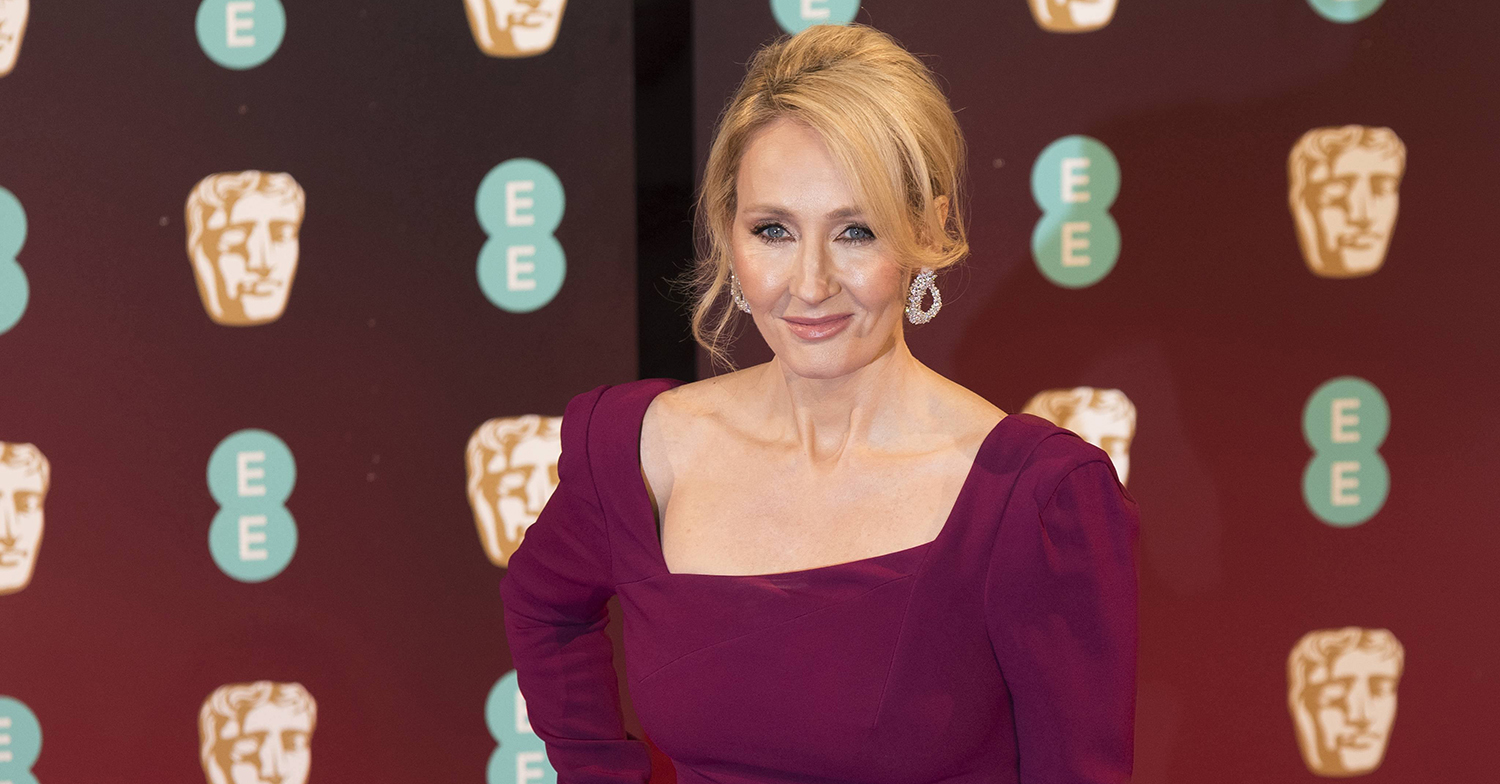
J.K. Rowling earns an estimated $50 million to $100 million annually from her partnership with Universal Parks & Resorts. This income stems from a complex arrangement of licensing fees, a percentage of gross merchandise and food sales, and creative consulting fees related to "The Wizarding World of Harry Potter" across Global Universal destinations.
The financial relationship between J.K. Rowling and Universal Parks & Resorts is one of the most successful and structured licensing agreements in the history of the themed entertainment industry. While the specific contracts remain private, financial analysts and industry reports from outlets such as Forbes, The New York Times, and Bloomberg provide a clear picture of the revenue architecture. As of 2026, with the recent expansion into Universal’s Epic Universe, these earnings have reached new heights, solidifying Rowling’s position as one of the world’s wealthiest authors.
The Financial Architecture of the Wizarding World Deal
To understand how much Rowling makes, one must first understand the tripartite relationship between the author, Warner Bros. Discovery, and NBCUniversal. Rowling owns the fundamental intellectual property (IP) of the Harry Potter universe. Warner Bros. holds the film rights and certain secondary rights, while Universal pays for the right to use that IP within its theme parks.
When the deal was struck in 2007—after Rowling famously turned down a more restrictive offer from The Walt Disney Company—she secured terms that were unprecedented for an author. Unlike standard licensing deals where an author might receive a flat fee, Rowling’s contract includes ongoing participation in the park's financial success.
Licensing Fees and Upfront Payments
Initially, Universal paid a significant upfront licensing fee to secure the rights. However, the true value lies in the "annual minimums." Universal pays a recurring fee to maintain the rights to the characters, locations, and names. This fee is adjusted upward as new lands are added, such as the Ministry of Magic expansion at Epic Universe in Orlando.
Percentage of Gross Receipts
The most lucrative part of Rowling’s deal is her "cut" of the gross revenue. Most industry insiders agree that Rowling (and Warner Bros.) receives a high single-digit percentage of everything sold within the Wizarding World sections of the parks. Because this is based on gross revenue rather than net profit, her income is protected from the high operating costs associated with running a theme park.
Breakdown of Income Streams: Merchandise, Food, and Tickets
The Wizarding World is designed to be a high-consumption environment. Every aspect of the land, from the wands to the beverages, is a proprietary product that generates royalties.
Merchandise and the "Ollivanders" Effect
The sale of interactive wands is a primary driver of income. These wands, which retail for approximately $60 to $70, cost a fraction of that to manufacture. Rowling receives a direct royalty on every wand sold. Given that millions of visitors pass through these lands annually in Orlando, Hollywood, Osaka, and Beijing, the cumulative royalty from merchandise alone is estimated to exceed $20 million per year.
Food and Beverage: The Butterbeer Phenomenon
Butterbeer is perhaps the most successful proprietary beverage in theme park history. Since its debut in 2010, tens of millions of servings have been sold. Because the recipe is a trade secret and the name is trademarked, Rowling receives a percentage of every glass sold. Unlike standard soda sales, Butterbeer carries a premium price tag, often $8 to $15 depending on the format (cold, frozen, or souvenir mug), significantly padding the royalty checks.
Ticket Sales and Gate Attendance
While Rowling does not receive a direct percentage of every Universal Orlando ticket sold, the contract likely includes "attendance bonuses." When the Wizarding World opened in 2010, Universal saw a 30% jump in attendance. Such surges often trigger contractual milestones that result in multimillion-dollar payouts to the IP holder.
| Revenue Stream | Estimated Annual Value (2026) | Description |
|---|---|---|
| Licensing Fees | $15M - $25M | Fixed annual payments for IP usage rights. |
| Merchandise Royalties | $20M - $35M | Percentage of gross sales (Wands, Robes, Stationery). |
| Food & Beverage | $10M - $15M | Royalties from Butterbeer and themed dining (Leaky Cauldron). |
| Creative Consulting | $5M - $10M | Fees for approving new designs and expansions. |
| Performance Bonuses | $5M - $15M | Payouts based on park attendance milestones. |
| Total Estimated | $55M - $100M | Aggregate annual income from Universal global properties. |
Creative Control and Consulting Fees
Rowling’s deal is unique because of the "Creative Veto" she maintains. No project, from the layout of Diagon Alley to the specific flavor profile of a chocolate frog, can proceed without her approval or the approval of her designated representatives at Blair Partnership.
The Cost of Approval
This creative control is not just about artistic integrity; it is a billable service. Rowling receives "consulting fees" for the time spent reviewing blueprints, digital renderings, and menu items. As Universal developed the Ministry of Magic for Epic Universe, these fees escalated due to the complexity of the project.
Brand Protection and Longevity
By maintaining strict control, Rowling ensures the "Harry Potter" brand does not become diluted. This preserves the premium nature of the parks, allowing Universal to charge higher prices for tickets and merchandise. This high-margin environment directly benefits Rowling’s bottom line, as her royalties are tied to those premium price points.
The Impact of Global Expansion and Epic Universe
As of 2026, the scale of Rowling’s income has shifted due to the opening of Universal’s third gate in Orlando: Epic Universe. This park features a massive Harry Potter-themed land centered on the British Ministry of Magic and the 1920s Paris from the Fantastic Beasts series.
Multi-Property Compounding
Rowling’s earnings are no longer tied to just one park. She earns from:
- Universal Studios Florida (Diagon Alley)
- Universal Islands of Adventure (Hogsmeade)
- Universal Studios Hollywood (Hogsmeade)
- Universal Studios Japan (Hogsmeade)
- Universal Studios Beijing (Hogsmeade)
- Universal’s Epic Universe (Ministry of Magic)
The addition of the Ministry of Magic is particularly significant because it targets a different demographic and offers a new suite of high-end merchandise. This expansion alone is estimated to have increased her annual Universal-related income by approximately 20% compared to the early 2020s.
The Role of Warner Bros. Discovery
It is important to note that Rowling does not receive the entirety of the licensing "pot." Warner Bros. Discovery (WBD) acts as the master licensee. Universal pays WBD, and WBD then distributes the agreed-upon share to Rowling.
Typically, in such deals, the studio and the author might split the licensing royalties 50/50, or the author may have a "gross participation" clause that ensures they are paid first. Because Rowling retained the book rights and has a unique "Produced By" status on the films, her leverage with Warner Bros. is immense, likely resulting in a larger-than-average share of the theme park revenue.
Legal and Financial Disclaimers
The figures provided in this analysis are based on historical financial reporting, industry benchmarks for IP licensing, and attendance data provided by the Themed Entertainment Association (TEA). Neither J.K. Rowling nor NBCUniversal publicly discloses the exact line items of their private contracts. For financial planning or investment purposes, these figures should be treated as professional estimates rather than audited financial statements.
How does Rowling's income from Universal compare to her book royalties?
While book royalties were the foundation of her wealth, theme park income is now more consistent and involves lower overhead. Book sales fluctuate with new releases, but the theme parks provide a steady, "passive" stream of tens of millions of dollars every year, regardless of whether she publishes a new novel.
Does J.K. Rowling own part of the Universal theme parks?
No, she does not have an equity stake in Universal Parks & Resorts or NBCUniversal. She is a licensor. She grants them the right to use her property in exchange for fees and royalties. She does not share in the park's losses or capital expenditures, but she also doesn't own the physical land or rides.
What happens to the money if the parks close temporarily?
Most high-level licensing deals include "Force Majeure" clauses and "minimum guaranteed royalties." Even if the parks were to close (as seen in 2020), Universal is typically still required to pay a base licensing fee to maintain the rights, though the variable royalties from merchandise and food would cease.
Does she make money from the "Harry Potter" attractions at other parks?
Currently, Universal holds the exclusive theme park rights for Harry Potter globally. There are "Warner Bros. Studio Tours" (like the one in London and Tokyo), which are separate entities. Rowling also earns significant royalties from those tours, but they are technically distinct from the Universal Parks deal.
Will her earnings decrease as the Harry Potter films get older?
On the contrary, the "Wizarding World" has transitioned into a "legacy brand" similar to Star Wars. Universal’s constant reinvestment in new rides (like Hagrid’s Magical Creatures Motorbike Adventure) and new lands (Epic Universe) ensures that the IP remains relevant for new generations, keeping the revenue stream stable or growing.
Tracking the Future of Wizarding World Revenue
If you are tracking the financial trajectory of J.K. Rowling’s estate, the most important metric to watch is Universal’s annual attendance reports and their capital expenditure (CapEx) announcements. Every time Universal announces a new "land" or a technical upgrade to an existing attraction, it serves as a precursor to increased licensing revenue for the author.
Investors and analysts should monitor the performance of the Epic Universe expansion throughout 2026, as this represents the largest single jump in Rowling’s potential earnings since the opening of Diagon Alley in 2014. The continued globalization of the brand, particularly in the Asian markets through the Beijing and Osaka parks, suggests that her income from Universal is protected against regional economic downturns.