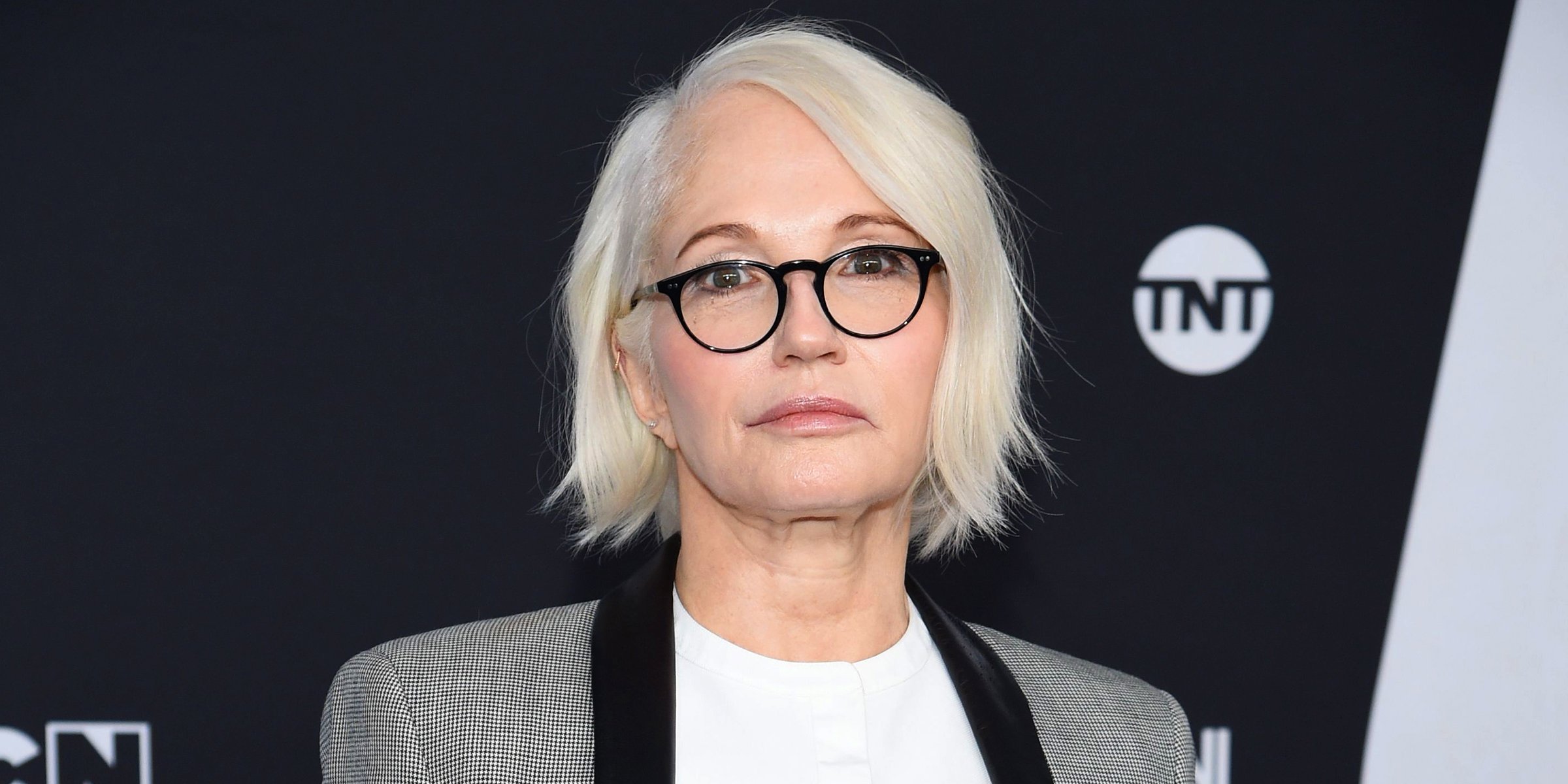
Ellen Barkin, who portrayed the formidable matriarch Janine "Smurf" Cody, reportedly earned between $175,000 and $250,000 per episode during the second season of Animal Kingdom. With Season 2 consisting of 13 episodes, her total compensation for the year is estimated to have been between $2.27 million and $3.25 million, excluding potential bonuses and residuals.
As an Academy Award-nominated and Emmy-winning actress, Barkin was the undisputed "anchor" of the TNT series. Her salary reflected not only her extensive film pedigree but also her pivotal role in establishing the show's critical and commercial viability during the "Peak TV" era of the late 2010s.
The Economics of Prestige Casting on Basic Cable
To understand why Ellen Barkin commanded such a significant salary on Animal Kingdom, it is essential to look at the landscape of basic cable television during the series' inception and its second season. In 2017, when Season 2 aired, networks like TNT, AMC, and FX were aggressively competing with streaming giants like Netflix and Hulu by hiring established film stars to lead their original programming.
Barkin belonged to a specific tier of "prestige talent." Unlike the younger cast members—who were largely emerging talents at the time—Barkin brought decades of industry credibility from films like Sea of Love and The Big Easy. For TNT, paying a premium for Barkin was a strategic investment. Her name on the marquee provided the "gravitas" necessary to market the show to both domestic audiences and international distributors.
Industry reports from outlets like Variety and The Hollywood Reporter during that period indicated that lead actors on successful basic cable dramas typically saw significant pay bumps between Season 1 and Season 2. While a pilot agreement might start a veteran actor at $150,000 per episode, the success of the first season often triggers contractual escalators or renegotiations that push the per-episode rate closer to the quarter-million-dollar mark.
Breaking Down the Season 2 Compensation
Season 2 of Animal Kingdom expanded the world of the Cody family, placing Smurf in more precarious positions as her "boys" began to rebel against her control. This increased screen time and dramatic heavy lifting further justified Barkin's status as the highest-paid member of the ensemble.
Estimated Earnings Table for Season 2
| Financial Component | Estimated Rate/Amount | Total for Season 2 (13 Episodes) |
|---|---|---|
| Base Per-Episode Salary | $175,000 – $250,000 | $2,275,000 – $3,250,000 |
| Signing/Retention Bonuses | Variable | $100,000 – $250,000 (Estimated) |
| Back-end Participation | Points (Percentage) | Varies by Syndication/Streaming Deals |
| Per Diem & Expenses | Standard SAG-AFTRA Rates | Included in Production Budget |
The figures above represent the "gross" earnings before agent fees (10%), manager fees (10%–15%), and taxes. Even after these deductions, Barkin remained one of the highest-earning women on basic cable during the 2017 television season.
Comparative Salaries: Barkin vs. The Cody Boys
A significant portion of the Animal Kingdom budget was allocated to Barkin’s salary, creating a notable gap between her earnings and those of her co-stars, such as Scott Speedman (Baz), Shawn Hatosy (Pope), Ben Robson (Craig), Jake Weary (Deran), and Finn Cole (J).
While Barkin was earning upwards of $200,000 per episode, the "Cody Boys" were likely earning in the range of $30,000 to $80,000 per episode during Season 2, depending on their prior credits and individual contract negotiations. This pay disparity is standard in ensemble dramas where one veteran actor serves as the "hook" for the series.
However, as the show progressed and the younger actors became integral to the brand, their salaries typically increased at a higher percentage rate than Barkin’s. By the time Barkin departed the series in Season 4, the gap had likely narrowed, though she remained the top earner throughout her tenure.
The Impact of the "Smurf" Character on Barkin's Market Value
The role of Janine "Smurf" Cody was a career-defining turn for Barkin in the television space. Unlike many of her previous roles, Smurf allowed her to play a manipulative, matriarchal villain—a character archetype that resonated deeply with audiences and critics alike.
According to data from IMDb, Animal Kingdom consistently ranked as one of TNT's most-watched original programs. This commercial success gave Barkin significant leverage during Season 2 negotiations. In the television industry, ratings are the primary currency; if a lead actor is perceived as the reason for high viewership among the 18–49 demographic, their salary expectations can rise exponentially.
Factors that supported Barkin’s high Season 2 pay:
- Critical Acclaim: Barkin received widespread praise for her "chilling" performance, which helped the show maintain a high score on Rotten Tomatoes.
- Marketing Reliance: The majority of the promotional material for Season 2 focused on Barkin’s visage, signaling her essentiality to the brand.
- Production Role: While primarily an actress, veteran stars of her level often provide unofficial "consulting" on their characters, which is factored into their overall value to the production.
Contractual Escalators and Long-term Gains
Most television contracts for lead actors include "escalators," which are pre-negotiated percentage increases (often between 4% and 10%) that take effect with each subsequent season renewal. If Barkin started Season 1 at a base of $150,000, a 15%–20% bump for a successful Season 2 would land her exactly in the $175,000 to $200,000 range.
Beyond the per-episode salary, Barkin’s financial relationship with Animal Kingdom includes residuals. These are payments made to the actors when the show is re-run on TNT, sold to international markets, or licensed to streaming platforms like Amazon Prime Video or HBO Max (now Max). Given the show's longevity—running for six seasons—these residuals continue to provide a steady income stream even in 2026.
The Controversy of Her Exit and Financial Implications
It is impossible to discuss Ellen Barkin’s earnings without touching upon her departure at the end of Season 4. While the decision to kill off Smurf was described by showrunners as a "creative choice" to propel the Cody boys into a new chapter, Barkin’s social media presence at the time suggested a more friction-filled exit.
From a financial perspective, her departure meant leaving behind what would have likely been her highest-earning years (Seasons 5 and 6). Had she stayed, her salary could have potentially reached $300,000 or more per episode as the series moved into its final chapters. Despite this, the three-and-a-half seasons she headlined solidified her status as a top-tier earner in the cable landscape.
Why Salary Transparency Matters for the Cody Legacy
As of 2026, Animal Kingdom remains a benchmark for how to transition a film property (the 2010 Australian film of the same name) into a long-running American television success. The investment TNT made in Ellen Barkin’s salary during Season 2 was the catalyst for that success.
By paying a premium for a high-caliber lead, the network ensured that the show had the "legs" to survive the crowded television market. For fans and industry analysts, Barkin’s Season 2 salary serves as a case study in the value of "star power" versus ensemble growth.
Frequently Asked Questions
Was Ellen Barkin the highest-paid actor on Animal Kingdom?
Yes, Ellen Barkin was the highest-paid cast member from Season 1 through her exit in Season 4. Her veteran status and award-winning background allowed her to negotiate a salary significantly higher than the younger ensemble cast.
How many episodes was Ellen Barkin in during Season 2?
Ellen Barkin appeared in all 13 episodes of Season 2. Because she was a series regular with a "pay-or-play" contract, she was compensated for every episode produced, regardless of the specific amount of screen time in any given week.
Did Ellen Barkin receive a raise for Season 2?
While specific contract details are private, it is standard practice in the television industry for lead actors to receive a 5% to 10% raise for the second season of a successful show. Some stars negotiate even higher bumps if the show exceeds viewership expectations.
How does Ellen Barkin’s salary compare to other TNT stars?
Barkin’s estimated $200,000+ per episode is consistent with other TNT leads of the era, such as Kyra Sedgwick in The Closer or Angie Harmon in Rizzoli & Isles, who also commanded six-figure per-episode salaries during their peak seasons.
What is Ellen Barkin's net worth in 2026?
As of 2026, Ellen Barkin’s net worth is estimated to be approximately $80 million. This wealth is the result of her long film career, her high-earning years on Animal Kingdom, and a significant divorce settlement from billionaire Ronald Perelman in 2006.
Tracking the Career of Ellen Barkin Post-Animal Kingdom
For those interested in following Ellen Barkin’s professional trajectory after her time as Smurf Cody, her career has remained robust. She has continued to choose roles that highlight her range, including her performance in the acclaimed series Poker Face and the film The Out-Laws.
To stay updated on her latest projects and official appearances, fans should monitor major trade publications such as Deadline and follow her verified social media profiles. While Smurf Cody remains her most iconic television role to date, her ongoing work continues to command high-market value in an ever-evolving media landscape.