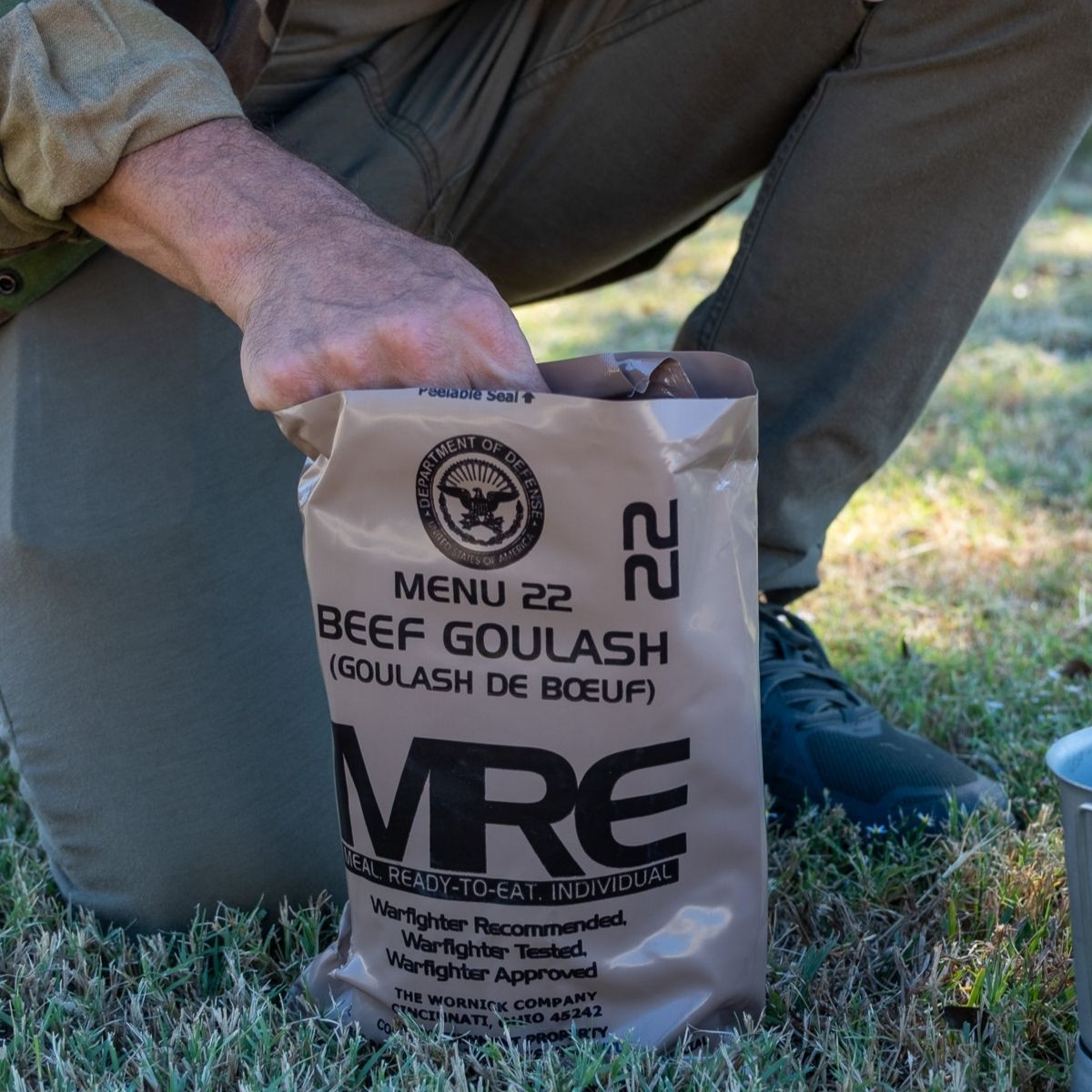
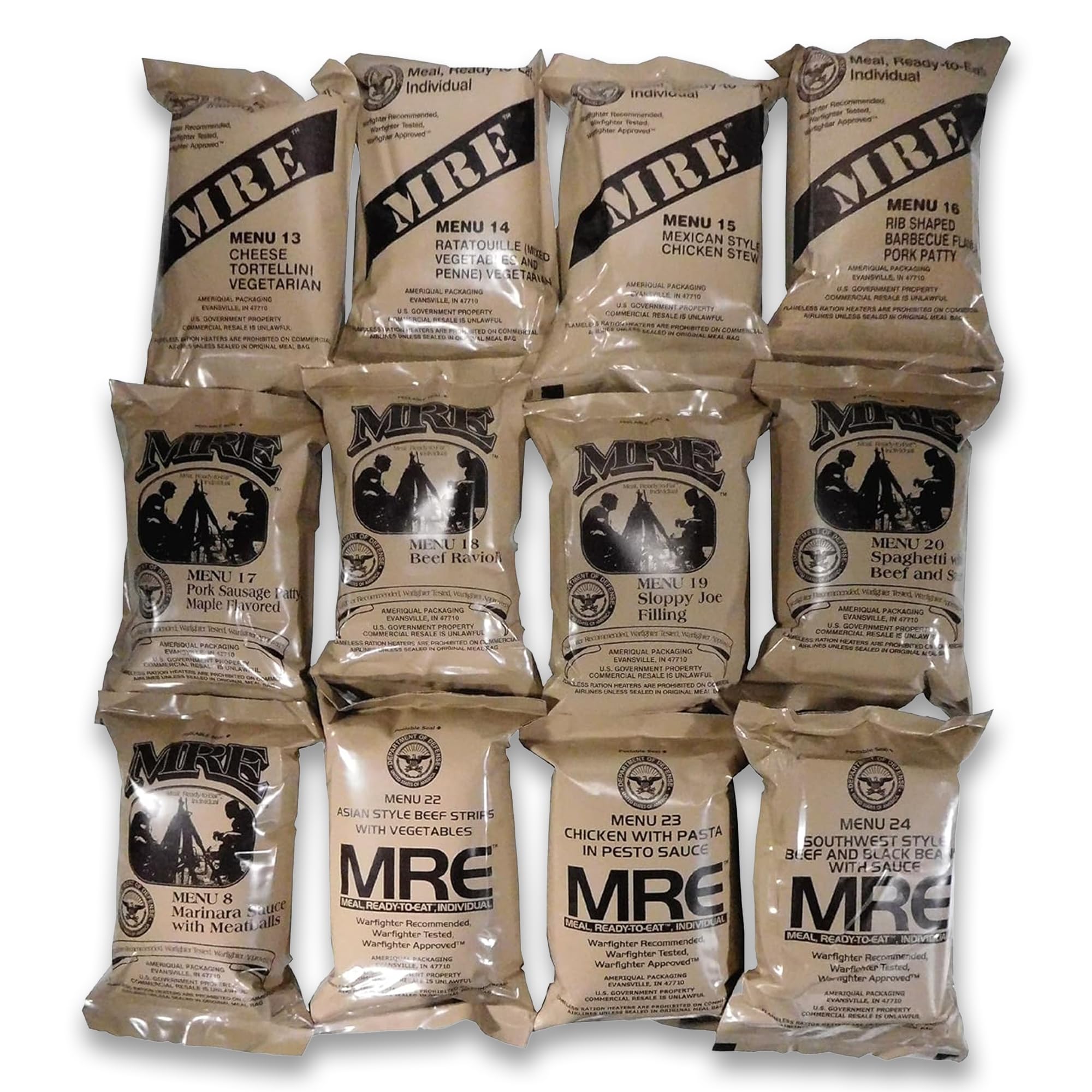
The Meal, Ready-to-Eat (MRE) represents the pinnacle of shelf-stable food engineering, designed to sustain high-performance individuals in the most austere environments on Earth. In 2026, the technology behind these rations has evolved significantly from the bulky, sodium-heavy packets of previous decades. Today, MREs are the cornerstone of both military logistics and professional emergency preparedness for civilians. This guide provides a deep technical analysis of current 2026 MRE standards, nutritional profiles, and procurement strategies for long-term storage.
While MRE stands for "Meal, Ready-to-Eat" in the context of military and survival logistics, this article focuses exclusively on shelf-stable rations. It does not cover "MRES" as an acronym for Master of Research degrees or local restaurant names.
The Evolution of the MRE in 2026: Innovations in Retort Packaging
The year 2026 has seen a breakthrough in tri-laminate retort pouch technology. These pouches, which consist of polyester, aluminum foil, and polypropylene, have been refined to be 15% lighter while offering superior puncture resistance. This is critical for 2026 supply chains where weight reduction correlates directly with drone-delivery efficiency and individual pack weight for hikers and emergency responders.
Modern MREs are no longer just "food in a bag." They are complex thermodynamic systems. The packaging is designed to withstand a 1,250-foot parachute drop and temperatures ranging from -60°F to 120°F. In the current 2026 market, the focus has shifted toward "Nutritional Optimization," where micronutrients are micro-encapsulated to prevent degradation over the five-year shelf life, a common failure point in older ration models.
Anatomy of a 2026 Military-Grade Ration
A genuine 2026 MRE is a self-contained meal that provides approximately 1,250 to 1,300 calories. This caloric density is calculated to sustain a soldier or survivalist performing heavy physical labor. Each meal is divided into specific components designed to be eaten together or staged throughout a 24-hour period.
Main Entrée and Side Components The core of the 2026 MRE is the retort-packaged entrée, such as Beef Stew with Vegetables or Southwest Style Chicken. Modern processing techniques used in 2026 ensure that the texture of meat and vegetables remains closer to fresh-cooked meals than the "mush" associated with early 2000s rations.
The Flameless Ration Heater (FRH) The FRH is a water-activated exothermic heater containing a magnesium/iron alloy. In 2026, these heaters are more efficient, reaching 100 degrees above ambient temperature in less than five minutes using only one ounce of water.
Accessory Packs and Fortification Standard 2026 accessory packs include high-electrolyte beverage powders, caffeine-infused gum for cognitive alertness, and bio-available probiotics designed to maintain gut health under the stress of emergency conditions.
Shelf Life Science: The 2026 Storage Benchmarks
One of the most misunderstood aspects of MRE food is the "expiration date." MREs do not have a traditional expiration date; they have an "Inspection Date." The longevity of the food is entirely dependent on storage temperature. As an industry standard in 2026, the 3:1 ratio remains the baseline for temperature-to-longevity calculations.
For every 15-degree increase in storage temperature above 60°F, the shelf life of the MRE is effectively halved. To maximize your 2026 survival pantry, climate-controlled storage is non-negotiable.
| Storage Temperature (°F) | Estimated Shelf Life (Months) | 2026 Reliability Rating |
|---|---|---|
| 50°F (10°C) | 60+ Months (5 Years) | Optimal / High |
| 70°F (21°C) | 36 - 48 Months | Standard / Acceptable |
| 90°F (32°C) | 18 - 24 Months | Marginal / Monitor |
| 100°F (38°C) | 12 Months | Low / Rapid Degradation |
| 120°F (49°C) | 1 Month | Critical Failure Risk |
Civilian vs. Military MREs: Identifying Real Standards in 2026
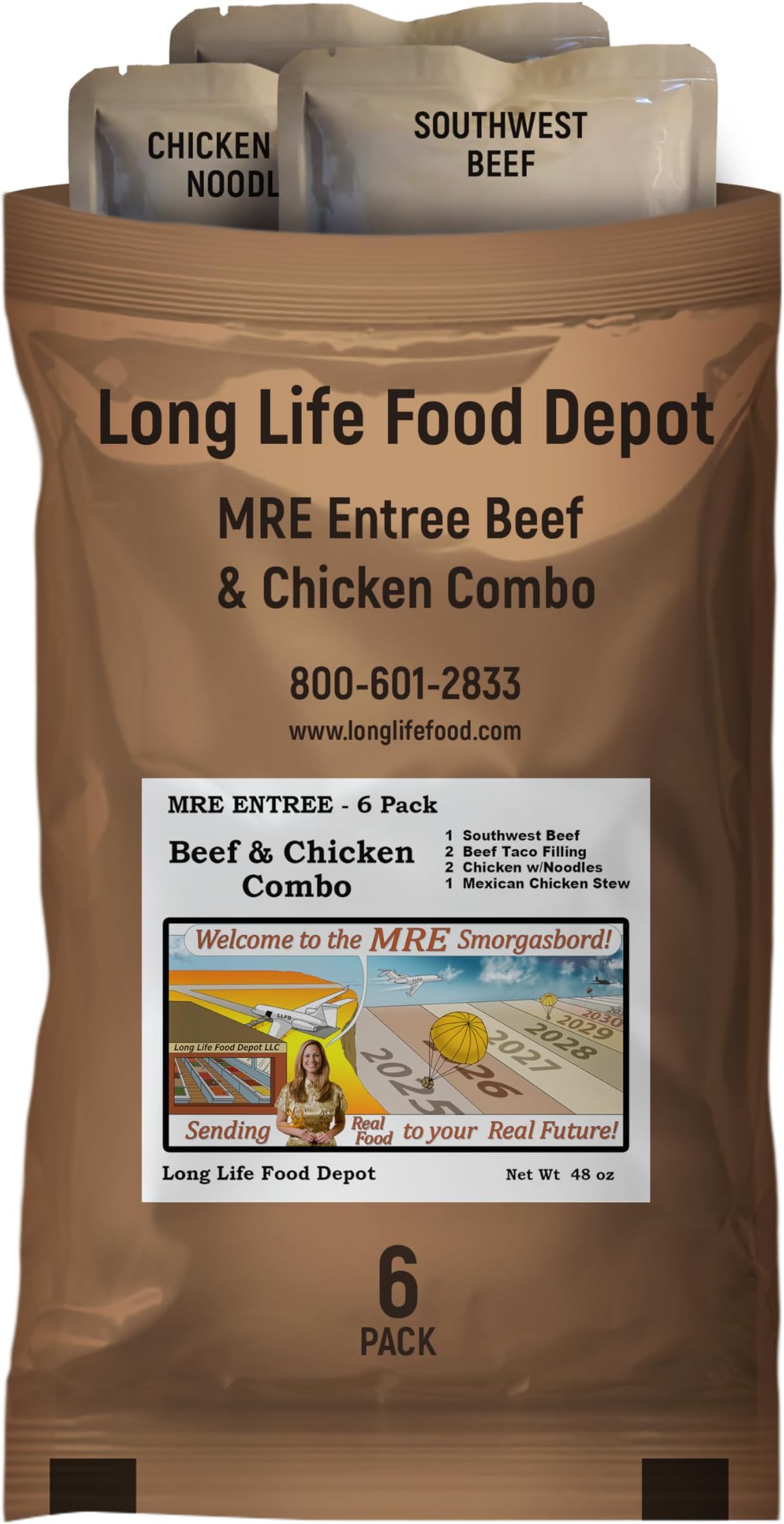
When sourcing "mres food" in 2026, it is vital to distinguish between genuine Department of Defense (DoD) surplus and civilian-market MREs. While civilian versions like those from Sopakco or AmeriQual often use the same production lines as military contracts, there are key differences in component count and caloric density.
Military-issue MREs (Case A and Case B) generally contain more accessory items, including candies, high-calorie spreads (like fortified peanut butter), and heaters. Civilian MREs are often sold in "reduced" formats to lower the price point, sometimes omitting the heater or certain side dishes. In 2026, a "full-spec" civilian MRE should provide at least 1,100 calories per bag to be considered a viable survival tool. Beware of "MRE-style" meals that only offer 600-800 calories, as these are insufficient for high-stress emergency scenarios.
Technical Nutritional Strategy and Health Considerations
The nutritional profile of an MRE is intentionally skewed toward high fat, high carbohydrate, and high sodium content. While this is often criticized by casual consumers, it is a technical requirement for survival food.
- Sodium Content: Standard 2026 MREs contain roughly 2,000mg to 3,000mg of sodium per meal. This is designed to replace electrolytes lost through heavy sweating and physical exertion.
- Fiber Management: A common issue with older rations was "ration-induced constipation." In 2026, modern menus have integrated higher levels of soluble fiber into breads and snacks to mitigate this risk.
- Glycemic Index: Most 2026 rations use complex carbohydrates to provide sustained energy release rather than simple sugar spikes, preventing the "crash" that can be dangerous in survival situations.
- Vitamin Stability: Because vitamins like C and B12 degrade over time, 2026 formulations use over-fortification. The initial vitamin levels are set 20-30% higher than the Daily Value to ensure that, even after three years of storage, the consumer still receives 100% of the required nutrients.
Step-by-Step Guide: How to Properly Prepare a 2026 MRE
While the concept is "Ready-to-Eat," the palatability and nutritional absorption are greatly improved by following the correct heating and preparation sequence.
- Inspect the Outer Pouch: Ensure the thick polyethylene bag is not bloated or punctured. A bloated bag indicates bacterial growth (botulism risk) and must be discarded.
- Activate the FRH: Open the Flameless Ration Heater pouch and add water to the fill line. Do not overfill, as this can "drown" the chemical reaction and produce less heat.
- Insert the Entrée: Slide the sealed entrée pouch into the heater bag. Place it back inside the cardboard carton (the "sleeper") to insulate the heat.
- Lean to Heat: Lean the carton against a "rock or something" (a classic military term) to allow the steam to circulate. Wait 10 to 12 minutes.
- Knead the Pouch: Before opening, knead the heated pouch to distribute the heat evenly through the food.
- Hydrate the Beverage: Use the included beverage bag to mix your electrolyte or caffeine drink. Proper hydration is required to process the high sodium content of the meal.
Expert Insight: Troubleshooting and Failure Remedies
In 2026, the most common failure point for MREs remains improper storage and the failure of the Flameless Ration Heater. If your FRH fails to activate (often due to being past its 5-year chemical shelf life), you can still heat the retort pouch in boiling water or even use engine heat from a vehicle. Never place the retort pouch directly into an open flame, as the aluminum layer will melt and the contents will explode.
If you find yourself with an MRE that is slightly past its inspection date, check the Time-Temperature Indicator (TTI). The TTI is a small sticker found on some cases that darkens as it is exposed to heat. If the inner circle is darker than the outer circle, the food should be discarded regardless of the date.
Frequently Asked Questions
Are MREs safe for children or the elderly to eat in an emergency?
MREs are generally safe for all ages, but the high sodium and caloric density should be monitored for those with hypertension or kidney issues. For children, a single MRE can often be split into two meals, as the 1,300-calorie count is designed for an active 180-lb adult.
Can I eat MREs every day for a long period?
Military guidelines suggest that MREs should not be the sole source of nutrition for more than 21 consecutive days. While they are nutritionally complete, a lack of fresh whole foods can lead to minor digestive issues and "food fatigue," which can negatively impact morale in a survival situation.
How do I know if an MRE has gone bad without opening it?
Look for "bloating" of the outer or inner pouches, which indicates gas production from bacteria. Additionally, if the package has a rancid smell upon opening or if the color of the food has changed drastically (e.g., greyish meat), do not consume it.
Do 2026 MREs include vegetarian or vegan options?
Yes, the 2026 military menu rotation includes several vegetarian options, such as Cheese Tortellini and Pasta with Marinara. Truly vegan MREs are rarer in military surplus but are becoming a standard offering in the 2026 civilian survival market to accommodate diverse dietary needs.
Is the water used in the heater safe to drink?
No, the water inside the heater pouch after activation contains magnesium and iron byproducts. It is non-potable and should be disposed of carefully. Do not allow it to come into contact with your skin or eyes while it is steaming.
Preparing Your 2026 Emergency Cache
As we move through 2026, the necessity of a reliable food supply cannot be overstated. MREs offer a unique combination of durability, nutritional density, and ease of use that other food storage options—like bulk grains or canned goods—cannot match. When building your "mres food" inventory, focus on purchasing cases from reputable manufacturers that provide clear inspection dates and TTI stickers.
By understanding the technical specifications of 2026 ration technology, from the chemistry of the FRH to the thermodynamics of retort packaging, you can ensure that your emergency preparations are based on science rather than guesswork. Invest in a climate-controlled storage solution today to protect your investment for the years to come.