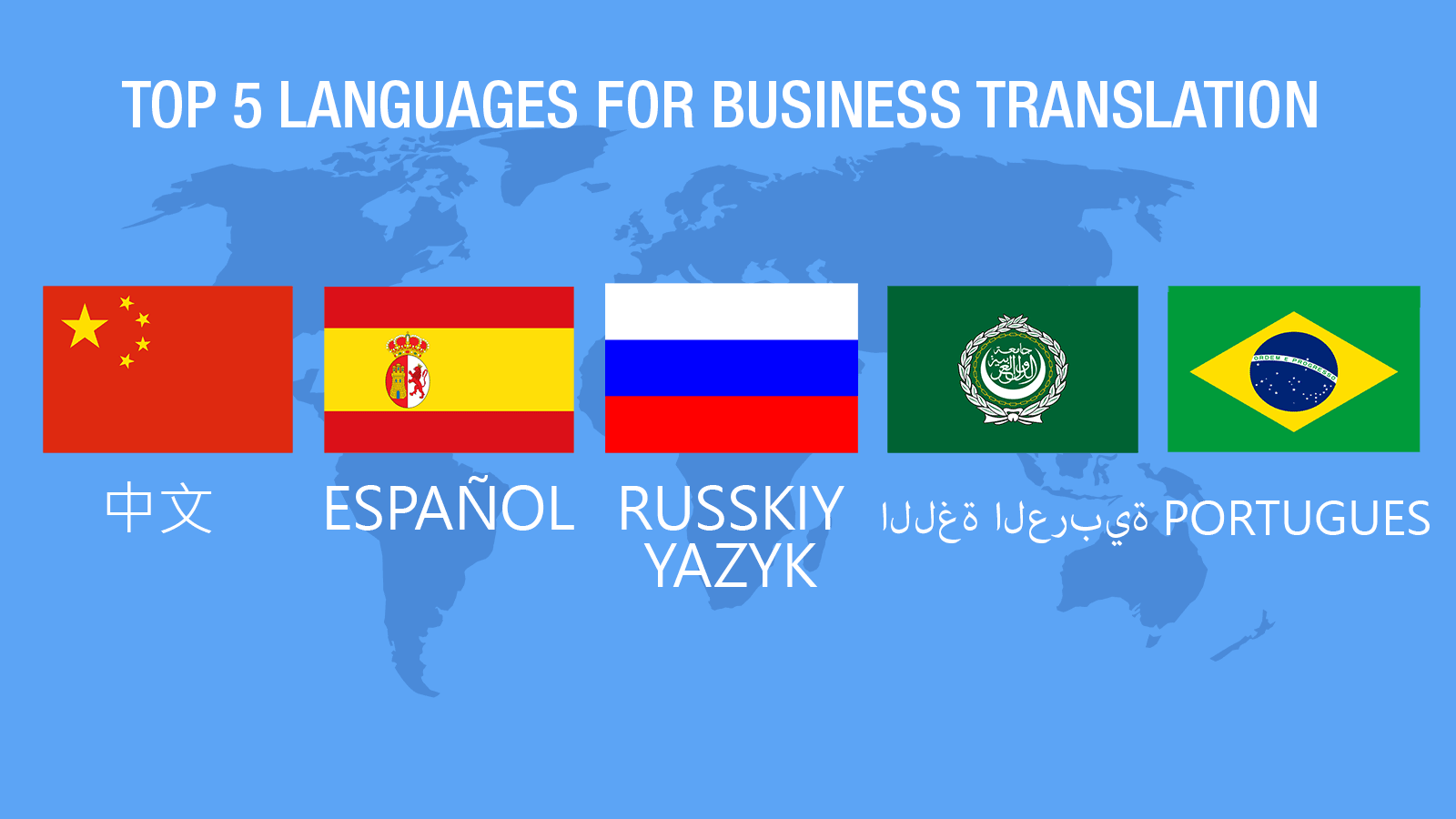
English remains the undisputed primary lingua franca of global business, but Mandarin Chinese, Spanish, Arabic, French, German, and Portuguese are critical for strategic trade and cross-border investment. Choosing the most useful language depends on targeted geographic trade corridors, supply chain dependencies, regional market expansion, and access to sovereign capital funds across emerging and established economies.
Core Economic Drivers Determining Business Language Utility
Evaluating the utility of a foreign language for international commerce requires analyzing structural economic metrics rather than simple speaker counts. While total native speakers indicate market size, cross-border business value is driven by gross domestic product (GDP), foreign direct investment (FDI) inflows and outflows, export complexity, and regulatory framework requirements.
| Economic Weight (GDP & Output) | Trade Corridor High-Volume Flow | Demographics & Growth Emerging Markets | Capital & Investment |
|---|
Language dominance in trade functions across two primary tiers: macro-level financial communication and micro-level operational integration. At the macro level, international contracts, cross-border debt issuances, and institutional investment syndications are predominantly executed in universal trade languages. At the micro level—such as managing local supply chains, securing regulatory licenses, conducting ground-level due diligence, and negotiating with regional distributors—business success hinges on fluency in regional trade languages.
Furthermore, economic shifts such as supply chain diversification, industrial nearshoring, and energy transition investments continuously redefine language priorities. Corporations expanding into high-growth regions must align their linguistic capabilities with long-term regional trade policy, infrastructure investments, and foreign investment capital flows.
Primary Global Business Languages for Trade and Investment
1. English: The Universal Standard for Capital Markets and Legal Commerce
English is the foundational language of global business. It dominates international financial markets, corporate governance, aviation, maritime shipping, and cross-border contract law. Even when transactions occur between non-Anglophone countries—such as a Japanese institution investing in a Dutch logistics hub—English typically serves as the governing language for commercial documentation and arbitration agreements.
For cross-border mergers and acquisitions (M&A) and international capital raising, English proficiency is mandatory. However, relying exclusively on English can create blind spots in regional markets where local regulations, vendor negotiations, and consumer engagements operate entirely in regional official languages.
2. Mandarin Chinese: Manufacturing, Global Supply Chains, and Infrastructure Investment
Mandarin Chinese represents the second-largest economic language footprint worldwide. As a central hub for industrial manufacturing and global trade, China remains deeply integrated into Asian and global value chains. Mandarin is essential for executives managing direct supplier relationships, supply chain logistics, joint ventures, and technology hardware sourcing across East Asia.
Beyond mainland China, Mandarin is an official language in Singapore—a primary financial and investment hub in Southeast Asia—and is widely used in commercial networks across Asia-Pacific trade corridors. Mandarin fluency provides a competitive advantage when navigating regional joint-venture structures, complex supply networks, and sovereign-backed infrastructure projects.
3. Spanish: Cross-Border Commerce across North and South America
Spanish serves as the primary language for over 20 countries, making it indispensable for trade and investment across the Americas and Western Europe. Driven by nearshoring trends, multinational firms are increasingly shifting production to Latin American hubs like Mexico. Spanish fluency is critical for executing industrial investments, managing regional operations, and accessing expanding consumer markets across Latin America.
In North America, Spanish is heavily integrated into commercial trade due to deep economic interdependencies fostered by agreements like the USMCA (United States-Mexico-Canada Agreement). Companies engaging in logistics, real estate investment, agricultural trade, and consumer goods in the Western Hemisphere derive significant ROI from Spanish business proficiency.
4. Arabic: Sovereign Wealth, Energy Markets, and Middle Eastern Capital
Arabic is the strategic language of the Gulf Cooperation Council (GCC) states—including Saudi Arabia, the United Arab Emirates, Qatar, and Kuwait—as well as North Africa. The GCC region manages trillions of dollars in sovereign wealth funds, leading major global investments in technology, renewable energy, commercial real estate, and infrastructure.
While high-level institutional finance in the Gulf often uses English, conducting direct negotiation, navigating government procurement, building strategic partnerships, and securing regulatory approvals benefit from business-level Arabic. Arabic fluency signals long-term commitment, building essential trust in regional business relationships.
5. French: West African Expansion and European Institutional Trade
French is an official language in 29 countries and remains a major force in international trade, particularly across West and Central Africa, parts of Europe, and Canada (Quebec). Africa hosts many of the world's fastest-growing economies, and regions belonging to the West African Economic and Monetary Union (UEMOA) and the Central African Economic and Monetary Community (CEMAC) utilize French as their primary commercial and legal language.
Investors targeting African infrastructure, mining, telecommunications, banking, and energy sectors encounter French regulatory frameworks and legal systems based on civil law. In Europe, French remains a primary operational language for European Union regulatory bodies, multilateral banking institutions, and diplomatic trade missions.
6. German: Advanced Engineering, Industrial Manufacturing, and Central European Trade
German is the most widely spoken native language in the European Union and acts as the economic engine of Central and Eastern Europe. Germany, Austria, and Switzerland (the DACH region) form an industrial powerhouse specializing in advanced machinery, automotive engineering, chemical manufacturing, and precision technology.
In Central and Eastern European trade networks, German serves as a widespread second business language. Multinational firms establishing industrial partnerships, acquiring Mittelstand manufacturing companies, or integrating into European industrial supply chains derive strong operational benefits from German business proficiency.
7. Japanese and Portuguese: Strategic Niche Growth and Resource Markets
- Japanese: Japan represents one of the world's largest developed economies and a massive source of foreign direct investment worldwide. Japanese language capability is crucial for cross-border M&A, high-tech research partnerships, automotive supply chains, and institutional private equity investments originating from Tokyo.
- Portuguese: Driven by Brazil's vast economy—a leader in agriculture, renewable energy, mining, and aerospace—Portuguese is a major business language in South America. Additionally, Portuguese provides access to fast-growing Lusophone African markets such as Angola and Mozambique, which attract significant international natural resource investments.
Comprehensive Language Evaluation Matrix for Global Commerce
The matrix below compares key business languages based on economic impact, regional reach, primary industry focus, and execution complexity for international business operators.
| Language | Primary Economic Blocs / Regions | Key Industry Strengths | Primary Business & Investment Drivers | Relative Acquisition Difficulty (for English Speakers) |
|---|---|---|---|---|
| English | Global / North America / Europe / Asia-Pacific | Institutional Finance, Aviation, Tech, Law | Global reserve currency trade, cross-border legal contracts, capital markets | Baseline / Native |
| Mandarin Chinese | East Asia / Greater China / ASEAN corridors | Electronics, Manufacturing, Hardware, Energy | Global supply chain integration, East Asian consumer markets, infrastructure | High (Category IV) |
| Spanish | Latin America / USMCA / Iberian Peninsula | Nearshoring Manufacturing, Agribusiness, Real Estate | Latin American trade integration, regional logistics, consumer expansion | Moderate (Category I) |
| Arabic | GCC States / Middle East / North Africa | Sovereign Capital, Energy, Real Estate, Logistics | Sovereign wealth deployment, infrastructure, energy transition investments | High (Category IV) |
| French | West & Central Africa / EU / Canada | Mining, Infrastructure, Banking, Luxury Goods | Emerging African consumer markets, civil law legal compliance, EU policy | Moderate (Category I) |
| German | EU / DACH Region / Central Europe | Industrial Engineering, Chemicals, Precision Equipment | European industrial core, B2B manufacturing, high-tech R&D | Moderate-Low (Category II) |
| Japanese | East Asia / Global Outbound Investment | Automotive, Advanced Tech, Robotics, Life Sciences | Outbound capital allocation, technology transfers, joint ventures | High (Category IV) |
| Portuguese | Brazil / Portugal / Lusophone Africa | Agribusiness, Renewable Energy, Mining, Offshore Energy | Brazilian resource markets, Latin American trade, African energy | Moderate (Category I) |
Regional Trade Corridors and Strategic Language Selection
Choosing the right business language requires mapping your organization's specific regional trade corridors, vendor locations, and target investment destinations.
- Regional Trade Corridors & Languages
- Asia-Pacific Trade Hubs: Mandarin, Japanese, English
- Inter-American / USMCA Hubs: English, Spanish, Portuguese
- EMEA & Sovereign Wealth Hubs: Arabic, French, German, English
Asia-Pacific Trade Hubs
The Asia-Pacific region is driven by complex manufacturing supply chains and high regional consumption. While English is standard in regional financial centers like Singapore and Hong Kong, Mandarin Chinese is critical for operational integration across mainland China and regional supplier networks. For businesses investing in specialized technology, advanced materials, or consumer electronics, pairing Mandarin with Japanese or Korean provides comprehensive coverage across East Asian supply chains.
Inter-American and Nearshoring Corridors
Trade across North and South America is heavily influenced by supply chain restructuring and nearshoring strategy. The integration of manufacturing between the United States, Mexico, and Canada makes Spanish the premier secondary language for Western Hemisphere business. Companies relocating production facilities from Asia to North American trade zones require Spanish-fluent operations leaders to navigate local labor regulations, supplier contracting, and facility management. Further south, Portuguese offers localized access to Brazil's extensive natural resources and financial technology ecosystem.
Europe, Middle East, and Africa (EMEA) Corridors
The EMEA macro-region features diverse linguistic environments.
- Central and Western Europe: German and French dominate industrial production and EU regulatory policy.
- The GCC and Middle East: Arabic opens direct channels to sovereign capital, state-owned enterprises, and energy project developers.
- Sub-Saharan Africa: French provides regulatory access across UEMOA and CEMAC trade blocs, while English serves Anglophone hubs such as Nigeria, Kenya, and South Africa.
Operational Integration and ROI of Corporate Multilingualism
Deploying target language capabilities within an international business strategy yields measurable economic returns. While digital tools and automated translation streamline basic communication, high-stakes commercial execution requires deep cultural and linguistic nuance.
| Commercial Negotiations | Regulatory Compliance | Risk Management & Audits |
|---|---|---|
| Faster deal execution | Smoother local permits | Ground-level diligence |
Direct Contract Negotiations and Deal Velocity
Relying entirely on third-party translators during high-stakes commercial negotiations can slow deal velocity and introduce misunderstandings. In-house executives fluent in the counterparty’s native language can capture subtle verbal cues, identify unstated concerns, and adapt bargaining strategies in real time. This capability accelerates deal closure and prevents costly contractual oversights.
Regulatory Compliance and Legal Risk Management
Navigating foreign investment frameworks, tax codes, and labor laws requires reviewing primary legal texts in their original languages. In jurisdictions governed by civil law, translated legal summaries often miss technical nuances. Language-fluent legal counsel and risk management teams ensure accurate compliance, preventing regulatory fines, permit delays, and commercial disputes.
Ground-Level Vendor Management and Due Diligence
Conducting due diligence on foreign acquisition targets or joint-venture partners demands direct engagement with site managers, local auditors, and operational staff. Local language fluency enables audit teams to verify operational metrics directly, inspect facilities without reliance on curated vendor summaries, and build authentic partnerships with local leadership.
Strategic Steps to Implement an International Language Capability
Organizations seeking to maximize their cross-border expansion should follow a structured approach to integrating language capabilities into their operational framework:
- Map Trade and Capital Corridors: Identify current and projected top five international markets by revenue, supply chain spend, and foreign investment target locations.
- Conduct an Internal Language Audit: Assess existing multilingual capabilities across executive leadership, legal, procurement, and risk management teams.
- Target Talent Acquisition: Integrate specific business language requirements into job requisitions for key international management, procurement, and business development roles.
- Deploy Hybrid Translation Technologies: Pair enterprise-grade automated translation tools for routine documentation with professional human oversight for contracts, legal filings, and high-value marketing.
- Establish Regional Operational Hubs: Situate regional offices in primary commercial centers (e.g., Singapore for Mandarin/English, Mexico City for Spanish, Dubai for Arabic, Frankfurt for German) to embed teams within local business environments.
Frequently Asked Questions
What is the single most valuable language to learn for international trade?
English remains the most valuable universal language for global trade, serving as the standard for international contracts, cross-border banking, aviation, and corporate governance. However, adding a regional powerhouse language—such as Mandarin Chinese for supply chains or Spanish for North and South American commerce—delivers a major competitive advantage in targeted markets.
Will artificial intelligence replace the need for business language skills?
AI translation tools excel at processing written documentation and routine emails, but they cannot replace the interpersonal trust, real-time negotiation adaptability, and cultural awareness required for high-stakes business deals. Executive language fluency remains essential for relationship building, strategic negotiations, and direct ground-level risk assessments.
How does supply chain nearshoring impact demand for business languages?
Nearshoring increases demand for regional trade languages along shifting supply lines. As manufacturing expands in Latin America and Eastern Europe, business fluency in Spanish, Portuguese, and regional European languages becomes vital for managing localized operations, navigating regional regulations, and overseeing local supplier networks.
Which regional language offers high growth potential for investors in emerging markets?
French and Arabic present high growth potential. French provides operational access to fast-growing economies across West and Central Africa, while Arabic opens direct investment channels into sovereign wealth funds and large-scale infrastructure projects across the Middle East.
Is learning Mandarin essential for doing business in Asia?
While English is widely used in Asian financial hubs like Singapore and Hong Kong, business-level Mandarin is valuable for managing supply chains, executing joint ventures, and conducting direct operations across Greater China and regional manufacturing networks in East Asia.
Executing a Target Language Strategy for International Growth
Building cross-border trade and investment capabilities requires aligning linguistic assets with long-term commercial goals. Organizations expanding internationally should avoid treating language skills as an afterthought, integrating them directly into corporate strategy, talent acquisition, and market-entry planning.
To establish an effective enterprise language strategy:
- Align Language Skill Acquisition with Capital Allocation: Focus language development resources on countries receiving major capital expenditures or supply chain relocation over the next three to five years.
- Embed Fluent Professionals in Key Roles: Ensure procurement lead positions, regional managing directorships, and legal compliance teams possess native or professional-level proficiency in target market languages.
- Combine Technology with Human Nuance: Use secure AI tools for high-volume document screening, while relying on fluent professionals for final negotiations, partnership building, and contract execution.
By embedding targeted business language capabilities into corporate operations, firms improve deal execution speed, minimize regulatory risk, and build resilient global trade networks.