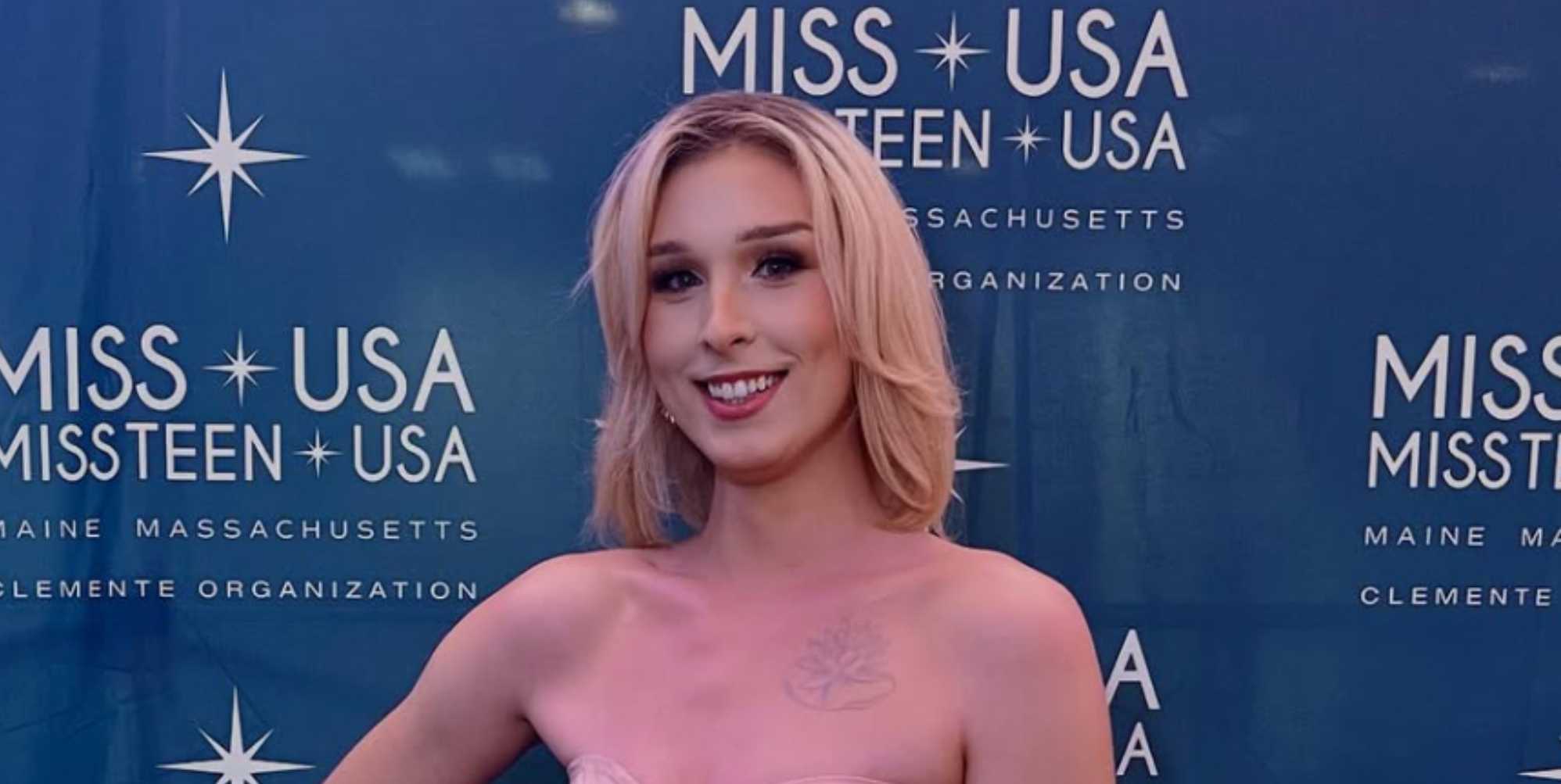
Predicting the winner of Miss USA relies on analyzing a state delegate’s performance across closed-door interviews, preliminary stage competitions, runway presence, and public speaking articulate under pressure. By combining historical state performance trends with real-time preliminary evaluations, pageant analysts construct ranked prediction lists, commonly known in pageant analytics as "Hot Picks" or leaderboards.
The Mechanics of Miss USA Scoring and Evaluation
To make an accurate Miss USA prediction, analysts must first understand the official scoring structure of the pageant. The Miss USA competition is not merely a television spectacle; it is a multi-day assessment designed to select a spokesperson capable of representing the United States at the Miss Universe pageant and performing year-round promotional work.
The selection process is divided into two primary phases: the preliminary competition and the final live broadcast. During the preliminaries, every state delegate competes in three core areas:
- Closed-Door Interview: Delegates sit individually with the preliminary judging panel for a brief, intensive interview. Judges evaluate the contestant's communication skills, authenticity, intelligence, and readiness to handle national press.
- Activewear / Swimsuit Competition: Judges evaluate physical fitness, posture, stage confidence, personal presentation, and overall health.
- Evening Gown Competition: Focuses on elegance, posture, poise, garment choice, fit, and stage presence.
Scores from these three preliminary categories are tallied to determine the semifinalists (typically a Top 16 or Top 20). On the night of the live final broadcast, scores are reset to zero. The advancing semifinalists repeat live stage competitions, after which the field is narrowed to a Top 5. The final placements are determined almost entirely by the live On-Stage Question and Final Statement rounds, where composure under extreme pressure becomes the decisive metric.
Core Analytical Factors Used in Miss USA Predictions
Professional pageant commentators, betting oddsmakers, and seasoned fans evaluate delegates using specific indicators rather than personal preference alone. Isolating these factors allows analysts to produce objective rank predictions.
| Key Predictive Factors for Miss USA |
|---|
| 1. Closed-Door Interview Impact (Public Speaking & Platform Clarity) |
| 2. Preliminary Stage Presentation (Runway Walk & Garment Fit) |
| 3. Historical State Performance Trends ("Sash Weight") |
| 4. On-Stage Composure & Spontaneous Eloquence |
| 5. Professional Experience & Public Advocacy Alignment |
1. Interview Performance and Public Advocacy
The closed-door interview historically accounts for a significant weight in determining which delegates break into the initial cut. Analysts listen closely to candidate introduction videos, podcasts, and media appearances preceding pageant week. A delegate who communicates concise, memorable points without sounding rehearsed typically scores high marks from judges seeking a media-ready spokesperson.
2. Runway Technique and Stage Presence
Preliminary stage performance serves as the primary visual benchmark for prediction charts. Analysts evaluate a candidate's walk—specifically rhythm, posture, eye contact, and transition fluidness. A contestant who commands the stage in both activewear and evening gown without appearing over-choreographed demonstrates the natural charisma necessary to stand out on a crowded stage.
3. Historical State Trends ("Sash Weight")
In pageant terminology, "sash weight" refers to the historical success rate of specific state organizations. States like Texas, California, Hawaii, Maryland, and Oklahoma historically produce delegates who consistently place in the Top 5. While judges are instructed to evaluate individual contestants, delegates from powerhouse state pageants often benefit from top-tier preparation, wardrobe styling, and public speaking coaching.
4. Adaptability and Composure Under Pressure
The final deciding factor between a runner-up and the winner is performance during the impromptu Q&A session. Predictive modeling must account for a candidate's ability to digest complex social or global questions and deliver an articulate, balanced answer within a strict 30-second window.
Comparing Miss USA Evaluation Metrics and Predictive Indicators
Evaluating delegates requires differentiating between high-visibility elements, such as social media popularity, and low-visibility elements, such as judge room chemistry. The following table breaks down the key evaluation phases, their structural impact on placements, and their reliability when constructing predictions.
| Evaluation Phase | Primary Scoring Elements | Influence on Initial Semifinal Cut | Predictive Visibility | Main Analytical Risk |
|---|---|---|---|---|
| Closed-Door Interview | Personality, articulate speech, platform clarity, professional background | Very High | Low (Off-camera / behind closed doors) | High reliance on second-hand reports and pre-pageant media interviews. |
| Preliminary Activewear/Swimsuit | Stage posture, physical fitness, walk cadence, confidence | High | High (Streamed live prior to finals) | Overestimating candidates with strong physiques who lack interview strength. |
| Preliminary Evening Gown | Carriage, garment fit, color coordination, stage presence | High | High (Streamed live prior to finals) | Judging gown price or design over the candidate’s actual poise and movement. |
| Live On-Stage Question | Spontaneous delivery, critical thinking, composure, clarity | Decisive for Top 5 / Winner | High (Broadcast live) | Unpredictability; highly capable candidates can freeze under pressure. |
| Final Statement & Look | Final impression, brand alignment, poise during lock-out | Decisive for Winner Selection | High (Broadcast live) | Subjective judge preference shifts during the final seconds of the show. |
Where to Find and Track Credible Miss USA Leaderboards
Pageant prediction tracking relies on several recognized media outlets, analytical portals, and expert consensus lists. Engaging with multiple sources helps synthesize a balanced forecast before the live broadcast.
Established Pageant Media Portals
Major pageant commentary outlets publish updated ranking lists leading up to the preliminary and final shows:
- Missosology: Known for publishing international and national "Hot Picks" generated by a global panel of beauty pageant analysts.
- Global Beauties: Features comprehensive coverage, historical statistical analysis, and expert panel consensus leaderboards.
- Sash Factor: Offers detailed breakdowns of runway performances, styling evaluations, and real-time pageant week updates.
Social Media Sentiment vs. Expert Consensus
There is often a wide divergence between public fan votes and expert prediction charts. Fan votes tend to favor contestants with large social media followings, active local campaign teams, or viral online content. Expert predictions prioritize performance criteria—such as voice control, stage projection, and gown selection—that closely reflect official judging rubrics. Accurate predictions require filtering out social media volume and focusing on live-streamed preliminary rounds.
Step-by-Step Methodology for Building Your Own Prediction List
To construct an analytical prediction list for an upcoming Miss USA pageant, follow a systematic four-step process.
- Step 1: Conduct Pre-Pageant Audits (Review Bio, Interview Clips, & Advocacy)
- Step 2: Evaluate Preliminary Broadcasts (Score Activewear & Evening Gown)
- Step 3: Analyze Sash Weight & Historical Performance Data
- Step 4: Formulate Final Leaderboard & Test for Live Q&A Stress Factors
Step 1: Pre-Pageant Candidate Audits
Review official delegate bios published by the Miss USA Organization. Assess each contestant's professional achievements, educational background, personal brand, and community advocacy work. Watch state-level competition footage and local news interviews to establish a baseline for their natural speaking ability.
Step 2: Evaluate Preliminary Broadcast Performance
Watch the official live-streamed preliminary competition. Assess candidates on a standardized 1 to 10 scale across two distinct categories:
- Technical Runway Skill: Look for balanced strides, clean turns, controlled arms, and natural facial expressions.
- Styling and Wardrobe Selection: Verify that the evening gown flatters the candidate's proportions and moves smoothly on stage without requiring constant adjustment.
Step 3: Apply Historical and Organizational Context
Adjust candidate scores slightly based on preparation quality. State organizations that consistently produce semifinalists often provide top-tier wardrobe consulting and mock interview training, reducing the likelihood of stage mistakes.
Step 4: Finalize Your Semifinal Tiering
Group candidates into clear performance tiers rather than strict linear lists:
- Lock Semifinalists: Delegates who excelled across all preliminary areas and demonstrate top-tier communication skills.
- On-the-Bubble Candidates: Delegates with exceptional stage presence whose placement depends heavily on their unobserved closed-door interview scores.
- Dark Horses: Delegates who may have lacked pre-pageant publicity but delivered standout, flaw-free preliminary performances.
Common Pitfalls and Biases in Pageant Forecasting
Even experienced pageant analysts encounter missteps when building prediction models. Avoiding common analytical errors improves prediction accuracy significantly.
1. Overvaluing Studio Photography Over Live Video
Professional pageant headshots are heavily retouched and styled under controlled lighting. Relying on promotional photos to judge candidate readiness leads to inaccurate predictions. Always base stage evaluation on unedited video footage from preliminary arrivals, rehearsals, and live competitions.
2. Confusing Personal Preference with Judicial Criteria
A common error is selecting personal favorites based on individual aesthetic preferences or geographic loyalty. Predictions must reflect the official judging criteria and the specific composition of the judging panel announced for that edition.
3. Ignoring the Impact of the Closed-Door Interview
Because the preliminary interview takes place away from public cameras, analysts often underestimate its impact. A delegate who looks exceptional on stage but lacks clear communication skills or media maturity often fails to make the initial cut, surprising casual viewers.
Frequently Asked Questions
How accurate are expert pageant "Hot Picks" before the Miss USA live broadcast?
Expert prediction charts published immediately after the preliminary show generally predict 60% to 80% of the actual semifinalists correctly. However, predicting the exact winner remains difficult because the final score resets on broadcast night, making the live Q&A round the ultimate deciding factor.
What portion of the Miss USA total score comes from the preliminary interview?
While exact weight percentages vary depending on specific scoring guidelines adopted by the organization each year, the preliminary interview typically accounts for roughly one-third to one-half of the score used to determine the initial group of semifinalists.
Why do powerhouse states like Texas and California frequently place high in predictions?
States with strong pageant traditions benefit from highly competitive state-level pageants, rigorous local training, and substantial sponsorship backings. Delegates from these states often enter the national competition with advanced preparation in public speaking, styling, and stage presentation.
How does Miss USA selection differ from Miss Universe criteria?
Miss USA focuses specifically on selecting a relatable, articulate spokesperson tailored to American media markets, corporate partnerships, and national advocacy campaigns. Miss Universe evaluates global adaptability, cultural resonance, international diplomacy skills, and high-fashion stage impact.
Can public voting influence who wins the Miss USA crown?
Public voting usually guarantees one or two spots in the preliminary semifinal cut (the "People's Choice" delegate). However, once the semifinalists are announced on stage, public voting typically yields to the official judging panel, which determines the final Top 5 and the ultimate winner.
How to Refine Your Miss USA Predictions for the Next Pageant Season
To improve your prediction accuracy for upcoming pageants, maintain a detailed scorecard during the preliminary broadcasts rather than relying on memory. Document specific metrics such as gown fit, walk stability, and interview clarity, then compare your personal Top 16/Top 20 list against the live results announced during the broadcast.
By analyzing where your list diverged from the judges' selections—particularly regarding off-camera interview indicators versus stage presence—you can fine-tune your evaluation metrics, remove personal bias, and build far more accurate prediction charts for future competition seasons.