A Million Little Pieces is a controversial 2003 book by James Frey, originally marketed as a memoir of addiction and recovery. After becoming a bestseller through Oprah’s Book Club, it was exposed for containing significant fabrications. It remains a pivotal case study in literary ethics, truth in non-fiction, and the boundaries of memoir.
The Genesis and Meteoric Rise of James Frey’s Narrative
When A Million Little Pieces was first published by Doubleday in 2003, it arrived with the force of a cultural sledgehammer. James Frey presented himself as a "man of steel" who had survived levels of substance abuse and physical trauma that would have ended most lives. The narrative begins with Frey waking up on a plane with no front teeth and no memory of how he got there, eventually landing in a prestigious Minnesota treatment center (widely believed to be Hazelden).
The book's appeal was rooted in its visceral, stripped-down prose. Frey famously eschewed standard punctuation, using a stream-of-consciousness style that mirrored the chaotic internal state of an addict. This stylistic choice, combined with a rejection of the traditional Twelve Step "powerlessness" model, resonated deeply with a public looking for a gritty, uncompromising take on redemption. Frey positioned himself as someone who achieved sobriety through sheer force of will rather than spiritual submission, making him a unique figure in the recovery literature niche.
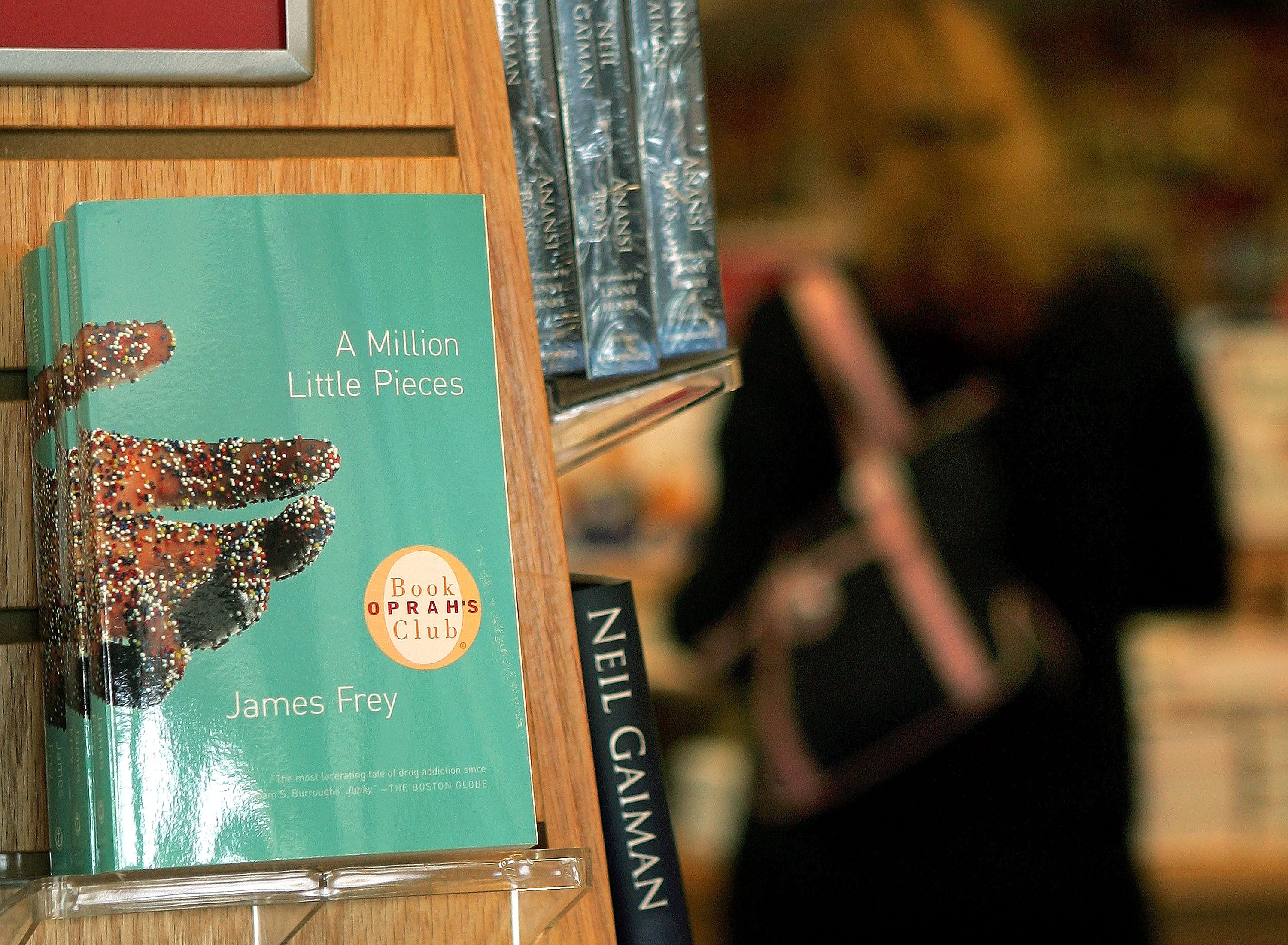
By 2005, the book had reached the ultimate height of American commercial success: it was selected for Oprah’s Book Club. Oprah Winfrey’s endorsement turned the book into a global phenomenon, selling millions of copies and keeping it at the top of the New York Times Bestseller list for fifteen weeks. At that moment, Frey was the face of the modern memoir, lauded for his "raw honesty" and "courageous" transparency.
The Smoking Gun Investigation and the Unraveling of the Truth
The downfall of Frey’s reputation began in January 2006, when the investigative website The Smoking Gun published an exhaustive report titled "A Million Little Lies." The investigation was prompted by a simple curiosity regarding Frey’s "bad boy" criminal past. Investigators attempted to find the mugshots and police records corresponding to the three months of jail time Frey claimed to have served for hitting a police officer with his car and inciting a riot.
What they found was far more damaging than a few minor discrepancies. The investigation revealed that Frey had never spent more than a few hours in a police station for a minor incident involving driving under the influence. The dramatic "87 days in jail" was a total fabrication. Furthermore, the report cast doubt on several other pillars of the story:
- The Root Canal: Frey claimed to have undergone multiple root canals without anesthesia because his "addict brain" would not allow for painkillers. Medical professionals and records suggested this was not only biologically improbable but factually untrue.
- The High School Accident: Frey’s involvement in a tragic car accident that killed two high school girls was revealed to be significantly embellished to increase his perceived "brokenness" and guilt.
- The Criminal Record: The "most wanted" status Frey described in various states did not exist.
The Smoking Gun’s report Million Little Lies forced the literary world to reckon with a fundamental question: how much "truth" is required in a book labeled "non-fiction"?
The Oprah Confrontation and Public Backlash
Initially, Oprah Winfrey defended Frey, calling into Larry King Live to state that the "essential truth" of the book remained intact regardless of factual discrepancies. However, as the scale of the deception became undeniable and the public outcry grew, Winfrey changed her stance. She felt personally betrayed and professionally compromised, as her brand was built on a foundation of authenticity.
On January 26, 2006, Frey appeared on The Oprah Winfrey Show for what would become one of the most famous segments in television history. Instead of a standard interview, Winfrey conducted a televised interrogation. She famously told Frey, "I feel duped. But more importantly, I feel that you betrayed millions of readers." During the broadcast, Frey was forced to admit that he had lied about his criminal record, his time in jail, and various other biographical details.
This moment was a turning point for the publishing industry. It wasn't just about Frey; it was about the negligence of the publisher, Nan A. Talese (an imprint of Doubleday), who also appeared on the show. Talese argued that memoirists are often granted "creative license" to represent their memories, but Winfrey countered that if a book is sold as non-fiction, the facts must be verifiable. The fallout resulted in a massive recall, and Frey’s career was, for a time, considered over.
Fact vs. Fiction: A Comparison of Key Claims
To understand the magnitude of the fabrications, it is helpful to look at the specific claims Frey made in the text versus the evidence uncovered by investigators.
| Narrative Element | Claim in "A Million Little Pieces" | Verified Fact (Investigation) |
|---|---|---|
| Jail Time | Served 87 days for striking a police officer and inciting a riot. | Spent approximately 3 to 5 hours in custody for a DUI and minor offenses. |
| Criminal Status | Claimed to be a wanted fugitive in multiple states with a violent history. | Had no significant criminal record or outstanding warrants. |
| Dental Surgery | Underwent two hours of root canal surgery without any anesthesia. | Dental records and staff indicated local anesthesia was used. |
| High School Incident | Heavily implicated in the death of two girls in a train-car collision. | Was not in the car and was not responsible for the accident. |
| The "Lily" Character | A tragic love interest who committed suicide in the facility. | Based on a real person, but the circumstances and timing were altered. |
Legal Consequences and the "Publisher's Note"
The controversy did not end with the televised apology. In the months following the scandal, several class-action lawsuits were filed against James Frey and Random House (the parent company of Doubleday). The plaintiffs argued that they had purchased the book under false pretenses—essentially a "breach of contract" regarding the book's categorization as non-fiction.
In 2007, a settlement was reached. Random House agreed to offer a full refund to any reader who had purchased the book before the scandal broke and felt misled by the "memoir" label. To receive the refund, readers had to submit the book’s front cover or a receipt. While only a small percentage of buyers actually claimed the refund, the legal precedent was significant: it established that "non-fiction" is a label that carries consumer protection obligations.
Since 2006, all editions of A Million Little Pieces have included a "Publisher's Note" and an "Author’s Note." In these sections, Frey admits to altering his history to make the book more dramatic and "emotionally true." He acknowledges that he "embellished many details of [his] past" and that he "made a mistake" in presenting the work as a straightforward memoir. This addition effectively reclassified the book in the eyes of the public, though it continues to be shelved in the biography/memoir section in many libraries and bookstores.
The Book’s Lasting Impact on the Publishing Industry
As of 2026, the ripple effects of the Frey scandal are still felt throughout the media and publishing landscapes. Before 2006, fact-checking in memoir publishing was virtually non-existent. Publishers relied on an "honor system," assuming that authors were telling the truth about their own lives. Post-Frey, the industry underwent a "Vetting Revolution."
- Strict Fact-Checking Protocols: Major publishing houses now employ legal teams and independent fact-checkers for high-profile memoirs, particularly those involving criminal activity, medical miracles, or political controversy.
- The Rise of "Autofiction": The scandal contributed to the popularization of "autofiction"—a genre that explicitly blends autobiography and fiction. By labeling a book as autofiction, authors like Sheila Heti or Karl Ove Knausgård can explore personal truths without the burden of literal factual accuracy.
- Moral Rights and Reader Trust: The Frey case is a staple in journalism and creative writing curricula. It is used to teach students about the "contract" between the author and the reader. When that contract is broken, the aesthetic value of the work is often overshadowed by the ethical breach.
- Vetting by Organizations: Organizations like Oprah’s Book Club now perform significantly more due diligence before selecting a title, often requiring background checks on the author's history if the book is marketed as a true story.
Critical Re-evaluation: Is the Book Still Worth Reading?
Despite the scandal, A Million Little Pieces remains a fascinating text from a purely literary perspective. If one approaches it as a novel rather than a memoir, the power of Frey's prose is still evident. The book’s portrayal of the "will to live" and the excruciating reality of withdrawal remains influential in the genre of recovery literature.
However, for many readers, the knowledge of the deception remains an insurmountable barrier. The emotional weight of the book was predicated on the idea that a human being actually survived those specific, harrowing experiences. When the "87 days in jail" or the "root canal without lidocaine" are revealed as inventions, the reader's empathy can feel exploited.
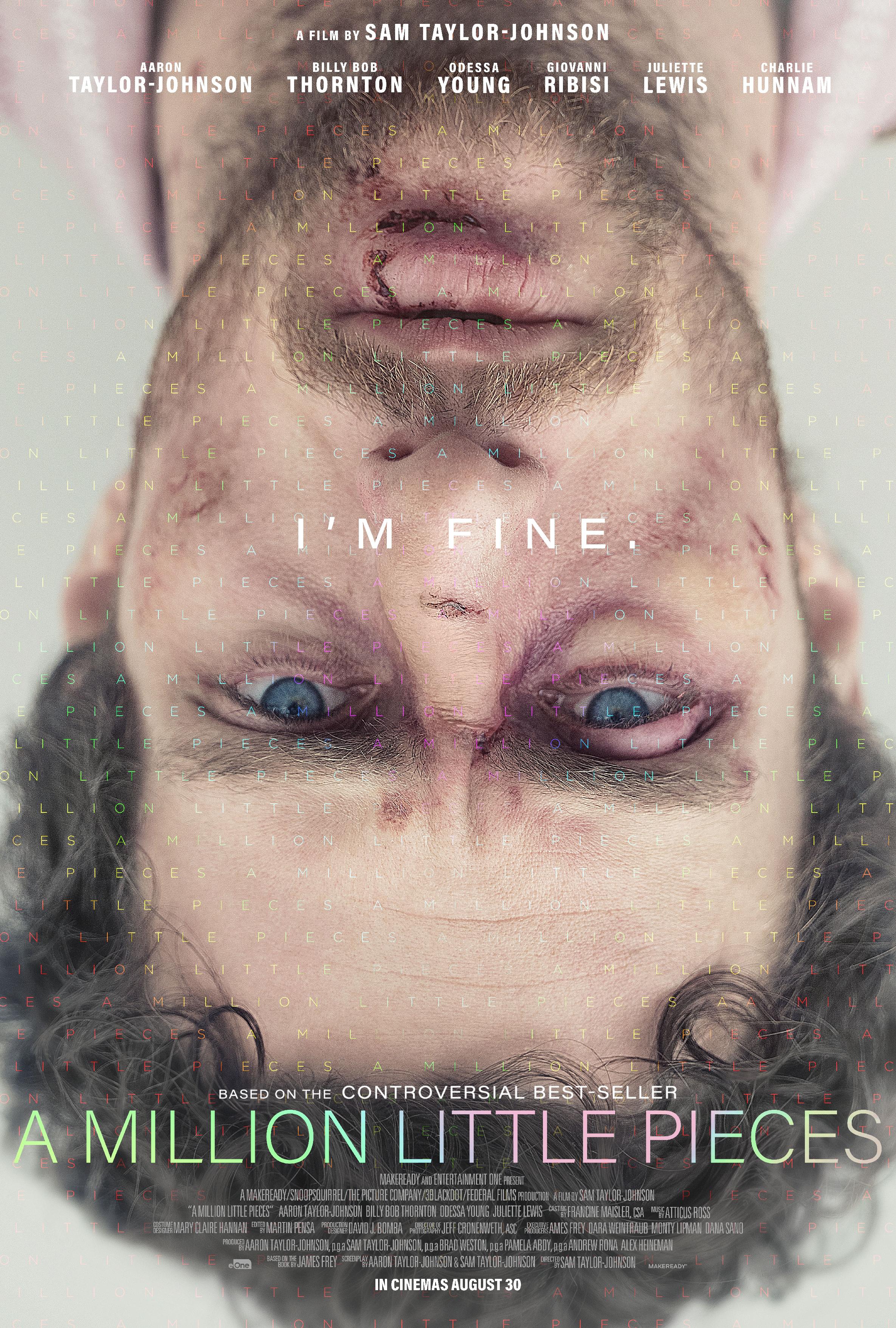
In 2018, a film adaptation directed by Sam Taylor-Johnson and starring Aaron Taylor-Johnson was released. The film was met with mixed reviews, as the cultural conversation had largely moved past the initial shock of the scandal. By 2026, Frey has continued to write, often focusing on high-concept fiction and collaborative projects (such as I Am Number Four under the pseudonym Pittacus Lore), but his name will forever be synonymous with the boundaries of truth in storytelling.
Recommendations for Further Reading and Next Actions
If you are interested in the themes of recovery or the ethics of the memoir genre, there are several ways to engage with the legacy of this book:
- Read with the Author’s Note: If you choose to read A Million Little Pieces, ensure you read the modern edition that includes Frey’s 2006 apology. This provides necessary context for the claims made in the early chapters.
- Explore "The Smoking Gun" Archive: For a masterclass in investigative research, the original report Million Little Lies is still available online and provides a detailed look at how the fabrications were uncovered.
- Compare with "Dry" by Augusten Burroughs: Published around the same time, this memoir also deals with addiction but maintains a different relationship with factual truth and dark humor, offering a compelling counterpoint to Frey's style.
- Watch the 2006 Oprah Episode: Archive footage of the confrontation Oprah and James Frey serves as a powerful historical document of the moment the "memoir" changed forever.
Frequently Asked Questions
Why did James Frey lie in "A Million Little Pieces"?
James Frey has stated in interviews and his author's note that he wanted to create a persona that matched the intensity of his internal struggle. He claimed that he didn't think anyone would care about his "real" life, so he "embellished" the facts to make the book more dramatic and impactful for readers. He essentially prioritized "emotional truth" over factual accuracy.
Was James Frey ever charged with a crime for the lies?
No, James Frey was not charged with a criminal offense for the fabrications in his book. However, he was the subject of multiple civil class-action lawsuits. The legal system generally treats book deceptions as a civil matter (consumer fraud or breach of contract) rather than a criminal one, unless the lies involve something like perjury or financial fraud against a government entity.
Is the book still classified as a memoir?
Technically, most bookstores and libraries still categorize it as "Memoir/Autobiography," but it is almost always sold with a prominent disclaimer or publisher’s note. In academic settings, it is often referred to as "fictionalized memoir" or "autofiction."
Did Oprah Winfrey ever forgive James Frey?
The relationship remained strained for years. However, in 2011, Frey returned to The Oprah Winfrey Show during its final season. Winfrey admitted that she might have been too harsh in her initial public shaming of him, and they achieved a level of reconciliation, though the professional damage to both of their reputations regarding the book club selection was permanent.
How did the scandal affect James Frey's career long-term?
While Frey's reputation as a non-fiction writer was destroyed, he successfully transitioned into a career as a fiction author and producer. He founded Full Fathom Five, a "book packaging" company that produces young adult series. Although he is no longer the "literary darling" he was in 2005, he remains a commercially successful figure in the entertainment industry as of 2026.