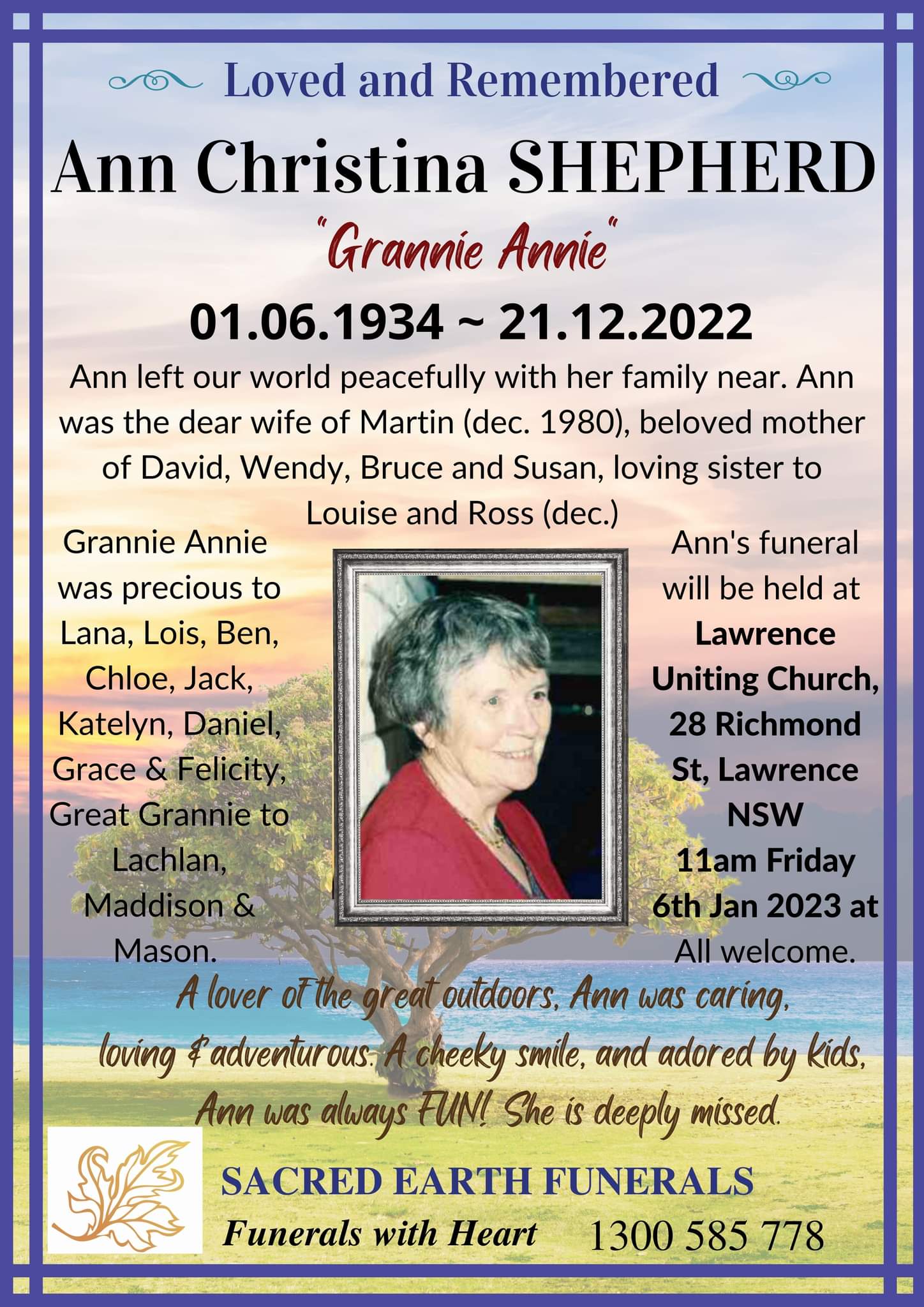
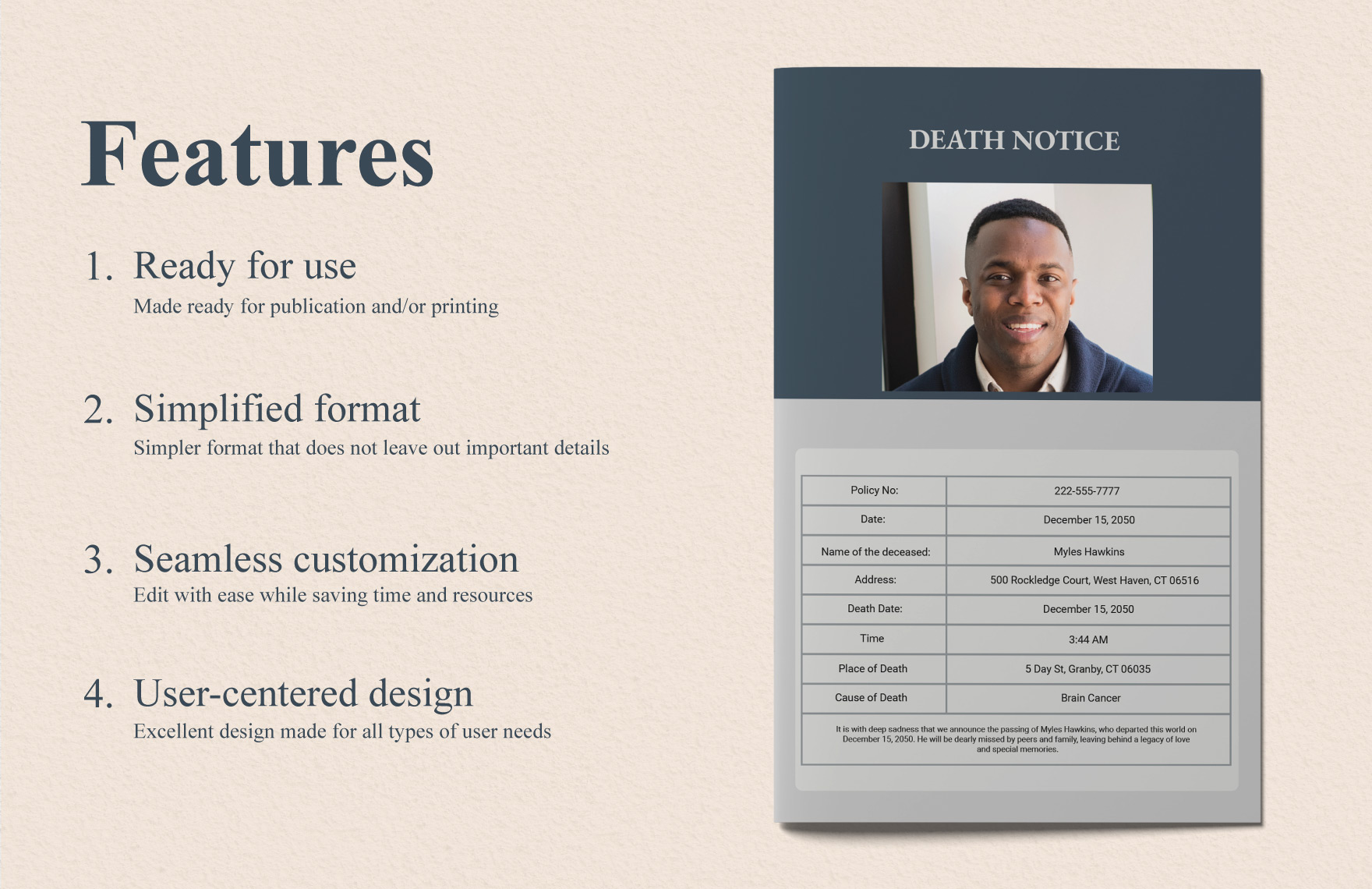
The "midwest death notice" refers primarily to the formal, often legal, announcements of a person’s passing within the twelve-state North Central region of the United States. In 2026, these notices serve a dual purpose: they fulfill the statutory requirements for probate notification in states like Illinois, Ohio, and Minnesota, while also providing a digital footprint for community mourning and genealogical record-keeping. While often confused with obituaries, a death notice is technically a classified advertisement or legal filing, whereas an obituary is a biographical narrative.
The landscape of memorialization in the Midwest has shifted significantly by 2026. Local news conglomerates have consolidated, and the integration of blockchain-verified public records has begun to influence how "proof of death" is established for estate executors. Whether you are a grieving family member, an estate attorney, or a researcher, understanding the regional nuances of the Midwest's publication standards is essential for legal compliance and historical accuracy.
The Evolution of the Midwest Death Notice Landscape in 2026
As of 2026, the Midwest has maintained its reputation for community-centric values, which reflects in the high volume of published death notices compared to coastal regions. However, the delivery method has transformed. Major regional hubs—Chicago, Detroit, Minneapolis, St. Louis, and Indianapolis—now utilize "Unified Digital Notice" platforms. These platforms ensure that a notice placed in a local paper like the Star Tribune or the Chicago Tribune is automatically indexed in the state’s centralized legal notice database.
Regional Variations in Publication Requirements
Midwestern states follow varying versions of the Uniform Probate Code (UPC), which dictates how a "Notice to Creditors" must be published. In 2026, the following standards apply to the three most populous Midwest states:
- Illinois (Cook, DuPage, and Lake Counties): Requires publication in a newspaper of general circulation within the county where the estate is being probated. In 2026, the "Digital First" act allows for notices to be valid if published on a certified county legal news website alongside a single print run.
- Ohio (Cuyahoga and Franklin Counties): Ohio maintains strict adherence to the three-week publication rule for unknown creditors. Notices must appear once a week for three consecutive weeks.
- Michigan (Wayne and Oakland Counties): Michigan has moved toward a "Centralized Probate Repository." While a death notice for memorial purposes is optional, the legal notice for claims against the estate is mandatory and must be filed through the state-approved portal.
Comparison of Publication Methods for Midwest Death Notices in 2026
The following table outlines the differences between traditional print notices, modern digital-only notices, and legal probate notices used across the Midwest region today.
| Feature | Print + Digital Package | Digital-Only Memorial | Legal/Probate Notice |
|---|---|---|---|
| Primary Purpose | Community awareness and archives | Social sharing and tributes | Legal compliance for creditors |
| Average Cost (2026) | $450 - $1,200 | $0 - $150 | $150 - $350 |
| Duration | 1-3 days print; Permanent digital | Permanent/Subscription-based | 1-3 weeks (State dependent) |
| Search Engine Indexing | High (High Authority News Sites) | Moderate (Social/Niche sites) | Low (Legal Databases) |
| Verification Level | High (Verified by Funeral Home) | Low (Self-published) | Critical (Affidavit of Publication) |
| Regional Reach | Localized to specific zip codes | Global/Unlimited | County-specific jurisdiction |
Strategic Steps for Publishing a Midwest Death Notice
When a death occurs in the Midwest, the process of notification usually begins at the funeral home, but with the 2026 "Self-Service Estate" trend, many families are managing these filings independently to reduce costs. Follow this professional workflow to ensure all regional and legal bases are covered.
1. Confirm the Legal Jurisdiction
Identify the county of residence for the deceased. In the Midwest, jurisdiction is strictly tied to the primary residence. If a resident of Madison, Wisconsin, passes away while wintering in Florida, the "Midwest death notice" for legal purposes must still be published in Dane County, Wisconsin.
2. Coordinate with a Certified Funeral Director
Most newspapers in the Midwest (such as those owned by Gannett or Lee Enterprises) will not accept a death notice directly from a private individual without verification. You must provide the funeral home's license number or a certified copy of the 2026 Electronic Death Certificate (EDC).
3. Drafting for Impact and SEO
In 2026, death notices are often used by genealogists using AI-driven search tools. To ensure the notice is findable:
- Include the full legal name and any common nicknames.
- State the precise city and neighborhood (e.g., "North Side of Chicago" or "Overland Park").
- List maiden names and former residences, as many Midwest families have deep roots across state lines (e.g., "formerly of Des Moines").
- Use keywords related to their profession or community involvement (e.g., "Retired UAW member," "Big Ten Alumnus").
4. Managing the "Affidavit of Publication"
If the notice is for probate, ensure the publisher provides a notarized Affidavit of Publication. In 2026, most Midwest courts accept "E-Affidavits" with a digital cryptographic seal. This document is the only legal proof that you have fulfilled your duty to notify creditors.
Technical Specifications and Cost Drivers
The cost of a death notice in the Midwest is determined by "lineage" or "column inches." In 2026, the average cost per line in a major metro paper like the Milwaukee Journal Sentinel is approximately $18.50 per day.
Expert Insight on Cost Containment Families can significantly reduce expenses by utilizing "Short-Form Notices." A short-form notice includes only the essential legal data: name, dates of birth/death, and service location. You can then link to a "Long-Form Digital Tribute" hosted on a free or low-cost platform. This strategy satisfies the community's need for information while avoiding the $1,000+ price tags of multi-paragraph print spreads.
Data Security and Scams
A critical concern in 2026 is "Obituary Scraping." Sophisticated bots scrape Midwest death notices to target grieving families with "estate settlement" scams.
- Pro Tip: Never include the deceased's exact home address or the maiden names of living survivors in the public notice.
- Security Measure: Use a generic "In care of" address for the funeral home or a legal representative to handle inquiries.
The Role of Archives and Genealogy in the Midwest
The Midwest is home to some of the most robust genealogical societies in the world, such as the Newberry Library in Chicago and the Wisconsin Historical Society. Death notices are the primary source of "linkage data"—connecting parents to children across generations.
In 2026, these notices are automatically ingested into the "Midwest Digital Archive Network." This means that a notice published today becomes a searchable record for future generations within 24 hours. The accuracy of the "Midwest death notice" is therefore paramount; a typo in a surname or a birth year can "orphan" a digital record, making it invisible to future AI researchers.
Pros and Cons of Digital vs. Print Notices in the Midwest
Traditional Print Notices Pros: Provides a physical heirloom; serves a demographic that may not be tech-savvy; carries higher legal "weight" in traditional probate courts. Cons: Extremely expensive; limited geographic reach; physically degrades over time.
Digital-Only Announcements Pros: Interactive (allows for video and photo galleries); instant global reach; significantly lower cost or free; searchable via major engines. Cons: Vulnerable to link rot; may be missed by older community members; may not satisfy specific 2026 "Notice to Creditor" statutes in conservative legal jurisdictions.
FAQ: Midwest Death Notices in 2026
How long after a death should a notice be published in the Midwest? Ideally, a notice should be published 3 to 5 days before the scheduled memorial service. For legal probate purposes, the notice should be published within 30 days of the executor being appointed by the court. Delaying the legal notice can extend the period that creditors have to file claims against the estate.
Can I publish a death notice in a Midwest newspaper if the person died elsewhere? Yes, this is common practice for "Midwest expats." If the deceased spent the majority of their life in a city like Cleveland or Indianapolis, families often publish a "Memoriam Notice" in the local paper even if the death occurred in a different region. This ensures the local community is informed.
Are digital obituaries legally sufficient for probate in 2026? It depends on the specific state statute. As of 2026, Iowa and Nebraska allow for digital-only legal notices if they are posted on a "Certified Legal Notice Site." However, Illinois and Ohio still generally require at least one print publication in a paper of record to satisfy the highest standard of "due diligence" for creditor notification.
What is the difference between a "Death Notice" and a "Death Certificate" in the Midwest? A death notice is a public announcement meant for the community and creditors. A death certificate is a private legal document issued by the state (e.g., the Michigan Department of Health and Human Services) that serves as official proof of the cause and timing of death. You need the certificate to authorize the notice, but they are not interchangeable.
How do I find a historical Midwest death notice from the early 1900s? In 2026, the best resource is the "Midwest Ancestry Portal," which has digitized almost 95% of regional newspapers from 1850-2020. You can search by surname and county. For notices after 2021, the records are typically found in the "Legacy Cloud" archives associated with the specific newspaper.
Final Authoritative Guidance for 2026
When managing a Midwest death notice, prioritize the legal requirements of the specific county first. While the emotional and commemorative aspects of an obituary are vital for the family, the death notice is a functional tool of the estate. In 2026, the most effective strategy is a hybrid approach: a concise, legally compliant print notice in the county paper of record, coupled with a robust, SEO-optimized digital memorial that can be shared across social networks to reach the deceased’s entire community.