The Miami-Dade criminal justice system is a sprawling, multifaceted network encompassing the Eleventh Judicial Circuit of Florida, the Miami-Dade County Clerk of Courts, and various law enforcement agencies. This guide serves to clarify procedures, terminology, and operational frameworks for those navigating the system in 2026.
Understanding the Jurisdictional Structure of the Eleventh Judicial Circuit
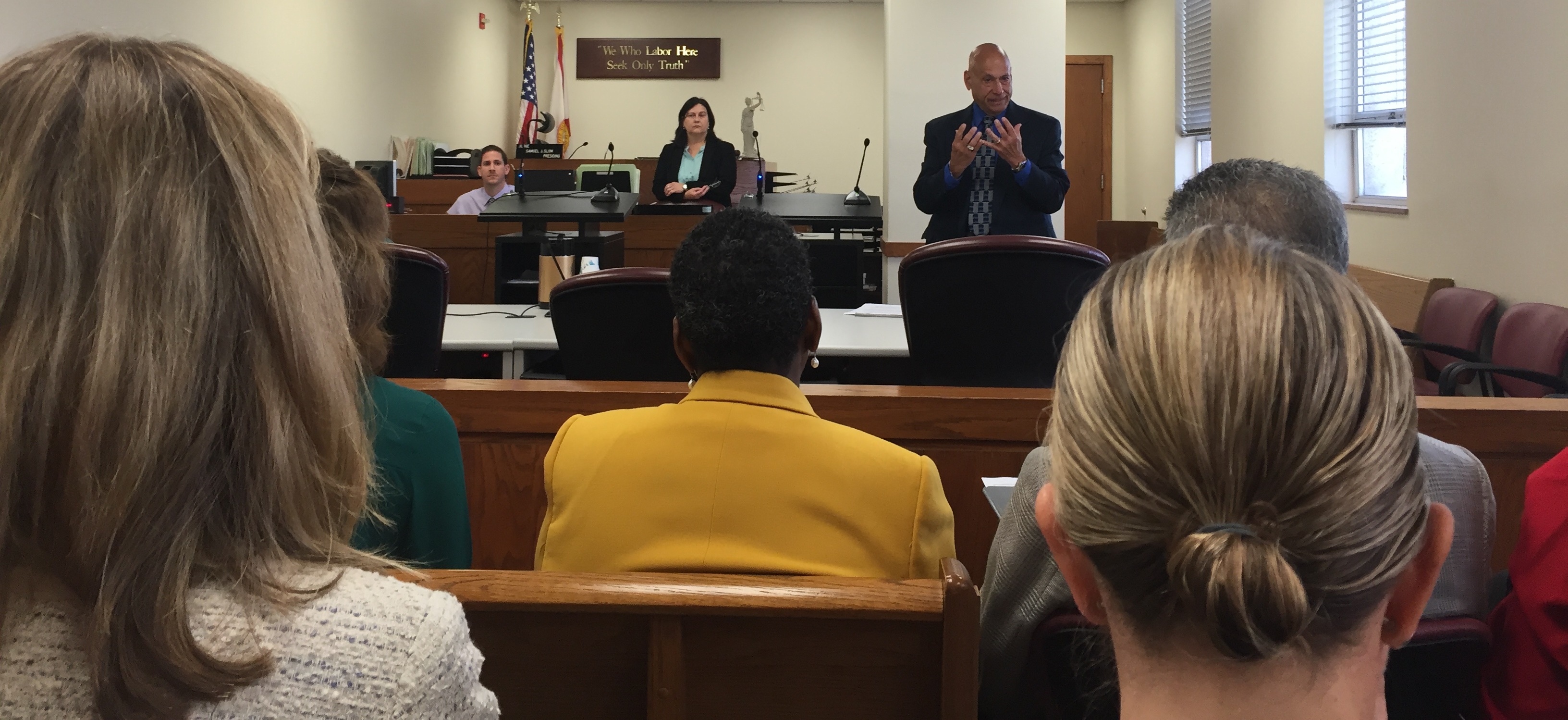
The Eleventh Judicial Circuit of Florida is the largest in the state, handling a vast volume of cases ranging from municipal ordinance violations to high-level felony charges. As of 2026, the court operates under a unified administrative structure designed to streamline case management and improve transparency through digital integration.
At the core of the system is the Richard E. Gerstein Justice Building, located at 1351 NW 12th St, Miami, FL. This facility serves as the primary hub for felony court proceedings and the central booking facility. When an individual enters the criminal justice system in Miami-Dade, their case path is determined by the severity of the charge:
- Misdemeanor Cases: Typically handled in the County Court, involving offenses punishable by less than one year in jail.
- Felony Cases: Adjudicated in the Circuit Court, involving more serious crimes where sentencing may exceed one year in state prison.
- Juvenile Justice: Managed through the Juvenile Justice Center, focusing on specialized intervention and rehabilitation programs for minors under the age of 18.
The Role of the Miami-Dade Clerk of Courts and Digital Records
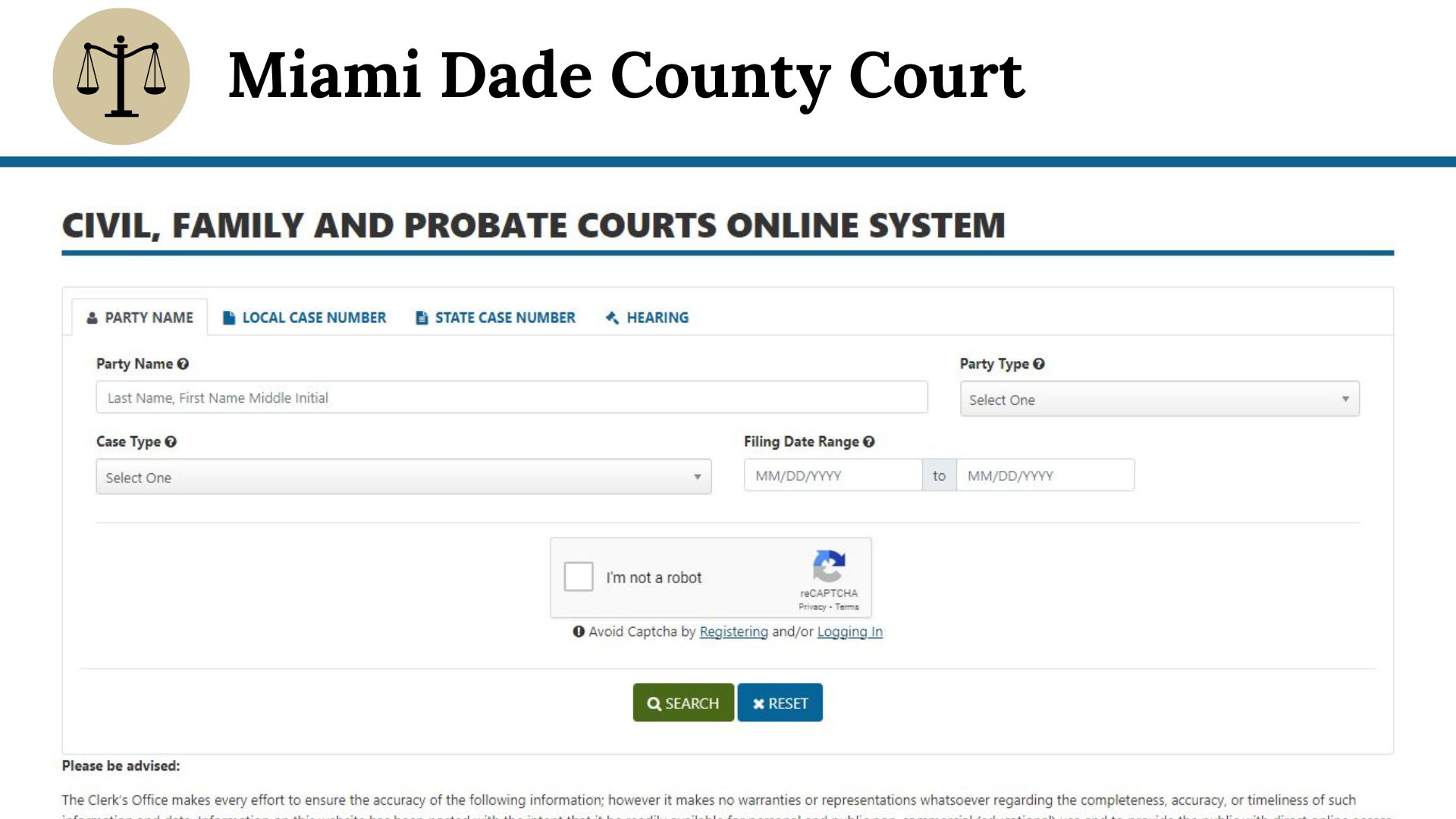
In 2026, the Miami-Dade Clerk of Courts has fully transitioned to a modernized electronic filing and retrieval system. Understanding how to interact with this infrastructure is critical for attorneys and pro se litigants alike. The Clerk’s office maintains the official record of all proceedings, including case dockets, sentencing orders, and bail information.
Digital Accessibility Standards
The Clerk’s office provides an online portal for public record requests and case tracking. Users must register for a secure account to access sensitive case documents that are not available for public view under Florida’s specific redaction laws. It is mandatory to verify the accuracy of personal information and case status directly through the official clerk portal to avoid delays caused by third-party data aggregators.
Operational Benchmarks for Bail and Pretrial Release
The Miami-Dade Pretrial Services department operates under strict 2026 guidelines regarding bond setting and supervised release. The primary objective of the current pretrial framework is to balance public safety with the constitutional rights of the accused. The process follows a standardized risk assessment tool that evaluates:
- Community ties and residency status in Miami-Dade County.
- Criminal history and current outstanding warrants in other jurisdictions.
- Flight risk indicators relative to the severity of the charged offense.
- Ability to comply with electronic monitoring or drug testing mandates.
The following table summarizes the status of various legal and administrative services within the current Miami-Dade framework.
| Service Feature | Status / Availability | Requirement |
|---|---|---|
| Electronic Case Filing | Fully Active | Registered Attorney Account |
| Public Records Search | Available Online | Case Number or Party Name |
| Pretrial Diversion | Case-by-Case Basis | State Attorney Approval |
| Bail Payments | Accepted via Clerk Portal | Credit Card or Certified Funds |
| Original Court Filings | Mandatory Electronic | No Paper Filings for Attorneys |
Strategic Considerations for Defense and Legal Representation
Navigating the criminal justice system effectively requires a nuanced understanding of local prosecutorial policies. In 2026, the Miami-Dade State Attorney’s Office continues to utilize specialized units to prosecute specific crime types, such as economic crimes, public corruption, and organized fraud.
Representation strategies should be tailored based on whether a case is being prosecuted at the state or federal level. While the Eleventh Judicial Circuit handles the vast majority of local criminal matters, federal charges involving interstate commerce or specific federal statutes are moved to the U.S. District Court for the Southern District of Florida, which operates under distinct Federal Rules of Criminal Procedure.
Mandatory Compliance for Court Appearances
Failure to appear for scheduled court dates remains the most significant trigger for bench warrants in Miami-Dade. As of 2026, the county has implemented enhanced automated notification systems for defendants. It is the responsibility of the defendant or their legal counsel to:
- Confirm the specific courtroom and judge assigned to the case 24 hours prior to any appearance.
- Ensure that any required documentation for plea agreements or diversion programs is submitted at least 72 hours before the hearing.
- Arrive at the justice building at least 45 minutes early to account for security screening at the main entrances.
Frequently Asked Questions
How can I find an inmate currently held in a Miami-Dade facility? You can use the official Miami-Dade Corrections and Rehabilitation Department inmate search portal by entering the subject’s legal name or their booking number. The system provides real-time data regarding housing location, charges, and bond information for individuals currently in custody.
What is the difference between a bond and a bail? Bail refers to the set amount of money or conditions required by the court to secure a defendant’s release, whereas a bond is the specific financial instrument used to satisfy that requirement. In 2026, many Miami-Dade defendants utilize surety bonds through licensed agencies to satisfy their financial bail obligations.
Can I request a public defender if I cannot afford an attorney? Yes, if you meet the financial eligibility requirements established by the Florida Public Defender’s office, you may apply for representation during your initial appearance. The court will conduct a formal inquiry into your assets and income before appointing counsel to ensure indigent defense standards are met.
Are virtual court appearances standard in 2026? While many administrative and status hearings are conducted via video conferencing, substantive matters, evidentiary hearings, and trials generally require physical presence in the courtroom. Always consult your attorney regarding the specific court order for your hearing type.
What happens if I miss a court date in Miami-Dade? Missing a court date typically results in the immediate issuance of a bench warrant for your arrest and the potential forfeiture of any posted bail. You should contact an attorney immediately to file a motion to quash the warrant and schedule a new court appearance to rectify the status.
How do I pay for court costs and fines? The Clerk of Courts accepts payments online via the official payment portal, by mail, or in person at the Clerk's office. Ensure you include your case number accurately to prevent the misapplication of funds to other accounts.
Expert Guidance for Legal Navigation
Engagement with the Miami-Dade criminal justice system is a high-stakes process. Success depends on proactive communication with the Clerk of Courts, strict adherence to court-mandated deadlines, and the retention of legal counsel familiar with the local nuances of the Eleventh Judicial Circuit. For those currently involved in a case, ensure that all information provided to the court is verified, current, and consistent with the 2026 administrative guidelines. If you are seeking representation, prioritize firms with proven experience in the specific division—misdemeanor, felony, or specialized—relevant to your unique legal circumstances.