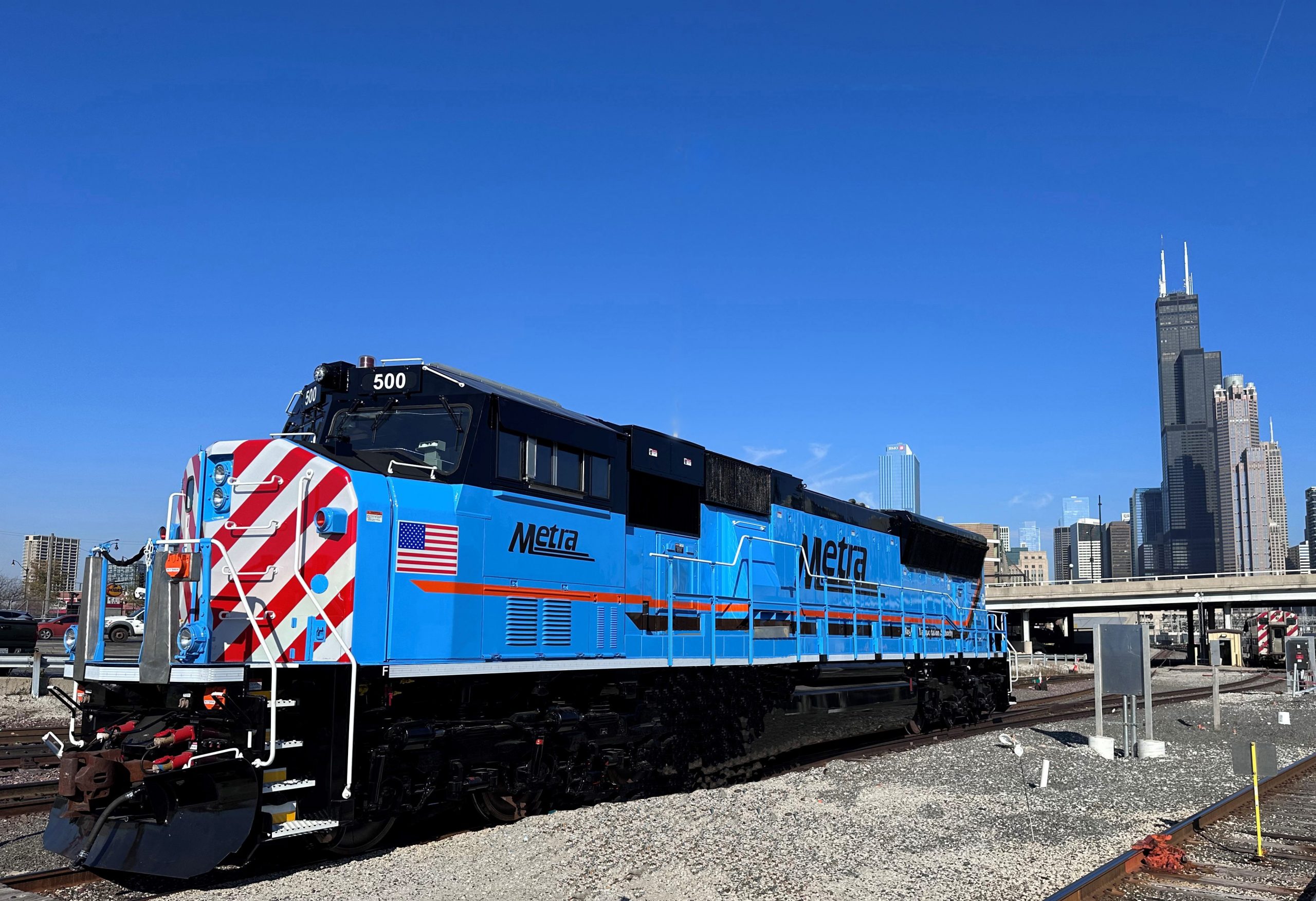
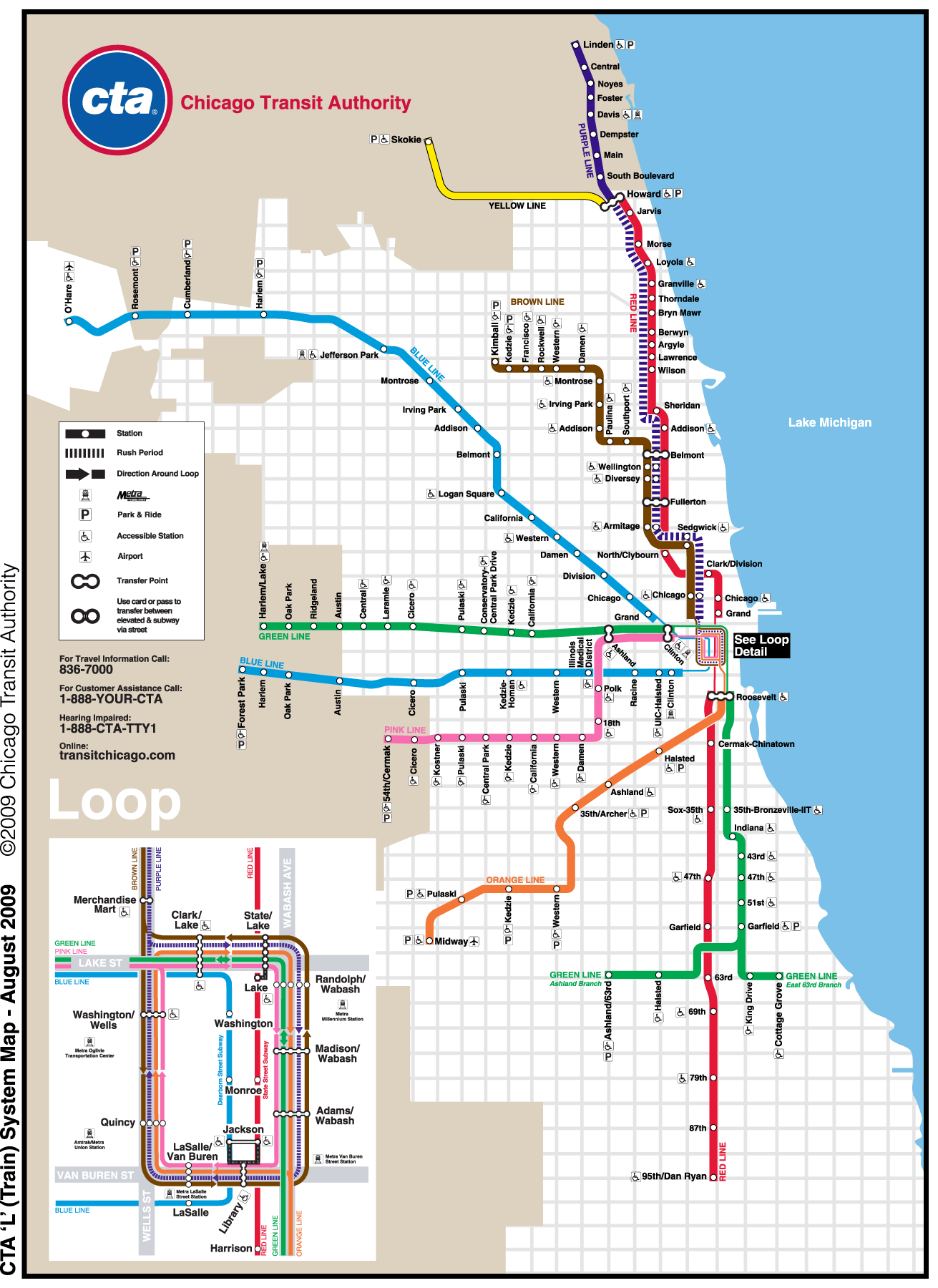
The Metra system serves as the backbone of regional transit for the Chicago metropolitan area, connecting the downtown core to suburban hubs across six counties. As of 2026, the transit landscape has evolved with expanded electrification initiatives, modernized fare integration via the Ventra platform, and adjusted service frequencies designed to meet the demands of a hybrid workforce. This guide provides the technical expertise required to navigate the current schedules, optimize your daily travel patterns, and leverage the latest operational upgrades to the commuter rail network.
Analyzing the 2026 Metra Service Architecture
Metra currently operates 11 distinct lines, categorized by their distinct corridors: BNSF, Union Pacific (North, Northwest, and West), Metra Electric, Milwaukee District (North and West), Rock Island, SouthWest Service, Heritage Corridor, and North Central Service. Understanding the architectural differences between these lines is critical for planning a reliable commute.
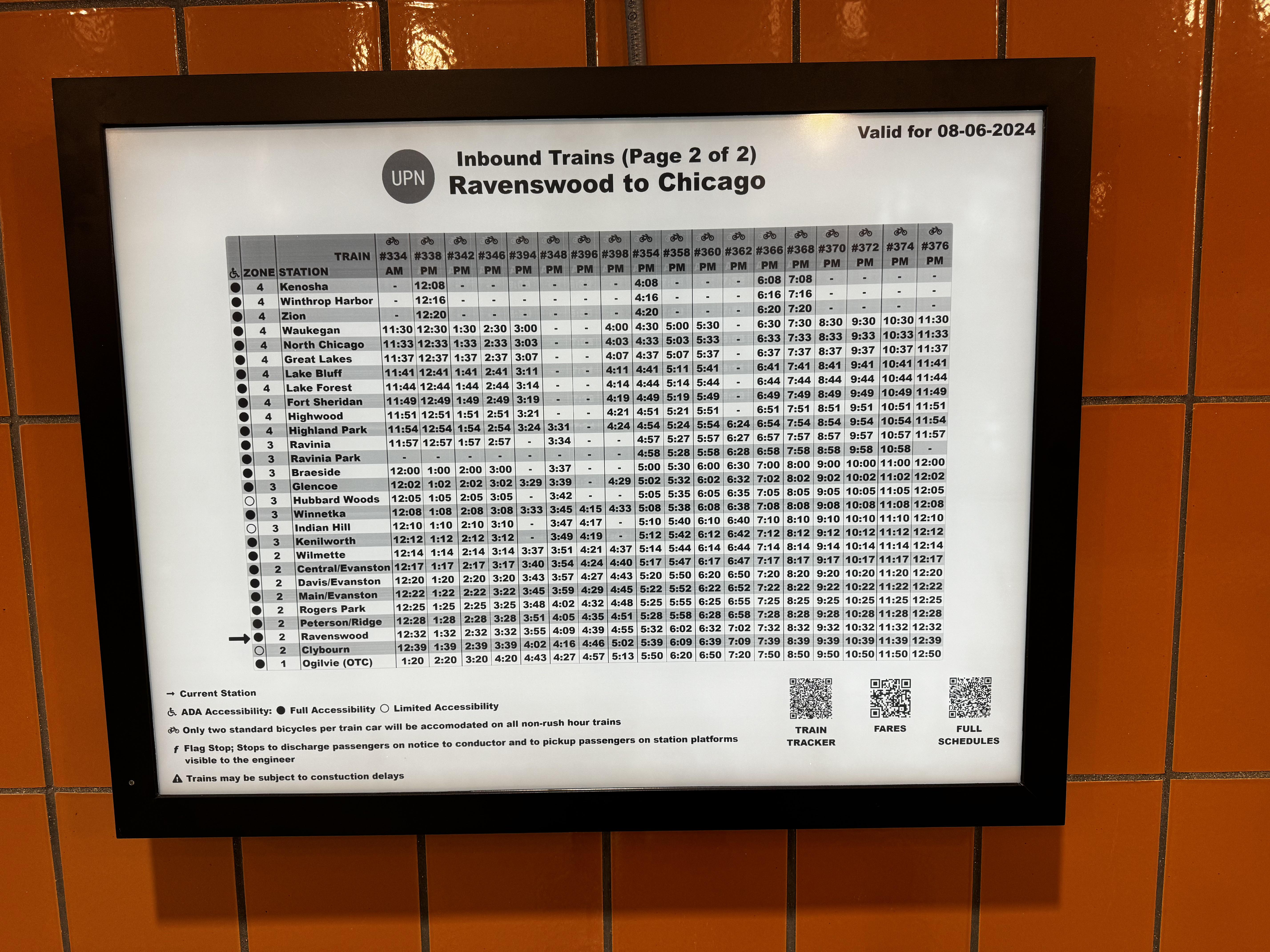
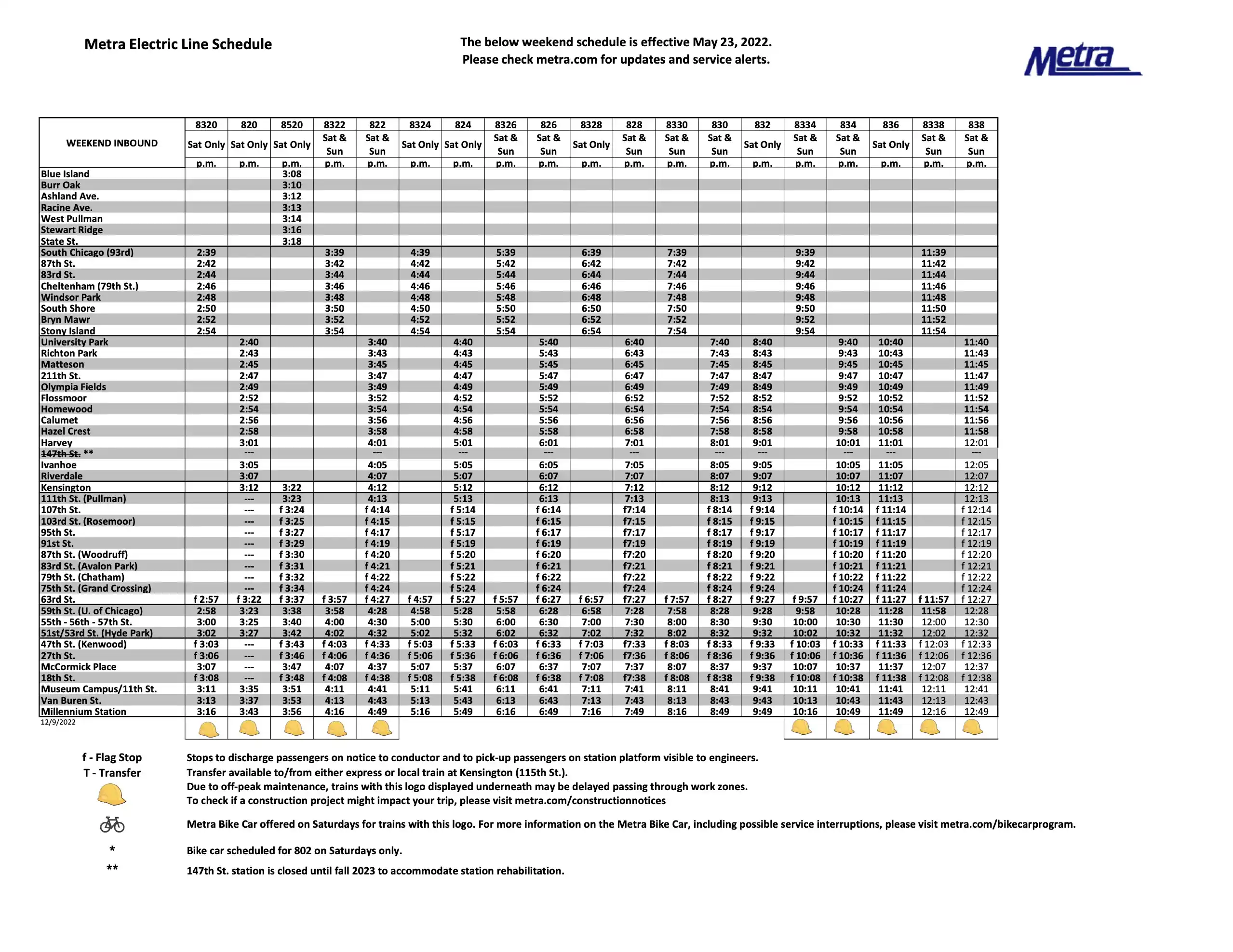
The core of your navigation strategy should revolve around whether your route utilizes a legacy diesel-hauled train or the high-frequency Electric District line. In 2026, the Metra Electric District offers a unique operational model featuring high-level platforms and more frequent local stops, whereas the other lines utilize traditional push-pull train configurations that are highly sensitive to signaling delays and track maintenance.
Essential Tools for Real-Time Scheduling
Gone are the days of relying exclusively on printed timetables. As of 2026, the official digital ecosystem is the primary source of truth for all transit operations.
- The Ventra Mobile App: This is the mandatory interface for ticket procurement and real-time train tracking. It integrates GPS-based "Where’s My Train" data that updates every few seconds to reflect actual positions against the published schedule.
- Metra’s Official Website: Utilize the "Schedules" section for downloadable PDFs that are timestamped for the 2026 fiscal year. Always check for "Service Alerts" at the top of the page before heading to the station, as weekend construction or emergency signal repairs can cause temporary schedule shifts.
- GTFS Data Feeds: For developers or power users, Metra provides open General Transit Feed Specification (GTFS) data. This allows for third-party integration into apps like Google Maps or Transit, which synthesize Metra data with CTA (Chicago Transit Authority) and Pace bus connections.
Comparative Overview of Service Types
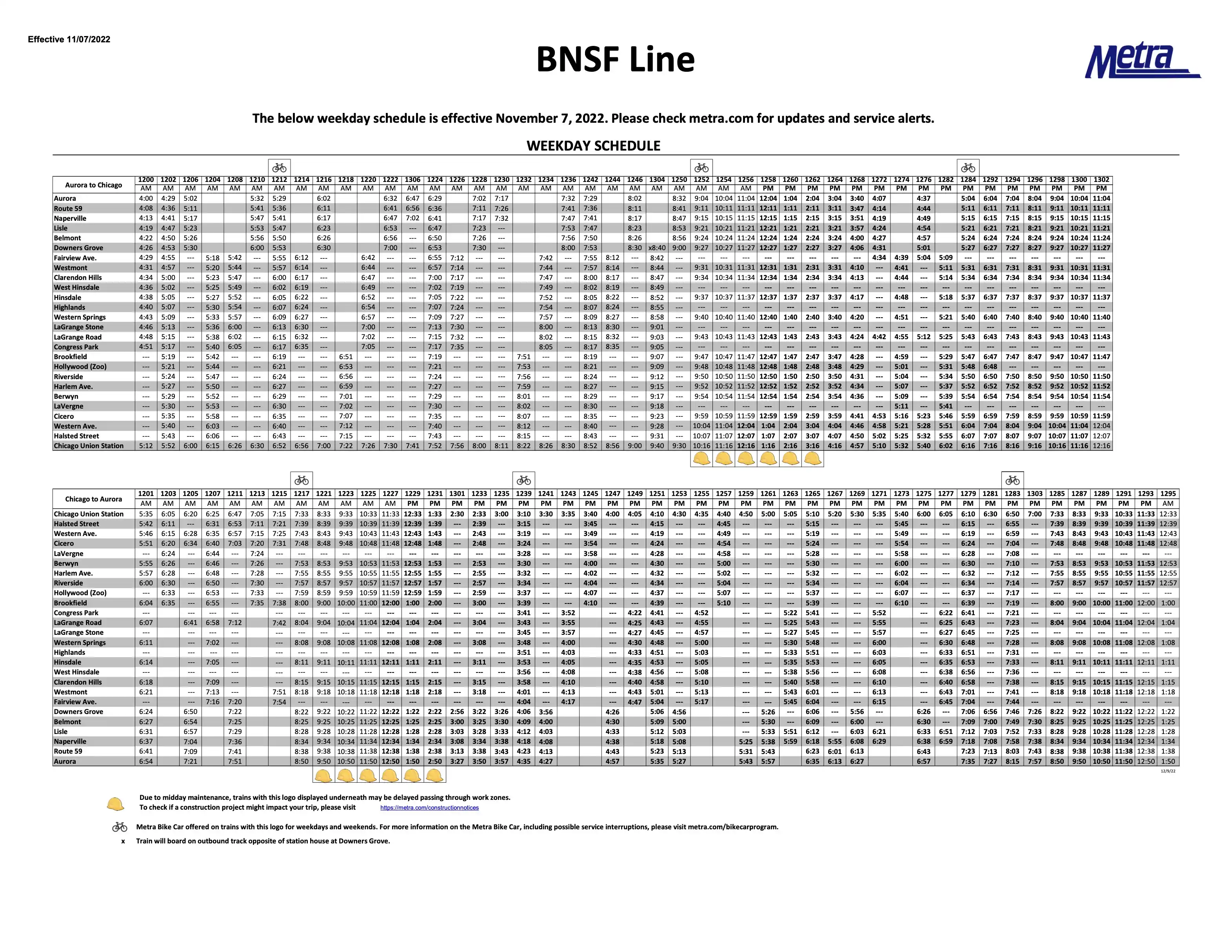
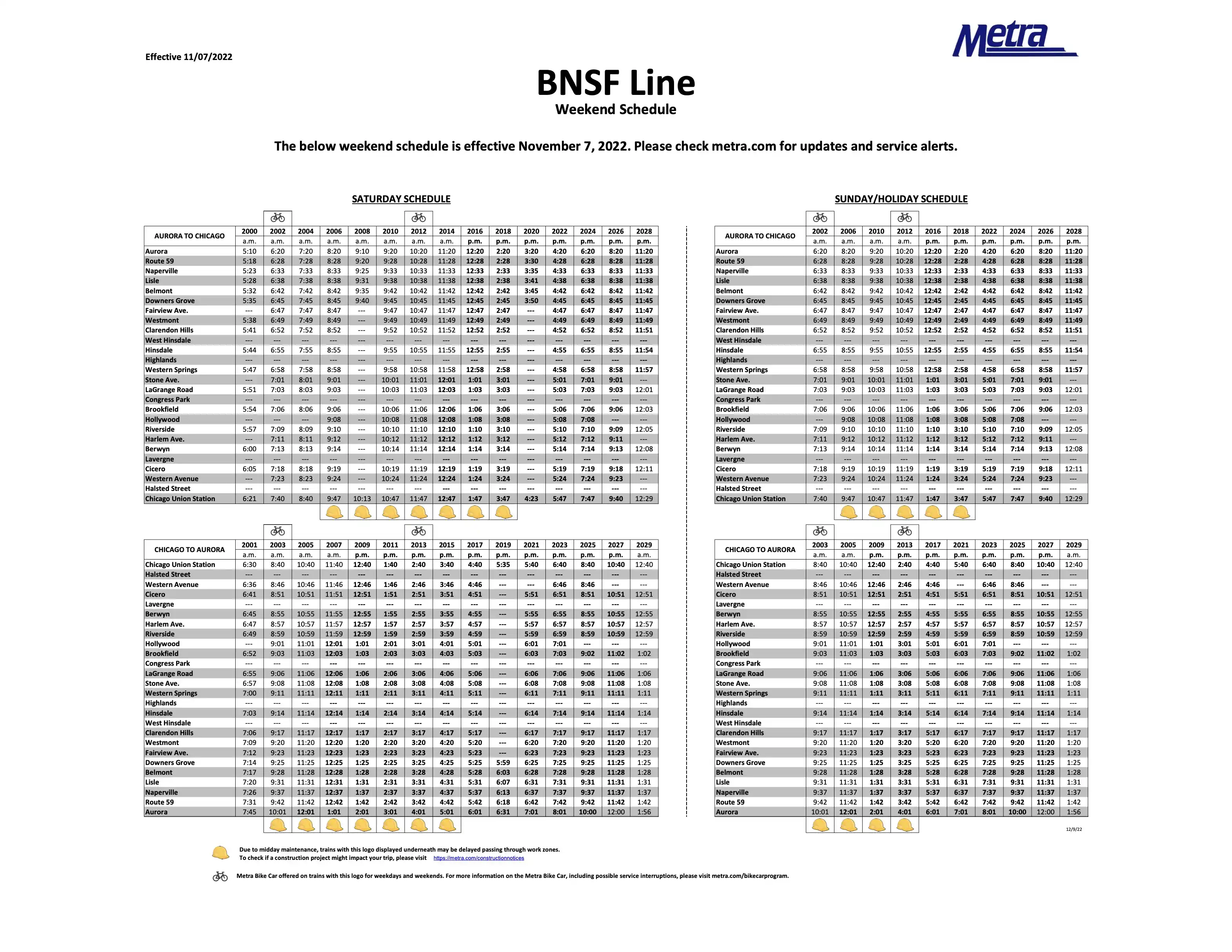
When selecting a train, you must account for the difference between express, skip-stop, and local service patterns. The following table summarizes the operational variables for major corridors as of the 2026 service cycle.
| Line Type | Typical Frequency | Stop Pattern | Ideal Use Case |
|---|---|---|---|
| Metra Electric | 15-30 Minutes | Local/Express | High-frequency city-to-suburb commuting |
| BNSF / UP Lines | 30-60 Minutes | Express / Skip-Stop | Long-distance suburban transit |
| North Central | 60-90 Minutes | Low Density | Niche routes for airport or specific hubs |
| Heritage Corridor | Limited (Peak) | Specific Stations | Specialized rush-hour workforce access |
Operational Insight for Power Commuters
Strategic Routing: Always prioritize lines that offer express service during peak hours. If your station offers both skip-stop and local trains, the time savings on a skip-stop express can exceed 20 minutes on longer corridors like the UP-West or BNSF. For off-peak travel in 2026, ensure you are verifying if your train requires a ticket transfer or if a regional day pass provides better value given the latest fare adjustments.
Managing Fare Structures and Payment Systems
In 2026, the fare system has transitioned to a simplified, distance-based zone model. Understanding your zone assignment is essential to avoid overpayment or transit authority friction.
- Zone Mapping: Metra tracks are divided into numbered zones starting from the downtown terminals (Ogilvie, Union Station, or Millennium Station). Your fare is determined by the number of zones you traverse.
- Payment Methods: The Ventra card and the mobile app are the only accepted digital payment forms. While cash remains accepted for one-way tickets purchased on board, it incurs a significant surcharge. It is highly recommended to purchase via the app to secure the lowest base fare.
- Pass Integration: If you commute more than three days per week, the 2026 Monthly Pass remains the most cost-effective solution, providing unlimited travel within the designated zone range.
Troubleshooting Common Commuter Disruptions
Technical delays are an inherent reality of heavy rail transit. By 2026, Metra has implemented automated notification protocols to assist commuters in managing these disruptions.
- Infrastructure-Related Delays: Often caused by signal malfunctions or track maintenance. If a delay is reported as "track maintenance," expect a 10-15 minute variance.
- Freight Interference: On lines like the BNSF or Milwaukee District, freight rail traffic holds priority. If your train is held, it is usually due to a freight crossing conflict.
- Severe Weather Protocols: During extreme winter conditions, Metra updates the schedule to a "Severe Weather" timetable. This reduces train frequency to ensure all equipment is cycled through heated inspection bays, preventing frozen switches.
Frequently Asked Questions
How do I confirm the current 2026 schedule for my specific station? Visit the official Metra website and navigate to the "Schedules" tab. Enter your origin and destination station names to pull the most recent, verified timetable for the 2026 service year.
Is it faster to take an express train or a local train during off-peak hours? Express trains are consistently faster, often saving 15 to 30 minutes by skipping low-volume stations. Always check the official 2026 schedule for "X" markings, which denote express status.
How can I get real-time alerts if my train is delayed? Enable "Push Notifications" within the Ventra app specifically for your line. This will push live status updates to your mobile device, including track changes or emergency delays.
Do I need a separate ticket for a transfer between Metra and the CTA? Yes, Metra and CTA are separate entities. However, the Ventra app allows you to manage both CTA/Pace "Transit Value" and Metra tickets in one digital wallet for seamless switching between systems.
What is the policy for bikes on trains in 2026? Bikes are generally permitted on all trains, except for specific peak-direction trains during rush hour where space is restricted. Always check the specific line’s bike policy page for the 2026 updated list of "restricted" trains.
Ensuring a Smooth Commute
Mastering the Metra schedule requires a proactive approach to technology and transit awareness. By utilizing the official Ventra mobile infrastructure, identifying the specific stop patterns of your route, and staying informed via real-time alerts, you can minimize the variability inherent in urban rail transit. Ensure your tickets are ready before boarding, respect the designated quiet cars on multi-level trains, and always allow for a buffer during peak service windows. Plan your next trip by accessing the latest 2026 timetables through the official Metra portal to ensure your transit strategy is aligned with current operational realities.