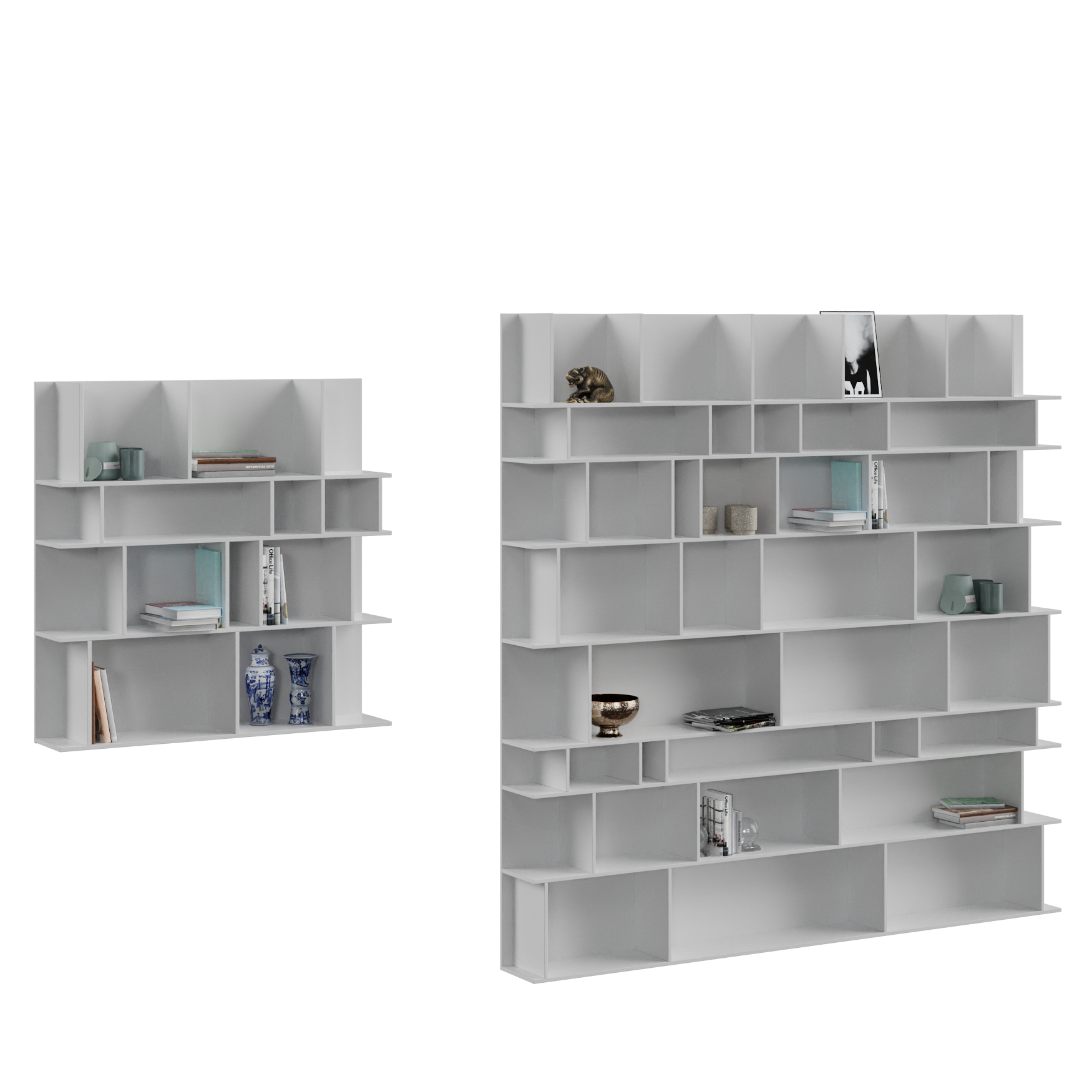
Menards functions primarily as a home improvement giant rather than a dedicated furniture boutique, yet its selection of storage furniture remains a practical option for homeowners seeking functional organization. Navigating the Menards bookshelves inventory requires understanding material grades, weight capacities, and structural configurations to ensure your chosen unit matches your spatial and aesthetic requirements.
Overview of Menards Shelving Product Lines
The storage inventory at Menards ranges from heavy-duty industrial metal racks to traditional wood-veneer bookcases. Because stock fluctuates seasonally and varies by region, evaluating the core structural categories helps streamline your search both in-store and online.
Material Classifications
- Solid Wood Units: Typically crafted from pine, oak, or rubberwood. These offer high structural integrity, natural grain aesthetics, and the ability to be sanded or refinished.
- Engineered Wood (MDF and Particle Board): Covered with paper laminates or wood veneers. These units are cost-effective and lightweight, though susceptible to sagging under heavy point loads if unsupported.
- Steel and Wire Systems: Designed primarily for utility rooms, garages, or modern industrial interior aesthetics. These systems provide exceptional load-bearing capacities per tier.
Standard Configuration Options
- Standard Open-Back Bookcases: The most common variety, allowing visibility of wall paint or wallpaper behind the stored items.
- Cube Organizers: Modular grid systems compatible with fabric or canvas storage bins, ideal for craft rooms, children's spaces, and casual living areas.
- Corner Bookshelves: Engineered to maximize dead space in tight architectural layouts, though they generally offer shallower shelf depths.
- Industrial Heavy-Duty Racks: Built with boltless steel frames and wire or particle board decks, intended for massive book collections or heavy storage boxes.
Structural Comparison of Popular Shelving Units
Choosing the right shelf involves balancing aesthetic preferences with practical engineering limits. The following comparison highlights the primary shelving types available through home improvement retail channels like Menards, detailing their load limits and ideal use cases.
| Shelf Type | Primary Material | Average Weight Capacity per Shelf | Ideal Application | Assembly Complexity |
|---|---|---|---|---|
| Traditional Wooden Bookcase | Solid Pine / Oak Veneer | 35 to 50 lbs | Living rooms, home offices, studies | Moderate (Cam locks, screws, dowels) |
| Laminated Engineered Wood | Particle Board / MDF | 20 to 35 lbs | Bedrooms, dorms, light fiction storage | Moderate (Standard hardware required) |
| Modular Cube Organizer | Hollow-core MDF / Particle Board | 15 to 30 lbs per cube | Playrooms, closets, casual displays | Easy to Moderate (Interlocking pegs) |
| Industrial Steel Wire Rack | Powder-coated Steel / Wire | 150 to 300 lbs | Garages, basements, heavy textbooks | Low to Moderate (Boltless snap-fit) |
Step-by-Step Assembly and Wall-Anchoring Guide
Proper installation is critical for safety, especially in households with children or pets. Follow this technical procedure to assemble and secure your Menards bookshelf effectively.
- Inventory and Preparation: Unpack all components on a clean, soft surface such as a rug or cardboard box to prevent scratching laminated surfaces. Verify all cam locks, dowels, screws, and back panels against the manufacturer parts list.
- Frame Construction: Assemble the outer shell (left side, right side, top, and bottom plinth) using wood glue in dowel holes where recommended for enhanced rigidity. Ensure the unit remains square by measuring diagonally from corner to corner; both diagonal measurements must be equal before tightening final fasteners.
- Back Panel Attachment: Nail or screw the hardboard back panel evenly across the rear edges. This component provides critical lateral shear stability, preventing the bookcase from racking or leaning sideways.
- Shelf Pin Placement: Insert shelf support brackets or pins securely into the pre-drilled side panel holes at your desired heights. Ensure all four pins for a single shelf are level to prevent rocking.
- Wall Anchoring (MANDATORY): Position the bookshelf against the wall in its final location. Locate a wall stud using an electronic stud finder. Fasten an L-bracket or anti-tip strap to the top frame of the bookshelf, and drive a heavy-duty wood screw directly through the bracket into the wall stud. If studs are inaccessible, use rated drywall toggle bolts.
Pros and Cons of Purchasing Storage Units at Menards
Evaluating home improvement center furniture against dedicated furniture stores helps set realistic expectations regarding durability, cost, and design flexibility.
Value and Accessibility Advantages Budget-Friendly Pricing: Menards frequently runs promotional sales and rebate programs, making their storage solutions economical for whole-home projects. Immediate Availability: Unlike specialty furniture stores with weeks of lead time, in-stock inventory can be loaded and brought home the same day. Utility Versatility: Their product lines seamlessly bridge the gap between aesthetic living room decor and heavy garage utility storage.
Limitations to Consider Assembly Required: Almost all options arrive flat-packed, requiring time and basic household tools to assemble. Material Limitations: Laminated particle board units can suffer permanent water damage if exposed to moisture, and heavy hardback textbooks may cause unreinforced shelves to sag over time. Aesthetic Standardization: Designs tend to focus on transitional and utilitarian styles rather than bespoke artisan craftsmanship.
Expert Strategies for Maximizing Shelf Life and Organization
To ensure your investment lasts for years, implement these professional organization and maintenance practices.
- Preventing Sagging: For wooden or engineered wood shelves spanning more than 30 inches, avoid placing heavy folio-sized books in the center without intermediate vertical dividers. Consider adding a concealed flat steel mending plate screwed into the underside of long wooden shelves to increase rigidity.
- Humidity Management: Engineered wood expands and degrades when exposed to high ambient moisture. Avoid placing standard laminate bookshelves in unconditioned damp basements without a functioning dehumidifier.
- Weight Distribution: Always load heavier items, such as encyclopedias or large binders, on the bottom shelves to lower the unit's center of gravity and enhance physical stability.
Frequently Asked Questions
Are Menards bookshelves pre-assembled or do they require building?
Most bookshelves sold at Menards are flat-packed and require complete consumer assembly using standard household tools like screwdrivers and mallets. Detailed step-by-step instruction manuals are included in every hardware kit.
What is the maximum weight a standard wooden Menards bookshelf can hold?
Standard laminate and engineered wood shelves typically support between 25 and 40 pounds evenly distributed. Solid wood or industrial steel shelving options can safely support significantly higher loads, ranging from 50 to over 200 pounds per tier.
Do Menards bookshelves come with wall anchoring hardware?
Yes, reputable manufacturers include anti-tip kits consisting of wall straps and screws inside the packaging. It is vital to install these anchors to prevent accidental tipping hazards.
Can I customize or paint a laminate bookshelf from Menards?
While raw solid wood units accept stains and paints easily, smooth laminate surfaces require thorough sanding with fine-grit sandpaper, an application of a high-adhesion bonding primer, and durable enamel topcoats to achieve a lasting finish.
How do I stop my bookshelf shelves from bowing in the middle?
You can counteract bowing by regularly rotating your books, installing wooden or metal stiffeners beneath the shelf boards, or shortening the unsupported span by inserting vertical dividers.
Are these bookshelves suitable for heavy textbook storage?
Standard particle board bookshelves will sag under dense textbook collections over time. For heavy academic texts or large hardbound volumes, industrial wire racks or solid hardwood bookcases with reinforced supports are recommended.
Conclusion
Selecting the right storage solution from Menards depends on balancing your aesthetic goals, available floor space, and weight requirements. By selecting appropriate materials—such as solid wood or heavy-duty steel for demanding environments—and anchoring your unit securely to a wall stud, you create a stable, organized, and functional display for your home or office in 2026.