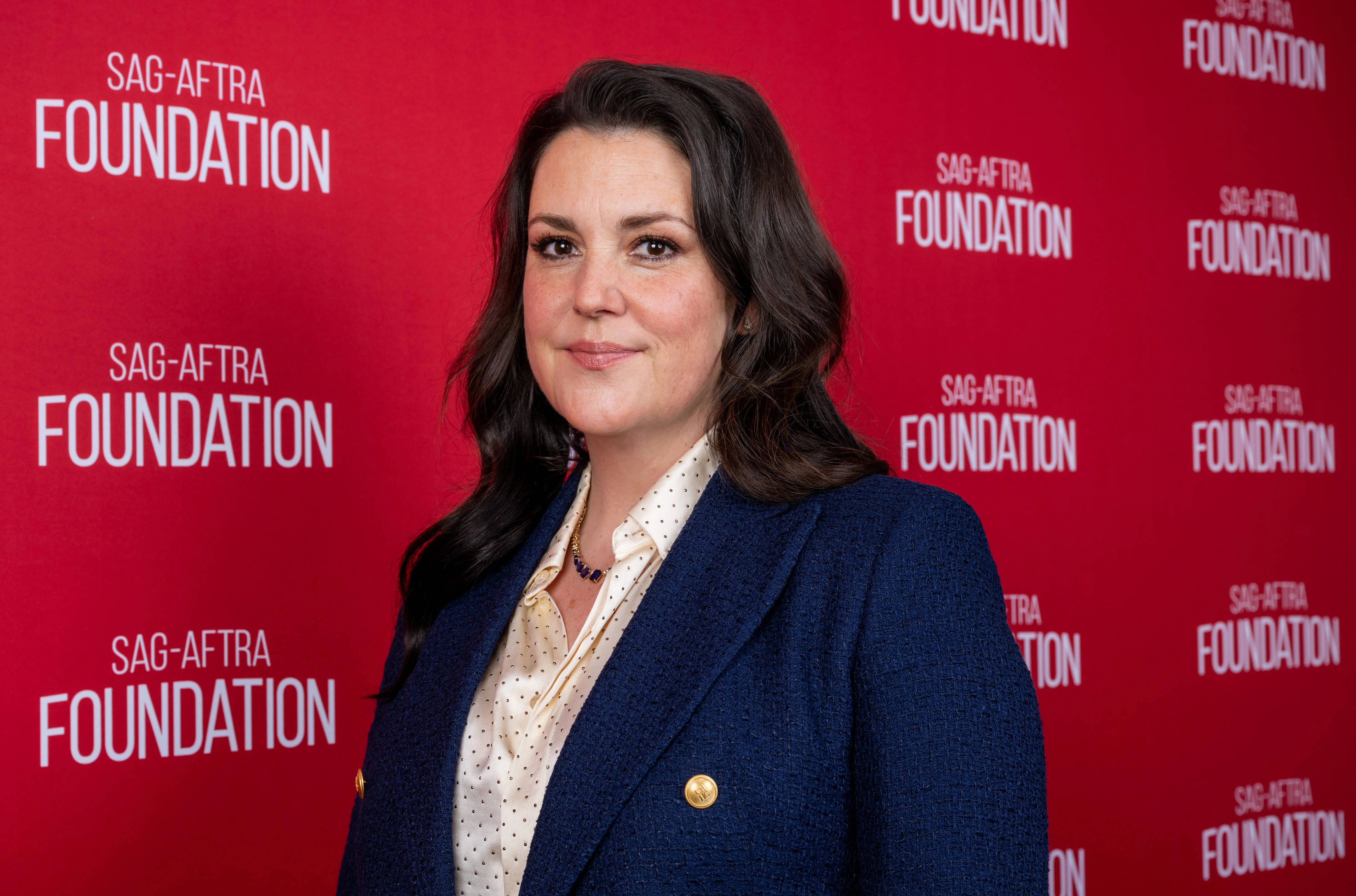
Melanie Lynskey has accumulated an estimated net worth of approximately $5 million to $8 million through a successful acting career spanning over three decades. Best known for playing Rose on the CBS hit sitcom Two and a Half Men and Shauna Shipman on Showtime's Yellowjackets, Lynskey has built financial stability by balancing lucrative network television roles with award-winning performances in independent film and prestige drama.
Early Breakthrough: From 'Heavenly Creatures' to Hollywood
Melanie Lynskey was born on May 16, 1977, in New Plymouth, New Zealand. Her entry into professional acting occurred at age 16 when director Peter Jackson cast her alongside Kate Winslet in the psychological drama Heavenly Creatures (1994). Her haunting portrayal of Pauline Parker earned widespread critical praise, establishing her as an exceptional talent despite having no prior formal screen acting experience.
Following the success of Heavenly Creatures, Lynskey transitioned to Hollywood, taking deliberate steps to avoid being typecast. Rather than chasing traditional leading-lady roles, she cultivated a reputation as a versatile character actor capable of adding depth, vulnerability, and subtle comedic timing to supporting roles.
During late 1990s and early 2000s, Lynskey appeared in several notable feature films, including:
- Ever After: A Cinderella Story (1998): Portraying Jacqueline, the kinder stepsister opposite Drew Barrymore, establishing her presence in major studio releases.
- Detroit Rock City (1999): Demonstrating her range in youth-oriented ensemble projects.
- But I'm a Cheerleader (1999): Participating in an indie cult classic that solidified her standing within the independent film community.
- Coyote Ugly (2000): Playing Gloria, the main character's supportive best friend from home.
- Sweet Home Alabama (2002): Appearing alongside Reese Witherspoon in a box-office success.
While these roles provided consistent work and steady income, character actors in feature films during this era typically earned standard union scale or modest project-based compensation. Her structural financial breakthrough arrived when she transitioned to American network television.
The 'Two and a Half Men' Era: Role, Financial Impact, and Residuals
In 2003, Lynskey was cast as Rose, the unhinged yet deeply endearing neighbor and stalker of Charlie Harper (played by Charlie Sheen), on the CBS sitcom Two and a Half Men. Created by Chuck Lorre and Lee Aronsohn, the show rapidly became one of the highest-rated comedies on primetime television.
| TWO AND A HALF MEN: CONTRACT TRAJECTORY |
|---|
| Seasons 1–2: Regular Cast Status (Guaranteed pay per episode) |
| Seasons 3–12: Recurring Guest Status (Freedom for outside film work) |
| Total Appearances: 63 Episodes across all 12 seasons |
Main Cast Status vs. Guest Recurring Contracts
Lynskey began the series as a regular cast member during seasons one and two. However, feeling creatively constrained by the exclusive multi-year contracts standard for network sitcom regulars, she requested to be released from her full-time contract so she could continue working in independent films.
The producers agreed to transition her to recurring guest star status. While this decision meant she forfeited the astronomical per-episode salary escalation achieved by full-time series regulars later in the show's run, it granted her artistic flexibility while securing a reliable recurring income stream.
Earnings and Residuals Structure
Two and a Half Men generated significant financial returns for its core cast. During the show's peak, lead actor Charlie Sheen earned up to $1.8 million per episode, while Jon Cryer earned upwards of $620,000 per episode.
As a recurring star appearing in 63 episodes across all 12 seasons, Lynskey's per-episode earnings differed considerably from the series leads:
- Initial Per-Episode Rates: During her early seasons, her compensation fell into the standard network guest star/supporting tier, estimated between $15,000 and $30,000 per episode.
- Later Season Rates: As the show’s popularity surged, guest star compensation for returning core characters increased, with estimates reaching $50,000 to $70,000 per appearance in later seasons.
- Syndication and Residuals: Because Two and a Half Men entered lucrative broadcast syndication globally, Lynskey continues to receive annual residual payments under SAG-AFTRA contract guidelines. While guest and recurring residual rates decay over repeated broadcasts compared to primary series regulars, the global volume of reruns provides her with a sustained passive income stream.
Lynskey has publicly noted that her earnings from Two and a Half Men provided the financial security required to select lower-paying independent film roles based on artistic merit rather than basic financial necessity.
Critical Resurgence: Prestige TV and Leading Roles
After Two and a Half Men concluded in 2015, Lynskey's career trajectory shifted heavily toward critically acclaimed cable dramas, streaming platforms, and lead roles in indie features.
- Heavenly Creatures (1994)
- Two and a Half Men (2003–2015)
- Togetherness (2015–2016)
- Yellowjackets (2021–Present)
'Togetherness' and Character-Driven Television
In 2015, Lynskey starred in the HBO series Togetherness, created by Jay and Mark Duplass. Playing Michelle Pierson, she received widespread critical acclaim for her performance. HBO pay scales for premium cable series prioritize smaller episode counts with competitive flat-rate per-episode compensation, establishing her viability as a lead actress in prestige television.
Independent Film Dominance
Between television commitments, Lynskey remained a staple of independent cinema. Notable lead and supporting roles during this period include:
- Hello I Must Be Going (2021): Earned a Gotham Independent Film Award nomination.
- I Don't Feel at Home in This World Anymore (2017): Starred opposite Elijah Wood in this Sundance Grand Jury Prize winner.
- Sadie (2018): Showcased her commitment to low-budget auteur filmmaking.
While independent film salaries often hover near SAG minimum scale (ranging from $1,000 to $3,500 per week depending on low-budget contract tiers), these performances built her professional standing, culminating in major streaming project offers.
Breakthrough Success: 'Yellowjackets' and 'The Last of Us'
In 2021, Lynskey took on the role of adult Shauna Shipman in the Showtime drama series Yellowjackets. The show became a critical and commercial hit, earning her multiple Primetime Emmy Award nominations for Outstanding Lead Actress in a Drama Series, as well as Critics' Choice and Critics' Choice Super Awards.
The commercial success of Yellowjackets led to renegotiated compensation for its core cast ahead of subsequent seasons. Leading cast members on successful premium cable and streaming series of this scale typically earn between $150,000 and $300,000 per episode for later seasons, marking the highest per-project salary of Lynskey's career.
In 2023, Lynskey guest-starred as Kathleen Coghlan in HBO’s adaptation of The Last of Us. Her performance earned another Primetime Emmy nomination for Outstanding Guest Actress in a Drama Series, solidifying her standing as one of television's most sought-after actors.
Melanie Lynskey Net Worth and Salary Breakdown
As of 2026, Melanie Lynskey's net worth is estimated to be between $5 million and $8 million. This asset total reflects earnings from film and television acting, voiceover work, syndication residuals, and real estate assets held with her husband, actor Jason Ritter.
| Income Stream / Category | Estimated Financial Range / Compensation Tier | Primary Contributing Projects |
|---|---|---|
| Network TV (Per Episode) | $15,000 – $70,000 | Two and a Half Men (63 episodes) |
| Prestige Cable/Streaming (Per Episode) | $150,000 – $300,000+ | Yellowjackets, The Last of Us, Candy |
| Independent Film Rates | SAG-AFTRA Scale – $100,000 per project | I Don't Feel at Home in This World Anymore, Sadie |
| Major Studio Film Rates | $200,000 – $500,000 per project | Up in the Air, Sweet Home Alabama, Don't Look Up |
| Long-Term Syndication Residuals | $50,000 – $150,000 annually (estimated decay rate) | Two and a Half Men, network guest spots |
Key Factors Influencing Her Net Worth
- Selective Project Choice: By opting out of long-term series regular commitments on Two and a Half Men, Lynskey prioritized career longevity over immediate upfront network salaries. This strategy preserved her versatility and enabled her mid-career critically acclaimed resurgence.
- Shared Household Assets: Lynskey married actor Jason Ritter in 2020. Ritter, an accomplished actor in his own right (Parenthood, Raising Dion) and son of the late John Ritter, contributes to their shared household net worth, which includes residential property in Los Angeles.
- Low Commercial Endorsement Profile: Unlike mainstream pop-culture celebrities who derive substantial income from corporate sponsorships and fashion campaigns, Lynskey's net worth is generated almost exclusively from professional acting contracts and residuals.
Financial Realities of Guest and Recurring Roles in Network Sitcoms
Understanding Lynskey's net worth requires examining how compensation functions for non-lead actors in long-running television hits.
The SAG-AFTRA Residual Model
Residuals are financial compensation paid to performers for re-uses of their work beyond the initial broadcast. For a network show like Two and a Half Men:
- Primetime Network Reruns: Actors receive a percentage of their original contract rate when an episode rebroadcasts on primetime network television.
- Off-Network Syndication: When a show is sold to local broadcast stations or cable networks (e.g., FX, Paramount Network), residuals are calculated using a declining percentage scale based on the number of runs.
- Foreign Syndication: International broadcasts utilize fixed-fee or percentage-based residual pools distributed by SAG-AFTRA.
- Streaming Residuals: Platforms like Peacock or Paramount+ pay residuals based on subscriber counts and platform licensing structures.
Because Lynskey appeared in 63 episodes rather than the complete 262-episode run of Two and a Half Men, her syndication earnings represent a fraction of the tens of millions earned by Jon Cryer or Angus T. Jones. However, appearing in over 60 episodes of a top-rated sitcom guarantees annual residual payouts that comfortably supplement ongoing acting fees.
Frequently Asked Questions
How much did Melanie Lynskey make per episode on 'Two and a Half Men'?
Melanie Lynskey earned an estimated $15,000 to $30,000 per episode during her early seasons as a regular on Two and a Half Men. After transitioning to a recurring guest star to pursue film work, her per-episode rate grew in later seasons, reaching an estimated $50,000 to $70,000 per appearance across her 63 total episodes.
What is Melanie Lynskey's current estimated net worth?
Melanie Lynskey’s net worth is estimated to be between $5 million and $8 million. Her wealth stems from her 30-year acting career, including network television roles, prestige streaming series like Yellowjackets, film appearances, and ongoing syndication residuals.
Why did Melanie Lynskey leave her full-time role on 'Two and a Half Men'?
Lynskey asked to be released from her regular cast contract after season two because she felt creatively restricted by exclusivity clauses. She wanted the freedom to work on independent films while continuing to make recurring guest appearances as Rose throughout the remainder of the show's 12-season run.
How much does Melanie Lynskey earn for 'Yellowjackets'?
Following the critical acclaim and strong viewership of season one, the main cast of Yellowjackets renegotiated their contracts. Lynskey's compensation for lead duties on the Showtime series is estimated between $150,000 and $300,000 per episode.
Is Melanie Lynskey married, and does that impact her combined net worth?
Melanie Lynskey married actor Jason Ritter in 2020. Ritter has enjoyed a steady television and film career, and their combined household net worth reflects shared real estate holdings and joint income streams.
Strategic Career Management in Hollywood
Melanie Lynskey’s financial trajectory offers a practical case study in strategic career management within the entertainment industry. Rather than pursuing maximum short-term financial returns through long-term network exclusivity contracts, she balanced accessible commercial television work with low-budget independent features.
This approach protected her from being pigeonholed as a single-character sitcom actor, maintained her standing among top film directors, and ultimately enabled her to transition seamlessly into high-paying lead roles in prestige streaming TV later in her career.