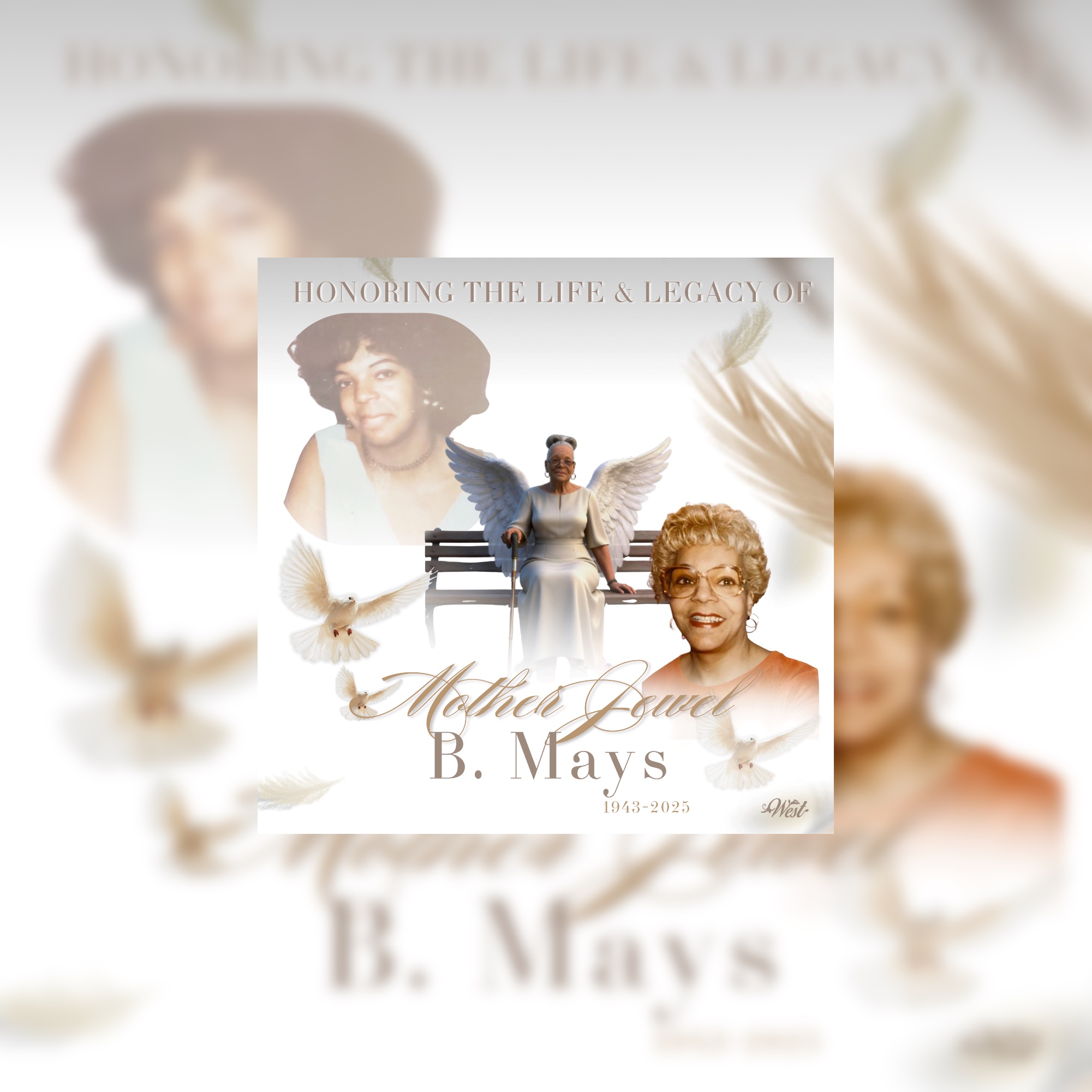
Locating information for Mays Funeral Home requires an understanding of how local death records and memorial services are managed in the current digital landscape of 2026. This guide assists families and researchers in navigating obituary archives, tribute services, and the administrative protocols necessary for memorializing a loved one.
Understanding the Digital Architecture of 2026 Funeral Records
In 2026, the transition toward centralized digital memorialization has matured significantly. Funeral homes, including those under the Mays designation, utilize integrated web platforms that serve as the primary hub for obituary notifications, service scheduling, and permanent guestbook archiving. Unlike the fragmented newspaper databases of previous decades, modern obituary portals are now optimized for accessibility, cross-platform searching, and secure data storage.
When searching for an obituary, it is essential to prioritize official funeral home domains over third-party aggregator sites. Official sites, maintained directly by the funeral directors, provide verified information, accurate service times, and protected financial links for charitable contributions or floral arrangements. Aggregator sites often scrape data from these primary sources, which can lead to inaccuracies in service locations or, in some cases, the creation of unauthorized memorial pages designed to monetize traffic.
Locating Records via Authorized Funeral Home Portals
To efficiently find an obituary, users should employ specific search parameters. The most effective approach involves using a refined query that includes the full name of the deceased and the specific location of the funeral home, as there are multiple entities operating under the name Mays Funeral Home across the United States.
- Navigate to the official website of the specific Mays Funeral Home location.
- Utilize the onsite search bar, which is typically indexed by surname or date of passing.
- Access the Tributes or Obituaries tab, which contains active and historical records from 2026 and prior years.
- Verify the service details, as real-time updates to burial or memorial schedules are pushed directly to these pages by the funeral staff.
Technical Standards for Digital Memorialization
The industry has adopted rigorous standards for digital preservation in 2026. These standards ensure that obituaries remain accessible for future genealogical research while protecting the privacy of the surviving family members. The following table summarizes the professional expectations for 2026 funeral record management.
| Feature Type | Industry Standard for 2026 | Benefit to the User |
|---|---|---|
| Data Persistence | Permanent hosting on secure cloud servers | Long-term access for future family generations |
| Security | SSL/TLS encryption for memorial gifts | Prevents financial fraud during gift processing |
| Search Metadata | Schema markup for obituary/person | Improves visibility in major search engines |
| Integration | API link to cemetery and floral partners | Ensures real-time accuracy of delivery logistics |
Managing Administrative Tasks During Bereavement
Navigating the death of a loved one involves more than just reading an obituary; it requires managing documentation and formal notification processes. Families working with funeral homes in 2026 are expected to provide specific information to ensure the obituary is both accurate and legally compliant.
When you contact the funeral home, you will generally need to coordinate the following items to ensure the memorial record is completed:
- Verified Biographical Data: Full legal name, date of birth, and date of passing, matching state-issued death certificates.
- Service Logistics: Explicit designation of burial, cremation, or memorial service timing and location, including any necessary live-stream links for remote participants.
- Charitable Preferences: Pre-approved organization names for memorial contributions to avoid fraudulent donation solicitation.
- Photo Permissions: High-resolution image files to be used in the digital tribute, ensuring copyright compliance.
Comparison of Digital Memorial Options
Families are often faced with decisions regarding how they wish to memorialize their loved ones. In 2026, the options have expanded from traditional physical obituaries to complex digital ecosystems.
Digital Tribute Platforms These platforms allow for ongoing contributions of stories, photos, and videos. Unlike a static newspaper obituary, these portals are interactive and serve as a living legacy. They typically include features for automated anniversary reminders and integrated social media sharing, which helps in notifying distant relatives of memorial events.
Traditional Print Media While declining in favor of digital speed, print remains a standard for formal record-keeping in local communities. Most funeral homes now offer a hybrid service where they facilitate the placement of a condensed version of the obituary in local newspapers while maintaining the full-length narrative on their digital site.
Frequently Asked Questions Regarding Funeral Records
How can I verify the authenticity of an obituary found online? Authentic obituaries are hosted directly on the official funeral home website. If you encounter an obituary on a third-party site that directs you to pay for access or requires suspicious account creation, verify the record by checking the funeral home's primary domain or contacting their office directly.
Are Mays Funeral Home obituaries from 2026 automatically indexed by Google? Yes, all professional funeral home sites use modern schema markup specifically for death notices. This ensures that when a search is performed for a name and location, the official record appears in the search results, provided the information has been formally published.
What should I do if the information in an online obituary is incorrect? Contact the funeral home office immediately. Because these records are managed via a content management system (CMS), funeral directors can make corrections in real-time, ensuring that the permanent record remains accurate for all future visitors.
Is it possible to request that an obituary be removed or made private? Yes, family members have the legal right to request that an obituary be removed or restricted to specific visitors. You must coordinate this request directly with the funeral home director, who will manage the permissions settings on the memorial portal.
What is the standard timeframe for an obituary to be posted? In 2026, most funeral homes aim to post a notice within 24 to 48 hours of the death, provided that the necessary biographical information has been supplied by the next of kin. Complex logistics or pending medical examiner reports may delay the posting of full service details.
Expert Guidance for Families
As you move through the process of searching for or creating an obituary, prioritize the professional relationship with the funeral home staff. They are not merely service providers; they are the gatekeepers of the information that will eventually be indexed in historical records. By providing clear, accurate data and utilizing their established platforms, you ensure that the memory of your loved one is preserved accurately and with dignity. If you are experiencing difficulty locating a record, use the contact details available on the primary website to speak with an administrator who can provide direct assistance.