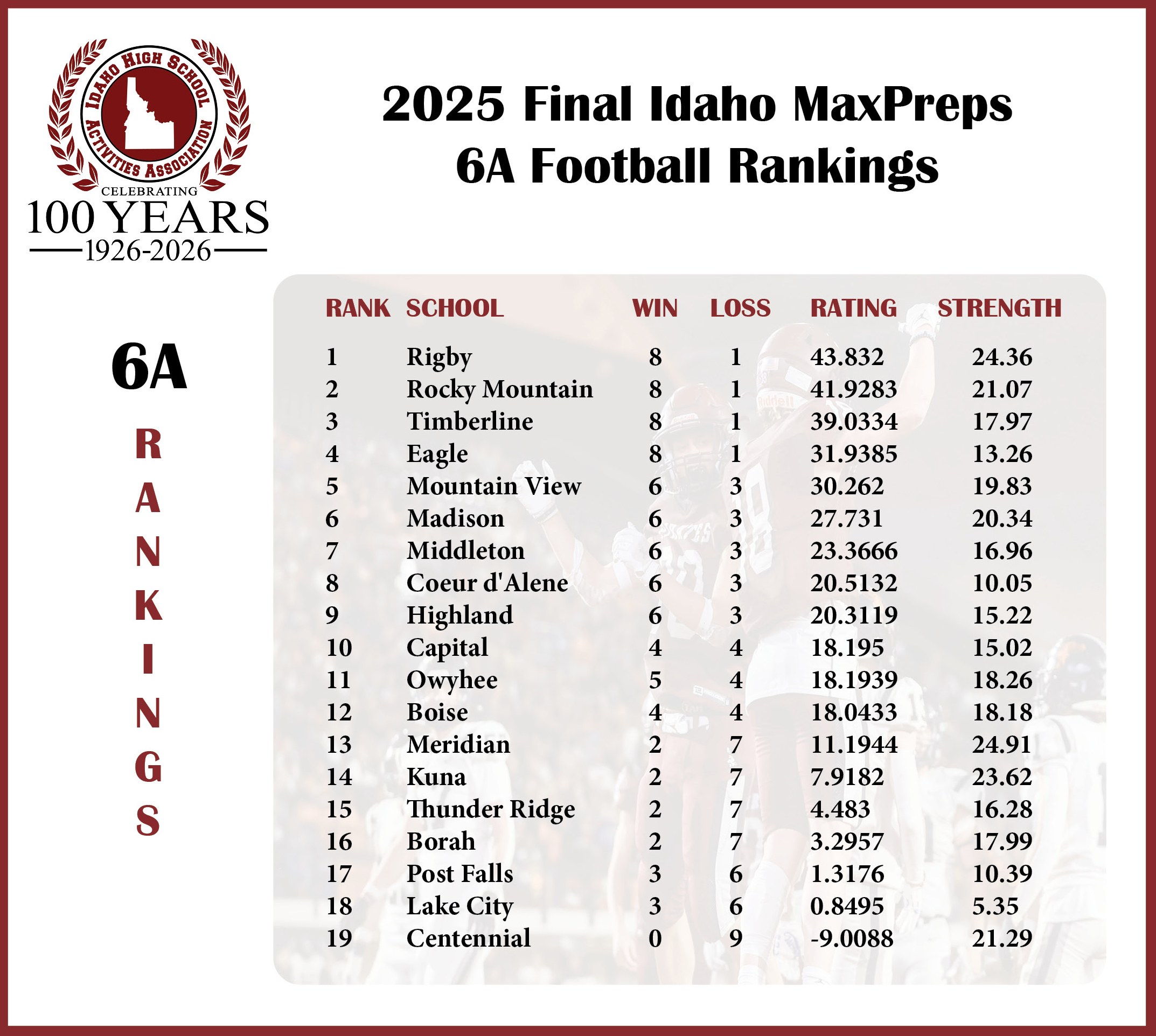
As the 2026 high school football postseason rapidly approaches, administrators, coaches, and digital sports analysts are closely tracking the shifting landscape of regional qualification systems. Reports from the field indicate that proprietary algorithmic rankings and state-association adjustments are fundamentally reshaping how teams secure their spots in the modern maxpreps football playoffs.
| Metric / Detail | Current Status (2026 Season) |
|---|---|
| Primary Evaluation Tool | Proprietary ranking algorithms & state power ratings |
| Data Integration | Real-time score updates, strength of schedule metrics |
| Streaming & Broadcast | Expanded NFHS Network and digital regional partnerships |
| Key Stakeholders | State Athletic Associations, MaxPreps, NFHS, student-athletes |
Observing the current market trend in scholastic sports data, the reliance on digital platforms for postseason seeding has reached an all-time high. Athletic directors across multiple states report that transparency in playoff point calculation remains the single most scrutinized aspect of the autumn schedule, driving unprecedented traffic to dedicated tracking dashboards.
The Catalyst: Why MaxPreps Football Playoffs Data is Surging Now
The absolute integration of computerized power indices into state association rulebooks has transformed casual Friday night games into critical data points for postseason survival. Where simple win-loss records once dictated championship qualification, complex strength-of-schedule formulas now rule the conversation.
Industry insiders note that teams scheduling aggressive non-conference opponents are increasingly rewarded under the current matrix, even if it results in early-season losses. This structural shift has altered coaching strategies nationwide, forcing programs to prioritize playoff point accumulation over undefeated records against inferior competition.
Expert Analysis & Implications
From a competitive standpoint, the centralization of postseason data through platforms like MaxPreps introduces both profound equity and intense pressure. Student-athletes and coaching staffs are forced to navigate a transparent digital ecosystem where every quarter's point differential can shift a team's playoff seed by multiple lines.
Analyzing the broader ripple effect, this quantitative approach mitigates subjective human bias from traditional committee voting models. However, it also exposes vulnerabilities in rural or geographically isolated districts where finding competitive out-of-region opponents remains a logistical hurdle.
Consumer and Reader Guide: Tracking the Postseason
Navigating the labyrinth of state-by-state postseason brackets requires a systematic approach for fans, scouts, and families.
- Monitor Official Rankings Weekly: Check regional power index updates immediately following Monday morning data reconciliations to see accurate mathematical shifts.
- Understand Strength Factors: Review how bonus points are awarded for defeating higher-classification or winning opponents within your specific state jurisdiction.
- Utilize Streaming Hubs: Coordinate with the NFHS Network and local broadcast partners early, as regional elimination games frequently shift to exclusive digital paywalls.
- Verify State Association Directives: Always cross-reference algorithmic standings with your respective state athletic association's official tournament bulletin for tie-breaking protocols.
The Road Ahead: What to Expect as Winter Approaches
As the regular season winds down and district races narrow, the margin for error within the digital ranking systems will compress drastically. Analysts anticipate late-season volatility as bubble teams fight for the final qualifying slots under microscopic scrutiny.
Ultimately, the evolving architecture of the high-stakes postseason points toward a fully automated, data-transparent future for scholastic athletics. Stakeholders must adapt to this metric-driven environment, ensuring that on-field execution seamlessly aligns with the mathematical requirements of the championship chase.