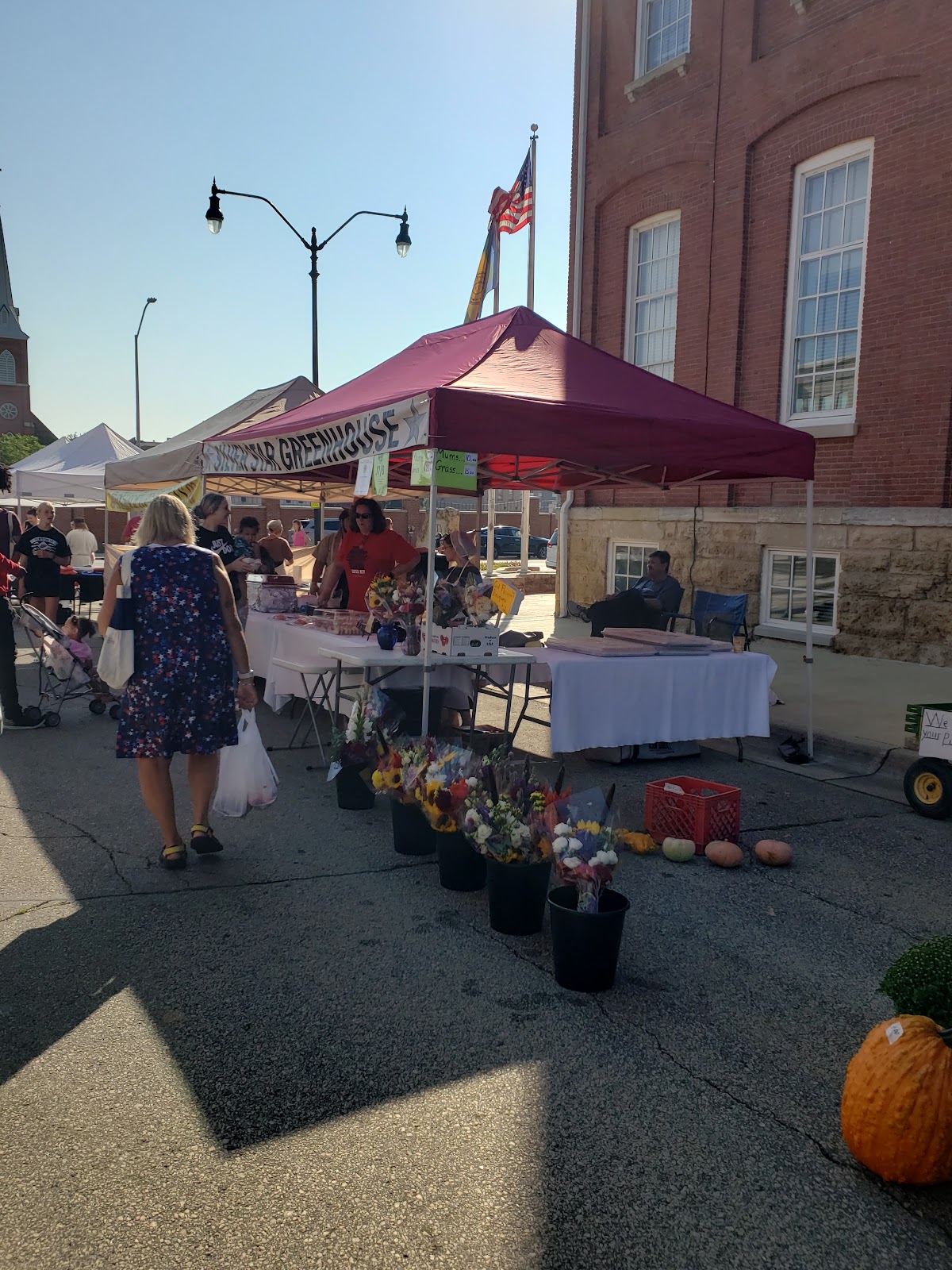
The term "market place dubuque" predominantly refers to the vibrant retail, dining, and professional service hub located in Dubuque, Iowa, characterized by its historical architectural significance and its role as a central pillar for regional economic activity. This guide focuses on the commercial landscape of downtown Dubuque and the surrounding business districts as they stand in 2026, serving as an authoritative reference for residents, investors, and visitors seeking to engage with the local economy.
Understanding the Economic Architecture of Dubuque
Dubuque’s commercial identity is defined by a unique synthesis of heritage preservation and modern infrastructure. As of 2026, the local market place has transitioned into a hybrid model, balancing high-traffic pedestrian zones with sophisticated digital fulfillment centers. The city serves as a primary hub for the tri-state area, drawing consumers from Illinois, Wisconsin, and Iowa.
The economic stability of this region is bolstered by the Dubuque Area Chamber of Commerce and targeted urban renewal projects that have prioritized mixed-use developments. By 2026, the focus has shifted toward "experiential retail," where local entrepreneurs leverage proximity to the Mississippi River and the Port of Dubuque to differentiate themselves from national e-commerce giants.
Key Commercial Districts and Strategic Nodes
To navigate the Dubuque market place effectively, stakeholders must understand the distinct roles of the city’s primary commercial zones. Each district maintains a specific zoning profile and target consumer base.
- The Historic Main Street District: This area serves as the anchor for small-to-medium enterprises. It utilizes the Facade Improvement Program to maintain aesthetic standards while hosting a high density of specialized retail and boutique dining.
- The Port of Dubuque: This district represents the industrial-commercial nexus. In 2026, it serves as the center for hospitality, corporate offices, and seasonal tourism, maintaining the highest concentration of high-value commercial real estate in the city.
- JFK Road and West End Corridors: These areas function as the high-volume retail hubs, housing national chains, grocery anchors, and big-box electronics retailers. These districts are essential for logistical operations and high-velocity consumer spending.
Comparative Overview of Market Segments
Navigating the local business environment requires an understanding of where specific services are concentrated. The following table highlights the operational focus of the major sectors within the 2026 Dubuque commercial landscape.
| Sector | Primary Location | Target Consumer | 2026 Strategic Focus |
|---|---|---|---|
| Boutique Retail | Main Street | Local/Regional Tourists | Sustainable/Handcrafted Goods |
| Corporate Services | Port of Dubuque | B2B/Regional Headquarters | Digital Infrastructure Integration |
| Big-Box Retail | West End/JFK | General Public | Omni-channel Fulfillment |
| Artisan Food/Dining | Central/Main Street | Residents/Visitors | Farm-to-Table Supply Chain |
Operational Guidelines for Local Entrepreneurs
Establishing a presence in the Dubuque market place requires adherence to local municipal codes and regional economic standards. As of 2026, the City of Dubuque has updated its unified development code to prioritize energy-efficient renovations and smart-city connectivity.
Regulatory Compliance Requirements
All new commercial entities must verify their zoning permits through the Dubuque Planning and Development Department. Current guidelines require adherence to the 2026 Downtown Master Plan, which emphasizes pedestrian-friendly storefronts and signage limitations intended to preserve the historic integrity of the central districts. Businesses are encouraged to consult with the Greater Dubuque Development Corporation to align with regional workforce development initiatives, ensuring that local recruitment efforts match the 2026 economic growth projections.
Strategic Advantages of the Dubuque Location
The strategic value of the Dubuque market place in 2026 is derived from its geographic location and its status as a "micro-metropolitan" city. Unlike larger urban centers, Dubuque offers a concentrated consumer base with high brand loyalty, which can be leveraged through localized SEO and community-focused marketing strategies.
- Regional Catchment Area: Dubuque captures consumer demand from a 50-mile radius, encompassing Grant County in Wisconsin and Jo Daviess County in Illinois.
- Workforce Resilience: The local labor market has shown a 3.2% growth rate in specialized service sectors as of Q1 2026, providing a stable foundation for retail and service-based businesses.
- Digital Adoption: Local businesses that have integrated mobile payment platforms and local inventory search features see a 22% higher conversion rate compared to traditional storefronts.
Challenges and Mitigation Strategies
While the Dubuque market provides significant opportunities, it is not without operational hurdles. In 2026, supply chain volatility and the competition for talent remain the primary risks for local firms.
- Talent Acquisition: With a tightening labor market, businesses are increasingly utilizing the "Dubuque Works" initiative to streamline the onboarding of skilled labor.
- Inventory Management: Due to the geographic constraints of the Mississippi River valley, logistics firms are adopting predictive inventory modeling to mitigate seasonal shipping delays.
- Market Saturation: New entrants must conduct a thorough competitive analysis, focusing on underserved niches such as sustainable home goods or specialized medical support services.
Frequently Asked Questions
What is the best way to identify current business listings in Dubuque? The most accurate source is the official Dubuque Area Chamber of Commerce online directory, which is updated continuously throughout 2026. This platform ensures that you are viewing verified business hours, contact information, and current operational status.
Are there specific incentives for opening a retail store in Downtown Dubuque? Yes, the city offers targeted grant programs through the Economic Development Department for businesses that renovate historic properties. These incentives aim to balance preservation with the requirements of modern retail accessibility.
How does the 2026 tax structure affect local retailers? Dubuque operates under Iowa state tax guidelines, which have remained stable as of 2026, though local property tax assessments are adjusted annually. Investors should review the latest City Council budget reports to understand upcoming infrastructure impact fees.
Is there a surge in demand for professional services in Dubuque? Yes, as the regional economy diversifies, there is an increasing demand for B2B services, including cybersecurity consulting, digital marketing, and automated supply chain management.
What is the role of the Port of Dubuque in the local retail economy? The Port of Dubuque acts as an economic anchor, driving tourism and high-traffic events that support the surrounding hospitality and retail establishments. It is essential for businesses in the vicinity to synchronize their marketing efforts with event calendars hosted at the Port.
Future-Proofing Your Business Strategy
As we move through the second half of 2026, the Dubuque market place remains a robust environment for those who prioritize community integration and digital efficiency. The key to long-term success involves blending the traditional values of a river city with the technological expectations of the modern consumer. Whether you are a local entrepreneur or a potential investor, focusing on the specific needs of the tri-state area while maintaining high standards for service will yield a sustainable competitive advantage. For further assistance in establishing your commercial footprint, contact the regional development offices to discuss current zoning availability and economic development opportunities.