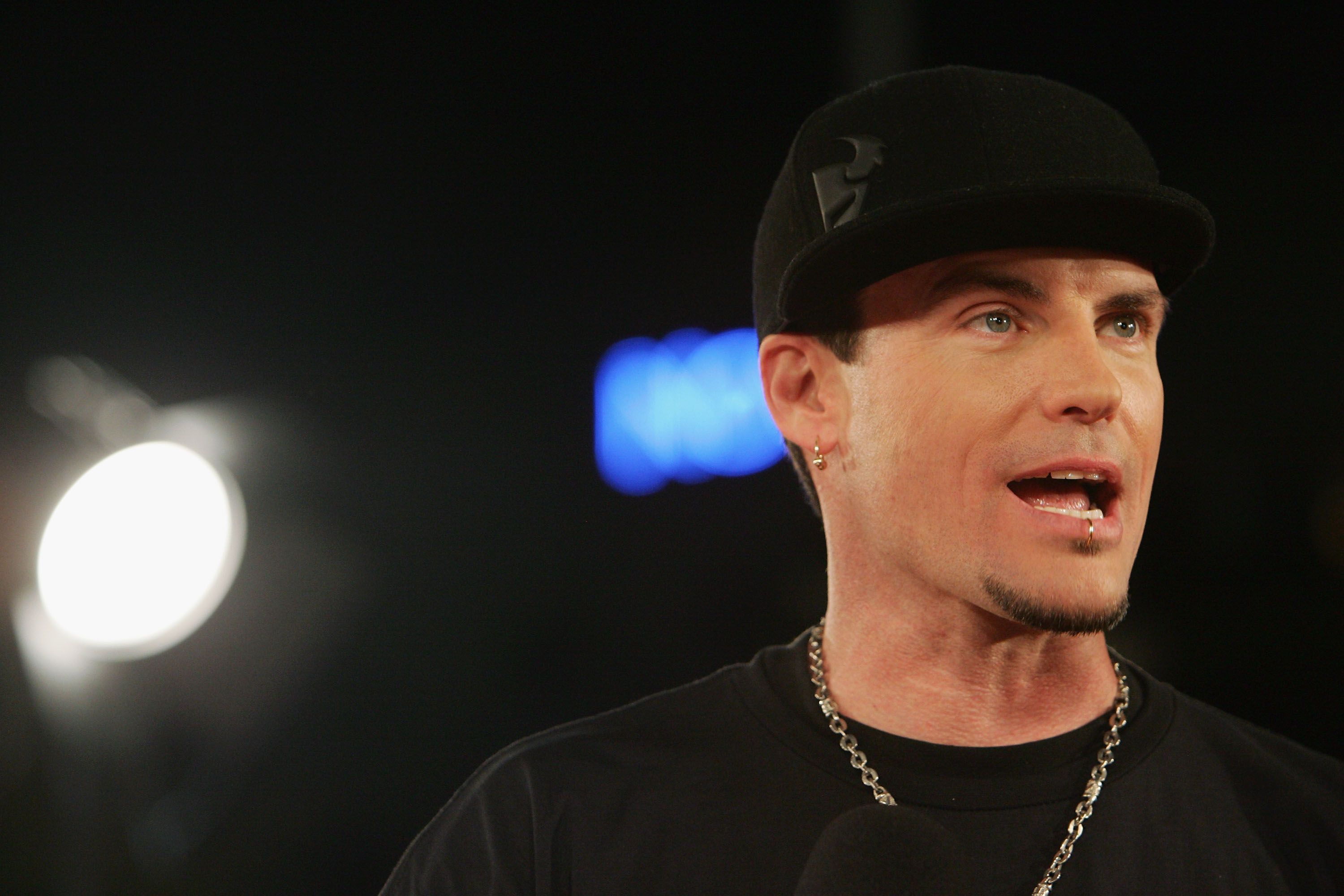
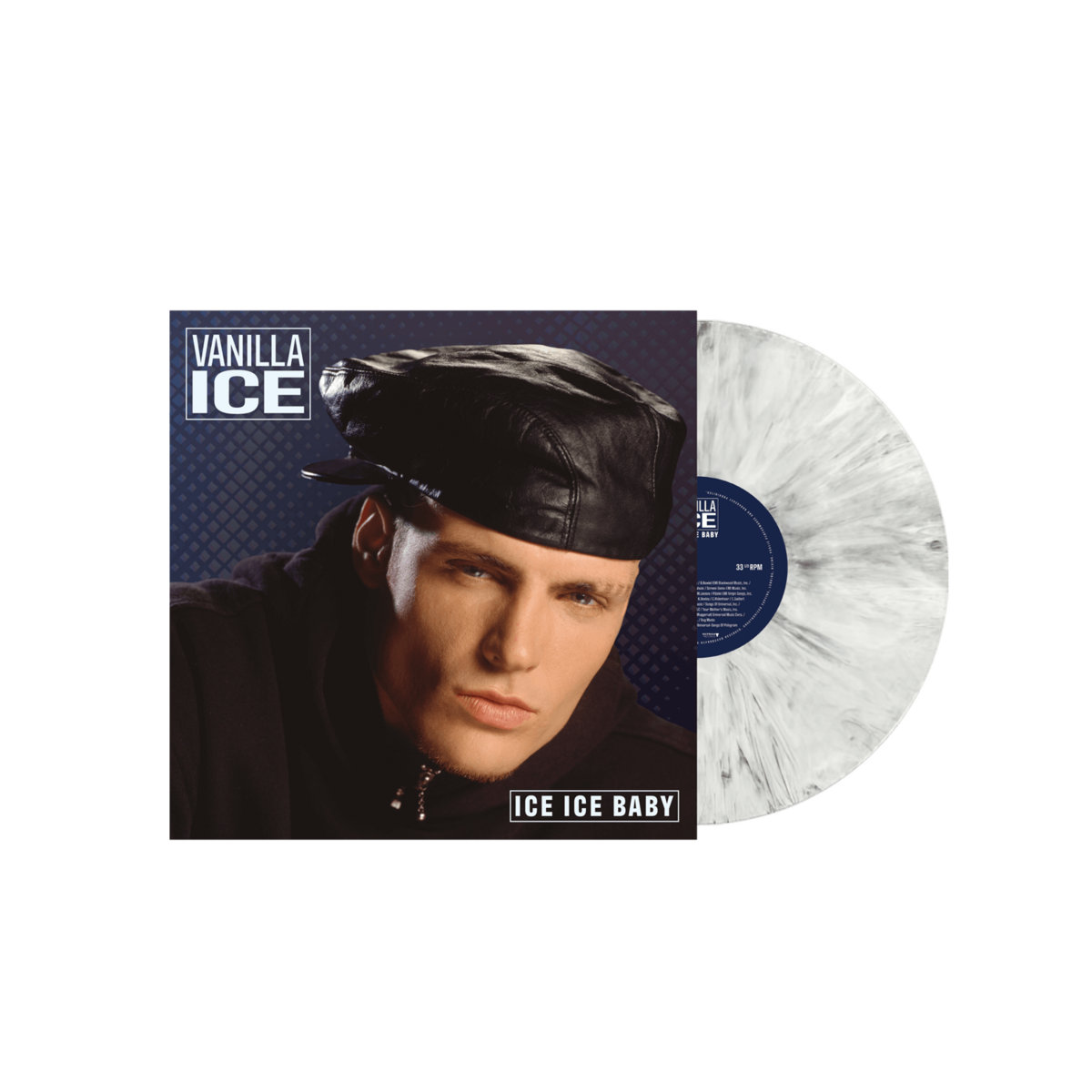
Vanilla Ice (Robert Matthew Van Winkle) has sold an estimated 20 million records worldwide throughout his career. The vast majority of these sales stem from his 1990 major-label debut album, To the Extreme, which sold over 15 million copies globally and achieved 7x Platinum status in the United States, while his second album, Mind Blowin', experienced a sharp drop in commercial sales.
The Breakthrough: To the Extreme and the 1990 Sales Boom
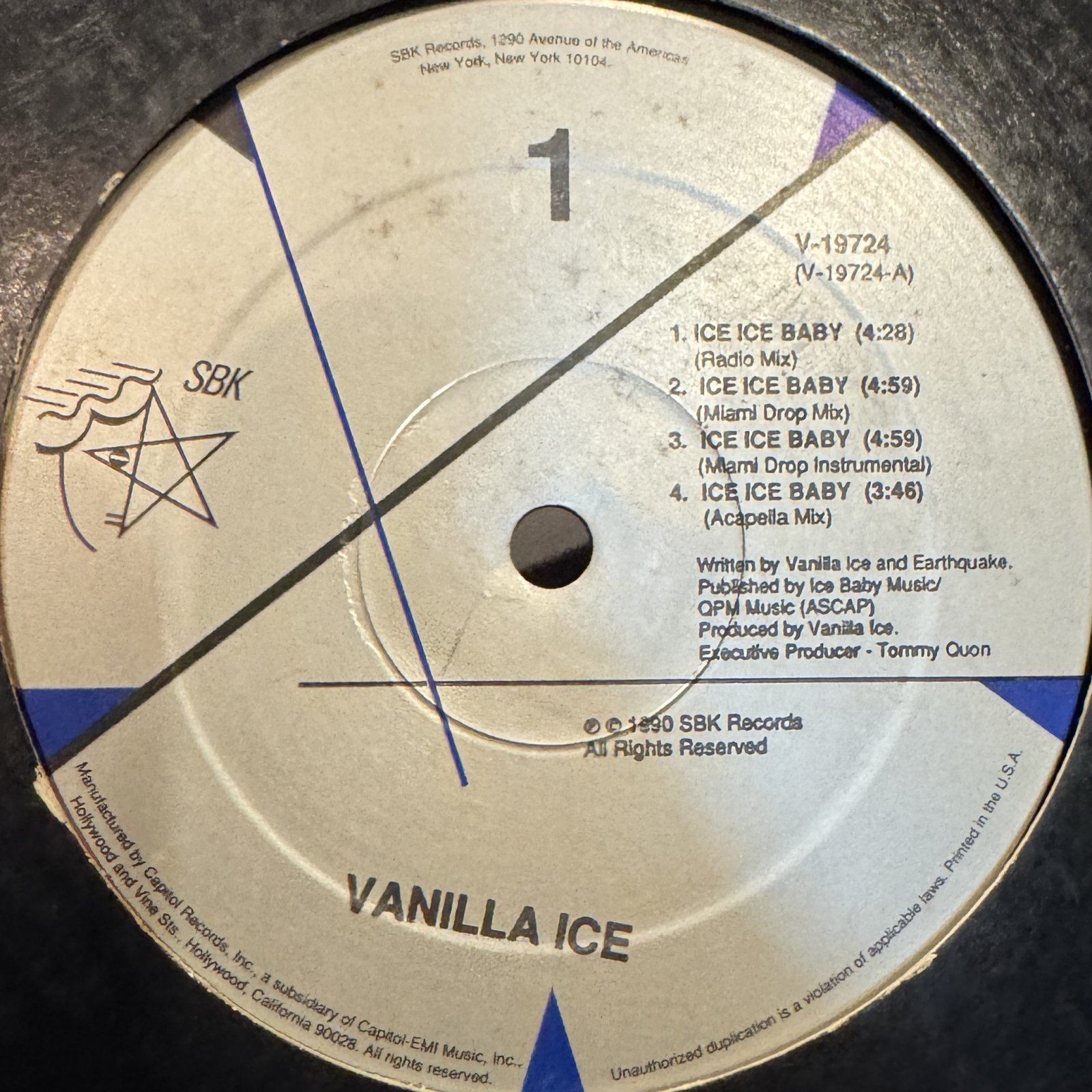
Vanilla Ice’s rise to global fame in 1990 remains one of the fastest commercial accelerations in modern music history. Released on August 3, 1990, by SBK Records, To the Extreme became a commercial juggernaut driven by the massive success of its hit lead single, "Ice Ice Baby."
"Ice Ice Baby" holds a historical distinction as the first hip-hop single to reach number one on the Billboard Hot 100 chart. The single’s pop-inflected crossover appeal expanded rap music into mainstream radio formats that had historically been reluctant to play hip-hop. This radio dominance translated into huge physical record sales, with millions of buyers purchasing the full-length album on CD, cassette tape, and vinyl.
Album Timeline & Market Impact:
- 1989: Initial release as 'Hooked' (Ichiban Records) – ~48,000 sales
- 1990: SBK remasters & re-releases as 'To the Extreme' – 7,000,000+ US sales
- 1991: Album spends 16 consecutive weeks at #1 on Billboard 200
By early 1991, To the Extreme spent 16 consecutive weeks at the top of the Billboard 200 album chart. According to official data from the Recording Industry Association of America (RIAA), the album earned a 7x Platinum certification on June 4, 1991, indicating seven million units shipped within the United States alone. Globally, distributors estimate that To the Extreme surpassed 15 million total copies sold, making it one of the highest-selling hip-hop albums of the 1990s.
Sales Performance of Vanilla Ice’s Second Studio Album (Mind Blowin')
A frequent point of confusion when evaluating Vanilla Ice's sales numbers involves his second studio effort. Listeners often ask about the commercial performance of his second major album, Mind Blowin', released in March 1994.
Unlike its multi-platinum predecessor, Mind Blowin' struggled commercially. By the mid-1990s, the hip-hop landscape had shifted dramatically toward West Coast G-Funk, East Coast boom-bap, and alternative rock/grunge. In an effort to align with evolving music trends, Vanilla Ice altered his musical style and image, introducing dreadlocks, heavy funk-metal influences, and explicit lyrics.
Commercial Comparison: Debut vs. Second Album
| To the Extreme (1990) | Mind Blowin' (1994) |
|---|---|
| Billboard 200 Rank: #1 | Billboard 200 Rank: #140 |
| US RIAA Status: 7x Platinum | US RIAA Status: Uncertified |
| Global Sales: ~15,000,000 | Global Sales: ~50,000 |
The commercial response to Mind Blowin' was underwhelming:
- Domestic Sales: Initial reports indicated domestic US sales ranged between 42,000 and 50,000 units.
- Chart Position: The album peaked at number 140 on the Billboard 200 before falling off the charts entirely.
- Label Status: SBK Records folded shortly after the album's release, halting radio promotion, music video funding, and physical distribution.
Because Mind Blowin' sold only a small fraction of the units moved by To the Extreme, it never earned an RIAA sales certification (which requires a minimum of 500,000 units for Gold status).
Complete Discography Sales and Certification Breakdown
To understand Vanilla Ice’s complete commercial footprint, it is necessary to examine his entire discography, including live recordings, remix projects, independent records, and major physical singles.
| Release Title | Release Year | Format / Type | RIAA Certification (US) | Estimated US Sales | Estimated Global Sales |
|---|---|---|---|---|---|
| Hooked | 1989 | Studio Album (Independent) | None | 48,000 | 50,000 |
| To the Extreme | 1990 | Studio Album (Major Debut) | 7x Platinum | 7,000,000+ | 15,000,000+ |
| Extremely Live | 1991 | Live Album | Gold | 500,000+ | 1,000,000 |
| Mind Blowin' | 1994 | Studio Album (2nd Major) | None | 45,000 | 50,000+ |
| Hard to Swallow | 1998 | Studio Album (Nu-Metal) | None | 100,000 | 150,000 |
| Bipolar | 2001 | Double Studio Album | None | 12,000 | 15,000 |
| Platinum Underground | 2005 | Studio Album | None | < 10,000 | < 10,000 |
| W.T.F. (Wisdom, Tenacity and Focus) | 2011 | Studio Album | None | < 5,000 | < 5,000 |
| "Ice Ice Baby" (Single) | 1990 | Physical Single | Platinum | 1,000,000+ | 3,000,000+ |
| "Play That Funky Music" (Single) | 1990 | Physical Single | Gold | 500,000+ | 1,000,000+ |
Outside of To the Extreme and the 1991 live project Extremely Live (which reached Gold status with over 500,000 sales in the US), Vanilla Ice’s subsequent releases operated primarily within niche independent markets. His 1998 comeback attempt, Hard to Swallow, produced by Ross Robinson, embraced a heavy nu-metal sound and moved approximately 100,000 copies, representing his strongest commercial result post-1991.
Global Distribution and International Markets
While US sales accounted for roughly half of Vanilla Ice’s total revenue, international markets contributed significantly to his lifetime record totals. During 1990 and 1991, To the Extreme achieved major chart positions across Europe, North America, and Oceania.
Canada and the United Kingdom
In Canada, Music Canada certified To the Extreme 6x Platinum (600,000 units sold). In the United Kingdom, the British Phonographic Industry (BPI) certified the record Platinum, representing over 300,000 physical copies sold. "Ice Ice Baby" reached the number one spot on the UK Singles Chart, becoming a major retail hit during the 1990 holiday shopping season.
Australia and New Zealand
Across Australia, the Australian Recording Industry Association (ARIA) certified To the Extreme Platinum, supported by an extensive promotional tour. The album also reached top-ten status in New Zealand, Germany, Austria, and Switzerland.
How 1990s Music Industry Accounting Affected Recorded Sales
Understanding Vanilla Ice’s sales total requires context around how record sales were tracked in the early 1990s compared to today.
Pre-SoundScan Reporting Systems
When To the Extreme was released in August 1990, the music industry relied on manual reporting from retail stores to rank albums on the Billboard 200. Nielsen SoundScan (now Luminate) was introduced in May 1991 to electronically track cash-register barcode scans.
Before SoundScan, sales figures were often estimated by record labels based on distributor shipments rather than direct register sales. While this meant early shipment counts could fluctuate, RIAA certifications offered reliable audits by verifying actual wholesale shipments net of returns.
Physical Singles vs. Modern Streaming Equivalents
In 1990, fan engagement was measured almost entirely through physical format purchases (tapes, CDs, 7-inch vinyl records).
1990 Physical Sales Model:
- 1 Album Sale = 1 Physical Unit Shipped (CD/Cassette/Vinyl)
Modern Streaming Equivalent (RIAA Standard):
- 1 Album Unit = 10 Track Downloads OR 1,500 On-Demand Audio/Video Streams
If Vanilla Ice's 1990 consumption numbers were converted using modern RIAA Streaming Equivalent Album (SEA) formulas—where 1,500 streams equal one album sale—his lifetime digital and streaming totals would be significantly higher due to ongoing catalog plays of "Ice Ice Baby" across digital platforms.
Industry Pressures and Legal Factors Impacting Sales Trajectory
Several factors contributed to the steep commercial decline between Vanilla Ice's first and second studio albums:
Sampling Controversy and Royalty Settlements:"Ice Ice Baby" relied heavily on the bassline from the 1981 track "Under Pressure" by Queen and David Bowie. Because the sample was initially uncredited, legal pressure forced a settlement that awarded songwriting credit and royalties to the original creators. This dispute impacted the financial profits of the single's distribution.
Publicity and Image backlash:In 1991, public relations controversies regarding exaggerated press biographies damaged Vanilla Ice's credibility within mainstream pop culture and the rap community.
Over-Saturation and Market Fatigue:SBK Records heavily commercialized Vanilla Ice’s likeness through merchandise, doll lines, film projects (Cool as a Ice), and compilation appearances. This fast commercialization led to rapid audience fatigue by late 1991.
Evolution of Hip-Hop Culture:By the time Vanilla Ice recorded his second album Mind Blowin' in 1993–1994, hip-hop listeners had gravitated toward authentic regional sounds, rendering early 1990s pop-rap styles commercially obsolete.
How to Verify Historical Record Sales Data
For music researchers, journalists, and fans analyzing historical album sales, verifying primary source records is essential.
Step 1: Query Official Certification Databases
Check national trade group databases directly rather than relying on unverified internet encyclopedias:
- United States: Search the RIAA Gold & Platinum Database for official US shipment certifications.
- United Kingdom: Query the BPI Certified Awards Database for UK sales levels.
- Canada: Utilize the Music Canada Gold/Platinum Database for Canadian unit counts.
Step 2: Examine Billboard Historical Charts
Review archived issues of Billboard Magazine from late 1990 and early 1991 to trace position trends and peak weeks spent at number one.
Step 3: Differentiate Units Shipped from Units Sold
Note that RIAA certifications measure shipments from record manufacturers to retail channels (minus returns), whereas Nielsen SoundScan data measures point-of-sale register purchases. For older catalog albums released before May 1991, RIAA certifications remain the standard baseline for overall physical performance.
Frequently Asked Questions
What is Vanilla Ice’s best-selling album of all time?
Vanilla Ice’s best-selling album is his 1990 major-label debut, To the Extreme. It sold over 7 million physical copies in the United States and surpassed 15 million sales worldwide.
How many copies did the single "Ice Ice Baby" sell?
The single "Ice Ice Baby" sold over 1 million physical copies in the US, earning an official Platinum single certification from the RIAA. Worldwide, physical and digital downloads of the single are estimated to exceed 3 million units.
How many records did Vanilla Ice's second album sell?
Vanilla Ice's second major studio album, Mind Blowin' (1994), sold approximately 45,000 to 50,000 copies in the United States. It did not earn any RIAA certifications due to low sales figures compared to his debut.
Is Vanilla Ice certified Diamond by the RIAA?
No. An RIAA Diamond certification requires 10 million certified units in the United States. To the Extreme reached 7x Platinum (7 million units), falling short of the Diamond threshold.
Did Vanilla Ice write "Ice Ice Baby"?
Vanilla Ice wrote the lyrics to "Ice Ice Baby," but the song's instrumental track sampled the bassline from "Under Pressure" by Queen and David Bowie. Following a legal dispute over uncredited sampling, Freddie Mercury, Brian May, Roger Taylor, John Deacon, and David Bowie were officially added as co-writers.
Recommended Next Steps for Music Historians and Researchers
If you are researching early 1990s music industry sales data or conducting catalog evaluations, follow these steps to ensure accuracy:
- Cross-Reference Data Sources: Always verify secondary sales claims against official databases like the RIAA, BPI, ARIA, and Luminate.
- Account for Format Disparities: Distinguish between physical cassette/CD units sold during the 1990s and modern Streaming Equivalent Albums (SEA).
- Document Regional Variations: Account for differences between domestic US sales figures and total global estimates, as international distribution deals often yield separate reporting metrics.