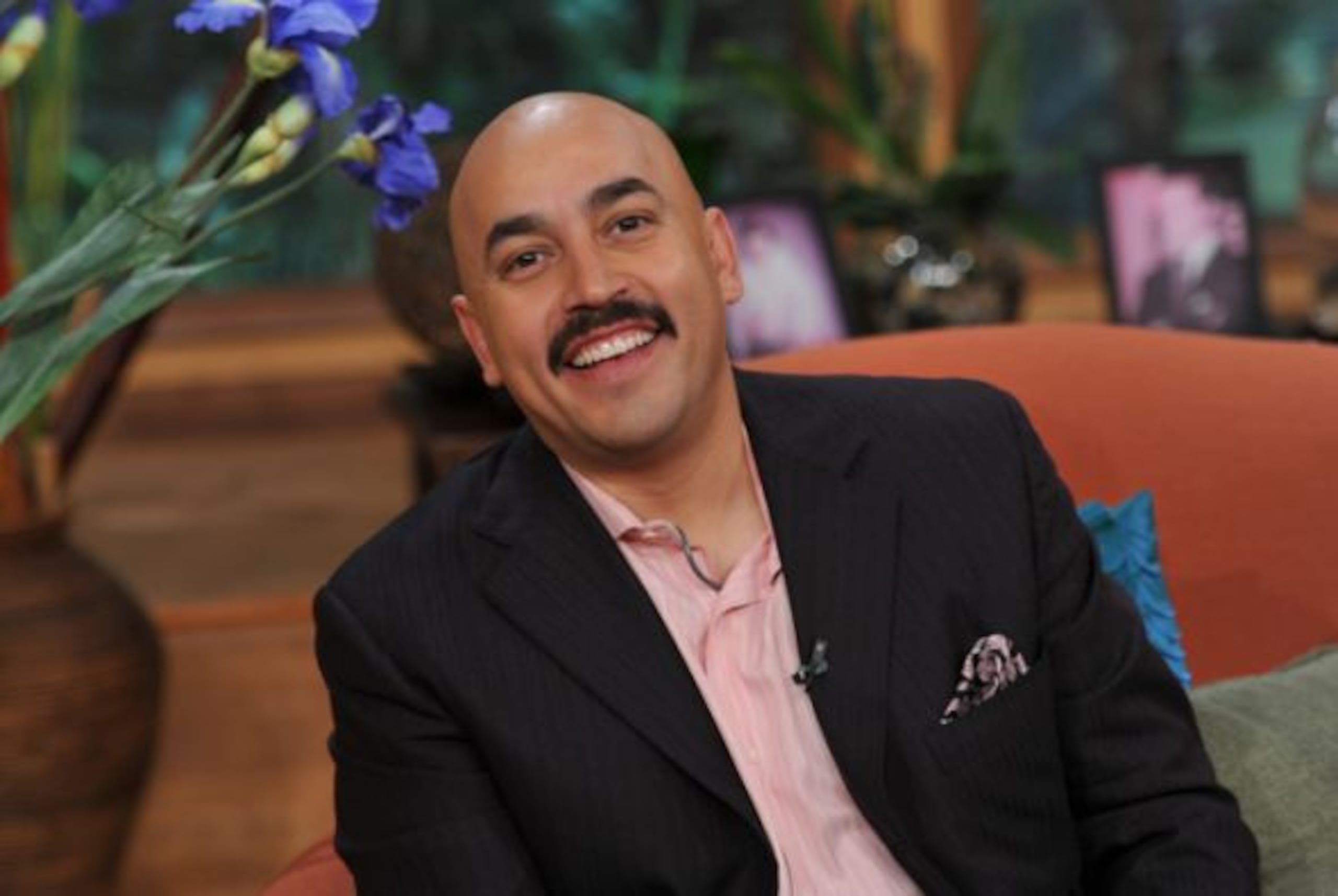
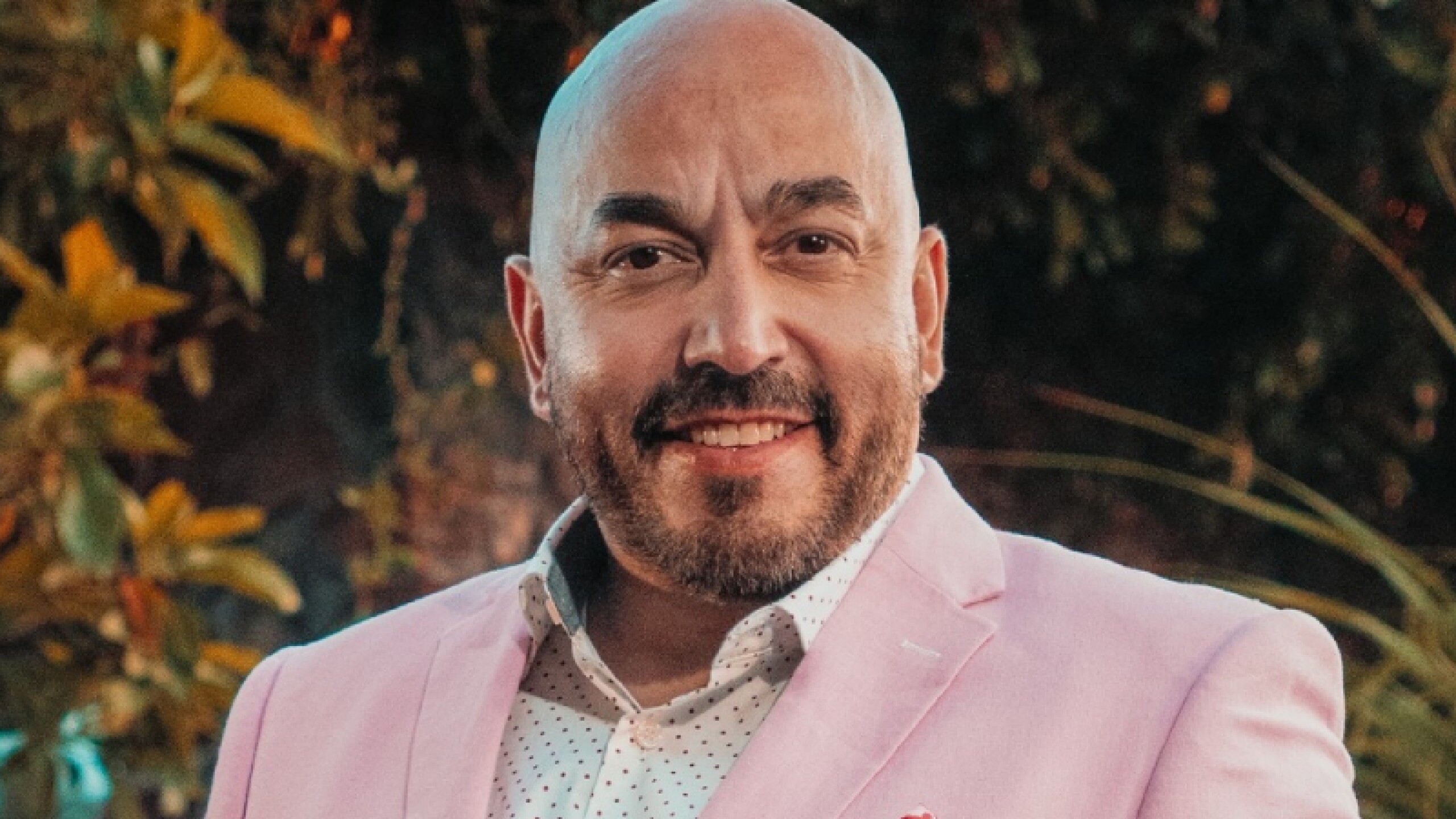
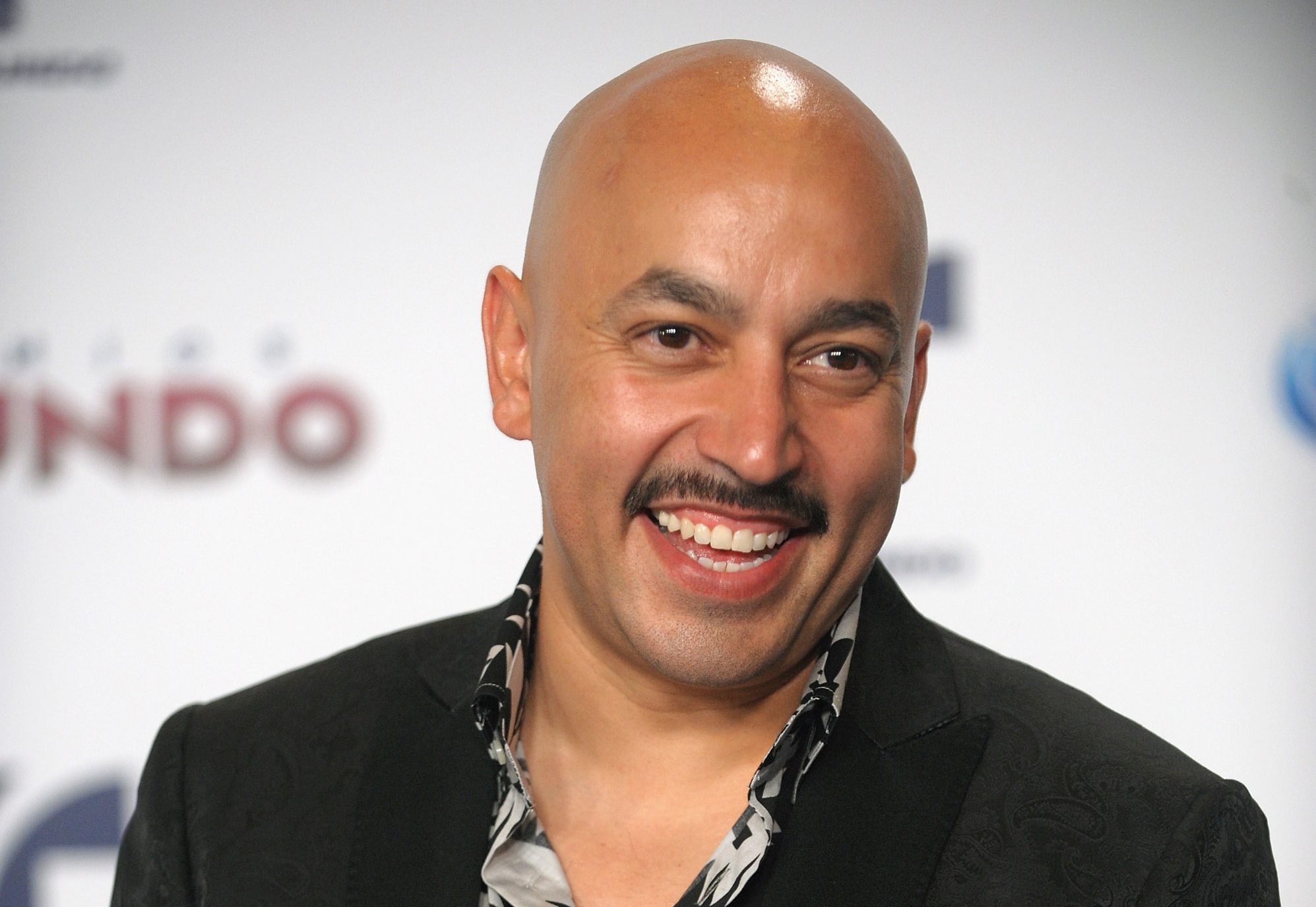
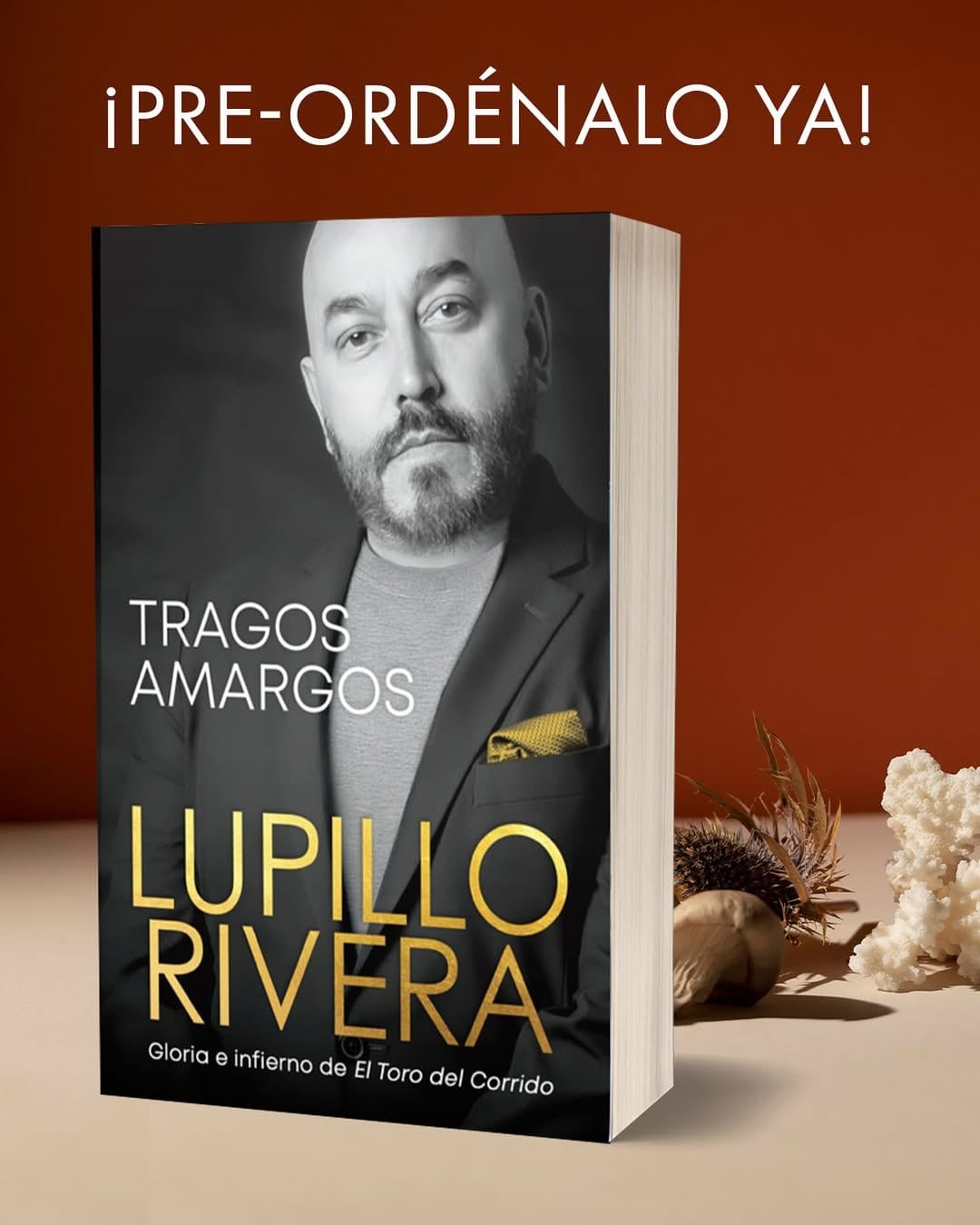
Lupillo Rivera, the iconic "El Toro del Corrido," was born in Long Beach, California, on January 30, 1972. While his music is deeply rooted in the traditional sounds of Mexico, he is a United States citizen by birth, representing the vibrant fusion of Mexican-American culture that has defined the regional Mexican music industry for decades.
The Long Beach Roots of a Musical Dynasty
To understand the significance of where Lupillo Rivera was born, one must look at the landscape of Long Beach, California, in the early 1970s. Long Beach served as the fertile ground where the Rivera family planted their roots after emigrating from Mexico. Unlike many of his contemporaries who were born in rural Mexican states like Sinaloa or Jalisco, Lupillo grew up in a urban American environment, which provided him with a unique perspective on the "corrido" genre.
Being born in Long Beach placed Lupillo at the heart of a burgeoning immigrant community. This location was instrumental in the formation of his father’s business, Cintas Acuario. Long Beach was not just a place of residence; it was the headquarters for a musical revolution. The city’s diverse demographic allowed the Rivera family to market traditional Mexican music to a displaced population hungry for the sounds of their homeland, while also incorporating the swagger and production quality of American media.
Lupillo’s upbringing in California meant that he was exposed to a dual-reality: the strict, traditional Mexican values and musical styles taught by his father, Pedro Rivera, and the fast-paced, multi-cultural reality of Southern California. This duality is a hallmark of his career, allowing him to bridge the gap between "paisanos" in the fields and second-generation youth in the cities.
The Journey from La Barca to California
While Lupillo was born in the United States, the story of his birth is inseparable from his parents' journey from Mexico. His father, Pedro Rivera, and his mother, Rosa Saavedra, originated from La Barca, Jalisco, and Hermosillo, Sonora, respectively. Their migration to the United States in the late 1960s was driven by the classic search for the "American Dream."
The transition from the rural landscapes of Jalisco to the industrial corridors of Long Beach was a stark one. By the time Lupillo was born in 1972, the family was still establishing its financial footing. This era of his life was marked by hard work; his father sold buttons and worked various odd jobs before finding success in the music industry. Understanding this timeline is crucial for fans asking "where was Lupillo Rivera born," because it highlights that his success was not inherited but built from the ground up in the California suburbs.
The Rivera household in Long Beach became a sanctuary for Mexican culture. Despite being on American soil, the language, food, and—most importantly—the music were strictly Mexican. This environment ensured that even though Lupillo was born in California, his artistic "DNA" remained firmly tethered to the traditions of the Mexican countryside.
The Influence of Cintas Acuario and the Long Beach Scene
In the years following Lupillo's birth, his father founded Cintas Acuario, a record label operating out of a small flea market stall and later a dedicated storefront in Long Beach. This label became the launchpad for not only Lupillo but also his sister, the late Jenni Rivera, and legendary figures like Chalino Sánchez.
The fact that Lupillo was born and raised in the same city where this legendary label operated gave him an "insider" education in the music business. He didn't just sing the songs; he helped duplicate cassettes, design album covers, and distribute records. His birthplace provided him with the technical and entrepreneurial tools to manage his career in a way that many artists born in Mexico at the time could not.
Long Beach in the 80s and 90s was also the epicenter of the "Valentin Elizalde" and "Chalino Sánchez" movements. Being present at the "ground zero" of the corrido revival in California allowed Lupillo to witness the transformation of the genre from niche immigrant music to a chart-topping phenomenon.
Comparing the Rivera Family Origins
The Rivera family is often referred to as the "Royal Family of Regional Mexican Music." To provide context on Lupillo's birth and background, it is helpful to see how his origins compare to his siblings and the family legacy.
| Family Member | Relation | Birthplace | Primary Musical Role |
|---|---|---|---|
| Pedro Rivera | Father | La Barca, Jalisco, MX | Producer / Singer / Founder of Cintas Acuario |
| Rosa Saavedra | Mother | Hermosillo, Sonora, MX | Family Matriarch |
| Lupillo Rivera | Subject | Long Beach, California, USA | Lead Vocalist / "El Toro del Corrido" |
| Jenni Rivera | Sister | Long Beach, California, USA | "La Diva de la Banda" |
| Juan Rivera | Brother | Long Beach, California, USA | Singer / Actor |
| Chiquis Rivera | Niece | Los Angeles, California, USA | Contemporary Latin Pop/Banda Singer |
As shown in the table, the shift from Mexico to Long Beach was the defining geographical move for the family. Lupillo and Jenni, the two most successful members of the dynasty, were both born in Long Beach, reinforcing the city's importance to the "Rivera brand."
The "Mexican-American" Identity Crisis in Music
A common point of confusion for fans is why Lupillo Rivera sounds "so Mexican" if he was born in California. This is a testament to his dedication to the craft. Growing up in Long Beach, Lupillo had to work twice as hard to earn the respect of audiences in Mexico. Early in his career, he faced the "ni de aquí, ni de allá" (not from here, nor from there) syndrome.
To overcome this, Lupillo spent significant time in Mexico, immersing himself in the culture of the northern states. He adopted the "charro" and "tejana" aesthetics with such authenticity that many fans in rural Mexico initially assumed he was a native of Jalisco or Sinaloa. His birthplace of Long Beach eventually became a badge of honor, representing the "Chicano" contribution to traditional Mexican music.
By 2026, this cross-border identity has become his greatest strength. He is able to navigate American media markets and Mexican traditional festivals with equal ease. His birth in Long Beach allowed him to be bilingual and bicultural, which has been instrumental in his longevity in an industry that is increasingly globalized.
Legacy of the "Long Beach Legend"
Today, Long Beach honors the Rivera family as local icons. The city is a point of pilgrimage for fans of the genre. When discussing where Lupillo Rivera was born, it is not just a geographical fact; it is a statement about the evolution of Mexican music in the United States.
Lupillo’s birth in 1972 coincided with the rise of the Chicano movement, and his career has mirrored the growing political and cultural power of Mexicans in California. He transformed the image of the "born-in-the-USA" Mexican singer from someone who only sang in English to someone who could master the most complex nuances of the "banda" and "mariachi" styles.
Frequently Asked Questions
Was Lupillo Rivera born in Mexico?
No, Lupillo Rivera was not born in Mexico. He was born in Long Beach, California, on January 30, 1972. Although his parents are from Mexico and his music is entirely in Spanish, he is a U.S. citizen by birth. This American upbringing gave him a unique perspective on the regional Mexican music industry, allowing him to blend traditional sounds with modern business savvy.
What is Lupillo Rivera's real name?
His birth name is Guadalupe Rivera Saavedra. "Lupillo" is a common diminutive for Guadalupe in Spanish-speaking cultures. He adopted the stage name Lupillo Rivera early in his career, eventually adding the moniker "El Toro del Corrido" due to his powerful voice and commanding stage presence.
Does Lupillo Rivera have dual citizenship?
Yes, Lupillo Rivera holds dual citizenship. Because he was born in the United States to Mexican parents, he is entitled to Mexican citizenship through his lineage ("Jus Sanguinis") while maintaining his U.S. citizenship by birth ("Jus Soli"). He frequently travels between both countries for performances and television appearances.
Why is Long Beach important to Lupillo Rivera's career?
Long Beach is important because it is where his father founded Cintas Acuario, the record label that launched the careers of many regional Mexican stars. Growing up in Long Beach, Lupillo was exposed to the business side of music from a young age, working in his father's studio and record store. The city's large immigrant population also provided the initial audience for his music.
Is Lupillo Rivera the oldest sibling?
No, Lupillo is one of several siblings, but he is not the oldest. The Rivera family is large, including Pedro Jr., Gustavo, Jenni, Juan, and Rosie. The siblings were raised in a tight-knit environment in Long Beach, which contributed to their collective success in the entertainment and music industries.
Summary of the Rivera Identity
Understanding that Lupillo Rivera was born in Long Beach, California, is essential for any fan or historian of the genre. It clarifies the "Chicano" influence on regional Mexican music and highlights the success of the immigrant experience in the United States. His life story serves as a bridge between two nations, proving that heritage is not just defined by where you are born, but by the traditions you choose to uphold. As of 2026, he remains a symbol of Long Beach pride and a titan of the Mexican music scene.