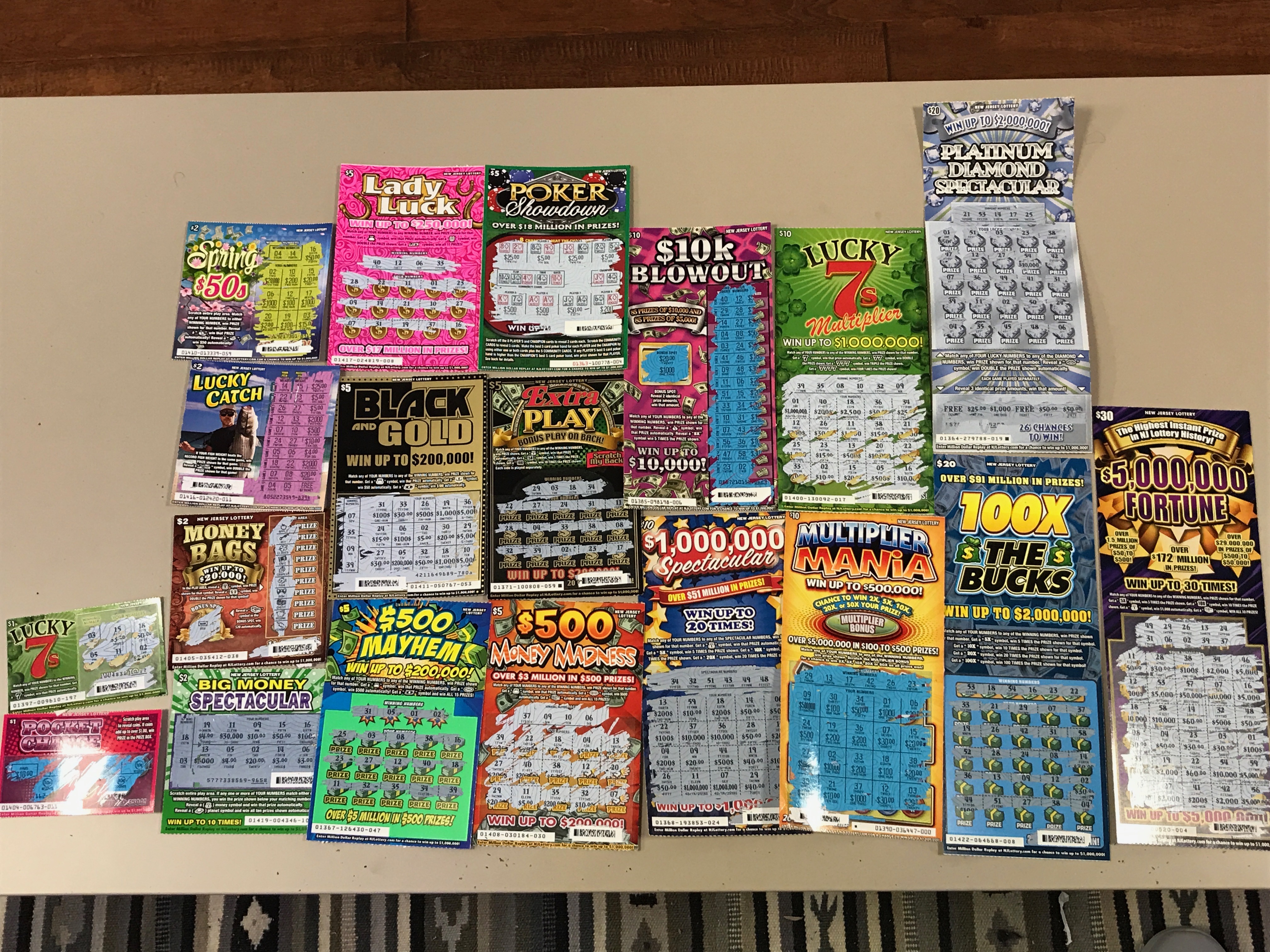
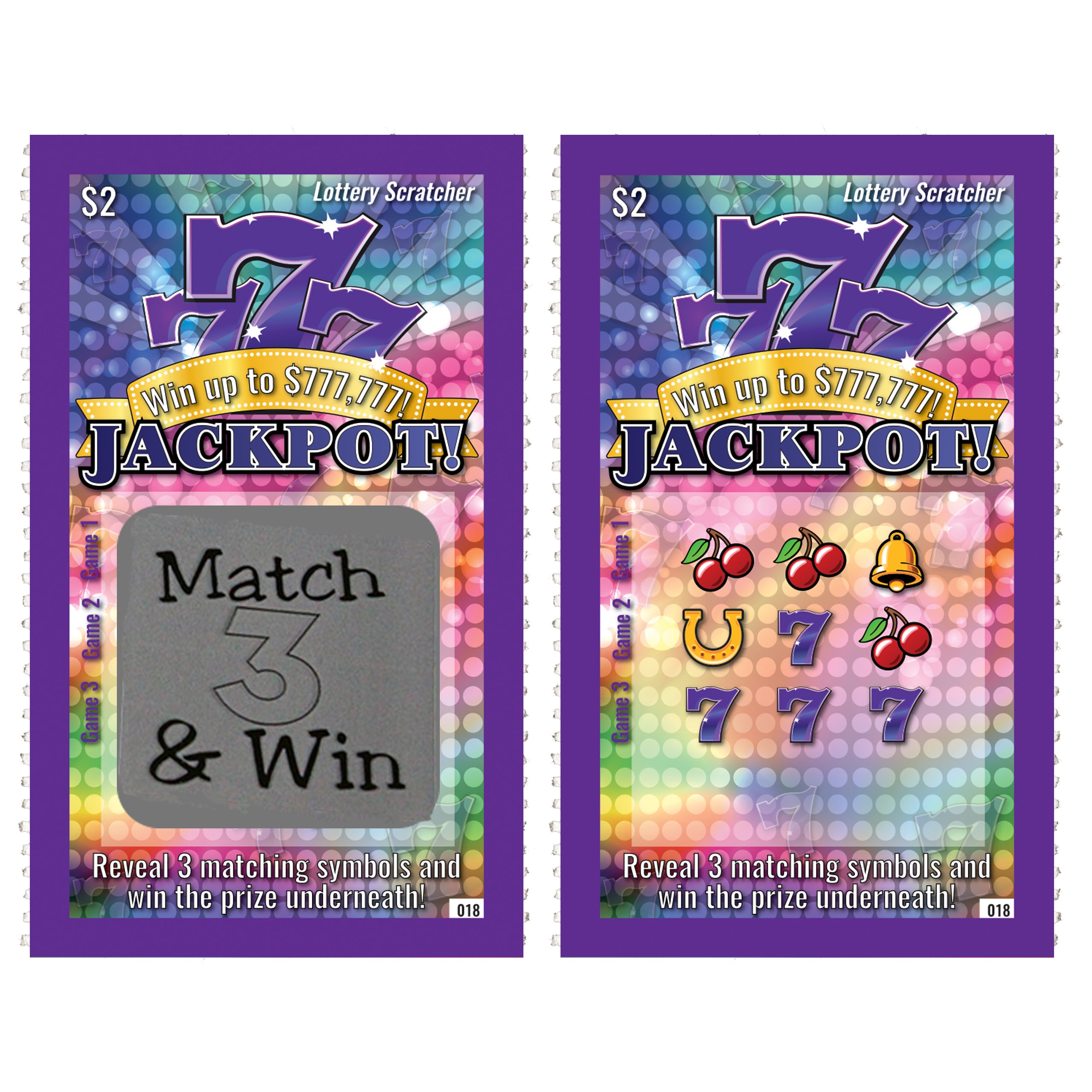
The landscape of the lottery scratch off—commonly referred to as "instant games"—has undergone a significant technological and mathematical evolution as we move through 2026. No longer just a casual impulse purchase at a gas station, modern scratch-offs utilize sophisticated cryptographic seeding and real-time inventory tracking that players can leverage to improve their statistical outcomes. To navigate this high-volatility market, one must understand that "luck" is a secondary factor to "expected value" (EV) and game lifecycle analysis.
This guide clarifies the distinction between physical "scratchers" and the emerging class of digital instant-win games often found on state-regulated iLottery platforms. For the purposes of this analysis, our focus is 100% on physical lottery scratch off tickets and the logistical frameworks governing their distribution, odds, and prize structures in 2026.
The 2026 Instant Win Landscape: Transparency and Tech
In 2026, transparency is the industry standard. Most state lottery commissions have moved beyond monthly updates, now offering hourly refreshes of prize remaining data via centralized APIs. This shift has birthed a new era of "data-driven play," where the technical depth of the average player has increased. You are no longer just buying a piece of cardstock; you are purchasing a fractional entry into a declining prize pool.
The Return to Player (RTP) for a lottery scratch off typically ranges from 60% to 75%, which is significantly lower than casino games like Blackjack or Video Poker. However, the "volatility index" of scratch-offs is much higher, meaning that while you lose more often, the potential for a life-changing "top-heavy" prize is the primary draw. In 2026, we categorize games by their "Game End" protocols and "Liability Limits," which dictate exactly when a retailer must pull a pack of tickets from the shelf once the top prizes are gone.
The Mathematics of the Scratch: RTP, Volatility, and Probability
Understanding the "Overall Odds" listed on the back of a ticket is the first step in expert-level play. These odds represent the total number of winning tickets (including break-even prizes) divided by the total number of tickets printed.
- Low-Volatility Games: These usually have lower price points ($1, $2, or $5) and feature many small prizes. The goal here is "churn"—keeping the player engaged with frequent $2 and $5 wins.
- High-Volatility Games: These are the $30, $50, and $100 "Premium" tickets. They have a lower frequency of small wins but concentrate the prize pool into massive seven-figure payouts.
- The Seed Cycle: Tickets are printed in "books" or "rolls." In 2026, state-of-the-art printing ensures that winning tickets are distributed using pseudo-random number generators (PRNG) to prevent "clustering," though certain logistical patterns in distribution still exist.
Strategic Note: The Depletion Effect As a game nears the end of its lifecycle, the ratio of remaining top prizes to the total number of unsold tickets changes. If a game has sold 90% of its tickets but still has 50% of its grand prizes available, the "Expected Value" of that specific lottery scratch off surges. Professional players in 2026 use automated scrapers to identify these "Positive EV" opportunities.
Comparative Analysis of 2026 Ticket Price Points
The following table breaks down the typical performance metrics for standard lottery scratch off categories available in major markets like Texas, Florida, California, and New York.
| Ticket Price | Average Overall Odds | Typical Top Prize | Estimated RTP % | Target Audience |
|---|---|---|---|---|
| $1.00 | 1 in 4.8 | $500 - $5,000 | 58% - 62% | Casual / Low-Stakes |
| $5.00 | 1 in 4.1 | $100,000 | 65% - 68% | Intermediate |
| $20.00 | 1 in 3.4 | $1,000,000 | 72% - 74% | Value Seekers |
| $50.00 | 1 in 2.9 | $5,000,000 | 75% - 78% | High-Rollers |
| $100.00 | 1 in 2.5 | $20,000,000 | 79% - 82% | Professional / Syndicate |
Advanced Strategies for the 2026 Player
If you are looking to treat the lottery scratch off as more than a game of pure chance, you must adopt the "Wholesale Method" or the "Singleton Analysis" (though the latter is increasingly difficult due to modern security).
The "Book Buying" Strategy
Many serious players in 2026 purchase entire "books" or "rolls" of tickets. A $20 book might contain 30 tickets ($600 total). By purchasing the book, you are guaranteed a certain "minimum prize return" (usually around 40-50% of the book's value). This strategy eliminates the risk of "skunking" (buying five losers in a row at a retail counter) and allows you to hunt for the "outlier" winning ticket within a controlled sample size.
Analyzing Remaining Prize Pools
Before purchasing, you must visit your state’s official lottery website. Look for the "Prizes Remaining" page.
- Green Light: A game where 50% of the tickets are sold, but 80% of the top prizes are still "Active."
- Red Light: A game where only 10% of tickets remain, but 0 top prizes are left. In 2026, many states still allow these tickets to be sold to clear inventory, despite the "grand prize" being impossible to win.
The "Second Chance" Factor
In 2026, the value of a "loser" has never been higher. Most lottery scratch off games now feature a mandatory QR code for "Second Chance" drawings. These digital entries put you into a secondary pool for cash prizes or experiential rewards. When calculating the value of a ticket, you must factor in the "Second Chance Equity," which adds approximately 1-2% to the total RTP.
Regional Guidelines and 2026 Industry Standards
Across the United States and international markets, 2026 has seen the implementation of "Responsible Gaming Limits." In many jurisdictions, lottery retailers are now required to provide "Odds Disclosure Statements" at the point of sale.
Expert Insight: The Myth of the "Hot" Store While retail statistics often show certain stores selling more winning tickets, this is almost exclusively a function of volume, not "luck." A store located in a high-traffic urban center like Times Square or Downtown Houston sells 100x more tickets than a rural outlet, thus statistically ensuring more winners. There is no technical evidence in 2026 that "lucky" terminals exist.
Step-by-Step: How to Claim High-Tier Wins in 2026
If you find yourself holding a "Claimer" (typically any prize over $600), the process in 2026 is significantly more digital than in decades past.
- Immediate Security: Sign the back of the ticket immediately. In 2026, many states also allow you to "register" the ticket serial number via a secure mobile app to prevent theft.
- Digital Validation: Use the official lottery app to scan the barcode. This will trigger a "File Claim" option for prizes up to $5,000 in many jurisdictions, allowing for direct deposit via ACH.
- Tax Documentation: For wins over $600, the lottery commission is required to report the winnings to the IRS. In 2026, you should expect an immediate 24% federal withholding, plus any applicable state taxes (ranging from 0% in states like Florida or Texas to over 8% in New York).
- Appointment Scheduling: For "Jackpot" tier wins (usually $1M+), you must schedule an in-person claim at a regional lottery headquarters. Physical "Big Checks" are still used for PR, but the funds are typically transferred via wire within 7-10 business days.
Pros and Cons of Playing Scratch Offs vs. Draw Games
Pros of Scratch Offs Instant gratification is the primary benefit; you know the result in seconds rather than waiting for a nightly draw. Furthermore, the odds of winning any prize on a scratch-off (often 1 in 3) are significantly better than the odds of winning any prize in a game like Powerball (1 in 24.9).
Cons of Scratch Offs The "house edge" is much higher than in draw games. Additionally, the physical nature of the game means that once the top prizes are claimed for a particular "run," the ticket effectively becomes a "dead" asset, whereas every Powerball draw starts with a fresh, theoretical chance at the jackpot.
FAQ: Maximizing Your Lottery Scratch Off Experience
What is the best time of month to buy a lottery scratch off? There is no "best time" in terms of days of the week, but the best time statistically is immediately after a state lottery launches a "New Game Series." Commissions often front-load these series with higher "small win" frequencies to generate social media buzz and "win-porn" photos that drive further sales.
Do "white lines" on the edges of tickets mean it's a winner? No. In 2026, this remains a persistent urban legend. These lines are simply "cutting marks" from the high-speed industrial printers used by companies like Scientific Games or IGT. They have zero correlation with the prize data encoded in the ticket's scratch-off layer.
How do I find out if a lottery scratch off game is "expired"? Every ticket has a "Game End Date" and a "Last Date to Claim." In 2026, you can find this by entering the 4-digit "Game Number" (usually found on the back) into your state's lottery database. If a game has ended, retailers are legally prohibited from selling the remaining stock.
Can I play lottery scratch off games online in 2026? Yes, in over 20 U.S. states and most of Europe, "e-Instant" games are available. These function similarly to physical scratch-offs but use a digital "Reveal" mechanic. While the interface is different, the underlying RNG and prize pool structures are identical to their physical counterparts.
Are the odds better if I buy tickets from a vending machine vs. a clerk? The odds are identical. Both the vending machine and the clerk draw from the same sequentially numbered books. The only advantage of a vending machine in 2026 is the ability to quickly scan "Remaining Prize" data on your phone while standing at the machine to make an informed choice.
What should I do if a retailer refuses to pay out a winning ticket? In 2026, all lottery transactions are logged. If a ticket is validated but the retailer lacks the cash on hand, they must return the ticket and a "validation receipt" to you. If they refuse to honor a valid win, you should immediately contact the State Lottery Enforcement Division.
As we navigate the complexities of 2026 gaming, remember that the lottery scratch off is a form of entertainment with a high cost of entry. By utilizing real-time data, understanding RTP variations across price points, and participating in second-chance programs, you can transition from a casual player to an informed participant. Always play within your financial means and treat the lottery as a hobby, not a primary investment strategy.