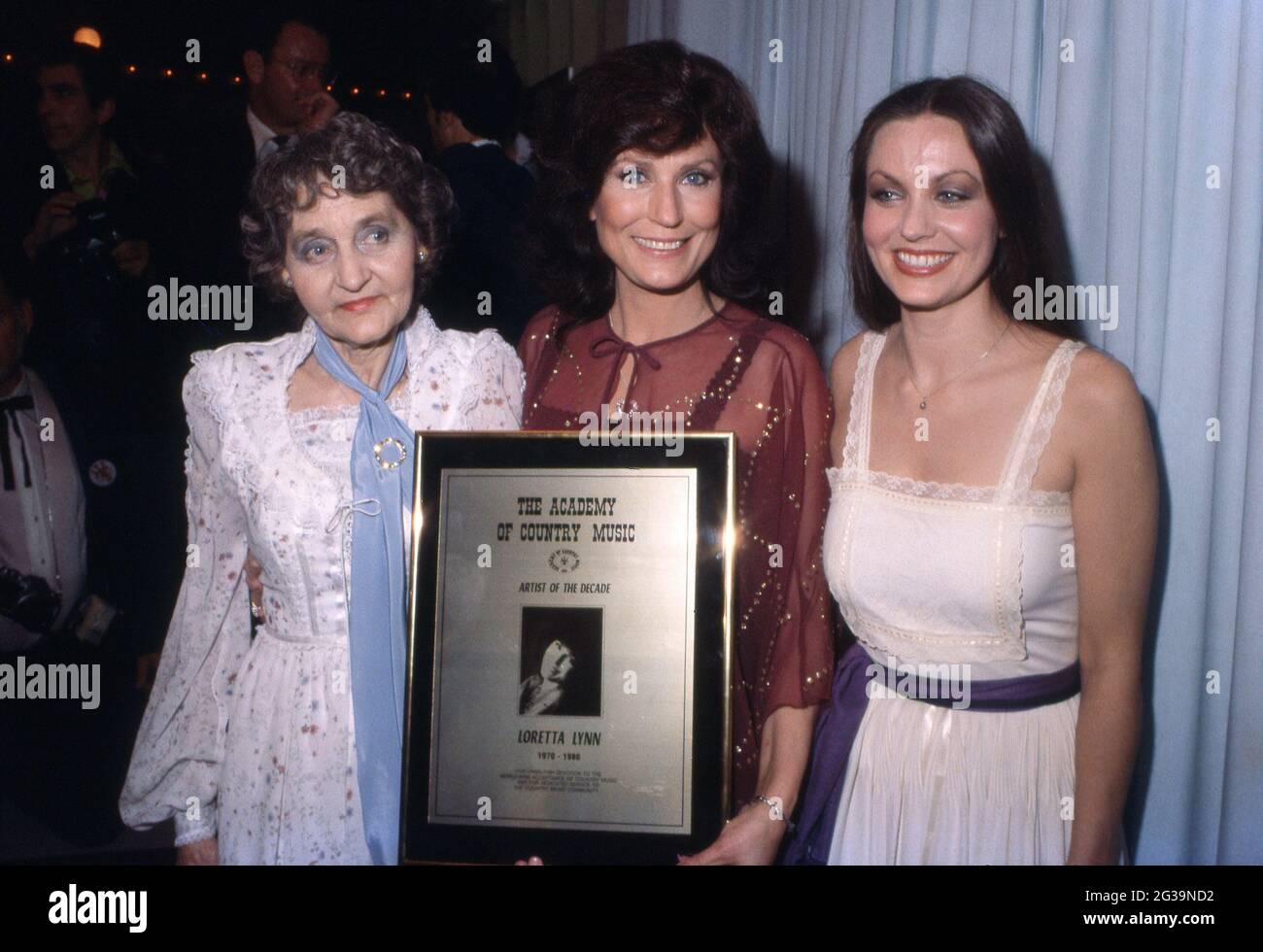
Loretta Lynn’s parents were Melvin "Ted" Webb (1906–1959) and Clara Marie "Clary" Ramey Webb (1912–1981). They raised Loretta and her seven siblings in the poverty-stricken coal-mining community of Butcher Hollow, Kentucky. Their lives, struggles, and values formed the foundational narrative of Loretta’s legendary country music career.
The Life and Legacy of Melvin "Ted" Webb
Melvin Webb, known to his family and community as "Ted," was the quintessential Appalachian patriarch whose life defined the "Coal Miner’s Daughter" archetype. Born in 1906 in Johnson County, Kentucky, Ted was a man of the earth who balanced the grueling labor of the coal mines with the equally demanding work of subsistence farming.
In the early 20th century, the economy of Eastern Kentucky was almost entirely dependent on the coal industry. For Ted Webb, this meant spending his daylight hours underground in the Van Lear mines. The work was hazardous, poorly paid, and physically devastating. Loretta Lynn often spoke of her father coming home covered in coal dust, a visual image that later became a central motif in her songwriting. However, Ted was not merely a miner; to support a family of ten (eight children plus two adults), he had to be a farmer as well. During the mining off-season or in his "spare" time, he tended to crops and livestock to ensure the family had enough to eat during the harsh Kentucky winters.
Ted’s health was a constant concern. The prevalence of "black lung" (coal workers' pneumoconiosis) was a silent epidemic in the hollows. While he worked tirelessly to provide for his children, the physical toll was immense. He passed away in February 1959 at the age of 52, following a stroke. Tragically, this was just a year before Loretta Lynn released her first single, "Honky Tonk Girl," in 1960. He never lived to see his daughter become the most awarded female country artist in history, a fact that Loretta often cited as one of the great heartbreaks of her life.
Clara Marie "Clary" Ramey Webb: The Family’s Core
Clara Marie Ramey, often called "Clary," was born in 1912 and married Ted Webb when she was just a teenager, a common practice in the rural Appalachian culture of that era. If Ted provided the physical sustenance for the family, Clara provided the emotional and musical soul.
Clara was of Scots-Irish and, according to family lore, Cherokee descent. While modern genealogists have debated the specifics of the Ramey family’s Native American heritage, the "Cherokee" identity was a vital part of Clara’s personal history and, by extension, Loretta’s. Clara was responsible for the day-to-day survival of the household in a home that lacked electricity and indoor plumbing. She washed clothes by hand, preserved food from the garden, and managed the meager finances brought in by the mines.
More importantly, Clara was a primary musical influence on Loretta. She was known to sing old Appalachian folk songs and hymns while she worked. These "story-songs" were the blueprints for the narrative style Loretta would later use to revolutionize country music. Unlike Ted, Clara lived to see Loretta’s rise to superstardom and the subsequent fame of her youngest daughter, Brenda Gail (known professionally as Crystal Gayle). Clara passed away in November 1981 at the age of 69, having witnessed her family’s transition from the depths of Appalachian poverty to the heights of American cultural royalty.
The Butcher Hollow Environment
To understand Ted and Clara Webb, one must understand Butcher Hollow (often pronounced "Butcher Holler"). Located near Van Lear in Johnson County, Kentucky, the hollow was a geographically isolated area where the community was tight-knit and survival depended on mutual aid and grit.
The Webb home was a modest four-room cabin nestled against the hills. In this environment, Ted and Clara raised eight children:
- Melvin "Junior" Webb (1929–1993)
- Loretta Webb (1932–2022)
- Herman Webb (1934–2018)
- Willie "Jay" Lee Webb (1937–1996)
- Donald Ray Webb (1941–2017)
- Peggy Sue Webb (born 1943)
- Betty Ruth Webb (1946–1992)
- Brenda Gail Webb (Crystal Gayle, born 1951)
Life in Butcher Hollow was characterized by "make-do" ingenuity. Ted and Clara taught their children that while they were "poor in money," they were rich in family and faith. This upbringing was not a romanticized version of poverty; it was a rugged, difficult existence that required Ted to work double shifts and Clara to stretch a single chicken to feed ten people. This reality prevented Loretta from ever becoming "too big" for her roots, even as she performed for presidents and sold millions of records.
Comparing the Parents of Loretta Lynn
The following table highlights the key differences and roles of Ted and Clara Webb within the family structure.
| Feature | Melvin "Ted" Webb | Clara Marie "Clary" Ramey |
|---|---|---|
| Birth Date | September 23, 1906 | May 5, 1912 |
| Death Date | February 23, 1959 | November 24, 1981 |
| Primary Roles | Coal Miner, Farmer | Homemaker, Musical Mentor |
| Key Influence | Provided the work ethic and "Coal Miner" identity | Provided the musical foundation and oral history |
| Heritage | Scots-Irish | Scots-Irish, Cherokee (traditional) |
| Witnessed Fame | No (Died before Loretta's debut) | Yes (Lived through Loretta's peak years) |
| Cause of Death | Stroke / Complications of Black Lung | Natural Causes / Heart Failure |
The Impact of "Coal Miner’s Daughter"
The 1970 song "Coal Miner’s Daughter" and the subsequent 1980 biographical film served as a public tribute to Ted and Clara Webb. In the song, Loretta meticulously catalogs her parents' efforts: her father’s work in the mines and her mother’s hands "bleeding from the washboard."
The song did more than just tell a story; it validated the experiences of millions of working-class Americans. Ted and Clara became symbols of a disappearing way of life. When the film was produced, Levon Helm (of The Band) portrayed Ted Webb, and Phyllis Boyens portrayed Clara. The performances were so authentic that they cemented the couple’s place in American pop culture.
The lyrics "Mommy rocked the babies at night / And read the Bible by the coal oil light" emphasize the spiritual and nurturing environment Clara created, while "My daddy worked all night in the Van Lear coal mine / All day long in the field a-hoein' corn" immortalized Ted's grueling schedule. This duality of hard labor and domestic warmth is what defined Loretta’s childhood and provided her with the material that would eventually win her a Pulitzer Prize citation and the Presidential Medal of Freedom.
Genealogy and Ancestral Roots
The ancestry of Ted and Clara Webb is a tapestry of early American migration. The Webb family had deep roots in Virginia and North Carolina before settling in the mountains of Kentucky. These families were typically of British Isles descent, arriving in the Appalachian region in the 18th and 19th centuries.
On Clara Ramey’s side, the history is equally storied. The Rameys (originally Remy) were of French Huguenot origin, having fled religious persecution in Europe to settle in the colonies. Over generations, they migrated through the Shenandoah Valley and into the Kentucky hills. The cultural blending in these isolated areas created a unique Appalachian identity—a mix of Elizabethan English dialects, Scots-Irish fiddle tunes, and local survival techniques. Ted and Clara were the products of this distinct cultural "melting pot," which is why Loretta's music always felt both ancient and refreshingly honest.
How Many Children Did Loretta Lynn's Parents Have?
Melvin and Clara Webb had eight children in total. Most of them remained close to their Kentucky roots, though several followed Loretta into the music industry. Crystal Gayle, the youngest, became a country-pop superstar in her own right with hits like "Don't It Make My Brown Eyes Blue." Peggy Sue also had a successful career as a singer and songwriter. Herman Webb stayed in Butcher Hollow for most of his life, acting as a curator for the family’s legacy and giving tours of the original home place until his death in 2018.
When Did Loretta Lynn's Father Die?
Melvin "Ted" Webb died on February 23, 1959. His death occurred at a pivotal moment in history, just as the traditional coal-mining way of life was beginning to shift due to mechanization. He was buried in the Webb Cemetery in Butcher Hollow, a site that remains a place of pilgrimage for fans of the Lynn and Webb families.
Was Loretta Lynn's Mother Native American?
Loretta Lynn frequently stated that her mother, Clara, was Cherokee. In her autobiography and various interviews, she took great pride in this heritage. While some genealogical records suggest the Ramey family was primarily of European descent, it was very common in Appalachian families to have oral traditions of Native American ancestry that were not always documented in official census records of the time. Regardless of formal documentation, the "Cherokee" identity was a central part of how Clara raised her children and how Loretta identified herself.
Did Loretta Lynn's Parents Ever Leave Kentucky?
While the family lived in Butcher Hollow for the majority of their lives, the economic pressures of the 1940s and 50s forced many Appalachian families to migrate toward industrial centers. However, Ted and Clara remained deeply rooted in Johnson County. Loretta herself was the one who moved away, relocating to Washington State with her husband, Oliver "Doolittle" Lynn, shortly after their marriage. This separation from her parents was what fueled the homesickness that led her to write her most famous songs.
What Happened to the Webb Family Home?
The original cabin where Ted and Clara raised Loretta and her siblings still stands in Butcher Hollow, Kentucky. It has been preserved as a historical site. For decades, Loretta’s brother Herman maintained the property. Today, visitors can still see the "cabin on the hill" and gain a firsthand perspective of the modest environment in which Ted and Clara Webb lived and worked.
Recommendations for Exploring the Webb Legacy
If you are interested in the history of Loretta Lynn’s parents and the Appalachian culture that shaped them, the best course of action is to visit the Van Lear Historical Society's Coal Miners' Museum in Kentucky. This institution provides a deep look into the mining conditions Ted Webb faced daily.
Additionally, a visit to Butcher Hollow (located near Paintsville, KY) allows you to see the actual homestead. Walking through the small rooms of the cabin offers a profound sense of the spatial and economic realities of the Webb family. To understand the musical side of their legacy, listening to the early recordings of the "Webb Family" or exploring the discography of Crystal Gayle and Peggy Sue provides a broader context of the talent that Melvin and Clara fostered in their home.