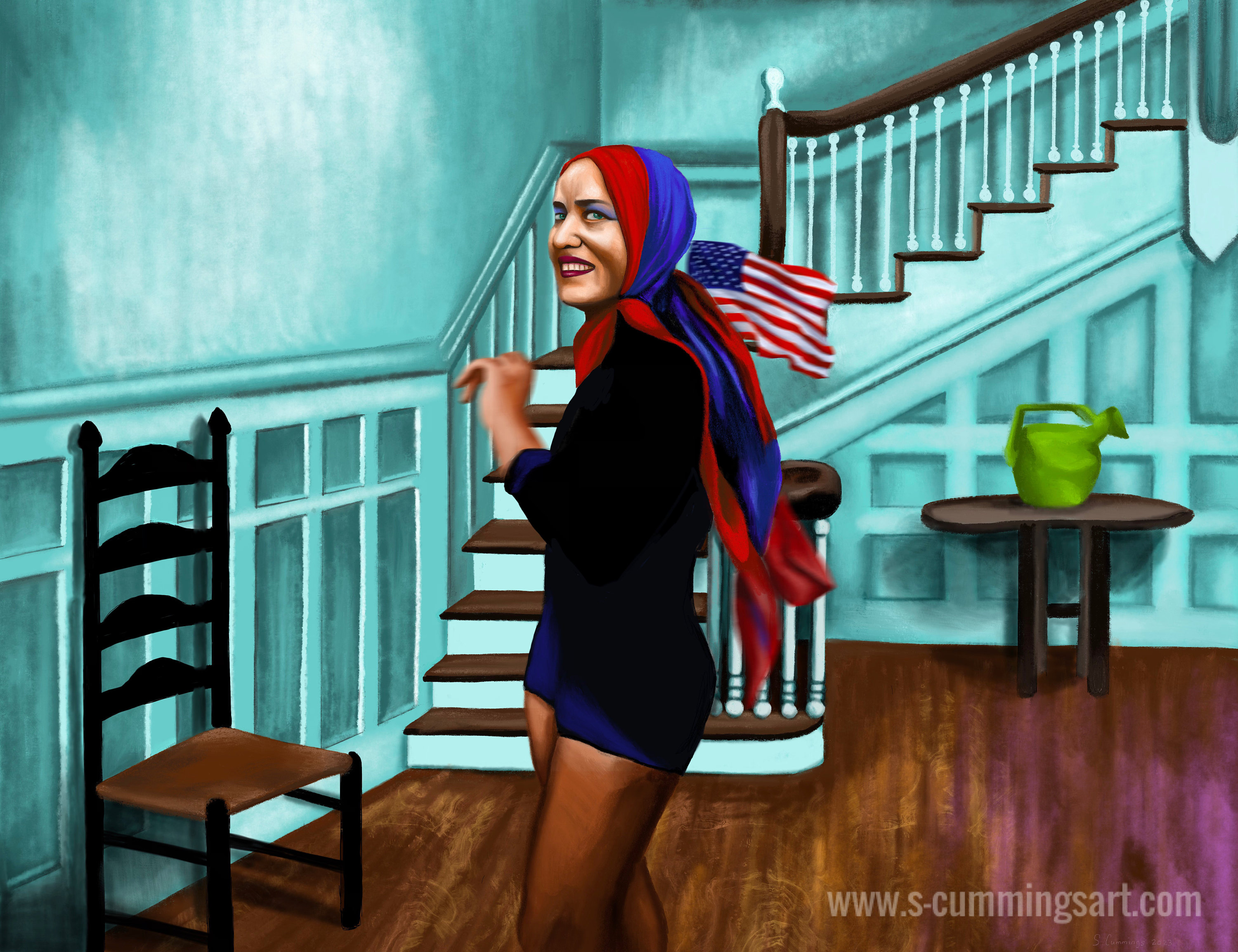
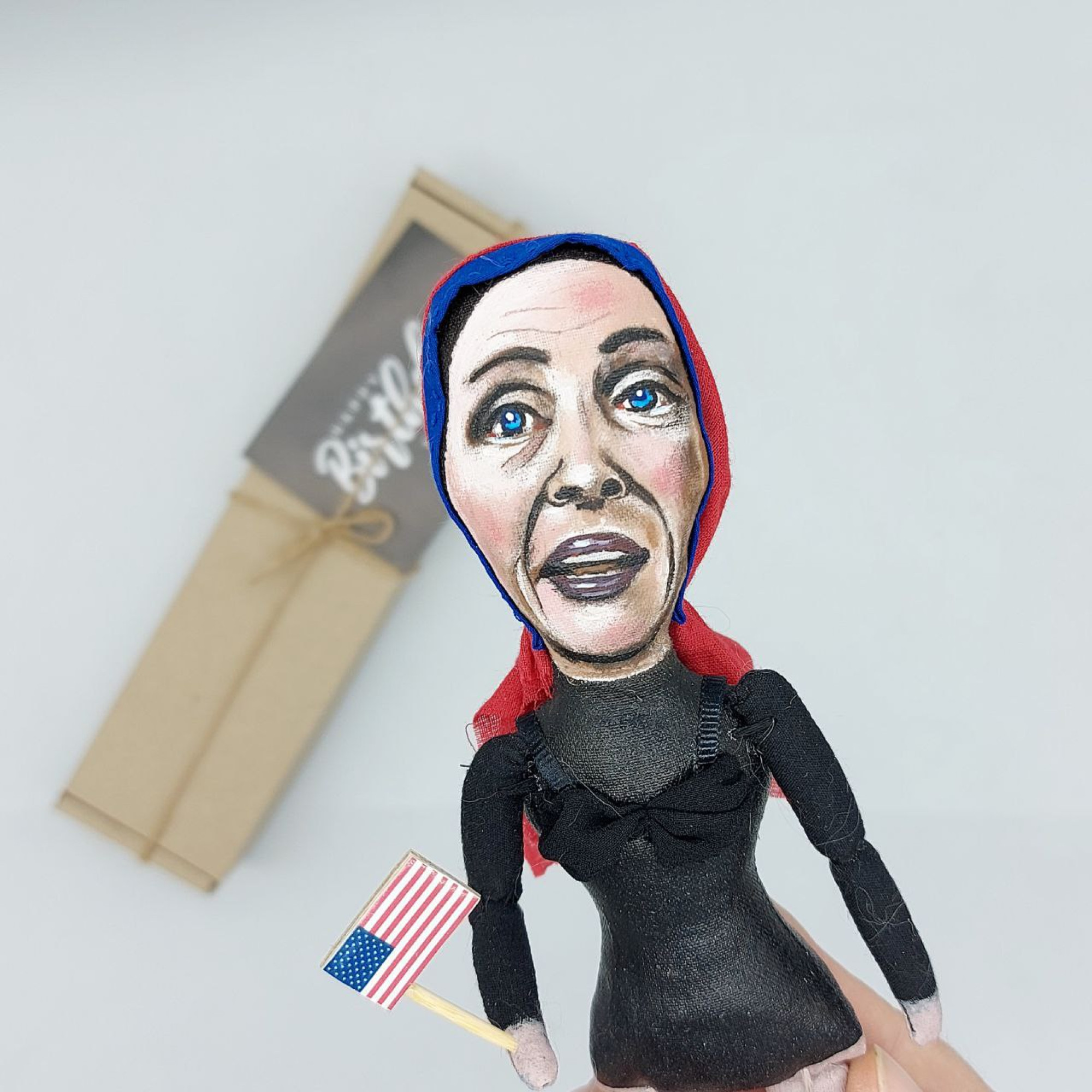
Edith Bouvier Beale, known affectionately as "Little Edie," was an American socialite, fashion icon, and cousin to Jacqueline Kennedy Onassis. She gained global cult status following the 1975 documentary Grey Gardens, which captured her eccentric, isolated life in a decaying East Hampton mansion. Her unique style and resilient spirit continue to influence fashion and film in 2026.
The Early Life of a Bouvier Socialite
Born on November 7, 1917, in New York City, Edith Bouvier Beale was the daughter of Phelan Beale, a wealthy lawyer, and Edith Ewing Bouvier Beale (known as "Big Edie"). As a member of the prominent Bouvier family, Little Edie’s upbringing was defined by the expectations of the American aristocracy. She was educated at the Spence School and Miss Porter’s, appearing as a stunning debutante in the social columns of the 1930s.
During her youth, Little Edie was often referred to as "The Body Beautiful" at the Maidstone Club in East Hampton. She possessed a striking appearance and a desire for a career in the performing arts—a pursuit that clashed with her father’s traditionalist views. Despite the pressures of her social standing, she moved to New York City to pursue modeling and acting, allegedly attracting the attention of high-profile suitors, including Joe Kennedy Jr. and J. Paul Getty.
The transition from a promising socialite to a reclusive figure did not happen overnight. In 1952, at the age of 35, Little Edie returned to the family’s East Hampton estate, Grey Gardens, to care for her mother. What was intended to be a temporary stay turned into a decades-long isolation. This period marked the beginning of a profound psychological and physical withdrawal from the world of the New York elite, as the family’s finances dwindled and the estate began its slow descent into ruin.
The Decline of Grey Gardens and the 1971 Intervention
By the late 1960s, Grey Gardens had transformed from a prestigious seaside villa into a crumbling, overgrown structure. The 28-room mansion, once a symbol of wealth, was now overrun by cats and raccoons, lacking running water and heat in many sections. The relationship between Little Edie and Big Edie became one of intense codependency, fueled by memories of past grandeur and a shared disdain for the conventions of the outside world.
The situation reached a breaking point in 1971 when the Suffolk County Health Department conducted a raid on the property. The inspectors discovered dozens of animals, mounds of waste, and structural decay that rendered the house "unfit for human habitation." The Beales were threatened with eviction, a scandal that quickly reached the national press due to their relation to the former First Lady, Jacqueline Kennedy Onassis.
To avoid further public embarrassment, Jacqueline Onassis and her sister, Lee Radziwill, provided the necessary funds—approximately $32,000 at the time—to clean the house, repair the plumbing, and meet basic health codes. This intervention allowed the Beales to remain in their home, but it did not alter their reclusive lifestyle. It was during the aftermath of this cleaning project that filmmakers Albert and David Maysles arrived at the estate, originally intending to film a documentary about the Bouvier family's history but soon finding themselves captivated by the unique dynamics between the two Edies.
The Maysles Documentary and the Birth of a Cult Icon
Released in 1975, the documentary Grey Gardens is considered a masterpiece of "direct cinema" or cinéma vérité. The Maysles brothers spent several weeks living with the Beales, capturing their daily routines, bitter arguments, and impromptu musical performances. The film offered an unfiltered look at a life lived entirely on its own terms, far removed from the polished image of the Kennedy-Bouvier clan.
Little Edie emerged as the star of the film. Her monologues—ranging from philosophical musings on the "line between the past and the present" to critiques of the Republican Party—revealed a woman who was highly intelligent, deeply wounded, and fiercely original. The documentary did not merely document poverty or mental decline; it highlighted a radical form of self-expression. Edie’s awareness of the camera allowed her to perform the "star" role she had always dreamed of, transforming the dilapidated hallways of Grey Gardens into her private stage.
The film's impact was immediate and divisive. Some critics viewed it as exploitative, arguing that the filmmakers were taking advantage of two women who were mentally unwell. Others saw it as a poignant study of mother-daughter dynamics and a celebration of non-conformity. In the decades since its release, and remaining true as we look back from 2026, the documentary has become a foundational text in fashion and film studies, inspiring a Tony-winning musical, an HBO film, and countless tributes.
The Fashion Influence: "The Revolutionary Costume"
Perhaps Little Edie’s most enduring contribution to culture is her distinctive approach to style. Facing total hair loss due to alopecia, she crafted a wardrobe centered around elaborate headwraps, often using sweaters, scarves, and towels fastened with ornate brooches. She famously coined her style as "the revolutionary costume for the day."
Her fashion philosophy was born of necessity but executed with the eye of an artist. She would wear skirts upside down, pin lace curtains into shawls, and layer multiple garments in unexpected ways. This "Bohemian-eccentric" aesthetic challenged the rigid fashion standards of the mid-20th century.
| Feature | The Socialite Era (1930s-1940s) | The Grey Gardens Era (1970s) |
|---|---|---|
| Primary Style | Classical Debutante; high-end gowns. | Eccentric DIY; layered textures. |
| Headwear | Fashionable hats and veils. | Headscarves and sweaters secured with brooches. |
| Public Image | Elegant, "The Body Beautiful." | Reclusive, "The Revolutionary." |
| Key Accessory | Fine jewelry, pearls. | Safety pins, costume brooches, fishnet stockings. |
| Inspiration | Parisian couture and NYC high society. | Personal history, necessity, and theatricality. |
Fashion designers such as Marc Jacobs, John Galliano, and Alexander McQueen have explicitly cited Little Edie as an inspiration. Her ability to find beauty in the discarded and to maintain a sense of glamour amidst squalor continues to resonate with those who view fashion as a form of armor or personal narrative.
Life After Grey Gardens and Later Years
Following the death of her mother in 1977, Little Edie was faced with the daunting task of living on her own for the first time in decades. Despite her long isolation, she displayed a surprising level of adaptability. She eventually sold Grey Gardens in 1979 to Sally Quinn and Ben Bradlee of The Washington Post, under the strict condition that they would restore the house rather than tear it down.
Little Edie moved to New York City and attempted to launch a cabaret career at Reno Sweeney, a popular nightclub. While critics were sometimes harsh, her performances were attended by fans who viewed her as a living legend. She later moved to Florida, where she lived a quieter life, continuing to correspond with fans and maintaining her signature style.
Edith Bouvier Beale passed away in January 2002 at the age of 84 in Bal Harbour, Florida. Her death marked the end of an era, but her story has only grown in significance. She remains a symbol of the "lost" American aristocracy and a patron saint of those who feel out of step with their times. Her life serves as a reminder that identity is not defined by one's surroundings, but by the strength of one's internal world.
Frequently Asked Questions
What happened to the Grey Gardens estate?
After Little Edie sold the property in 1979, Ben Bradlee and Sally Quinn spent years meticulously restoring the mansion and its famous gardens to their former glory. The house remained in their family for decades before being sold again in 2017. Today, the estate stands as a private residence, though it remains a landmark for fans of the documentary.
Was Little Edie related to Jackie Kennedy?
Yes, Little Edie was the first cousin of Jacqueline Kennedy Onassis. Edie’s father, Phelan Beale, was the brother of Jackie’s father, John "Black Jack" Bouvier III. While their lives took very different paths—one becoming the First Lady and the other a reclusive cult figure—their shared Bouvier heritage remained a point of public fascination.
Why did Little Edie always wear headscarves?
Little Edie suffered from alopecia totalis, a condition that caused her to lose all her hair starting in her early 20s. To manage her appearance, she created elaborate head coverings using various fabrics, sweaters, and pins. These headwraps became her signature look and a central component of her "revolutionary costumes."
Is the documentary Grey Gardens considered ethical?
The ethics of Grey Gardens are still debated by film historians. While some believe the Maysles brothers exploited the Beales' mental state for entertainment, others point out that Little Edie was an active participant who clearly enjoyed the attention and saw the film as her "big break." The Beales reportedly loved the film and attended screenings of it.
Where can I watch the Grey Gardens documentary in 2026?
The original 1975 documentary is widely available on major streaming platforms and is part of the Criterion Collection. There is also a sequel titled The Beales of Grey Gardens, which features previously unreleased footage from the original filming sessions, providing even more insight into their lives.
Preserving the Legacy of Little Edie
To truly understand the impact of Edith Bouvier Beale, one must look beyond the surface-level "eccentricity" often highlighted in media. Her life represents a complex intersection of mental health, gender expectations, and the decline of the American upper class. For those interested in studying her further, the following steps are recommended:
- Watch the Original Documentary: Begin with the 1975 Maysles film to see Edie in her own environment, speaking in her own words.
- Explore the Fashion Archives: Study the "Grey Gardens" inspired collections from major fashion houses to understand how her utilitarian style became a permanent fixture in high fashion.
- Read the Biographical Works: Books such as Grey Gardens: From East Hampton to Broadway provide deeper historical context regarding the Bouvier family and the legal battles over the estate.
- Visit the East Hampton Historical Society: While Grey Gardens is a private home, the local historical societies often feature exhibits on the prominent families of the area, including the Beales and Bouviers.
Little Edie’s story is ultimately one of survival. Whether she was a victim of her circumstances or a hero of her own making depends on the perspective of the viewer, but her status as a cultural icon is undeniable.