Effective lawn care is a systematic approach to maintaining turfgrass through soil management, proper species selection, and precision maintenance routines. In 2026, success is defined by balancing aesthetic goals with ecological resilience, focusing on deep-root development, soil microbial health, and the efficient use of water and nutrient inputs to ensure long-term sustainability.
The Foundation of Turf Management: Soil Health and Analysis
Before applying a single pound of fertilizer or seed, the primary requirement for successful lawn care is a comprehensive understanding of the soil profile. Soil acts as the reservoir for nutrients and water, and its physical and chemical properties dictate the health of the grass. In 2026, professional-grade soil testing has become the standard starting point for any serious maintenance program.
Soil pH is perhaps the most critical metric. Most turfgrass species thrive in slightly acidic to neutral soil, typically between a pH of 6.0 and 7.0. If the soil is too acidic, essential nutrients like phosphorus and magnesium become chemically locked and unavailable to the plant. Conversely, highly alkaline soil can lead to micronutrient deficiencies, such as iron chlorosis. Adjusting pH is a slow process; applications of pelletized lime are used to raise pH, while elemental sulfur or sulfates are used to lower it.
Beyond pH, a technical soil analysis measures the Cation Exchange Capacity (CEC), which indicates the soil’s ability to hold onto nutrients. Sandy soils often have a low CEC, requiring more frequent, smaller applications of fertilizer, whereas clay-heavy soils have a high CEC but are prone to compaction. Understanding these variables allows for a "prescription" approach to lawn care, preventing the over-application of chemicals that can lead to environmental runoff.
Selecting the Right Cultivar: Cool-Season vs. Warm-Season Grasses
The success of a lawn is heavily predicated on matching the grass species to the local climate and the specific microclimate of the property (such as shade levels and drainage). Grasses are broadly categorized into two groups based on their metabolic pathways for carbon fixation.
Cool-Season Grasses
These species thrive in the northern regions and transition zones where temperatures range between 60°F and 75°F. They experience two primary growth spurts: one in the spring and a more significant one in the fall.
- Kentucky Bluegrass: Known for its lush feel and "creeping" growth habit via rhizomes, which allows it to self-repair.
- Tall Fescue: A bunch-forming grass that is highly valued for its deep root system and superior drought and heat tolerance compared to other cool-season varieties.
- Perennial Ryegrass: Often used for its rapid germination and high wear tolerance, though it lacks the cold hardiness of Bluegrass.
Warm-Season Grasses
Predominant in the southern climates, these grasses flourish when temperatures are between 80°F and 95°F and typically go dormant (turn brown) when the first frost arrives.
- Bermuda Grass: Extremely resilient and fast-growing, making it ideal for high-traffic areas, though it requires significant sunlight.
- St. Augustine Grass: A popular choice for coastal and shade-prone areas in the south, characterized by wide blades and a deep blue-green color.
- Zoysia Grass: Offers a dense, carpet-like feel with high drought tolerance and better cold resistance than Bermuda or St. Augustine.
Precision Mowing and Irrigation Strategies
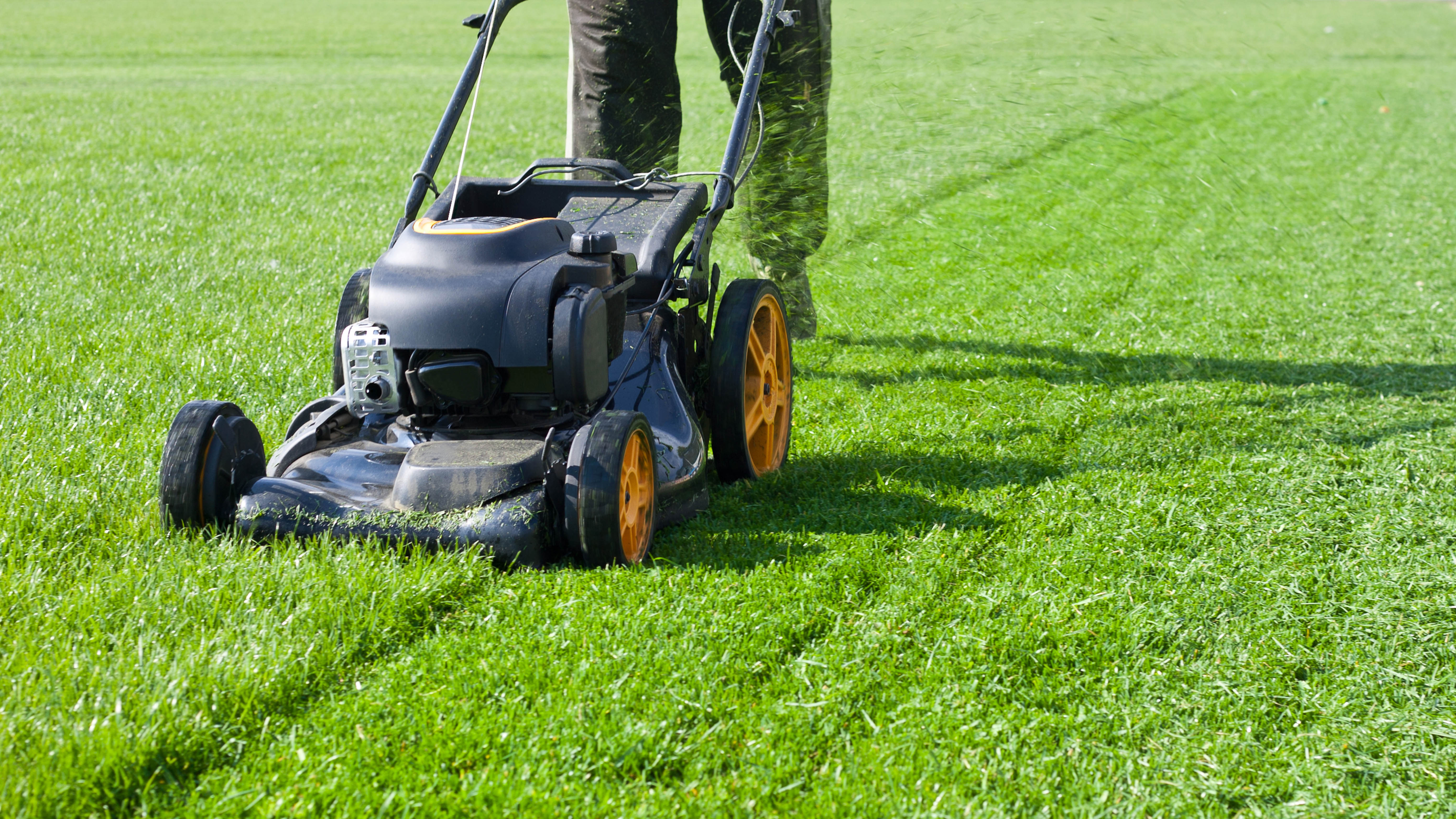
Mowing is the most frequent maintenance task in lawn care, yet it is often performed incorrectly. The fundamental rule of mowing is the "one-third rule": never remove more than one-third of the grass blade height in a single cutting. Removing too much tissue at once shocks the plant, forcing it to divert energy from root development to leaf repair.
The height of the cut should vary by species. For example, Tall Fescue should generally be kept at 3 to 4 inches to provide shade for the soil surface, which reduces evaporation and inhibits weed seed germination. In contrast, certain Bermuda cultivars can be maintained as low as 1 inch. Keeping mower blades sharp is equally vital; dull blades tear the grass rather than slicing it, creating jagged wounds that increase the plant’s susceptibility to pathogens and water loss.
Irrigation must move away from "set it and forget it" timers toward weather-based scheduling. The goal is deep, infrequent watering. Most lawns require approximately 1 to 1.5 inches of water per week, ideally delivered in one or two sessions rather than daily light mists. Deep watering encourages roots to grow further into the soil profile to find moisture, making the lawn significantly more drought-resistant during the peak heat of 2026.
Nutrient Management and Fertilization Cycles
Fertilization provides the essential elements—Nitrogen (N), Phosphorus (P), and Potassium (K)—that may be lacking in the soil. However, the timing and type of fertilizer are as important as the nutrients themselves.
- Nitrogen (N): Promotes vegetative growth and green color. Over-application can lead to excessive thatch and disease.
- Phosphorus (P): Critical for root development and seedling establishment. Many regions now restrict phosphorus use unless a soil test proves a deficiency.
- Potassium (K): Enhances overall plant stress tolerance, including resistance to cold, heat, and disease.
In 2026, slow-release or "controlled-release" fertilizers are preferred over quick-release synthetic salts. These products provide a steady stream of nutrients over 8 to 12 weeks, mirroring the plant's natural uptake patterns and minimizing the risk of "burning" the turf or polluting local waterways. For cool-season lawns, the most important fertilization window is late summer or early fall, which supports root storage of carbohydrates for the winter. For warm-season lawns, fertilization should peak during the active summer growth phase.
Cultural Practices: Aeration and Dethatching
Physical soil maintenance is required to combat two common lawn enemies: compaction and thatch buildup. Soil compaction occurs through foot traffic or heavy machinery, squeezing the air pockets out of the soil and suffocating roots. Core aeration is the technical solution, involving a machine that removes small plugs of soil from the lawn. This process improves gas exchange between the soil and the atmosphere and allows water and nutrients to reach the root zone more effectively.
Thatch is a layer of living and dead organic matter (roots, stems, and debris) that accumulates between the green vegetation and the soil surface. While a small amount of thatch (less than 0.5 inches) provides cushioning and insulation, excessive thatch acts as a barrier to water and a harbor for pests. Dethatching or "power raking" is necessary when this layer becomes thick enough to impede turf health.
Integrated Pest Management (IPM) and Weed Control
Modern lawn care utilizes Integrated Pest Management (IPM), a strategy that focuses on long-term prevention through healthy cultural practices, using chemical interventions only as a last resort.
Weed Management
Weeds are often symptoms of underlying lawn problems rather than the cause. For instance, an abundance of moss usually indicates excessive shade or acidic soil, while clover may suggest a nitrogen deficiency.
- Pre-emergent Herbicides: Applied in early spring before weed seeds germinate (typically when soil temperatures reach 55°F).
- Post-emergent Herbicides: Targeted at weeds that are already visible. Selective herbicides can kill broadleaf weeds without harming the grass.
Pest and Disease Control
Grubs (the larvae of beetles) are a common subsurface pest that feeds on roots, while fungal diseases like Brown Patch or Dollar Spot can devastate turf during humid periods. Monitoring is key; detecting a pest population before it reaches an "action threshold" prevents the need for widespread pesticide applications.
Seasonal Lawn Care Calendar (2026)
This table outlines the primary objectives and tasks for a standard lawn care program based on the current 2026 climate expectations.
| Season | Primary Goal | Key Activities | Essential Tools |
|---|---|---|---|
| Spring | Awakening & Prevention | Soil testing, pre-emergent application, light mowing, first fertilization. | Spreader, Soil Probe, Mower. |
| Summer | Stress Management | High-height mowing, deep irrigation, pest monitoring, grub control. | Irrigation Gauge, Sharpened Blades. |
| Fall | Repair & Recovery | Aeration, overseeding, heavy fertilization (cool-season), leaf removal. | Core Aerator, Broadcast Spreader. |
| Winter | Dormancy & Protection | Equipment maintenance, winterizing pipes, minimizing foot traffic. | Blade Sharpener, Stabilized Fuel. |
How often should I test my soil?
You should conduct a professional soil test every 2 to 3 years. This frequency allows you to track the impact of your fertilization and liming efforts and adjust your plan based on the actual nutrient depletion or accumulation in your specific soil profile. Frequent testing prevents the waste of resources and protects the environment from over-fertilization.
Can I leave grass clippings on the lawn?
Yes, this practice is known as "grasscycling" and is highly recommended. Grass clippings are approximately 80% water and contain up to 4% nitrogen. When left to decompose, they return valuable nutrients to the soil and can provide up to 25% of your lawn's annual fertilizer needs without contributing significantly to thatch buildup, provided you mow regularly.
What is the best time of day to water the lawn?
The optimal time to water is between 4:00 AM and 9:00 AM. Watering during these early hours minimizes evaporation loss from sun and wind. More importantly, it allows the grass blades to dry quickly as the sun rises, which significantly reduces the risk of fungal diseases that thrive on turf that stays wet overnight.
Why is my lawn turning brown despite regular watering?
Brown spots can be caused by several factors beyond drought, including soil compaction, fungal diseases, or pest infestations like grubs or chinch bugs. In some cases, "brown" is simply the natural dormancy of warm-season grasses in cool weather or cool-season grasses in extreme heat. A close inspection of the roots and blades is necessary to diagnose the specific cause.
Is organic fertilizer better than synthetic fertilizer?
Neither is inherently "better," as they serve different purposes. Organic fertilizers improve soil structure and microbial life but release nutrients slowly and depend on soil temperature. Synthetic fertilizers offer precise nutrient ratios and immediate availability for correcting deficiencies. Many modern programs in 2026 use a hybrid approach to gain the benefits of both.
Practical Next Steps for Property Owners
To implement a high-standard lawn care routine in 2026, begin by identifying your grass species and performing a soil test through a local university extension office or a reputable private lab. Use the results to create a customized fertilization schedule. Transition your mowing habits to keep the grass taller (3+ inches for most northern lawns) and ensure your mower blades are sharpened at least twice per season. Finally, audit your irrigation system by placing tuna cans or rain gauges around the yard to ensure even coverage and a total weekly output of at least one inch. By focusing on these technical foundations, you ensure a resilient lawn that requires fewer chemical inputs over time.
For more information on turfgrass research and environmental standards, refer to the USDA National Agricultural Library or the Environmental Protection Agency's GreenScapes program.