The Last of Us Part II concludes with Ellie choosing to spare Abby on the beach of Santa Barbara, breaking a cycle of vengeance that cost both characters everything they held dear. This resolution shifts the narrative away from physical retribution toward themes of grief, trauma processing, and the heavy cost of obsession.
Narrative Context and the Anatomy of Vengeance
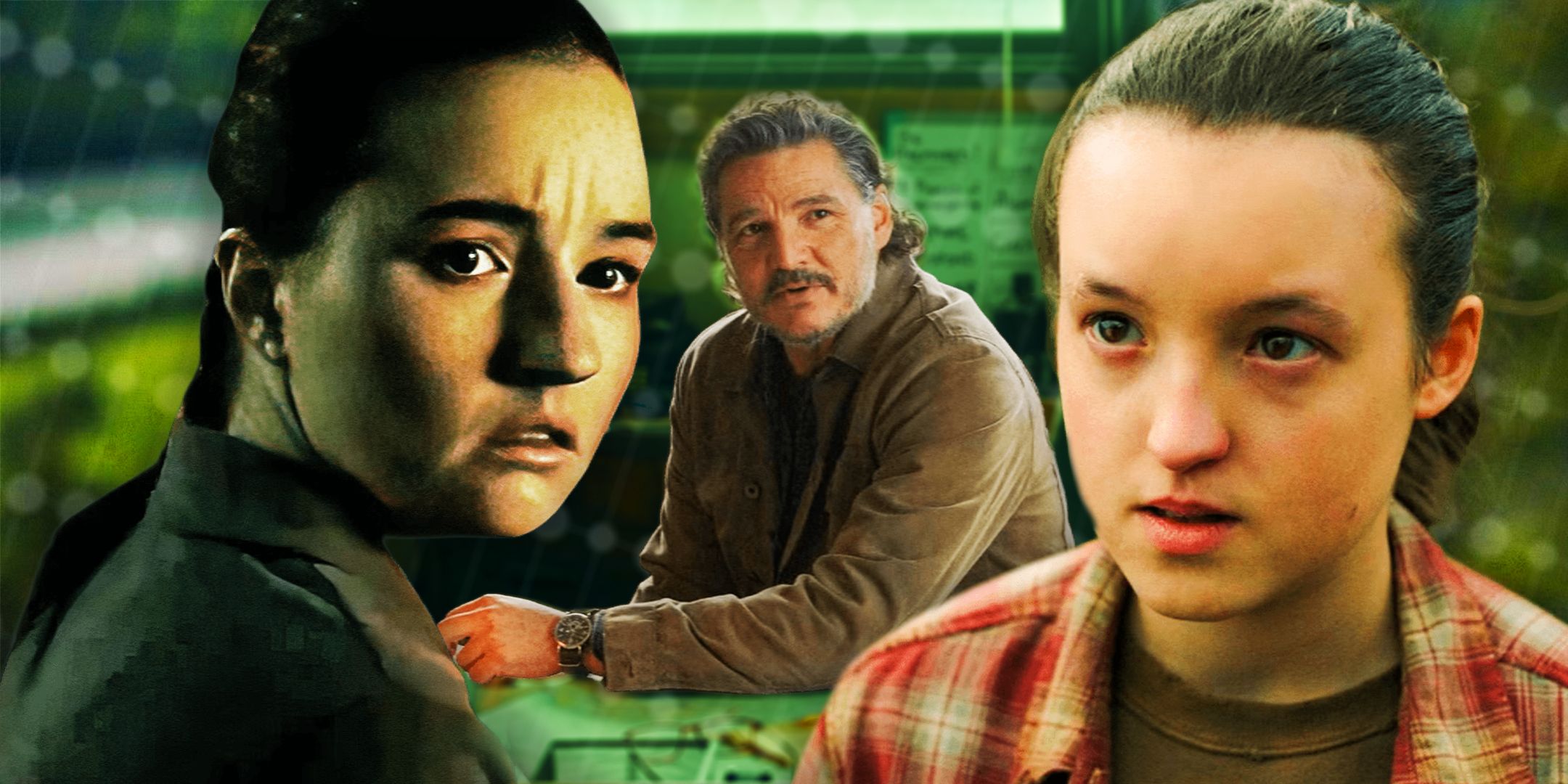
To understand the emotional weight of the conclusion, it is necessary to examine how the narrative builds its dual-perspective structure. Developed by Naughty Dog and released by Sony Interactive Entertainment, the game forces players to inhabit two opposing viewpoints: Ellie Williams, driven by raw grief after Joel Miller is murdered by Abby Anderson, and Abby, a former Firefly seeking justice for her father's death at Joel's hands in the Salt Lake City hospital.
The story uses structural mirroring to demonstrate how trauma consumes both individuals. Ellie's journey through Seattle represents a descent into moral degradation, where every violent encounter strips away a piece of her humanity. Meanwhile, Abby’s three-day campaign in Seattle runs parallel, highlighting her own capacity for redemption, empathy, and personal growth after sparing Ellie and Dina at the theater. When Ellie later abandons her peaceful farm life with Dina to hunt Abby down in California, the narrative enters its final, harrowing phase.
The Beach Confrontation in Santa Barbara
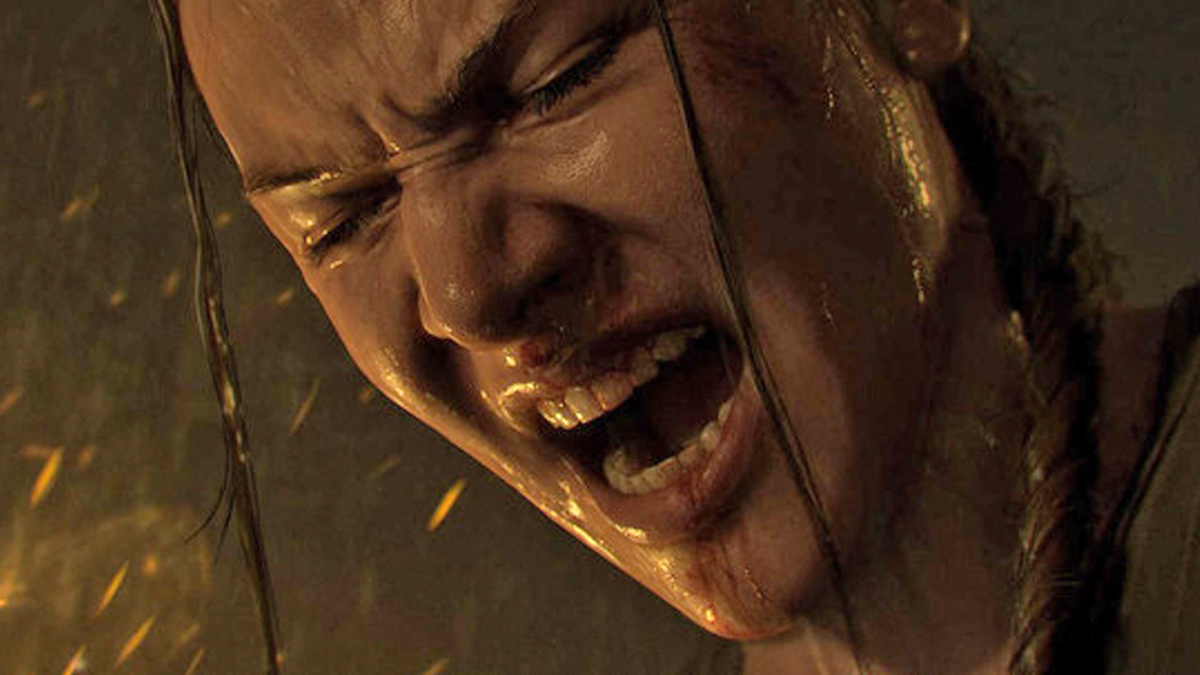
The climax takes place on the desolate shores of Santa Barbara, California, where Ellie tracks Abby to an outpost of the Rattlers, a brutal slaver gang. Finding Abby emaciated, traumatized, and tied to a pillar after enduring months of torture, Ellie refuses to let her walk away. Despite Abby's physical weakness and her desperate attempt to protect Lev, a young Seraphite companion, Ellie cuts her down and forces her toward a pair of boats.
Ellie threatens to kill Lev unless Abby fights her. This final duel is brutal, intimate, and stripped of any heroic glamour. Both women are battered, exhausted, and barely recognizable compared to the capable survivors they were at the start of their journeys. Ellie pins Abby underwater, preparing to deliver the fatal blow that she has pursued across hundreds of miles and through unspeakable loss.
The Flashback That Changes Everything
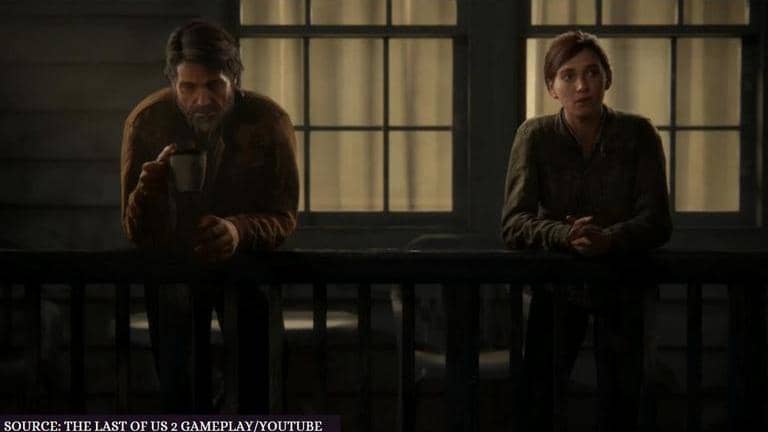
At the exact moment Ellie is poised to drown Abby, a visual and psychological memory interrupts her rage. Instead of the bloodied, battered image of Joel dying on the floor of the Jackson-area lodge, Ellie sees Joel sitting on a front porch on his back porch, playing a guitar with quiet, gentle concentration.
This flashback captures Ellie's final, poignant conversation with Joel—one that took place the night before he was murdered. In that memory, Ellie confesses that she is still furious with Joel for robbing her of the chance to die for a cure at the end of the first game, but she expresses a fragile, tentative willingness to try and forgive him.
By remembering Joel not through the lens of his violent murder, but through his living, breathing humanity, Ellie recognizes the fundamental truth of the situation: killing Abby will not bring Joel back, nor will it heal the profound wound inside her soul. She releases Abby's throat, breaks down in heavy, uncontrollable sobs, and lets Abby and Lev escape into the fog.
Story Impact and Character Arc Resolutions
The conclusion of The Last of Us Part II leaves both characters in vastly different emotional states, fundamentally redefining their identities. Abby and Lev successfully reach the location of the Fireflies on Catalina Island, securing a future and a renewed sense of purpose. Their bond proves that cycles of violence can be broken through active empathy and the choice to protect others rather than seek retribution.
For Ellie, the cost of her obsession is absolute. When she returns to the farmhouse in Wyoming, she finds it entirely empty. Dina has taken JJ and left, unable to live with the constant shadow of Ellie's self-destructive trauma. Ellie walks into the empty art studio, picks up Joel's acoustic guitar with her mutilated fingers—having lost two fingers to Abby's bite during the final struggle—and attempts to play. She cannot form the chords anymore, symbolizing the physical and emotional price of her quest.
| Character | Initial Motivation | Climax State | Final Resolution |
|---|---|---|---|
| Ellie Williams | Retribution for Joel's murder | Physically and emotionally broken on a California beach | Spares Abby, loses Dina and home, learns to let go |
| Abby Anderson | Retribution for her father's death | Emaciated, tortured, and desperate to protect Lev | Reconciles her past, escapes with Lev to the Fireflies |
| Joel Miller | Protection of Ellie (Part I context) | Murdered by Abby in the opening act | Lives on in Ellie's memory as a symbol of forgiveness |
Why Ellie Chose to Spare Abby
| Analytical Perspective | Explanation of Motivation |
|---|---|
| Psychological Catharsis | Realizing that vengeance offers no relief from survivor's guilt and grief. |
| Preservation of Humanity | Recognizing that killing Abby would mean fully sacrificing her remaining connections to humanity. |
| Acceptance of Joel's Legacy | Choosing to honor Joel's memory through the warmth of life rather than the coldness of murder. |
Frequently Asked Questions
Why couldn't Ellie play the guitar at the end of the game?
Ellie could not play the guitar because she lost two fingers on her left hand during her brutal physical struggle with Abby on the Santa Barbara beach. This physical disability prevents her from fretting the strings properly, serving as a permanent, tactile reminder of what her obsessive pursuit of revenge cost her.
Does Abby die at the end of The Last of Us Part II?
No, Abby does not die. Although she suffers severe physical degradation and torture while imprisoned by the Rattlers, Ellie ultimately spares her life on the beach. Abby recovers enough strength to board a boat with Lev and successfully travels to Catalina Island to find the reorganized Fireflies.
What happened to Dina and the baby after Ellie returned?
When Ellie returns to the abandoned farmhouse, Dina and their child, JJ, are entirely gone. Dina had previously warned Ellie that she would not wait around if Ellie chose to chase her quest for vengeance to the end. Their exact whereabouts are left unstated, but the empty home signifies the loss of Ellie's domestic life.
What does the final shot of the guitar symbolize?
The final shot of Joel's guitar leaning against the window frame symbolizes Ellie finally putting her trauma and grief to rest. By leaving the guitar behind and walking out into the wilderness, she accepts her past, releases her obsession with what was taken from her, and takes her first steps toward personal healing.
Final Recommendations for Understanding the Narrative
Analyzing the narrative depth of this title requires looking past the surface-level violence to examine the psychological underpinnings of trauma response. Players seeking a complete appreciation of the story should review the environmental storytelling notes scattered throughout Seattle and Santa Barbara, as well as the audio logs and journal entries that chronicle Ellie's internal deterioration. Recognizing the structural parallels between Ellie and Abby illuminates Naughty Dog's broader commentary on tribalism, empathy, and the heavy burden of unhealed grief.