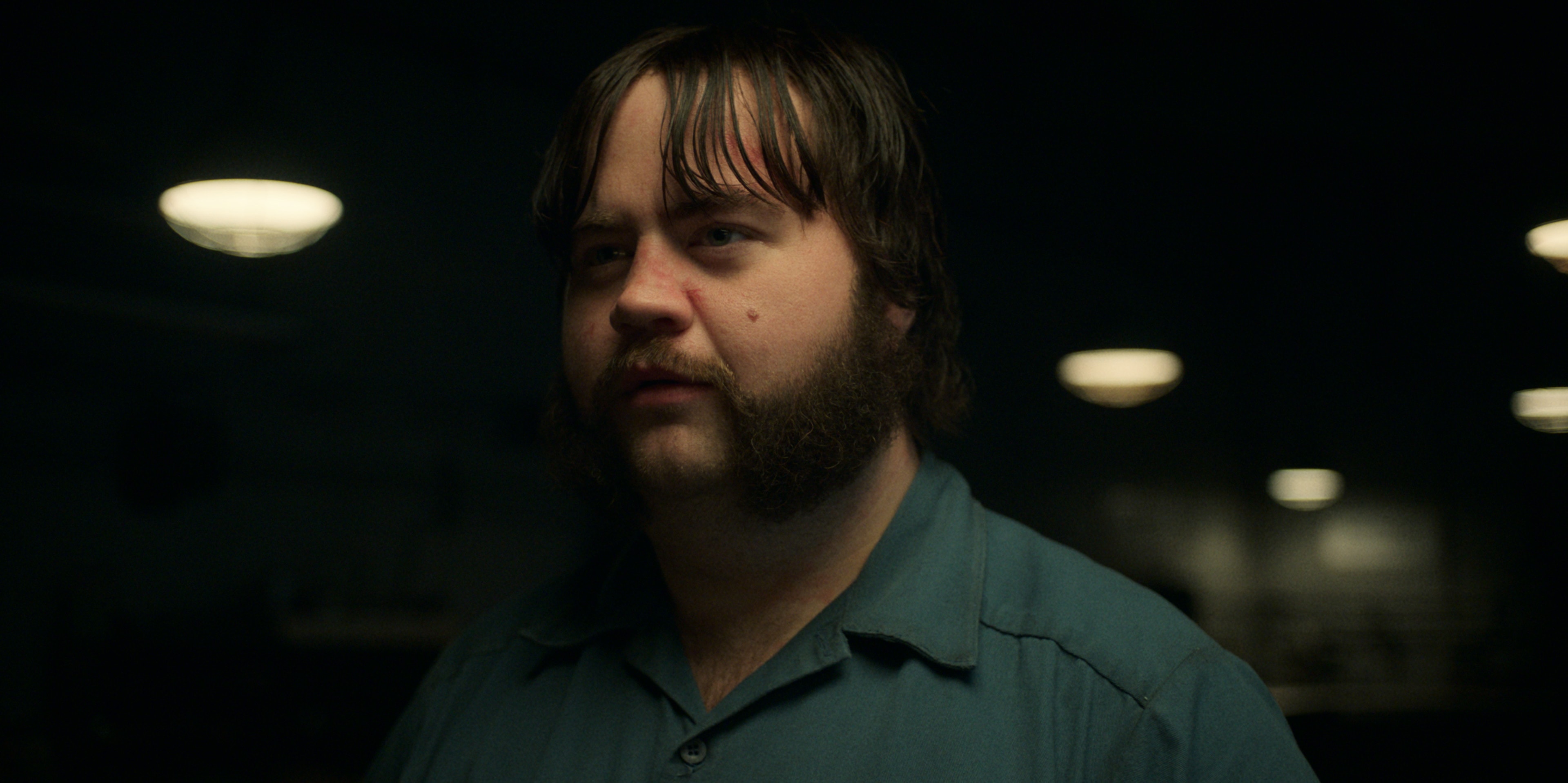
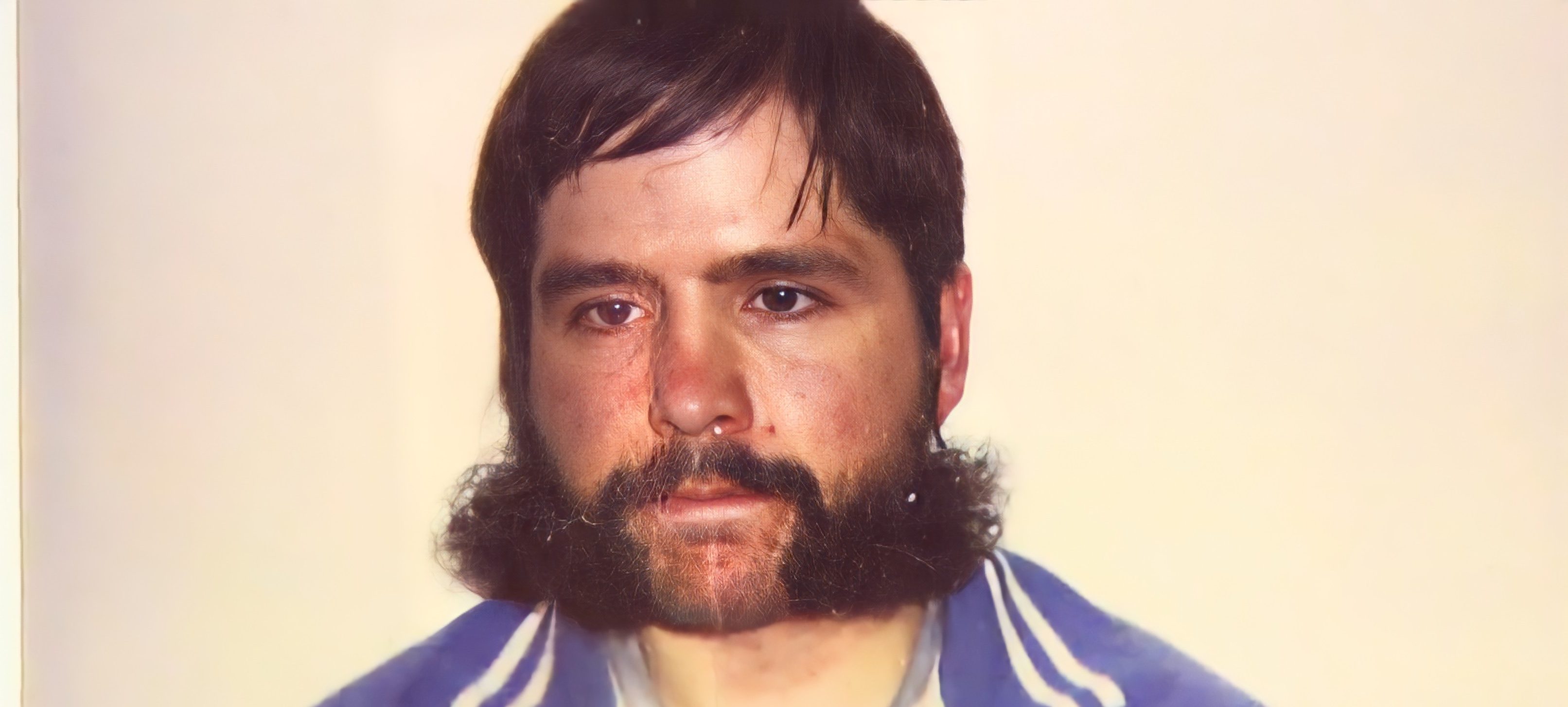
This analysis focuses exclusively on the convicted serial kidnapper and suspected serial killer Larry DeWayne Hall and his portrayal in the 2022 Apple TV+ series Black Bird, based on the memoir In with the Devil by James Keene.
Four years after the global resurgence of interest sparked by the dramatization of his crimes, the case of Larry Hall remains one of the most complex chapters in American forensic psychology. As of 2026, the intersection of Hall's disturbing history and the "Black Bird" narrative continues to serve as a primary case study for the FBI’s Behavioral Analysis Unit (BAU) and cold case investigators across the Midwest. This article provides a comprehensive technical examination of the evidence, the undercover operation led by James Keene, and the current status of the investigations into Hall’s suspected victims.
The Forensic Profile of Larry Hall: Understanding the "Dusk-to-Dawn" Killer
In the landscape of 2026 criminal profiling, Larry Hall is categorized as a highly "organized-disorganized" hybrid offender. Born in 1962 in Wabash, Indiana, Hall’s early life was marked by developmental delays and a parasitic relationship with his twin brother, Gary. However, his criminal signature was far more sophisticated than his outward persona suggested.
Hall’s modus operandi (MO) typically involved traveling across state lines in his van, often under the guise of attending historical reenactments (Civil War and Revolutionary War). This provided a mobile, plausible cover for his presence in various regions. His primary targets were young women and girls, often abducted during the "dusk-to-dawn" window, leading to his internal FBI designation.
Criminal Signature and Methodology
Geographic Mobility Unlike many serial offenders who stay within a tight "comfort zone," Hall utilized his van to traverse Illinois, Indiana, Wisconsin, and Michigan. By 2026, analysts have used advanced AI-driven geographic profiling to link Hall's travel logs to over 20 unsolved disappearances from the late 1980s through 1994.
The Confession-Retraction Cycle A defining technical characteristic of Hall is his propensity to confess to crimes and then immediately recant. This "gaslighting" of law enforcement served as a psychological defense mechanism, allowing him to relive the crimes through the confession while avoiding the finality of the legal consequences. This specific behavior made the 1990s undercover operation led by James Keene essential for a conviction.
Black Bird: Fact vs. Fiction in the 2026 True Crime Landscape
The 2022 series Black Bird remains the definitive media representation of the Hall/Keene dynamic. However, for serious researchers and criminal justice professionals in 2026, it is vital to distinguish between the narrative dramatization and the federal court records.
The core of the story—James "Jimmy" Keene being recruited from a minimum-security prison to enter a high-security facility for the criminally insane to elicit a confession—is factually grounded. The operation was overseen by the FBI and aimed specifically at locating the body of Tricia Reitler, who disappeared in 1993 from Indiana Wesleyan University.
Technical Comparison: The Series vs. Historical Reality
| Feature | Portrayal in Black Bird | Historical Fact (Verified 2026) |
|---|---|---|
| Primary Conviction | Focused on the disappearance of Tricia Reitler. | Convicted for the kidnapping of Jessica Roach (1993). |
| Keene's Sentence | 10 years for drug trafficking and firearms. | Accurate; Keene was facing a mandatory minimum sentence. |
| The "Map" Scene | Hall draws a map with locations of bodies. | Hall was seen with a map/carvings, but it was never recovered by Keene. |
| Facility Location | USP Springfield (Medical Center for Federal Prisoners). | Accurate; Hall was held in Springfield, Missouri. |
| Release of James Keene | Immediate release after the mission. | Keene's sentence was vacated in 1999 following his cooperation. |
| Current Status (2026) | Implied permanent incarceration. | Hall is serving life without parole at USP Butner (as of late 2025). |
The 2026 Status of the Tricia Reitler Case
One of the most tragic aspects of the Larry Hall saga is the ongoing search for Tricia Reitler. Despite James Keene's heroic efforts and Hall’s brief admissions, her remains have never been found. In 2026, cold case units continue to use ground-penetrating radar (GPR) in specific quadrants of Illinois and Indiana based on Hall’s historical movements and his cryptic descriptions of "wooded areas near water."
The difficulty in recovery stems from the age of the sites and the geographical changes over three decades. Forensic geologists in 2026 have noted that the soil composition in the areas Hall frequented—specifically the heavy clay and loess of the Midwest—can complicate the detection of decomposed remains through standard non-invasive methods.
Psychological Analysis: The "Two-Sided" Nature of Larry Hall
To understand why the "Black Bird" story resonates in 2026, one must look at the psychological duality Hall presented. To his neighbors, he was a quiet, somewhat eccentric man who liked old cars and history. To the FBI, he was a predator who meticulously planned his abductions.
Forensic Behavioral Insights
The Role of the Twin Gary Hall, Larry’s twin, has been a figure of significant interest for investigators. While Gary eventually helped steer Larry toward a confession, the symbiotic relationship between the two created a "shared reality" that complicated early interrogations. In 2026, this is studied as a classic example of how family dynamics can shield a serial offender from detection.
The Fetishization of History Hall’s obsession with historical reenactments was not merely a hobby. Psychologists suggest it was a method of "time-shifting," where he could step out of his modern, unsuccessful life and into a persona of power and authority. The van used for these trips served as a mobile "kill room," a technical detail that led to his eventual capture when forensic evidence of Jessica Roach was found within the vehicle.
Investigative Procedures: How the Federal Case Was Won
The conviction of Larry Hall did not rely on a "smoking gun" confession but on a meticulous chain of circumstantial evidence and the specific crime of "kidnapping resulting in death." This legal maneuver allowed federal prosecutors to seek life imprisonment even without a murder conviction in some jurisdictions.
- Vehicle Forensics: Recovery of fibers and biological material from Hall's 1982 Dodge Ram van.
- Witness Corroboration: Identifying Hall’s presence at specific reenactment sites coinciding with disappearances.
- Behavioral Analysis: Utilizing the FBI's VICAP database to find patterns across state lines.
- The Undercover Component: Using James Keene to confirm Hall's knowledge of details only the killer would know (the specific "folding" of Jessica Roach's clothing).
Why Larry Hall Remains a Point of Study in 2026
As of 2026, Hall is often compared to offenders like Ted Bundy for his ability to appear "harmless" while committing heinous acts. However, unlike Bundy, Hall’s lack of traditional charisma made him more difficult to profile. He represents the "invisible" predator—the individual who blends into the background of small-town America.
The "Black Bird" phenomenon also highlighted the ethical and tactical complexities of using "snitches" or informants in high-stakes federal investigations. The success of the Keene mission, despite not recovering Tricia Reitler's body, proved that psychological leverage is often more effective than traditional interrogation when dealing with "confession-oriented" serial killers.
FAQ: Common Inquiries Regarding Larry Hall and Black Bird
Is Larry Hall still alive in 2026?
Yes, as of 2026, Larry Hall is serving a life sentence without the possibility of parole. He is currently incarcerated within the federal prison system, specifically at a high-security facility equipped to handle inmates with complex medical and psychological needs.
Did James Keene really get Larry Hall to confess?
James Keene elicited a verbal confession regarding several victims, including Tricia Reitler. However, because Hall recanted and the physical map Keene saw was lost/destroyed before it could be turned over to the FBI, the confession served more to keep Hall in prison than to provide closure for all the families involved.
How many victims is Larry Hall suspected of killing?
While convicted for the kidnapping and death of Jessica Roach, Hall is a prime suspect in the disappearances and murders of 20 to 40 young women across the Midwest. In 2026, cold case files remain open in Illinois, Indiana, and Wisconsin.
What happened to the real James Keene?
After his sentence was vacated in 1999, James Keene became a successful businessman and author. He has spent much of the last few years (2022–2026) consulting on true crime productions and advocating for the families of missing persons.
Can I visit the locations mentioned in Black Bird?
Many of the locations, such as the former sites of the disappearances, are public areas or private property. USP Springfield is a secure federal medical facility and is not open to the public. Historical reenactment sites mentioned in the case continue to hold events, though with much higher awareness of the Hall case.
Final Summary of the Case
The story of Larry Hall and the "Black Bird" operation remains a haunting reminder of the persistence required in criminal investigations. In 2026, the case stands as a testament to the bravery of those who go undercover to seek the truth and the technical evolution of forensic profiling that finally brought a predator to justice. While the search for Tricia Reitler and other victims continues, the legal and psychological boundaries pushed by this case have forever changed the way the FBI handles multi-state serial offenders.