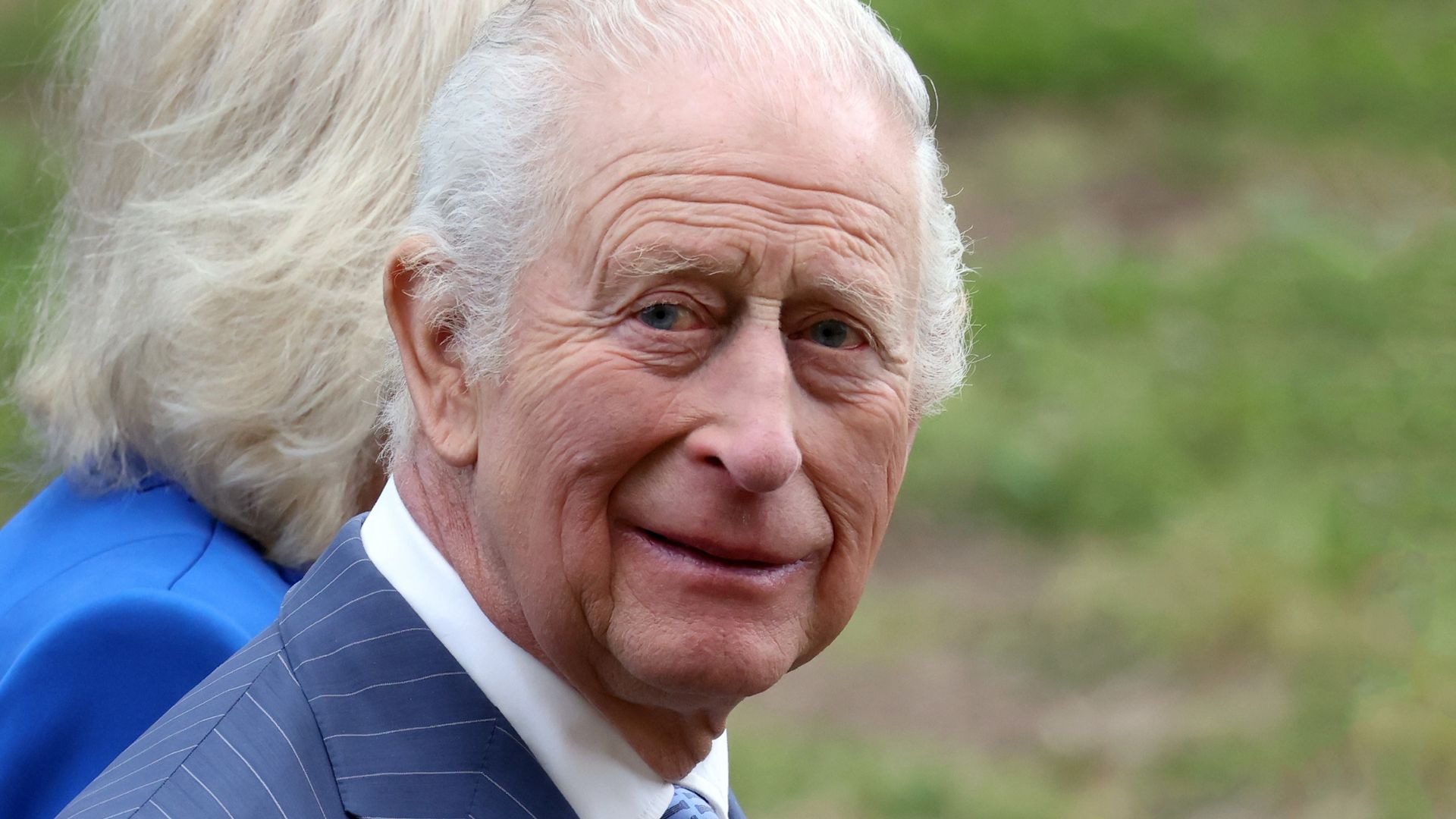
King Charles III adheres to a diet centered on organic, seasonal, and locally sourced ingredients, reflecting his lifelong commitment to environmental sustainability. His daily routine typically excludes lunch and includes two days a week of meat- and fish-free meals, emphasizing plant-based nutrition and regenerative agriculture as a means of reducing his carbon footprint.
For decades, the dietary habits of the British monarch were a matter of private preference. However, as the world navigates the complexities of the climate crisis in 2026, King Charles’ approach to food has transitioned from a personal quirk to a global manifesto for sustainable living. His food choices are not merely about flavor; they are an extension of his role as a steward of the land. By examining what the King eats—and what he pointedly refuses to eat—we gain insight into a royal philosophy that seeks to balance tradition with the urgent needs of the planet.
The Royal Palate: Key Favorites and Daily Habits
The King’s tastes are famously specific and rooted in the British countryside. Unlike the more traditional "meat and two veg" approach associated with previous generations of the Royal Family, King Charles prioritizes ingredients that can be foraged or grown on his own estates, particularly Highgrove House in Gloucestershire.
One of his most frequently cited favorites is wild mushroom risotto, particularly when the mushrooms have been foraged from the Balmoral estate. This dish encapsulates his culinary philosophy: it is seasonal, relies on the natural bounty of the land, and highlights the importance of local ecosystems. Additionally, the King is known to be a devotee of cheesy baked eggs, a protein-rich dish often featuring British cheeses like Tunworth or Wallfish, reflecting his support for independent UK cheesemakers.
His breakfast is equally deliberate. King Charles typically begins his day with a "power breakfast" that includes home-style granola, seasonal fruits, and various seeds, notably linseeds (flaxseeds), which are known for their high omega-3 fatty acid content. He is also a proponent of soft-boiled eggs, which must be cooked to a precise "three-minute" or "four-minute" consistency to meet his exacting standards.
The "No Lunch" Policy and Nutritional Discipline
A defining characteristic of King Charles’ daily routine is the absence of a midday meal. This habit is not a modern fad or a weight-loss strategy, but rather a long-standing discipline designed to maximize his working hours. The King views lunch as a "luxury" that interferes with his heavy schedule of meetings, royal engagements, and administrative duties.
This practice of intermittent fasting, though he might not use the contemporary term, has significant physiological implications. By skipping lunch, the King maintains a steady level of focus throughout the afternoon, avoiding the post-prandial dip in energy often associated with a heavy meal. However, this requires his breakfast and dinner to be nutrient-dense.
For dinner, the King often opts for game caught on royal estates, such as pheasant or venison, or fresh fish. He is particularly fond of a rack of lamb served with a light risotto. Even in these meat-centric meals, the portions of animal protein are often smaller than the accompanying vegetables, which are almost exclusively organic and harvested from royal gardens.
Sustainability on a Plate: The King’s Environmental Impact
To understand why the King’s diet matters, one must look at it through the lens of environmental science. For over 50 years, King Charles has championed organic farming—a practice that was once viewed with skepticism by the mainstream agricultural community but is now recognized as vital for soil health and biodiversity.
The King’s dietary rules are designed to minimize environmental impact:
- Meat-Free Days: Two days a week, the King consumes no meat or fish. One day a week, he also avoids dairy products. This 20% to 30% reduction in animal product consumption significantly lowers the individual carbon and methane footprint associated with his diet.
- Organic Standards: By insisting on organic produce, the King supports farming methods that avoid synthetic pesticides and fertilizers, which are major contributors to water pollution and soil degradation.
- Seasonality: Eating only what is in season eliminates the high carbon cost of air-freighting produce from different hemispheres, a common practice in modern globalized food systems.
His advocacy for these principles is institutionalized through the Royal Household’s sustainability initiatives, which aim to reach net-zero emissions. His diet serves as a "soft power" tool, encouraging his subjects and global observers to reconsider their own consumption patterns.
From Highgrove to the World: The Role of Duchy Organics
The King’s influence on food extends beyond his own plate and into the global marketplace through Duchy Organics. Founded by the King (as Prince of Wales) in 1990, the brand was built on the principle that organic food should be commercially viable and accessible.
Starting with a single digestive biscuit, the brand has grown into a multi-million-pound enterprise that partners with Waitrose. While the King no longer manages the day-to-day operations, the brand’s success proved that there was a massive consumer appetite for ethically produced food. The profits from Duchy Organics are donated to The King's Charitable Fund, supporting causes related to the environment, rural communities, and education.
This commercial venture was a pioneering move in "conscious capitalism." It demonstrated that the monarch’s personal palate could be leveraged to support thousands of organic farmers across the UK. By choosing to eat these products himself, the King provides a continuous endorsement of the organic movement.
Prohibited Foods and Ethical Eating
What the King refuses to eat is just as significant as what he enjoys. He has been a vocal critic of intensive farming and food production methods that he deems cruel or ecologically damaging.
- Foie Gras: In a landmark move, King Charles banned foie gras from all royal residences. The production of this delicacy involves the force-feeding of ducks and geese, a practice the King finds abhorrent from an animal welfare perspective.
- Plastic-Contaminated Seafood: In recent years, the King has expressed concern over the presence of microplastics in the ocean. This has led to a more discerning approach to seafood, preferring fish caught in sustainably managed waters where pollution levels are strictly monitored.
- Mass-Produced Bread: The King avoids highly processed white bread, preferring artisanal sourdough or breads made from ancient grains like spelt, which are easier on the digestive system and require fewer chemical inputs during cultivation.
Comparing Royal Dietary Philosophies
The King's diet represents a departure from his predecessors. While Queen Elizabeth II was known for her disciplined but traditional tastes (often preferring a simple grilled fish and vegetables), King Charles’ diet is more ideologically driven.
| Feature | Queen Elizabeth II | King Charles III |
|---|---|---|
| Lunch Habit | Simple (Fish/Chicken + Salad) | Often skips entirely |
| Organic Focus | Preferred, but not exclusive | Mandatory/Mission-driven |
| Meat Consumption | Daily (with portion control) | 2+ Meat-free days per week |
| Alcohol Preference | Gin & Dubonnet | Dry Martini or Laphroaig Whisky |
| Ingredient Source | Royal Estates & Trusted Vendors | Primarily Regenerative Royal Estates |
| Primary Philosophy | Tradition and Moderation | Sustainability and Soil Health |
The Influence of a Monarch's Menu
In 2026, the global conversation around food has shifted from "what tastes good" to "what is sustainable." King Charles’ diet positions him as a leader in this discourse. By adopting a "Climatarian" approach—selecting food based on its impact on the environment—the King uses his platform to validate scientific concerns about the food chain.
His choices have a "trickle-down" effect on British agriculture. When the King highlights a specific heritage variety of plum or a rare breed of sheep, it often results in renewed interest and preservation efforts for those species. This is "biodiversity through gastronomy." By eating rare and local varieties, he ensures there is a market for them, preventing them from going extinct in the age of monocultures.
Frequently Asked Questions
Does King Charles III eat chocolate?
Yes, but with a preference for high-quality dark chocolate. Unlike the more common milk chocolate varieties, dark chocolate is often favored by the King for its intense flavor and lower sugar content, aligning with his more health-conscious approach to treats.
Why does the King avoid eating lunch?
The King views lunch as a disruption to his working day. He has maintained this habit for decades, finding that he is more productive when he works through the afternoon without the energy "crash" that can follow a midday meal. He typically compensates with a substantial breakfast and dinner.
Is the King a vegetarian?
No, King Charles is not a vegetarian. However, he is a "flexitarian" or "reducetarian." He actively chooses to skip meat and fish on specific days of the week to reduce his environmental footprint, but he still enjoys game and fish caught on his estates during other meals.
What is the King's favorite drink?
The King is known to enjoy a crisp Dry Martini, often made with a specific ratio of gin to vermouth. He is also a noted fan of Laphroaig, a peaty Islay single malt Scotch whisky, which has held a Royal Warrant since 1994.
Does the King eat garlic and onions?
While the King enjoys these ingredients in private, they are often minimized or excluded during official banquets and public engagements. This is a long-standing royal protocol to ensure that the monarch’s breath remains fresh during the many face-to-face conversations required by their duties.
Adopting a Royal Approach to Nutrition
For those looking to emulate the King’s dietary habits for health or environmental reasons, the focus should not be on the specific dishes, but on the underlying principles. You do not need a royal estate to eat like a King; the core of his diet is accessible through conscious consumerism.
To begin, consider implementing two meat-free days per week and one day free of dairy. Prioritize seasonal produce found at local farmers' markets, which reduces the carbon cost of your food. Furthermore, reducing the consumption of highly processed foods in favor of whole grains—such as the King’s preferred linseeds and ancient grains—can improve digestive health and long-term vitality.
By shifting the focus from convenience to "stewardship," you align your personal health with the health of the planet, a goal that remains the centerpiece of King Charles’ royal mission.