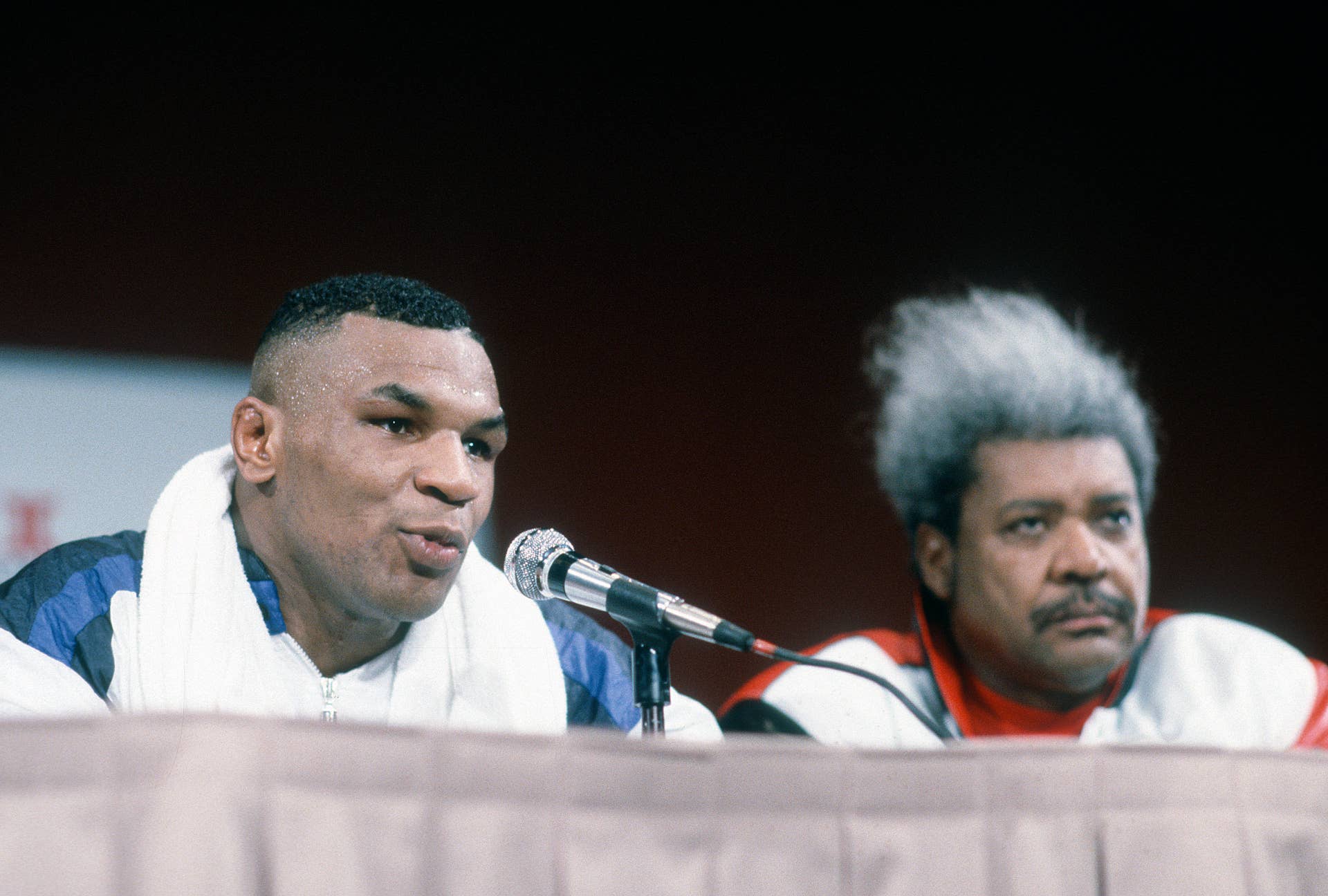
In 2026, the "kings" of boxing promotion are defined by their ability to secure massive site fees and global streaming partnerships. Leading entities like Matchroom Boxing, Top Rank, and Queensberry Promotions dominate the landscape by leveraging multi-year broadcast deals and high-stakes collaborations with sovereign wealth funds. Revenue is primarily driven by international broadcast rights, premium sponsorships, and "super-card" site fees, while fighter contracts have become increasingly complex, often involving multi-fight guarantees and sophisticated revenue-sharing models.
The Dominant "Kings" of Global Boxing Promotion
The landscape of boxing promotion in 2026 is significantly more consolidated than in decades past. While the sport was once fractured among dozens of regional "kings," the current era is defined by a handful of global powerhouses that control the lion’s share of elite talent and broadcasting inventory. These promoters act as the primary intermediaries between the athletes, the television networks, and the regulatory sanctioning bodies (WBC, WBA, IBF, and WBO).
Matchroom Boxing: The Global Standard
Led by Eddie Hearn, Matchroom Boxing remains a juggernaut in 2026. Their strategy has shifted from purely UK-centric shows to a truly global operation. By utilizing their long-term partnership with DAZN, Matchroom has established "hubs" in the United States, Mexico, Italy, and the Middle East. Their revenue model is built on high-volume production, ensuring that they have live content running almost every weekend of the year. This consistency allows them to negotiate premium rates from sponsors who want year-round visibility.
Top Rank: The Legacy Continues
Bob Arum’s Top Rank continues to be a pillar of the industry, primarily due to its deep-rooted relationship with ESPN and Disney. In 2026, Top Rank’s value lies in its massive archival library and its ability to develop talent from the Olympic level through to world championships. Their revenue is stabilized by a lucrative "rights fee" model, where the broadcaster pays a fixed annual sum to host a specific number of Top Rank events, insulating the promoter from the volatility of individual Pay-Per-View (PPV) failures.
Queensberry Promotions and the European Stronghold
Frank Warren’s Queensberry Promotions has seen a resurgence by 2026, largely through its strategic alliance with TNT Sports and its pivotal role in the "Riyadh Season" events. By positioning themselves as the premier gateway to the European heavyweight market, Queensberry has successfully negotiated co-promotional deals that allow their fighters to compete on the world's largest stages without relinquishing long-term control.
Premier Boxing Champions (PBC) and the Tech Pivot
After transitioning away from traditional cable, PBC has solidified its 2026 presence through its partnership with Amazon Prime. PBC’s model differs from Matchroom or Top Rank; they operate more like a league, managing a massive stable of fighters under the guidance of Al Haymon. Their revenue is heavily dependent on "tentpole" events—massive PPVs that draw from a casual audience base.
Revenue Models: How Modern Boxing Promoters Generate Wealth
The financial machinery behind a "king" boxing promoter is multifaceted. In 2026, the reliance on the "gate" (ticket sales) has diminished relative to digital and international revenue streams.
Broadcast and Streaming Rights
This is the single largest revenue source. Promoters sell the "live rights" to their events to platforms like DAZN, ESPN+, or Amazon Prime. In 2026, these deals are often structured as a mix of a guaranteed floor (a minimum payment per show) and a shared upside on new subscriber acquisitions. International rights are also sold territory-by-territory, meaning a single fight card might generate revenue from 50 different broadcasters globally.
Site Fees and Sovereign Wealth
A transformative revenue stream in 2026 is the "site fee." Governments and tourism boards, most notably in Saudi Arabia (via the General Entertainment Authority), pay promoters tens of millions of dollars to bring high-profile fights to their cities. This "host fee" often covers the entire purse for the fighters, allowing the promoter to take the broadcast revenue and sponsorships as near-total profit.
Commercial Sponsorships and Integration
Modern promoters have moved beyond simple logo placement on the ring canvas. Revenue now comes from "integrated partnerships," where brands are woven into the "behind-the-scenes" shoulder programming, weigh-ins, and social media content. Alcohol, cryptocurrency, and sports betting platforms remain the primary spenders in the boxing space in 2026.
The Anatomy of Modern Fighter Contracts
Fighter contracts are the legal foundation of the promotional business. In 2026, these documents are more protective of the promoter's investment than ever before, often spanning dozens of pages to account for digital rights and "step-aside" scenarios.
- Exclusivity Periods: Most top-tier promoters require a 3-to-5-year exclusivity window. This prevents a fighter from jumping to a rival promoter after they have been built into a star.
- The Purse Split: While the 10% to 25% promoter fee remains standard, high-level "king" promoters often negotiate "backend" splits. This means the promoter and fighter share the net profits of an event after all expenses (venue, undercard, marketing) are recouped.
- Minimum Guarantees: To sign elite talent, promoters must offer "pursue guarantees." This is a legally binding promise to pay the fighter a specific amount per year, regardless of whether the promoter can find a lucrative opponent.
- Option Clauses: These are common in championship fights. If a challenger defeats a champion, the promoter of the former champion often has the "option" to promote the next 2 or 3 fights of the new champion.
Comparison of Top Promotional Entities (2026 Data)
| Promoter | Primary Broadcaster | Key Market Stronghold | Revenue Model Focus | Estimated Stable Size |
|---|---|---|---|---|
| Matchroom | DAZN | UK / Global | Subscription/Volume | 100+ Fighters |
| Top Rank | ESPN / ESPN+ | USA / Asia | Rights Fees/Library | 80+ Fighters |
| PBC | Amazon Prime | USA | PPV/High-Stakes | 150+ Fighters |
| Queensberry | TNT Sports | UK / Middle East | Site Fees/Co-promotion | 60+ Fighters |
| Zepeda/Golden Boy | DAZN | Mexico / USA | Hispanic Market | 50+ Fighters |
The Riyadh Season Effect: A New Paradigm for Global Matchmaking
By 2026, the influence of the "Riyadh Season" has fundamentally altered how promoters operate. His Excellency Turki Alalshikh has effectively acted as a "super-promoter," bringing rival "kings" like Eddie Hearn and Frank Warren to the same table.
This has created a new revenue tier: the Co-Promotional Super-Event. In this model, individual promoters do not take the full risk of the show. Instead, they provide the talent for a massive card funded by a host nation. This reduces the promoter's overhead while allowing them to claim a percentage of their fighter's significantly inflated purse. It has led to a "clearing of the pipes" in boxing, where the best fights are finally being made because the financial incentive to avoid risk has been removed by massive external subsidies.
Legal Protections and the Evolving Regulatory Environment
The business of boxing promotion is not without oversight. In the United States, the Muhammad Ali Boxing Reform Act remains the primary legal framework. It is designed to protect fighters from coercive contracts and to prevent promoters from having a financial interest in the management of a fighter (to avoid a conflict of interest).
However, in 2026, "king" promoters often navigate these rules by working with "advisors" who handle the managerial side, or by basing their operations in international jurisdictions where the Ali Act does not apply. Contracts now frequently include arbitration clauses that mandate any legal disputes be settled in specific venues (like London or New York), which can be a significant hurdle for fighters with limited resources.
Frequently Asked Questions
How much commission do top boxing promoters typically take?
Most top-tier promoters take between 20% and 33% of the total revenue generated by a fighter's appearance, though this is often negotiated as a flat fee or a share of the "promoter's profit" after expenses. In 2026, for mega-stars, this percentage may drop as low as 10% to keep the athlete from moving to a rival platform.
What is the difference between a boxing manager and a promoter?
A manager represents the fighter's interests, handles day-to-day logistics, and negotiates with promoters. A promoter is responsible for the event itself—hiring the venue, securing the broadcaster, and marketing the fight. Under the Ali Act, one person is legally prohibited from performing both roles for the same fighter to prevent exploitation.
How do site fees in Saudi Arabia affect fighter contracts?
Site fees act as a massive "injection" of capital that allows promoters to offer fighters significantly higher "flat purses" than they would earn from traditional PPV models. This often leads to shorter, one-fight contracts for specific events, as the financial scale of the deal is too large to be covered by standard multi-fight agreements.
What happens if a promoter fails to deliver the guaranteed number of fights?
Most fighter contracts include a "minimum activity clause." If a promoter fails to provide the agreed-upon number of fights (usually 2 or 3 per year), the fighter may have the right to terminate the contract or receive a "drawdown" payment where the promoter pays the minimum guarantee even if no fight occurs.
Can a fighter be signed to two promoters at once?
Yes, this is known as a co-promotional agreement. It is common when a fighter moves from a regional level to a global level. The original "grassroots" promoter may retain a percentage of the rights while a "king" promoter handles the big-budget broadcasting and international marketing.
Strategic Recommendations for Navigating the Boxing Industry
For stakeholders in 2026, whether they are emerging athletes or investors, the primary focus should be on platform alignment. The "king" promoters are only as powerful as their broadcasting partners. A fighter signing with a promoter must ensure that the promoter’s primary broadcaster (DAZN, ESPN, Amazon) has a strong presence in the fighter’s home market to maximize "star power" and endorsement potential.
Furthermore, contractual due diligence should prioritize ancillary rights. In the modern era, revenue from video games, NFTs, and documentary "behind-the-scenes" content can equal or exceed the live gate. Ensuring that a fighter retains a significant portion of their "image and likeness" rights for non-live content is essential for long-term wealth preservation in the high-stakes world of professional boxing promotion.