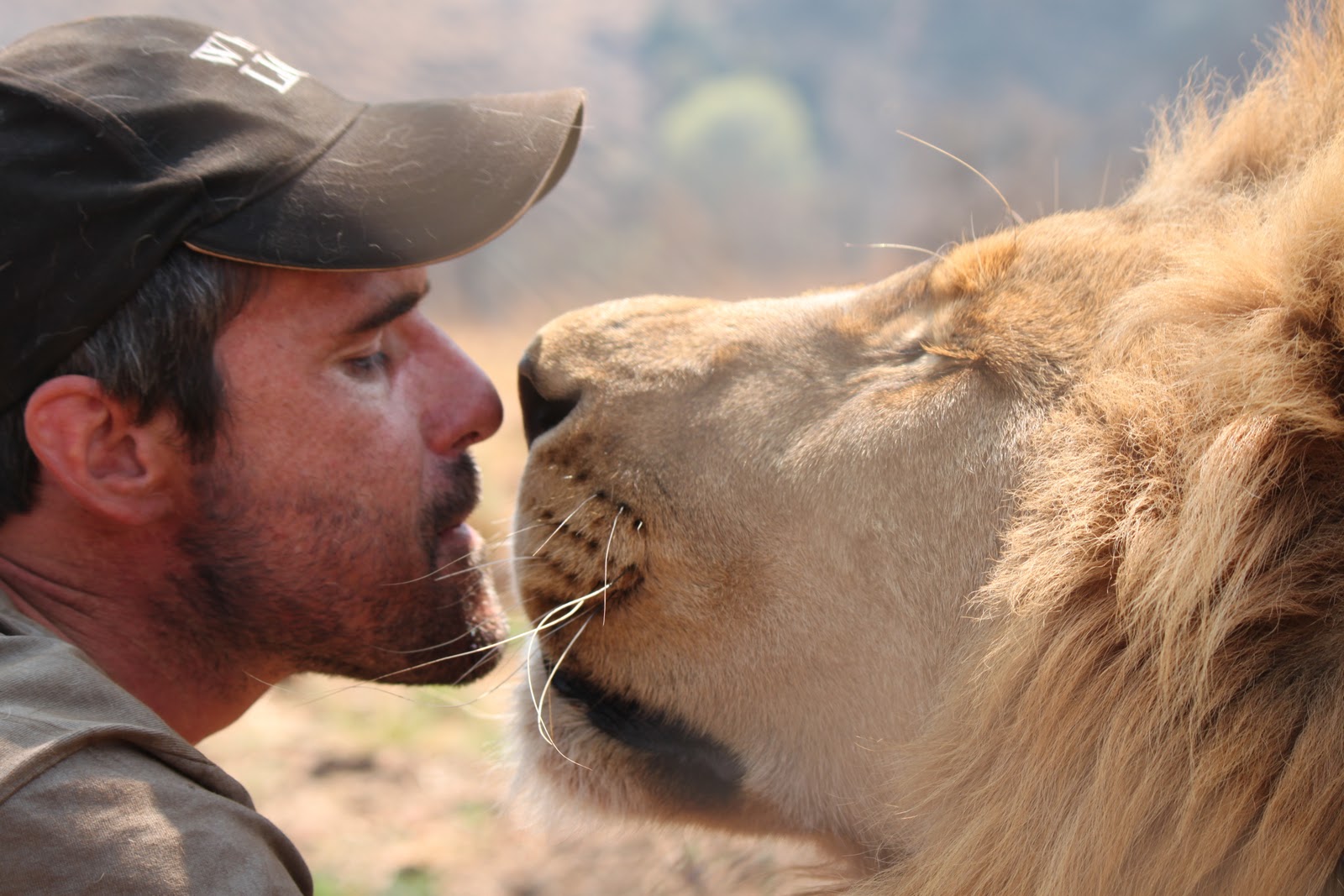
In February 2018, a tragic incident occurred at the Dinokeng Game Reserve involving a lioness under the care of conservationist Kevin Richardson. While Richardson himself was not attacked, a 22-year-old woman was killed by one of his lions during a routine exercise walk. This event led to significant legal scrutiny, a reevaluation of safety protocols in wildlife sanctuaries, and substantial financial repercussions for Richardson’s foundation and the broader South African tourism sector.
The Chronology of the February 2018 Incident
To understand the financial and reputational fallout, one must first examine the specific circumstances of the tragedy. On February 27, 2018, Kevin Richardson—widely known as the "Lion Whisperer" for his intimate relationships with apex predators—was walking three lions within the Dinokeng Game Reserve in Gauteng, South Africa. This practice was part of his regular routine to provide the animals with exercise and mental stimulation outside their enclosures.
During the walk, one of the lionesses pursued an impala, eventually losing sight of Richardson and the other handlers. The lioness strayed into an area near a photographic safari lodge where a 22-year-old woman was reportedly standing outside her vehicle. The lioness attacked the woman, inflicting fatal injuries. Despite the immediate response from paramedics and reserve staff, she could not be saved.
The incident was particularly shocking because it occurred within a "managed" environment where Richardson’s philosophy of social bonding with lions had previously been seen as a unique, albeit controversial, success. The fact that the victim was a bystander and not part of Richardson’s immediate team added a layer of complexity to the liability and public relations challenges that followed.
Immediate Operational and Legal Responses
Following the attack, the Kevin Richardson Foundation and the Dinokeng Game Reserve faced immediate operational shutdowns. South African authorities, including the South African Police Service (SAPS) and environmental departments, launched investigations into whether the sanctuary had breached the National Environmental Management: Biodiversity Act (NEMBA) or local safety regulations.
Legal experts noted that the liability in such cases often hinges on whether "reasonable precautions" were taken to prevent the wild animals from interacting with the public. Richardson’s team maintained that the walk was conducted in a secluded area and that the lioness’s behavior was an unpredictable predatory response to the impala. However, the financial burden of legal defense and the subsequent civil settlements often associated with such tragedies can reach into the millions of Rands.
From a regulatory standpoint, the incident prompted a review of "walking with lions" programs across South Africa. While Richardson’s work focused on conservation and sanctuary rather than commercial cub-petting, the distinction became blurred in the eyes of the public and insurers, leading to a tightening of permits that increased administrative costs for all predator sanctuaries.
The Financial Impact on the Kevin Richardson Foundation
The economic consequences for the Kevin Richardson Foundation were multifaceted, spanning direct costs and indirect losses in brand equity. As a non-profit organization, the foundation relies heavily on international donations, media partnerships, and documentary revenue.
Loss of Philanthropic Momentum
In the immediate aftermath of the 2018 event, the foundation faced a "reputational discount." Large-scale donors and corporate sponsors often shy away from entities associated with fatal accidents due to risk-aversion. While many of Richardson’s core supporters remained loyal, the acquisition of new high-net-worth donors became significantly more difficult. The cost of "donor acquisition" rose as the foundation had to invest more in transparency and safety reporting to rebuild trust.
Increased Insurance Premiums and Security Upgrades
Perhaps the most tangible financial hit came from the insurance sector. Insuring a facility that houses apex predators is inherently expensive, but a fatal incident classifies the operation as "high-risk." In the years following the attack, it is estimated that liability insurance premiums for sanctuaries in the region increased by 30% to 50%.
Furthermore, the foundation had to invest in physical infrastructure upgrades. This included:
- Enhanced Perimeter Fencing: Moving from standard game fencing to reinforced, electrified barriers.
- GPS Tracking and Monitoring: Implementing real-time tracking for lions during any movements outside primary enclosures.
- Staff Training and Ratios: Increasing the number of armed rangers and handlers present during animal rotations.
Impact on Media Production Revenue
Kevin Richardson’s financial model is deeply integrated with media production. His YouTube channel and various documentaries provide a significant portion of the funding required to feed and care for the animals. The 2018 incident led to a temporary suspension of certain filming activities and necessitated a change in content strategy, moving away from "interactance" footage to more strictly educational and observational content to align with evolving global animal welfare standards.
Comparative Analysis of Wildlife Liability Costs
The financial stakes of maintaining a predator sanctuary are illustrated when comparing the 2018 incident with standard operating costs and other historical wildlife accidents.
| Cost Category | Pre-Incident Estimate (Annual) | Post-Incident Impact (Annual/One-time) | Primary Driver |
|---|---|---|---|
| Liability Insurance | $15,000 - $25,000 | $40,000+ (Recurring) | Heightened risk profile in actuarial models. |
| Legal & Compliance | $5,000 - $10,000 | $100,000+ (One-time/Ongoing) | Investigations, settlements, and permit renewals. |
| Security Infrastructure | $20,000 | $150,000 - $300,000 (Capital Exp.) | Upgrading enclosures and monitoring tech. |
| Public Relations | $10,000 | $50,000+ (Crisis Mgmt) | Rebuilding brand trust and managing media. |
| Staffing/Rangers | $60,000 | $90,000 (Recurring) | Increased handler-to-animal ratios. |
Broader Economic Implications for South African Wildlife Tourism
The attack did not just affect Richardson; it sent ripples through the South African wildlife tourism industry, which contributes significantly to the national GDP. When a high-profile "ambassador" for conservation is involved in a tragedy, it scrutinizes the entire "captive-bred" animal industry.
International conservation bodies, such as Blood Lions, used the incident to advocate for a total ban on the captive breeding of lions for commercial purposes. While Richardson’s sanctuary is a "forever home" for rescued animals (and not a breeding facility), the financial impact was felt in the form of stricter travel advisories and a shift in tourist preferences. Travelers increasingly sought out "fair trade" tourism certifications, forcing sanctuaries to pay for expensive third-party audits to prove their safety and ethical standards.
By 2026, the industry has shifted toward a "no-touch" policy as a standard for financial viability. Facilities that still allow close interaction find it nearly impossible to secure affordable insurance or partner with major international travel agencies like TripAdvisor or Expedia, which have largely de-listed "animal interaction" experiences.
Risk Management in Predator Sanctuaries: A Post-2018 Perspective
From a risk management standpoint, the Kevin Richardson incident serves as a primary case study for "black swan" events in wildlife management. A black swan event is an unpredictable occurrence that has a massive impact. Despite years of incident-free walks, a single deviation in animal behavior led to a catastrophic outcome.
To mitigate these risks in the current 2026 climate, sanctuaries have adopted several key strategies:
- Redundant Safety Zones: Creating multiple airlocks and buffer zones between predator exercise areas and guest lodges.
- Acoustic Deterrents: Using non-lethal sound technology to discourage predators from approaching fences or human-occupied vehicles.
- Financial Contingency Funds: Non-profits now maintain larger "reserve funds" specifically for legal and emergency response, reducing the likelihood of a total organizational collapse following an accident.
The financial sustainability of the Kevin Richardson Foundation has depended on its ability to evolve. By pivoting from a "human-animal bond" focus to a "habitat protection" focus, the foundation has managed to secure new types of environmental grants that were previously unavailable.
Navigating the Ethics and Costs of Apex Predator Conservation
For donors and supporters of wildlife conservation, the Kevin Richardson story highlights the tension between the high cost of ethical care and the inherent risks of managing powerful predators. Caring for a single lion can cost upwards of $8,000 to $10,000 per year in food and veterinary care alone. When you add the overhead of safety, insurance, and land management, the financial burden is immense.
The 2018 incident serves as a reminder that "whispering" or social bonding does not override the predatory instincts of a lioness. For the sanctuary to survive financially in the long term, it has had to prioritize the "wildness" of the animals over the "closeness" of the interaction. This shift is not just an ethical choice but a financial necessity in an era of heightened liability and global scrutiny.
FAQ
Was Kevin Richardson himself attacked by the lion?
No, Kevin Richardson has never been seriously injured or killed by his lions. In the February 2018 incident, Richardson was present on the reserve but was not the victim. The attack involved a 22-year-old woman who was a guest at a nearby lodge within the Dinokeng Game Reserve.
Did the lioness involved in the 2018 attack belong to the sanctuary?
Yes, the lioness was one of the animals under the care of the Kevin Richardson Foundation. She was being walked for exercise in a designated area of the Dinokeng Game Reserve when she broke away to pursue an impala and subsequently encountered the victim.
What happened to the lioness after the attack?
Following standard protocols in South Africa for animals that kill humans, there were calls for the lioness to be euthanized. However, because the incident occurred within a game reserve and involved complex circumstances regarding how the victim was positioned, the foundation and reserve management engaged in extensive consultations with wildlife authorities regarding the animal's future and the safety of the sanctuary's remaining population.
How has the Kevin Richardson Foundation changed its safety protocols since the event?
Since the 2018 tragedy, the foundation has significantly limited the practice of walking lions in areas where human contact is even remotely possible. There has been an increased reliance on high-tech monitoring, reinforced physical barriers, and a greater emphasis on "observational" conservation rather than "interactive" experiences.
What was the specific legal outcome for Kevin Richardson?
The incident led to an inquest to determine if there was criminal negligence. While Richardson faced significant public and regulatory scrutiny, the focus remained on the systemic safety failures of the reserve's layout and the protocols for guest movement. The financial impact was largely felt through civil channels, insurance adjustments, and a decrease in certain types of funding.
Recommendations for Supporters and Visitors
If you are looking to support or visit wildlife sanctuaries in 2026, consider the following actions to ensure your contribution promotes both safety and conservation:
- Verify "No-Touch" Policies: Support facilities that prioritize the animal's natural behavior over human interaction. This reduces the risk of attacks and the subsequent financial instability they cause.
- Review Financial Transparency: Choose organizations that publish annual reports detailing how donations are spent on infrastructure and safety, not just animal feed.
- Check Accreditation: Look for sanctuaries accredited by the Global Federation of Animal Sanctuaries (GFAS), which requires rigorous safety and financial standards.
- Report Unsafe Practices: If you observe predators being handled in close proximity to guests without adequate barriers in any facility, report it to the local tourism board or wildlife authority.