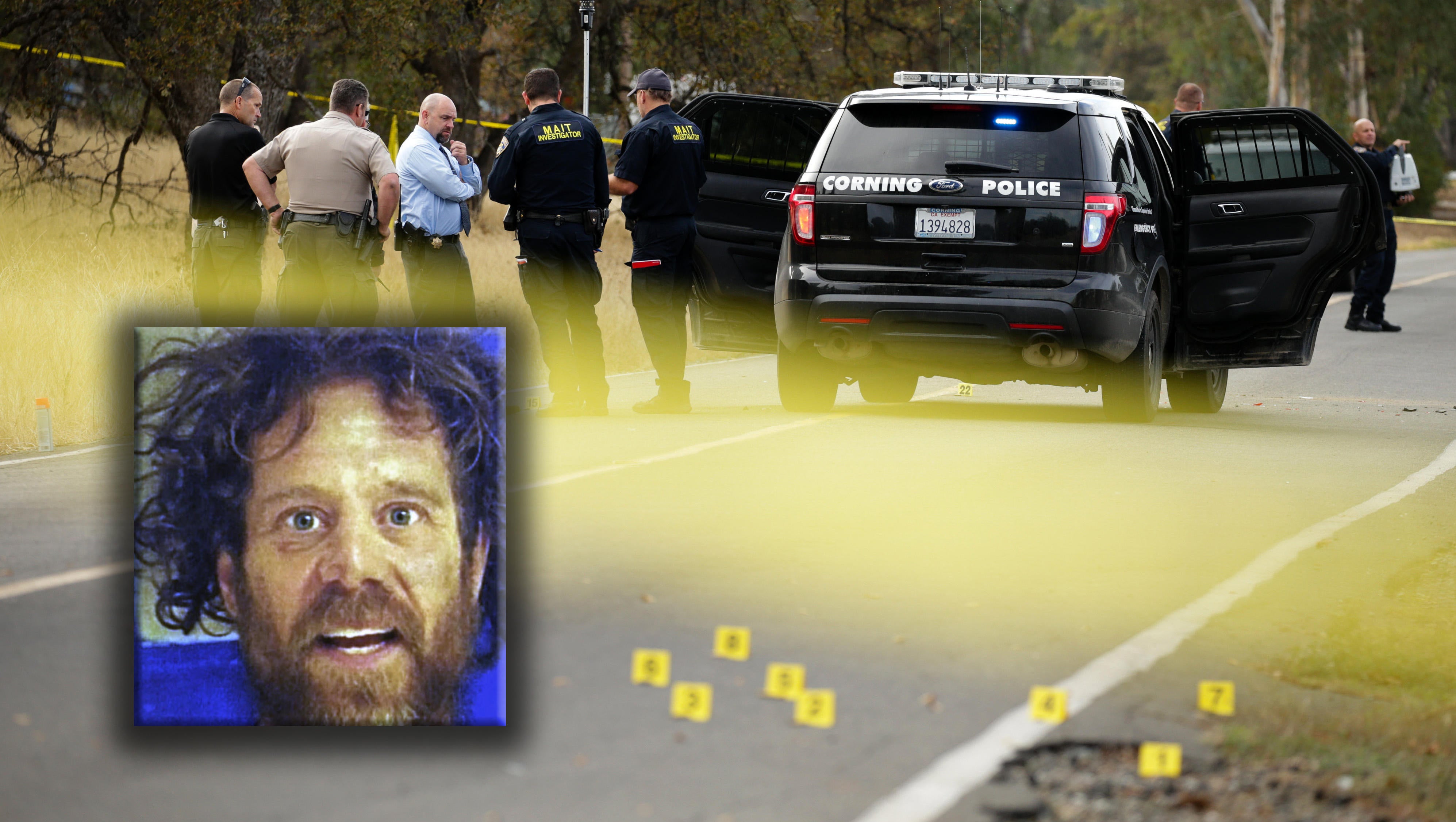
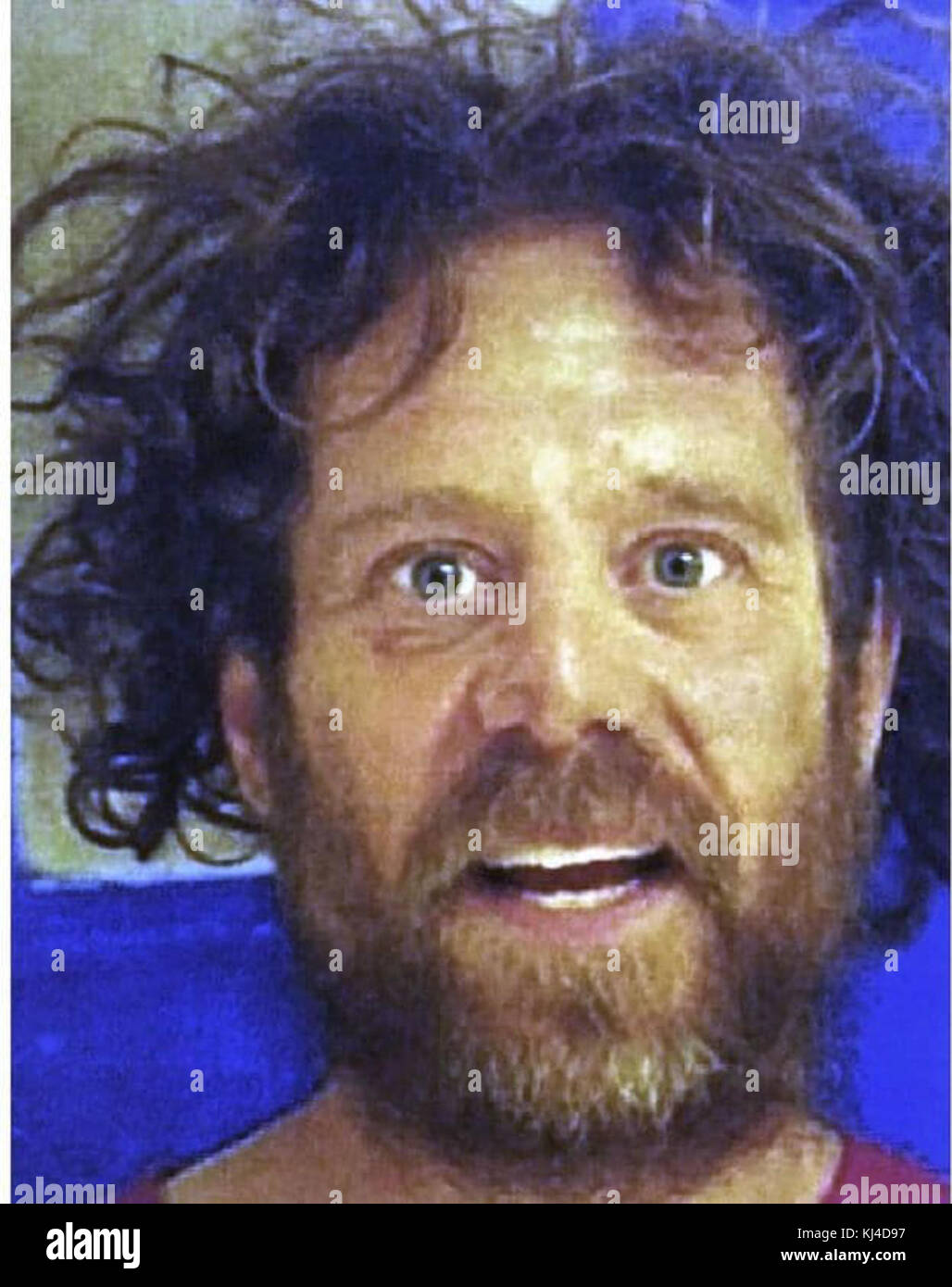
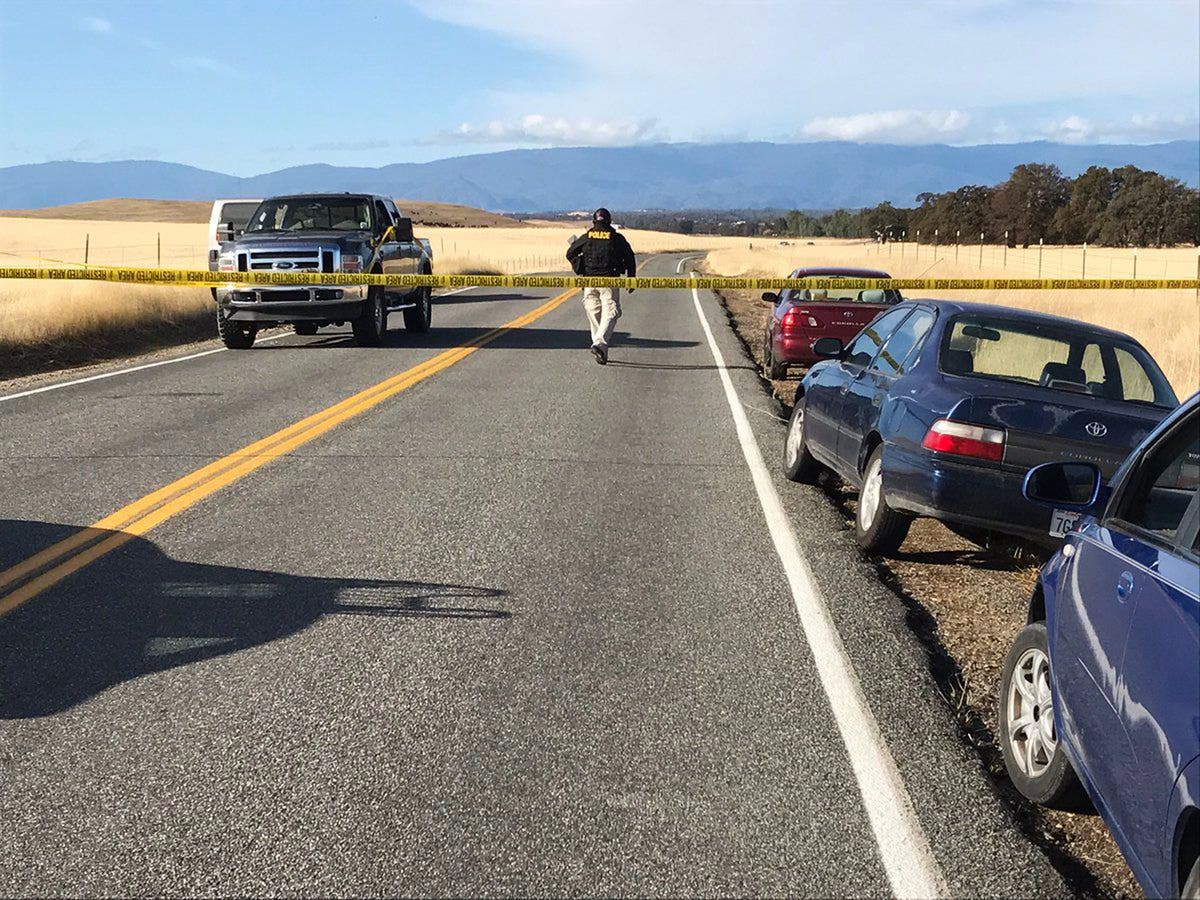
Kevin Janson Neal was the perpetrator of a multi-location shooting spree in Rancho Tehama Reserve, California, on November 13 and 14, 2017. The incident resulted in the deaths of five people and injuries to approximately 12 others before Neal died of a self-inflicted gunshot wound during a confrontation with law enforcement.
The case of Kevin Janson Neal serves as a significant case study in the intersection of mental health issues, domestic violence, and the challenges of enforcing firearm regulations. As of 2026, the events surrounding the Rancho Tehama shootings remain a focal point for discussions regarding "ghost guns"—unserialized firearms—and the efficacy of California’s red flag laws. Understanding Neal’s background, the timeline of the violence, and the legal failures that preceded the tragedy is essential for comprehending the broader implications for public safety and legislative reform.
Personal Background and Preceding Mental Health Concerns
Kevin Janson Neal, born in 1973, had a history that was increasingly characterized by volatility and paranoia in the years leading up to the 2017 massacre. Residing in the rural community of Rancho Tehama Reserve, located in Tehama County, California, Neal was known to his neighbors as a deeply troubled individual. Reports from family members and neighbors suggested a long-standing struggle with mental health, which manifested as aggressive behavior and obsessive delusions.
Neal’s sister later described him as someone who had been "living in a world of delusions" for a significant period. Despite these observations, there was no formal intervention that successfully mitigated the threat he posed. In the rural setting of Rancho Tehama, Neal’s behavior—which included frequent discharge of firearms and screaming at neighbors—became a point of constant friction. His paranoia often focused on his neighbors, whom he accused of manufacturing methamphetamines, claims that law enforcement found to be baseless.
This background of instability is critical because it highlights the gap between public perception of a "dangerous individual" and the legal system's ability to intervene before a crisis occurs. In the months prior to November 2017, Neal’s life was a cycle of escalating conflicts, many of which were documented by the Tehama County Sheriff’s Office.
Criminal History and the Judicial Context
The path toward the November shooting was paved with previous legal encounters. In January 2017, Neal was arrested following an assault on two of his neighbors. During this incident, he allegedly stabbed one of the women and took her cell phone. He was subsequently charged with second-degree robbery, assault with a deadly weapon, and several other counts.
Following this arrest, Neal was released on $160,000 bail. Crucially, as a condition of his release and due to a protective order filed by his neighbors, Neal was prohibited from possessing firearms. He was required to surrender any weapons in his possession to the authorities. Neal filed a document claiming he had complied with this order, stating he did not own any firearms. However, this claim was never physically verified by the court or law enforcement, a failure that would have catastrophic consequences.
The legal proceedings moved slowly. By late 2017, Neal remained out on bail, despite continued complaints from neighbors about his behavior and the sound of gunfire coming from his property. This period illustrates a significant breakdown in the enforcement of firearm relinquishment laws, a topic that has since dominated California legislative discussions.
The Timeline of the Rancho Tehama Shooting
The violence began on November 13, 2017, though the full extent of Neal’s actions was not discovered until after the main rampage concluded the following day.
The Murder of Barbara Glisan
The first victim was Neal’s wife, Barbara Glisan. Sometime on the night of November 13, Neal shot and killed her in their home. He then concealed her body beneath the floorboards. Investigation later suggested that Neal may have killed her to prevent her from interfering with his plans for the following day or as the final culmination of a history of domestic abuse.
The Morning of November 14
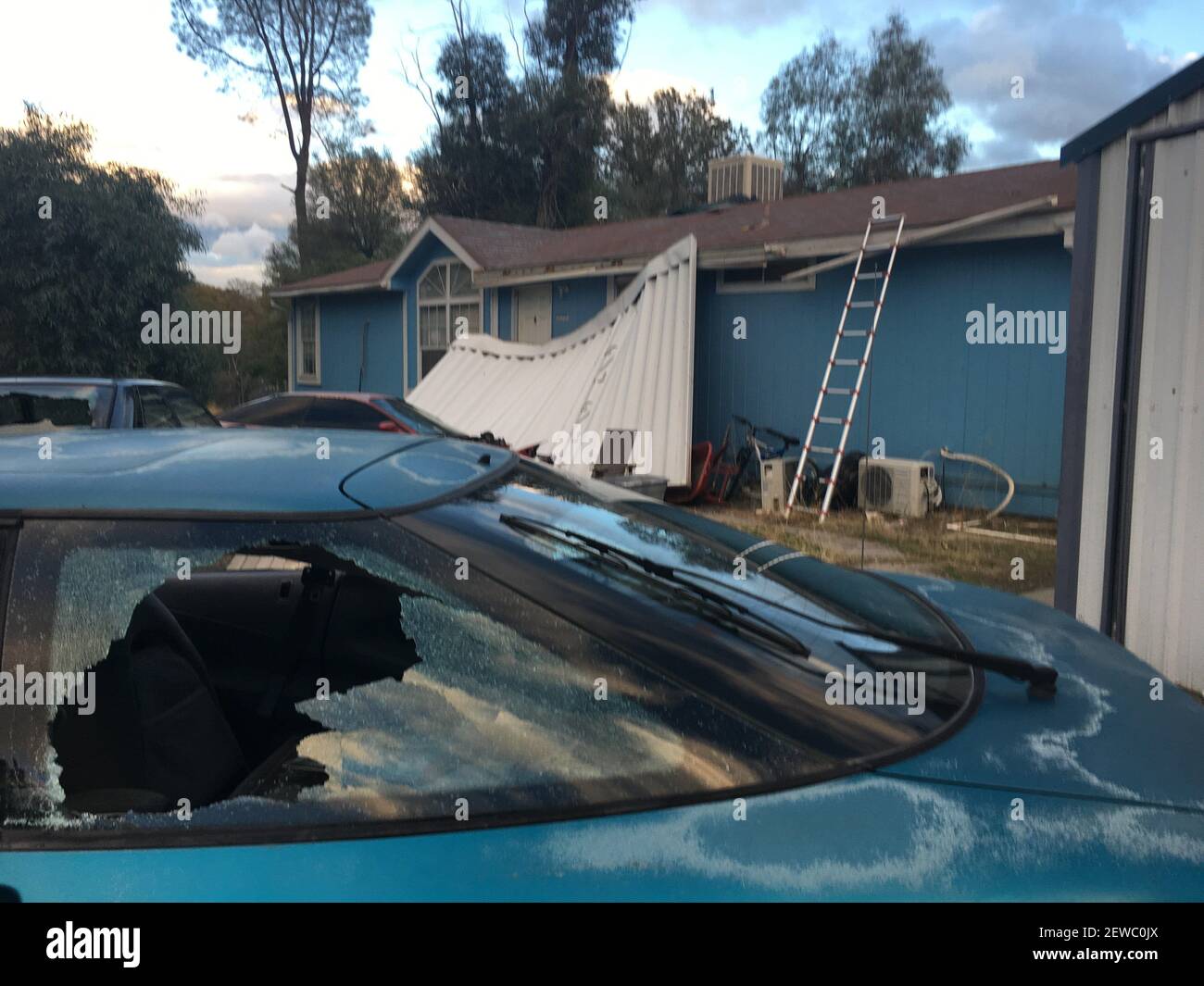
On the morning of November 14, Neal began his spree by targeting the neighbors involved in his previous legal disputes. He killed two neighbors before stealing a vehicle to continue his path of violence through the community. Armed with two semi-automatic rifles and two handguns—none of which were legally registered—he drove toward the center of the Rancho Tehama Reserve.
The Attack on Rancho Tehama Elementary School
The most harrowing segment of the incident occurred at the Rancho Tehama Elementary School. Neal intentionally crashed the stolen vehicle through the school’s locked gate. He exited the vehicle and began firing at the school buildings. However, a rapid response by school staff saved countless lives. Upon hearing the initial shots in the neighborhood, the school went into an immediate lockdown. Teachers ushered students inside and locked doors just seconds before Neal reached the hallways.
Frustrated by the locked doors, Neal fired into the walls and windows of the school, injuring one student who was hit by a bullet that passed through a wall. Unable to gain entry, Neal abandoned the school site after approximately six minutes, continuing his shooting spree on the local roads.
Law Enforcement Response and the Death of Neal
The Tehama County Sheriff’s Office responded to reports of an active shooter across multiple locations. The sprawling, rural nature of the community made the pursuit difficult. During his escape from the school, Neal continued to fire at passing motorists, killing a woman in her vehicle and injuring several others.
The rampage ended approximately 45 minutes after it began. Two law enforcement officers spotted Neal in a different stolen vehicle. A high-speed pursuit ensued, during which Neal engaged the officers in a gunfight. Officers eventually managed to ram Neal’s vehicle, forcing it off the road. As they closed in, Neal died from a self-inflicted gunshot wound to the head.
Casualty Summary
| Category | Count | Details |
|---|---|---|
| Fatalities (Excluding Perpetrator) | 5 | Barbara Glisan, three neighbors, one motorist |
| Non-Fatal Injuries | 12 | Includes 1 student at the school and several motorists |
| Primary Locations | 7 | Residential homes, roads, and elementary school |
| Weapons Used | 4 | Two "ghost gun" rifles, two handguns |
Technical Analysis of the "Ghost Guns" Used
One of the most significant aspects of the Kevin Janson Neal case is his use of "ghost guns." Because Neal was under a restraining order and had a criminal record, he was legally barred from purchasing firearms through traditional channels. To bypass background checks, Neal manufactured his own firearms using "80% lowers."
A "ghost gun" is a firearm that is assembled from parts and lacks a serial number, making it untraceable by law enforcement. In 2017, the components required to build such weapons were easily accessible online and did not require a background check under federal law. Neal used a drill press and other tools to complete the unfinished receivers, effectively creating functional, military-style rifles in his home.
The Neal case was a watershed moment for California’s Bureau of Firearms. It demonstrated that even the strictest gun control laws could be bypassed by individuals willing to manufacture their own equipment. Consequently, this event accelerated the passage of California Assembly Bill 879 and subsequent federal regulations in the following years, which sought to regulate the sale of firearm precursors and require serial numbers on all home-manufactured weapons.
Systemic Failures and Legal Ramifications
The Rancho Tehama shooting is frequently cited as a failure of "systemic enforcement." Several key areas were identified where the tragedy could have potentially been averted:
- Verification of Weapon Relinquishment: Neal had been ordered to surrender his weapons. The court accepted his written statement that he had no guns without conducting a search or requiring proof of disposal.
- Response to Neighbor Complaints: In the months leading up to the shooting, neighbors called the Sheriff’s Office dozens of times to report Neal for firing weapons. Because the area was rural and Neal often retreated into his home before deputies arrived, he was never caught in the act of violating his bail conditions.
- Red Flag Law Utilization: Although California had a Gun Violence Restraining Order (GVRO) law in place in 2017, it was not effectively utilized to ensure Neal’s home was cleared of all firearm-related materials.
In the years since, Tehama County and the state of California have faced litigation and internal reviews regarding these oversights. The incident led to more rigorous protocols for how courts verify the surrender of firearms following a domestic violence or assault charge.
The Aftermath and Community Recovery
Rancho Tehama Reserve is a small, unincorporated community of about 1,500 people. The impact of such a localized and violent event was profound. The elementary school, which became the symbol of both the tragedy and the heroism of the staff, underwent significant security upgrades and mental health support programming for students.
By 2026, the community has largely recovered in a physical sense, but the legacy of the event remains a part of local history. Memorials for the victims—Danny Elliott, Diana Steele, Michelle McFadyen, Joseph Powell, and Barbara Glisan—serve as reminders of the lives lost.
The case also remains a pillar of the national debate over firearm policy. It is used by advocates of stricter "Ghost Gun" regulations as proof that technological workarounds can render standard background checks obsolete. Conversely, it is used by mental health advocates to argue for more proactive intervention strategies in rural areas where law enforcement resources are often spread thin.
Frequently Asked Questions
What were Kevin Janson Neal's primary motives?
Investigations concluded that Neal’s primary motives were rooted in a long-standing feud with his neighbors and severe mental instability. He appeared to have reached a "breaking point" following his January arrest, blaming his neighbors for his legal troubles. His attack on the school and random motorists suggested a secondary desire to cause maximum chaos and harm to the community at large.
How did Neal acquire the guns if he was a prohibited person?
Neal circumvented the law by manufacturing the weapons himself. He purchased "80% lower" receivers and parts kits, which at the time did not require a serial number or a background check. Using basic machinery, he completed the manufacturing process at home. This allowed him to possess high-capacity rifles despite being legally barred from doing so.
Did any students die at the Rancho Tehama Elementary School?
No students died during the attack at the school. This was largely credited to the quick thinking of the school administrators and teachers who initiated a lockdown as soon as they heard gunshots in the vicinity. While one student was injured by a bullet that entered a classroom, the lockdown prevented Neal from entering the building, where hundreds of children were sheltered.
Was Kevin Janson Neal ever diagnosed with a mental illness?
While family members publicly stated that Neal suffered from paranoia and delusions, it is unclear if he had a formal, court-adjudicated mental health diagnosis prior to the shooting. His legal records focused primarily on his criminal behavior rather than a clinical psychological evaluation, which is a common gap in cases of this nature.
What happened to the legal cases against Neal after his death?
Because Neal died at the scene, all criminal charges against him were dismissed. However, the shooting prompted several civil inquiries and lawsuits aimed at the county and law enforcement for failing to enforce the standing restraining orders and bail conditions that should have prevented Neal from being armed.
Final Recommendations for Public Safety Awareness
The case of Kevin Janson Neal underscores the vital importance of community vigilance and the proper reporting of "red flag" behaviors. For residents in similar rural or isolated communities, the following actions are recommended:
- Document and Report: Consistent documentation of illegal firearm discharge or threats is necessary for law enforcement to build a case for bail revocation or search warrants.
- Utilize GVROs: Familiarize yourself with the Gun Violence Restraining Order process, which allows family members or law enforcement to petition a court to temporarily remove firearms from an individual in crisis.
- School Safety Protocols: The Rancho Tehama incident proves that lockdown drills and rapid-response protocols are life-saving measures. Regular training for school staff remains the most effective defense against active threats.
By understanding the technical and systemic failures of the Neal case, communities and lawmakers can better address the vulnerabilities that allow such individuals to carry out large-scale violence.