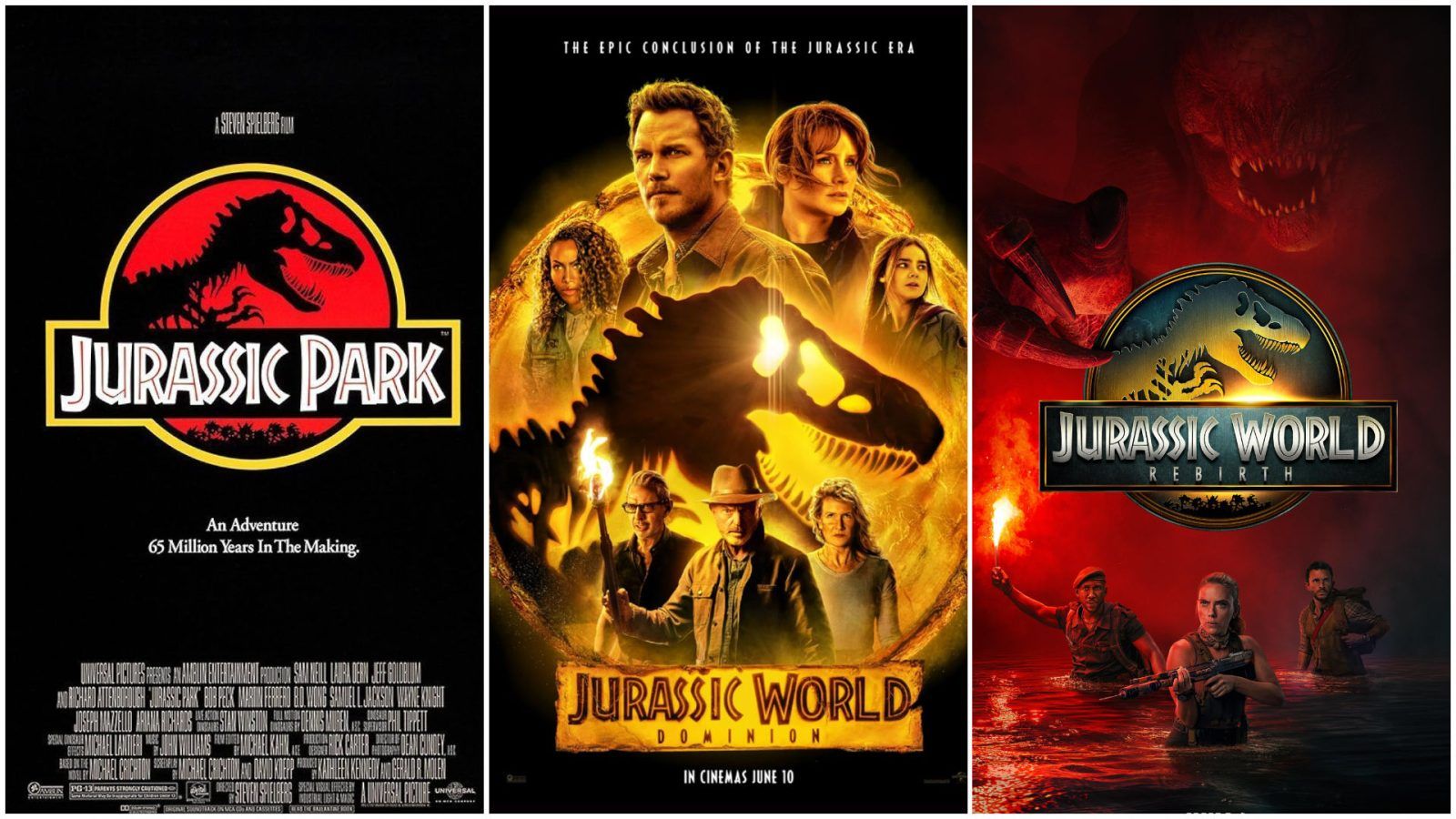
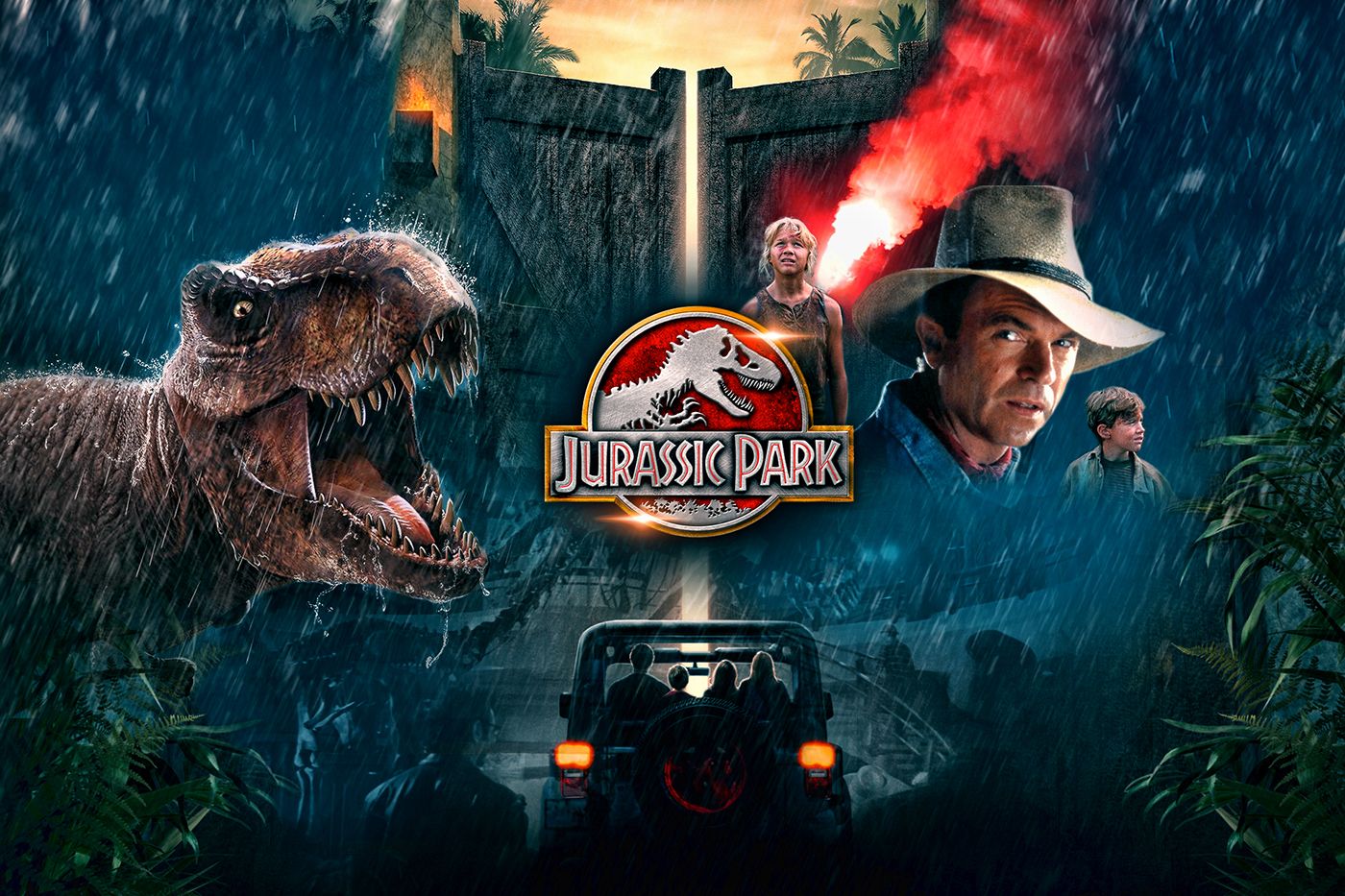
The Jurassic Park film series spans over three decades of cinematic history, evolving from Steven Spielberg’s groundbreaking 1993 science fiction thriller into a sprawling blockbuster franchise. To experience the saga in its intended narrative progression, viewers should follow the chronological release order, starting with the original Jurassic Park trilogy and continuing through the Jurassic World trilogy.
The Original Jurassic Park Trilogy
The foundation of the franchise was established by Michael Crichton’s novel, which inspired the first film. These movies focus on the initial scientific attempts to clone dinosaurs using preserved DNA and the subsequent catastrophic failures of the parks created to house them.
- Jurassic Park (1993): Directed by Steven Spielberg, this film introduces audiences to Isla Nublar, a remote island where billionaire John Hammond has created a wildlife park of de-extinct dinosaurs. The narrative follows a group of experts—paleontologist Dr. Alan Grant, paleobotanist Dr. Ellie Sattler, and mathematician Ian Malcolm—as they evaluate the safety of the park. The film remains a benchmark for its pioneering use of computer-generated imagery (CGI) and animatronics.
- The Lost World: Jurassic Park (1997): Set four years after the events of the first film, this sequel shifts the focus to "Site B," Isla Sorna, where the dinosaurs were originally bred. Dr. Ian Malcolm leads an expedition to document the animals in their natural, untethered state. The plot expands the scope of the series by introducing the concept of a larger, global threat as dinosaurs are transported to the mainland.
- Jurassic Park III (2001): Directed by Joe Johnston, this installment returns to Isla Sorna. Dr. Alan Grant is tricked into leading a rescue mission to find a missing teenager who disappeared during an illegal paragliding excursion near the island. This entry is distinct for being the first in the series not based directly on a Michael Crichton novel, focusing instead on character survival and the introduction of new apex predators like the Spinosaurus.
The Jurassic World Trilogy
After a fourteen-year hiatus, the franchise was reimagined with a new trilogy that explores the transition of dinosaur technology into a fully operational, commercialized theme park. These films shift the tone toward large-scale action and genetic hybridization.
- Jurassic World (2015): Set twenty-two years after the disaster of the original park, a fully functional luxury resort called Jurassic World now operates on Isla Nublar. When the park’s attendance begins to decline, the corporate owners introduce a genetically modified hybrid dinosaur, the Indominus rex. The chaos that ensues forces operations manager Claire Dearing and dinosaur trainer Owen Grady to save the visitors.
- Jurassic World: Fallen Kingdom (2018): Following the closure of the park due to the escape of the hybrid, the dinosaurs are threatened by an impending volcanic eruption on Isla Nublar. A rescue mission turns into a covert operation to relocate the creatures to a private estate in Northern California, leading to a profound change in the human-dinosaur relationship as the animals are unleashed into the wild.
- Jurassic World Dominion (2022): This film serves as the grand conclusion to both trilogies, uniting characters from the original Jurassic Park and the Jurassic World series. The plot is set four years after the events of Fallen Kingdom, depicting a world where dinosaurs now coexist—and compete—with humans across the globe. The story centers on the ethical implications of genetic engineering and the struggle to protect the future of the planet.
Comparison of Jurassic Series Entries
To understand the scope of the series, it is helpful to look at the primary focus and narrative objective of each film. While all entries deal with the consequences of "playing God," the shifts in tone and technology are significant.
| Film Title | Release Year | Primary Setting | Key Focus |
|---|---|---|---|
| Jurassic Park | 1993 | Isla Nublar | Scientific wonder and hubris |
| The Lost World | 1997 | Isla Sorna | Survival and corporate exploitation |
| Jurassic Park III | 2001 | Isla Sorna | Rescue mission and predator behavior |
| Jurassic World | 2015 | Isla Nublar | Corporate greed and hybridization |
| Fallen Kingdom | 2018 | Nublar/California | Ethical dilemmas and global impact |
| Dominion | 2022 | Global | Coexistence and genetic preservation |
Viewing and Experience Considerations
When preparing to watch the series, there are several factors to consider. First, the films are rated predominantly PG-13 due to intense sequences of creature violence and peril. Parents should be aware that the original 1993 film, while iconic, contains scenes of suspense that can be unsettling for younger viewers.
Technically, the progression of the series is an excellent case study in the history of visual effects. If you are watching these on home media, note that modern releases are often available in 4K UHD with HDR (High Dynamic Range), which significantly enhances the dark, lush environments of the island settings. For those interested in the lore, pay attention to the recurring motifs, such as the Amber-topped cane and the corporate entities like InGen and BioSyn, which bridge the gap between the older films and the modern Jurassic World entries.
Frequently Asked Questions
Do I need to watch the films in order to understand the plot?
While each film in the Jurassic World trilogy functions reasonably well as a standalone action movie, the emotional weight and character arcs in Jurassic World Dominion are significantly enhanced by having watched the original 1993 Jurassic Park. The series is best experienced in release order to appreciate the evolution of the narrative.
Is the animated series part of the main continuity?
The Netflix animated series Jurassic World: Camp Cretaceous and its successor Chaos Theory are officially considered canon within the Jurassic World timeline. They provide supplementary context regarding events occurring on Isla Nublar during and after the 2015 Jurassic World film.
Are there any other short films in the series?
Yes, there is a short film titled Battle at Big Rock (2019), directed by Colin Trevorrow. It takes place one year after the events of Jurassic World: Fallen Kingdom and depicts the first major encounter between dinosaurs and humans in the American wilderness, serving as an important bridge to the events of Dominion.
How do the novels compare to the film series?
The films take significant creative liberties compared to Michael Crichton’s novels. The books are much darker and more technical, focusing heavily on chaos theory, paleontology, and corporate espionage. While the films capture the spirit of the novels, they simplify the scientific discussions to favor cinematic pacing and visual spectacle.
Next Steps for Enthusiasts
If you have completed the six main films and the short film Battle at Big Rock, your next step is to explore the behind-the-scenes content found on the 4K/Blu-ray home media collections. These often contain featurettes regarding the animatronics used in the 1990s versus the digital work of the 2020s. For a deeper understanding of the world, reading Michael Crichton’s Jurassic Park (1990) and The Lost World (1995) is the most rewarding way to see the original vision that spawned the entire franchise.