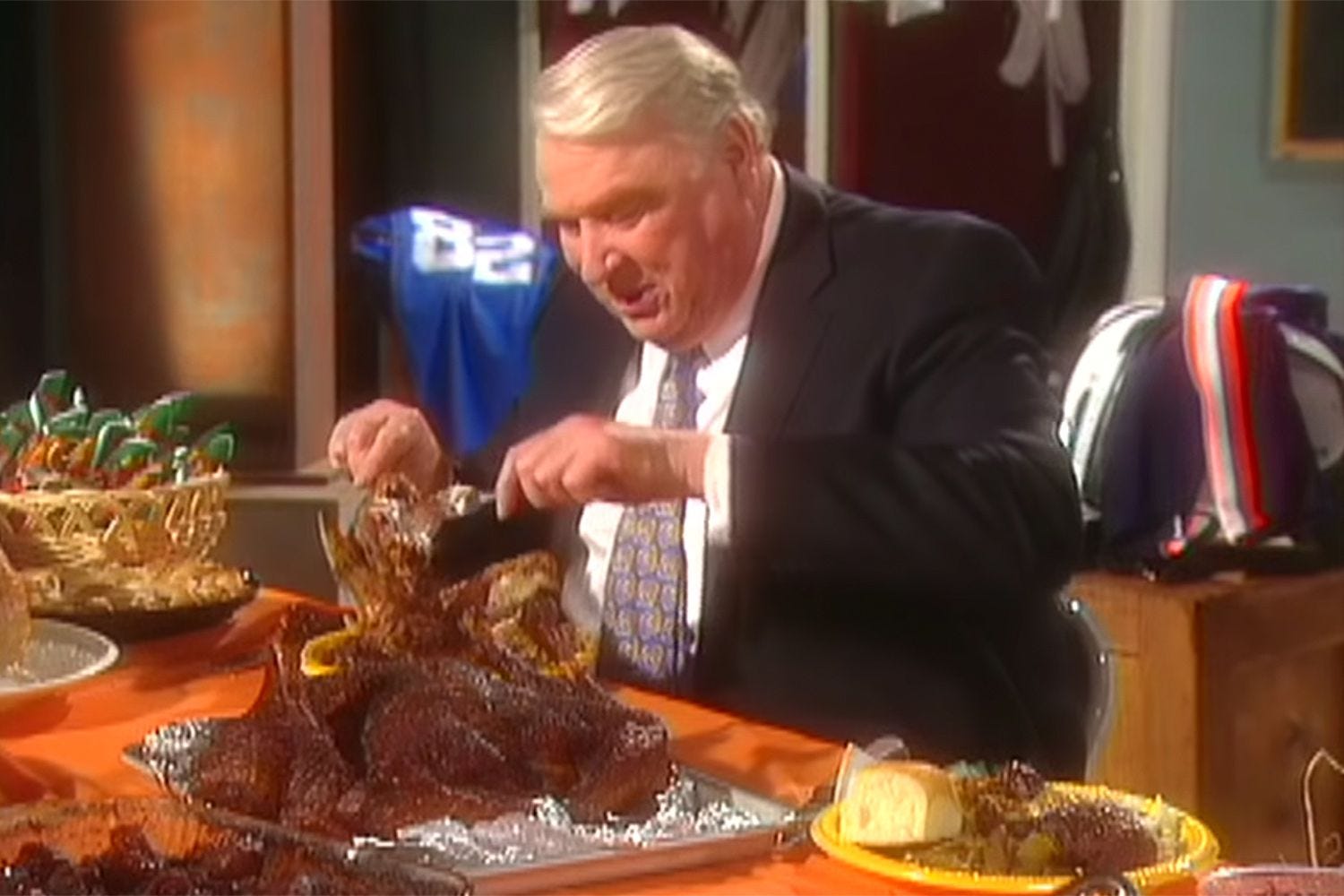
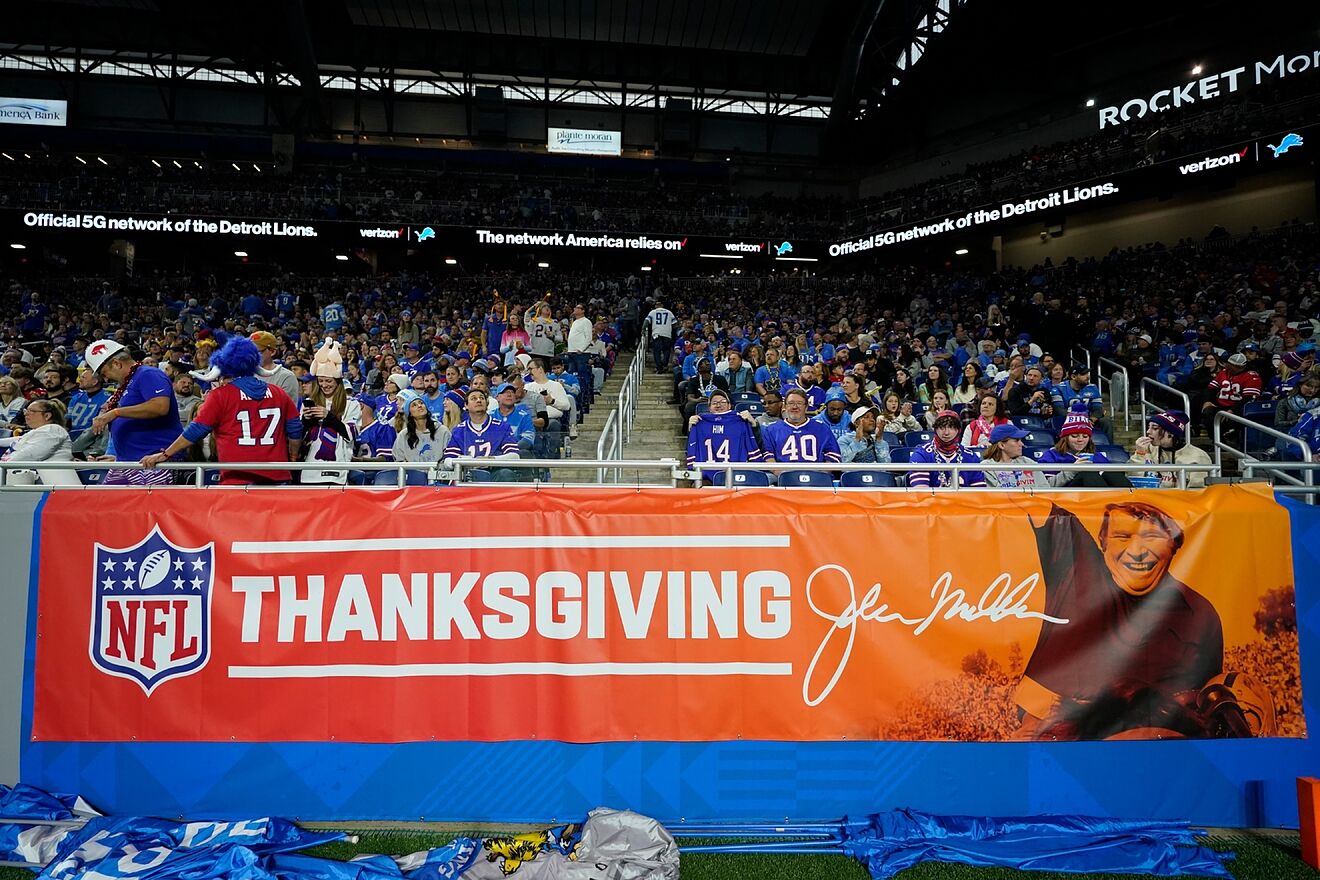
The John Madden Thanksgiving dish, famously known as the "Turducken," is a culinary centerpiece consisting of a deboned chicken stuffed into a deboned duck, which is then stuffed into a deboned turkey. This layered poultry roast became synonymous with the legendary broadcaster’s Thanksgiving NFL game coverage, serving as a humorous, larger-than-life symbol of the holiday’s excesses and tradition.
The Origins of a Thanksgiving Legend
To understand why a specific dish became tethered to a sportscaster, one must look back at the intersection of American football culture and holiday broadcast history. John Madden, the Pro Football Hall of Fame coach turned broadcaster, began his long-standing tradition of calling Thanksgiving Day NFL games during his tenure at CBS and later at Fox. As a personality, Madden was known for his love of hearty, traditional American food.
The Turducken entered the public consciousness during the 1990s when Madden began highlighting the roast during his holiday broadcasts. While the exact origins of the dish predate Madden—with roots in various European culinary traditions involving stuffed birds—he effectively turned the Turducken into a household term. Through his exuberant on-air descriptions and the theatrical carving of the roast on the field or in the booth, he transformed an obscure culinary curiosity into a symbol of Thanksgiving spectacle.
The Architecture of a Turducken
A true Turducken is a feat of butchery and preparation. It is not merely a bird inside another bird; it is a meticulously deboned ensemble that requires a specific sequence of assembly to ensure safety and consistent cooking. Because the structure involves three layers of protein, the moisture levels and cooking temperatures are vastly different from a standard whole turkey.
The primary components are:
- The Turkey: Usually a large bird (15–20 pounds) that acts as the outer structural shell.
- The Duck: A medium-sized bird (4–6 pounds) that provides a layer of flavorful, fatty dark meat.
- The Chicken: A smaller bird (3–4 pounds) that sits in the center, often surrounded by a savory bread-based stuffing.
The "stuffing" component is critical. Generally, a distinct stuffing is placed between each layer of the birds. This adds flavor profiles that permeate the meat while acting as a buffer that helps maintain the internal moisture of the inner birds, which would otherwise dry out significantly during the extended cooking time required to roast the massive exterior turkey.
Culinary Requirements and Safety Considerations
Preparing a Turducken is a significant technical undertaking. Because you are dealing with three distinct types of raw poultry, cross-contamination is a primary concern. The USDA guidelines for poultry safety remain the gold standard for anyone attempting this dish at home.
The most critical aspect of the preparation is temperature control. Because the internal contents are dense, heat transfer is slower than in a standard roast. Chefs must utilize a high-quality, calibrated digital meat thermometer to ensure the innermost bird reaches a minimum internal temperature of 165°F (74°C). Relying on time-based cooking alone is dangerous; you must verify that the center of the chicken has achieved the safe temperature threshold, while the turkey must be monitored to ensure it does not dry out before the core is cooked.
Essential Preparation Steps
- Deboning: Each bird must be carefully deboned, leaving the skin intact. This is often the most labor-intensive step and requires a sharp, flexible boning knife.
- Seasoning and Stuffing: Each layer should be seasoned individually. The stuffing should be fully cooked or at least heated to a safe temperature before being placed inside if you are concerned about bacterial growth in the dense core.
- The Roll: The birds are layered and sewn shut with kitchen twine to ensure the "roast" maintains its shape throughout the cooking process.
- Roasting: Use a heavy-duty roasting pan with a rack. The cooking time for a full Turducken can range between 6 to 9 hours depending on the total weight and oven temperature.
Comparing Traditional Thanksgiving Roasts
When deciding whether to prepare a Turducken for your own holiday, it is helpful to compare it against more traditional options. The Turducken is rarely chosen for its ease of preparation; it is chosen for the experience and the "wow factor."
| Feature | Whole Turkey | Turducken | Crown Roast of Pork |
|---|---|---|---|
| Complexity | Low | Very High | Medium |
| Cooking Time | 3–5 Hours | 6–9 Hours | 2–3 Hours |
| Flavor Profile | Traditional/Mild | Complex/Rich | Savory/Salty |
| Sourcing | Readily Available | Specialty Butcher | Specialty Butcher |
| Skill Level | Beginner | Advanced | Intermediate |
Addressing Common Pitfalls
The most frequent mistake home cooks make with a Turducken is failing to account for the "carryover" heat or, conversely, over-stuffing the inner layers to the point where the center never reaches a safe temperature.
Avoid the temptation to use a standard "box" stuffing without testing the density. Because the Turducken is wrapped in layers of fat-heavy skin (the duck and turkey), the exterior can char before the interior is safe. Many professional chefs recommend starting the bird at a higher heat to brown the skin, then lowering the temperature significantly to ensure the internal layers cook through without burning the exterior. Always allow the dish to rest for at least 45 to 60 minutes after taking it out of the oven. This rest period is essential for the redistribution of juices and makes the final carving process substantially easier.
Frequently Asked Questions
Does the Turducken taste different from a normal turkey?
Yes, the flavor is significantly richer. The presence of duck—which is naturally oilier and more intensely flavored than turkey or chicken—bastes the other layers from the inside out. This results in a much more succulent, savory final product compared to the relatively lean meat of a standard turkey.
Is it necessary to debone the birds yourself?
While you can debone them at home with practice, it is highly recommended to order the Turducken from a professional butcher or a reputable specialty poultry supplier. These businesses have the equipment to debone the birds while keeping the skin perfectly intact, which is the most difficult part of the process.
What is the best way to slice a Turducken?
You should treat the Turducken like a loaf of bread rather than a standard bird. Once it has rested, slice it vertically through the layers. Each slice, if performed correctly, should display the cross-section of all three birds and the stuffings between them, providing a beautiful presentation on the plate.
How long does a Turducken take to thaw if frozen?
Because of the massive size and the density of the three-bird construction, a frozen Turducken can take 3 to 4 days to thaw completely in a refrigerator. Do not attempt to thaw it on the counter, as the exterior will reach dangerous temperatures while the center remains frozen, creating a significant food safety risk.
Recommendations for Your Thanksgiving
If you are planning to serve a Turducken in 2026, the most effective approach is to source it from a local, high-end butcher shop at least three weeks in advance. These shops often have limited supply during the holiday week. Request that they provide the bird fully assembled and trussed, but not pre-cooked. This allows you to handle the final roasting process yourself, ensuring the bird is fresh and hot when served. If you are a novice cook, prioritize the use of a leave-in probe thermometer to monitor the internal temperature in real-time, which eliminates the guesswork and stress often associated with long-duration roasting.