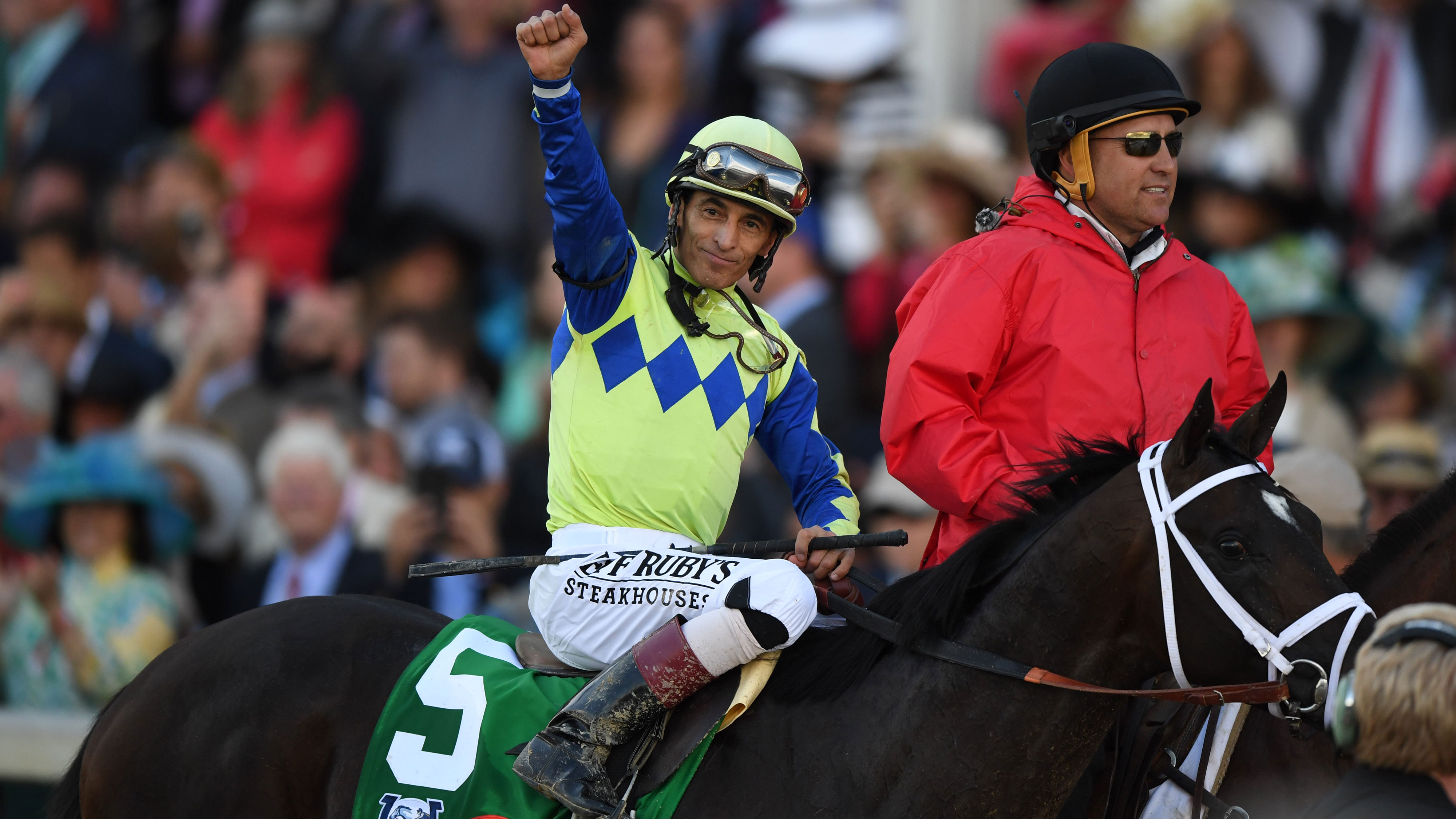
Professional jockey earnings are determined by a combination of fixed mount fees and a percentage of the prize money awarded for each race, rather than a standard annual salary. While top-tier riders at major racing circuits can command significant annual incomes, the majority of jockeys operate as independent contractors whose take-home pay fluctuates based on their win rate, the frequency of their mounts, and the specific contractual arrangements made with owners and trainers.
The Compensation Structure: Mount Fees vs. Purse Percentages
At the heart of a professional jockey's financial life is a dual-stream income model. Unlike traditional employees, jockeys are categorized as self-employed individuals, which requires them to manage their own business expenses, including travel, insurance, and specialized equipment. Their income is derived from two primary sources: the mount fee and the percentage of the purse.
The mount fee is a flat rate paid to the jockey for every race in which they ride, regardless of whether they finish first, last, or somewhere in between. This fee serves as a base level of compensation, ensuring that the jockey is at least partially covered for the physical risk and logistical effort of participating in a race. The specific amount is usually set by local racing commissions or industry agreements within each jurisdiction.
The more significant component of a jockey's earning potential is the percentage of the prize money, or purse. Typically, a jockey receives 10% of the purse for a win, with smaller percentages—often 5%—allocated for second and third-place finishes. In high-stakes events like the Kentucky Derby or the Breeders' Cup, these percentages translate into substantial payouts. However, it is essential to understand that this gross amount is split before the jockey receives their portion. Usually, a jockey pays a percentage of their earnings to their agent, who secures their mounts, and another portion to their valet, who manages their tack, silks, and gear at the racetrack.
Variability Across Jurisdictions and Racing Tiers
Jockey earnings are rarely consistent across the board. The racing industry is hierarchical, and compensation often tracks with the prestige of the circuit. Major tracks that host graded stakes races generate much larger purses, which in turn leads to higher potential earnings for the riders. Conversely, at smaller, regional tracks where purses are more modest, jockeys must maintain a much higher volume of mounts to achieve a sustainable annual income.
Geographic location plays a critical role in these calculations. Racing commissions in different states or countries establish their own schedules of fees. In some jurisdictions, the minimum mount fee is adjusted periodically to account for inflation, while in others, it remains stagnant for years. Jockeys who are successful enough to travel frequently to top-tier venues have the best opportunity to maximize their income, but this lifestyle comes with the burden of increased travel costs and the difficulty of maintaining relationships with trainers across multiple regions.
The Business of Being an Independent Contractor
Because jockeys are independent contractors, their "take-home" pay is significantly lower than their gross earnings. Managing this income requires a disciplined approach to business management. Jockeys are responsible for their own health insurance—a critical consideration given the high-risk nature of the sport—and disability coverage. Given the frequency of injuries, many jockeys must secure private insurance policies that are often significantly more expensive than standard group plans.
Additionally, professional equipment costs are non-trivial. Specialized saddles, helmets, vests, and riding boots are expensive and must meet stringent safety regulations. Maintenance of these items, along with the costs associated with hiring a valet, represents a constant overhead. Because these expenses are fixed regardless of the jockey's performance on a given day, a string of losses or missed mounts can quickly create financial pressure.
| Expense Category | Description | Impact on Net Earnings |
|---|---|---|
| Agent Fees | Typically 15%–25% of gross earnings | Reduces take-home income significantly |
| Valet Fees | Flat daily or per-race fees | Affects margins, especially on low-purse races |
| Insurance | Health and disability premiums | High fixed cost due to occupational risk |
| Equipment | Saddles, safety vests, boots, helmets | Periodic capital expenditure |
| Travel/Lodging | Transport to various racing circuits | High variability based on career strategy |
Factors Affecting Long-Term Financial Stability
The career span of a professional jockey is typically shorter than that of other professional athletes due to the intense physical toll of the sport and the constant struggle to maintain a specific weight. Consequently, successful jockeys must treat their earnings as capital for long-term investments rather than steady income.
The volatility of the profession means that income can spike during the summer racing season or around major triple-crown events and drop precipitously during the off-season. Financial planning for a jockey must account for these seasonal lulls. Furthermore, the reliance on agents is a strategic business decision; a skilled agent can secure mounts on better horses, which increases the probability of higher purse percentages. However, this comes at the cost of a significant percentage of the jockey’s gross revenue, creating a classic trade-off between volume and quality of opportunities.
Common Misconceptions Regarding Jockey Wealth
A frequent misconception is that all jockeys earn the same prestige-driven figures seen by the elite riders who dominate the national headlines. In reality, there is a stark income inequality within the jockey ranks. While the top 1% of riders may earn millions annually, the vast majority of journeyman jockeys earn a much more modest living. The perception of massive wealth is often skewed by the focus on major races, which represent only a small fraction of the total races run annually across the United States.
Most jockeys participate in dozens of races every week, many of which offer very limited purses. For these riders, the primary objective is to maintain a consistent presence on the track and avoid injury, as a single significant accident can result in months of lost income and high medical expenses. Understanding jockey earnings requires looking beyond the winners' circle of the biggest races and recognizing the daily grind of the professional jockey.
Frequently Asked Questions
What is the typical percentage a jockey takes from a race purse?
A winning jockey typically receives 10% of the purse. For second and third-place finishes, the standard percentage is usually 5%, though these figures can be adjusted based on specific racing commission regulations or private agreements with horse owners.
Do jockeys receive a base salary?
No, jockeys do not receive a base salary. They are independent contractors who earn a mount fee for every race they participate in, plus a commission based on their finishing position. This structure makes their income highly variable and dependent on their performance and the quality of the horses they are hired to ride.
How much does a jockey pay their agent?
Agents usually take between 15% and 25% of a jockey's gross earnings. The exact percentage is a negotiated business agreement based on the agent's ability to secure high-quality mounts and effectively manage the jockey’s career schedule.
Why do jockeys pay valets?
Valets are essential support staff who manage a jockey’s gear, including saddles, silks, and protective equipment. They assist with the physical preparation required before and after each race, ensuring that the jockey is compliant with track regulations and ready for their scheduled mounts.
Are jockeys responsible for their own medical insurance?
Yes, as independent contractors, jockeys are responsible for securing their own health and disability insurance. Given the inherently dangerous nature of horse racing, this is often a significant and necessary professional expense.
Next Actions for Aspiring Professionals
Individuals interested in understanding the financial realities of professional racing should consult the official rulebooks and fee schedules provided by state racing commissions in their specific jurisdiction. These documents detail the mandatory minimum mount fees and clarify the legal definitions of jockey compensation. For those considering a career as a jockey, seeking mentorship from an established jockey's guild or legal professional specializing in sports contracts is recommended to understand the tax implications and insurance requirements of being a self-employed athlete in the 2026 climate.