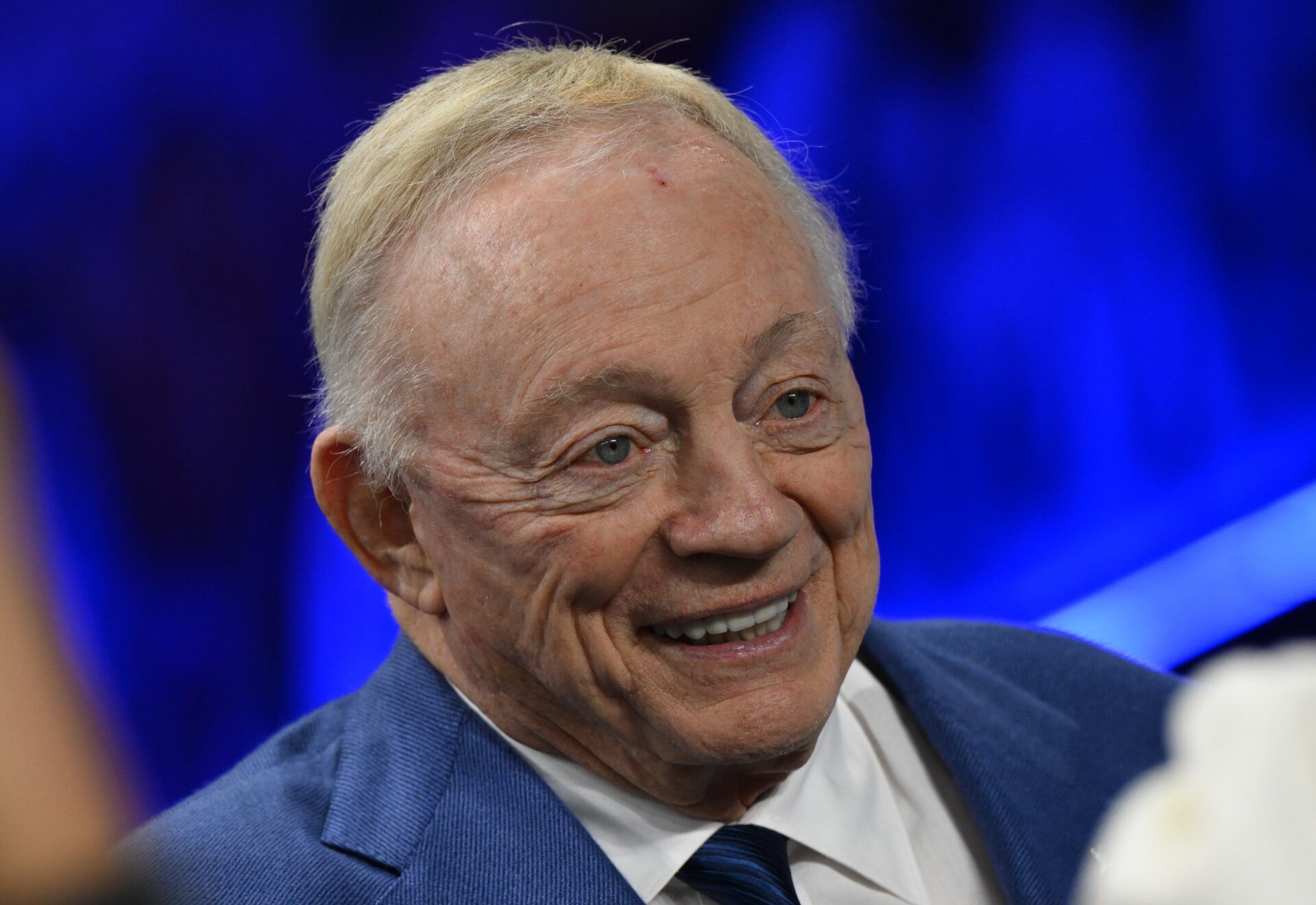
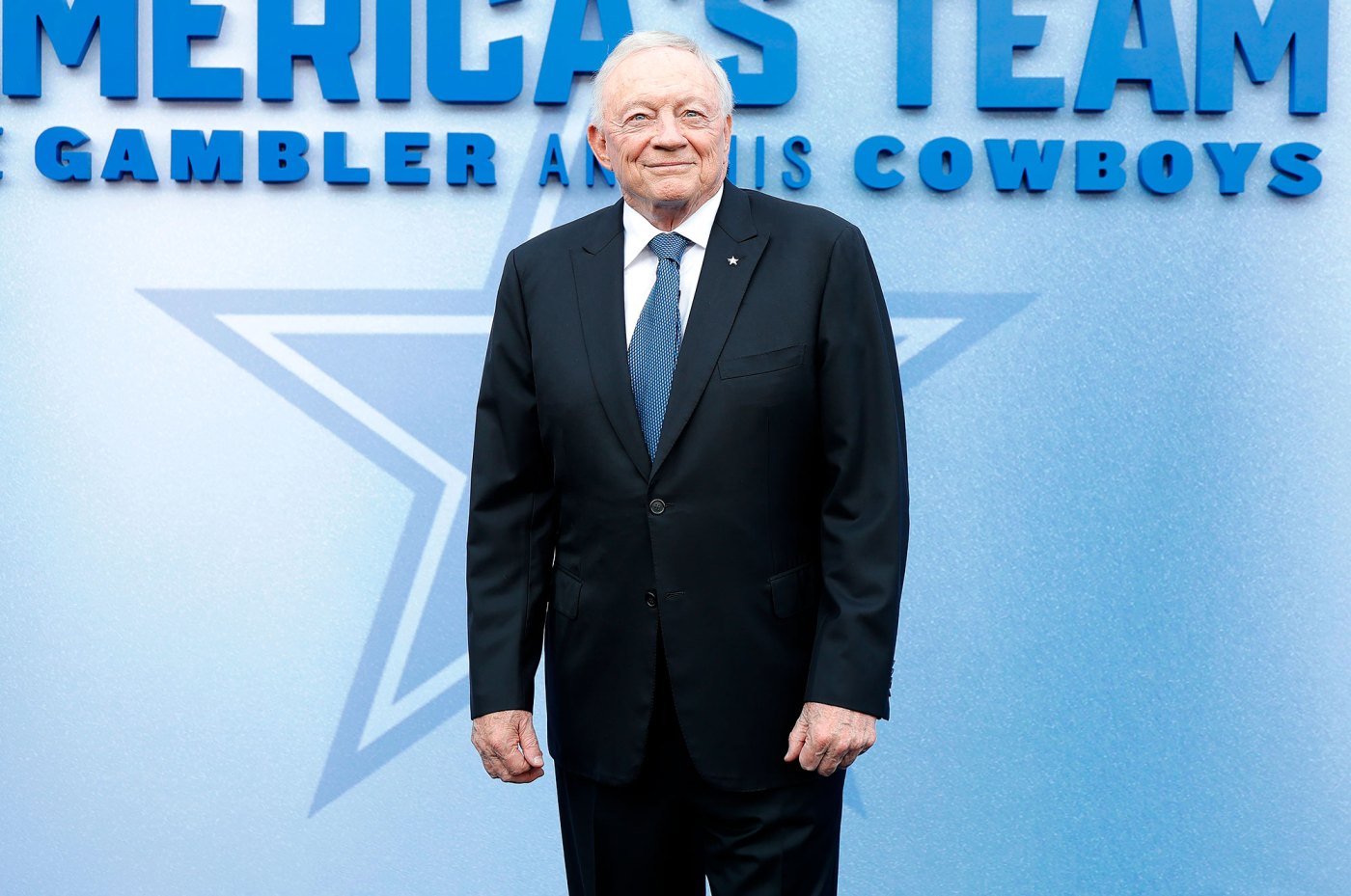
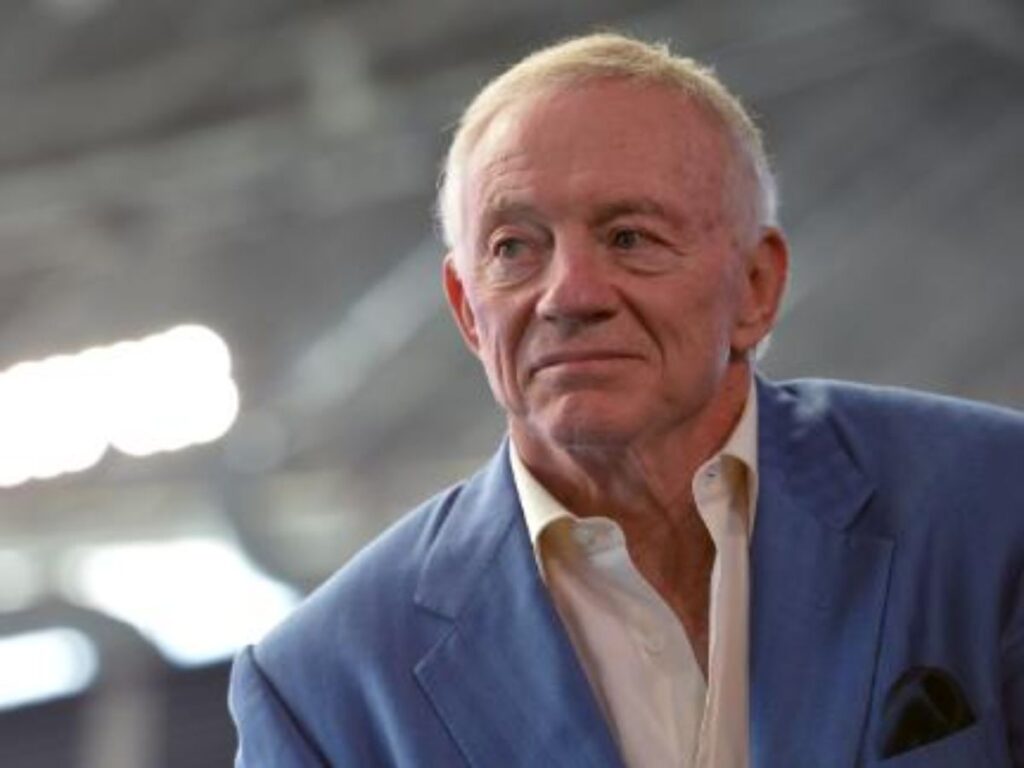
Jerry Jones, the longtime owner, president, and general manager of the Dallas Cowboys, holds a net worth estimated to be in the range of $14 billion to $15 billion as of 2026. His wealth stems primarily from his high-stakes investments in the energy sector, real estate, and the appreciation of the Dallas Cowboys franchise, which is widely considered one of the most valuable sports properties in the world.
The Path to Sports Ownership: Early Career and Ventures
Before becoming a household name in the National Football League (NFL), Jerry Jones built his financial foundation through aggressive and successful ventures in oil and gas. Born in 1942, Jones attended the University of Arkansas, where he was a co-captain of the 1964 national championship football team. This background in collegiate athletics provided the fundamental discipline and competitive drive that would later define his professional life.
Following his graduation, Jones did not immediately enter the sports world. Instead, he utilized his savings and business acumen to establish an oil and gas exploration company, Jones Oil and Land Lease. His approach to the energy sector was characterized by calculated risk-taking—drilling in unconventional areas and leveraging his capital to secure substantial returns. This era of his career was essential for liquidity, providing the massive influx of capital necessary to execute his ultimate goal: purchasing a professional sports franchise.
The Purchase of the Dallas Cowboys
In 1989, Jerry Jones completed the acquisition of the Dallas Cowboys from H.R. "Bum" Bright for approximately $140 million. At the time, the franchise was struggling both on the field and financially, reportedly losing roughly $1 million per month. While the acquisition price seems modest by 2026 standards, it was a record-breaking investment in 1989.
Upon taking control, Jones made the controversial and decisive move to fire longtime head coach Tom Landry, replacing him with his former college teammate, Jimmy Johnson. This decision signaled a complete overhaul of the organization's culture. By consolidating the roles of owner, general manager, and president, Jones centralized authority in a way that was nearly unprecedented in modern professional sports. This move allowed him to implement his vision for the team’s branding, revenue streams, and player personnel decisions without internal friction.
Business Expansion and Revenue Innovations
Jerry Jones’s influence extends far beyond the win-loss record of the Dallas Cowboys. He is widely credited with revolutionizing the business model of the NFL. His most significant contribution to the league's financial structure was his aggressive push for more lucrative broadcasting rights and his insistence on maximizing stadium revenue.
Stadium Development and Commercial Assets
The construction of AT&T Stadium in Arlington, Texas, which opened in 2009, stands as the centerpiece of Jones’s business strategy. The stadium was designed not merely as a venue for football games but as a multi-purpose entertainment complex capable of hosting concerts, championship boxing matches, and major corporate events. This approach transformed the stadium into a year-round revenue generator.
Branding and Licensing
Jones recognized early that the Dallas Cowboys brand possessed global marketing potential. He challenged the NFL's centralized licensing model, which sought to distribute revenue from merchandise sales equally among all teams. Jones argued that the Cowboys provided outsized value to the league’s marketing reach and, after years of legal maneuvering and negotiation, secured the right to negotiate independent sponsorship deals for the team. This "cowboy capitalism" allowed the franchise to sign lucrative, team-specific partnerships that significantly outpaced the revenues of league-wide agreements.
Net Worth and Asset Diversification
While the Dallas Cowboys remain the most visible and valuable asset in his portfolio, Jerry Jones’s wealth is heavily diversified. His holdings are managed under the umbrella of his family’s private equity and investment firm, which oversees interests in:
- Energy and Natural Resources: Ongoing investments in oil and gas production, reflecting his original business roots.
- Real Estate Development: Significant commercial and residential developments in North Texas, capitalizing on the rapid growth of the Dallas-Fort Worth metroplex.
- Retail and Hospitality: Ownership stakes in various retail ventures and luxury hospitality assets.
- Sports Franchise Valuation: The Dallas Cowboys franchise is valued at over $9 billion by major financial publications, consistently ranking as the most valuable NFL team.
The interplay between these assets ensures that Jones’s net worth remains insulated from the volatility of any single sector. His wealth is a function of both the historical appreciation of the Cowboys brand and the strategic growth of his private investment portfolio.
Comparative Overview of NFL Ownership Economics
Understanding the scale of Jerry Jones’s financial standing requires viewing the NFL landscape as a competitive economic environment where scale, stadium control, and market location dictate value.
| Metric | Dallas Cowboys Status | Industry Context |
|---|---|---|
| Primary Valuation | $9+ Billion | Highest in NFL |
| Stadium Control | Full Ownership/Operational | Market Leader in Events |
| Revenue Model | Hyper-local sponsorship focus | Highly dependent on local deals |
| Market Access | Dallas-Fort Worth Metroplex | Large, high-growth region |
| Operational Role | Owner, President, & GM | Rare level of personal control |
Addressing Common Inquiries
How does Jerry Jones maintain his role as General Manager?
Unlike many other NFL owners who hire specialized personnel to handle day-to-day roster construction, Jones maintains the title of General Manager as a personal prerogative. He argues that this allows him to provide clear strategic continuity and direct oversight of the team's salary cap and personnel investments.
What is the primary source of the Dallas Cowboys' valuation?
The valuation is driven by a combination of the team’s massive national fanbase, the premium revenue generated by AT&T Stadium (including naming rights and luxury suite sales), and the team's ability to secure exclusive, high-value sponsorship deals that are separate from the league’s collective agreements.
Has the net worth of Jerry Jones fluctuated significantly?
As with any individual with significant holdings in public markets and real estate, Jones’s net worth fluctuates based on market conditions. However, the appreciation of the Dallas Cowboys franchise—which has seen its value increase by thousands of percent since his initial purchase—has provided a massive, stable floor for his overall wealth.
What is the role of the Jones family in team operations?
The family is deeply integrated into the management of the organization. His children, Stephen Jones and Charlotte Jones, hold executive positions within the franchise. This transition of responsibility is part of a long-term succession plan intended to keep the team under family control for the foreseeable future.
Are there legal limitations to an owner acting as GM?
There are no NFL bylaws that prohibit an owner from acting as a General Manager. While some critics argue that such concentration of power can hinder a team’s objective decision-making, the league’s bylaws permit owners to define their own organizational hierarchy as they see fit.
Recommendations for Further Research
For those looking to understand the intersection of sports ownership and wealth management, focusing on the annual financial reports for professional sports teams is a vital next step. Investors should review the public filings of holding companies associated with major sports franchises to understand how stadium debt, regional tax incentives, and media contracts interact with team performance. Always consult with a qualified financial advisor regarding any investment in sports-related equities, as these assets are highly illiquid and carry distinct market risks compared to traditional securities.