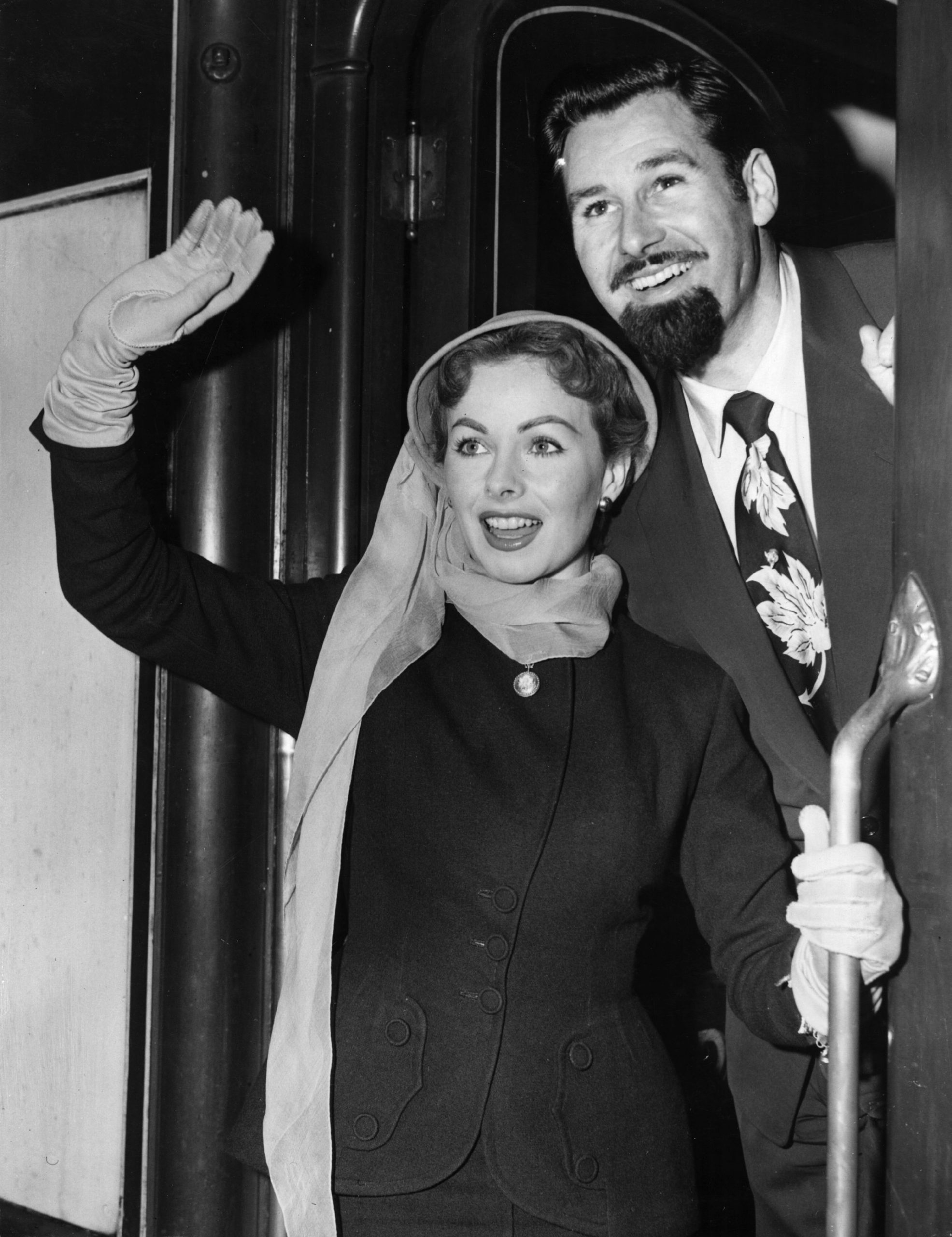
Jeanne Crain’s estate and financial legacy, assessed as of 2025, reflect the enduring value of a prolific Golden Age Hollywood career. While specific private estate valuations are not public, her wealth was built through decades of steady acting contracts, studio residuals, and long-term asset management. Her estate continues to be managed as a legacy of her influential filmography and personal investments.
The Financial Landscape of a Golden Age Star
The financial structure for Hollywood actors during the 1940s and 1950s—the height of Jeanne Crain’s career—differed significantly from the modern era. During her tenure at 20th Century Fox, Crain operated under the standard studio contract system. This arrangement provided a consistent, guaranteed weekly salary rather than the fluctuating per-project fees common in contemporary industry models.
For a star of Crain’s caliber, these contracts provided the bedrock of financial security. However, this system also meant that the studios retained primary ownership of the films and the associated distribution rights. Consequently, while stars were well-compensated for their time, they did not benefit from the modern backend profit-sharing models that drive the extreme net worth figures associated with today's leading actors.
Career Trajectory and Earning Milestones
Jeanne Crain’s career began in the mid-1940s, and she quickly ascended to "A-list" status. Her breakthrough performances in films such as State Fair (1945) and her Academy Award-nominated role in Pinky (1949) solidified her position as one of 20th Century Fox's top earners. During her peak years, she was often cast in high-budget musicals and dramas, which were the studio's most profitable ventures.
Financial stability for stars of that era was typically managed through long-term real estate investments and conservative portfolio management. By the late 1950s, as the studio system began to disintegrate, Crain transitioned to independent projects and television work. This shift allowed for more flexibility in salary negotiations but also brought an end to the guaranteed studio stipends. Her later career, while less lucrative in terms of top-tier film salaries, provided steady income through recurring roles and guest appearances, which contributed to the longevity of her financial health.
Asset Management and Estate Preservation
Following her active years in the entertainment industry, Jeanne Crain focused on maintaining her personal assets, primarily residential real estate and private investments. Unlike modern celebrities who often diversify into multiple business ventures, brands, or high-risk technology investments, Crain’s generation typically relied on tangible assets and stable financial instruments.
In assessing the financial status of a public figure like Crain by 2025, it is essential to distinguish between liquid cash holdings and the valuation of intellectual property. While she did not own the underlying rights to her studio-era films, the enduring popularity of her work has ensured that her image remains a part of the cultural canon. Decisions regarding the management of such estates are usually governed by private trusts intended to preserve value for heirs and maintain the integrity of the individual’s artistic contributions.
Historical Comparison of Hollywood Compensation
Understanding Crain’s financial standing requires a comparison with the compensation structures of her contemporaries. The following table illustrates the shift from the studio-contract era to the modern independent contractor model.
| Feature | 1940s/50s Studio Era | Modern Era (2025) |
|---|---|---|
| Payment Model | Fixed weekly salary | Per-project fee + Backend |
| Residuals | Limited/Non-existent | Contractual/Union-negotiated |
| Ownership | Studio-owned IP | Actor-driven production |
| Income Stability | High (guaranteed) | Low (project-dependent) |
| Primary Wealth Source | Salary and Real Estate | Endorsements, Equity, IP |
The Role of Residuals and Union Protections
A significant portion of the financial legacy of classic Hollywood actors, including Jeanne Crain, is tied to the evolution of Screen Actors Guild (SAG) agreements regarding residuals. Although early contracts rarely accounted for the long-term value of televised reruns or home media, subsequent negotiations by labor unions ensured that heirs of established stars continued to receive payments for the use of their likenesses and performances.
These residuals serve as a baseline of ongoing income. While they rarely equate to the massive wealth accumulation seen in modern blockbuster film profits, they function as a stable annuity. By 2025, these payments, coupled with the appreciation of real estate assets acquired during the mid-to-late 20th century, form the core of the financial profile associated with legacy stars of her era.
FAQ: Understanding Historical Celebrity Finances
Was Jeanne Crain one of the highest-paid actresses of her time?
Yes, at the height of her career in the late 1940s, Crain was a top-tier contract player for 20th Century Fox. She was consistently cast in high-profile, high-budget features, placing her among the most compensated performers at the studio, which was then a leader in the film industry.
How do residuals affect the net worth of a classic Hollywood star?
Residuals represent the payments made to actors whenever their performances are rebroadcast or sold in various media formats. For an actress of Crain's stature, these payments provided a consistent, albeit modest, stream of income that extended decades beyond her retirement, helping to sustain the value of her estate.
Why is it difficult to determine an exact net worth for stars of the past?
Unlike modern public figures who are subject to intense media scrutiny and financial transparency requirements, stars from the mid-20th century typically maintained private financial affairs. Furthermore, inflation, fluctuating real estate markets, and the lack of digital asset integration make historical net worth estimates speculative rather than definitive.
Did Jeanne Crain own the rights to her films?
No. During the studio system, 20th Century Fox owned the negatives and the intellectual property rights to the films Crain appeared in. She was a salaried employee, not a producer or studio owner, meaning she did not share in the massive long-term profits generated by the films' distribution, except through specific union-negotiated residual payments.
Next Steps for Estate Research
For individuals interested in the financial history of mid-century actors, the most reliable information is typically found through legal probate records or publicly filed trust documents. While specific personal net worth figures remain private, historical trade publications from the 1940s and 1950s, such as Variety or The Hollywood Reporter, often provide context regarding salary tiers and the standard compensation levels for contract players of that era. For those conducting professional research into the financial structures of the period, primary documentation from the Screen Actors Guild archives remains the most authoritative source for understanding how actor compensation evolved during the transition from the studio system to the modern era.