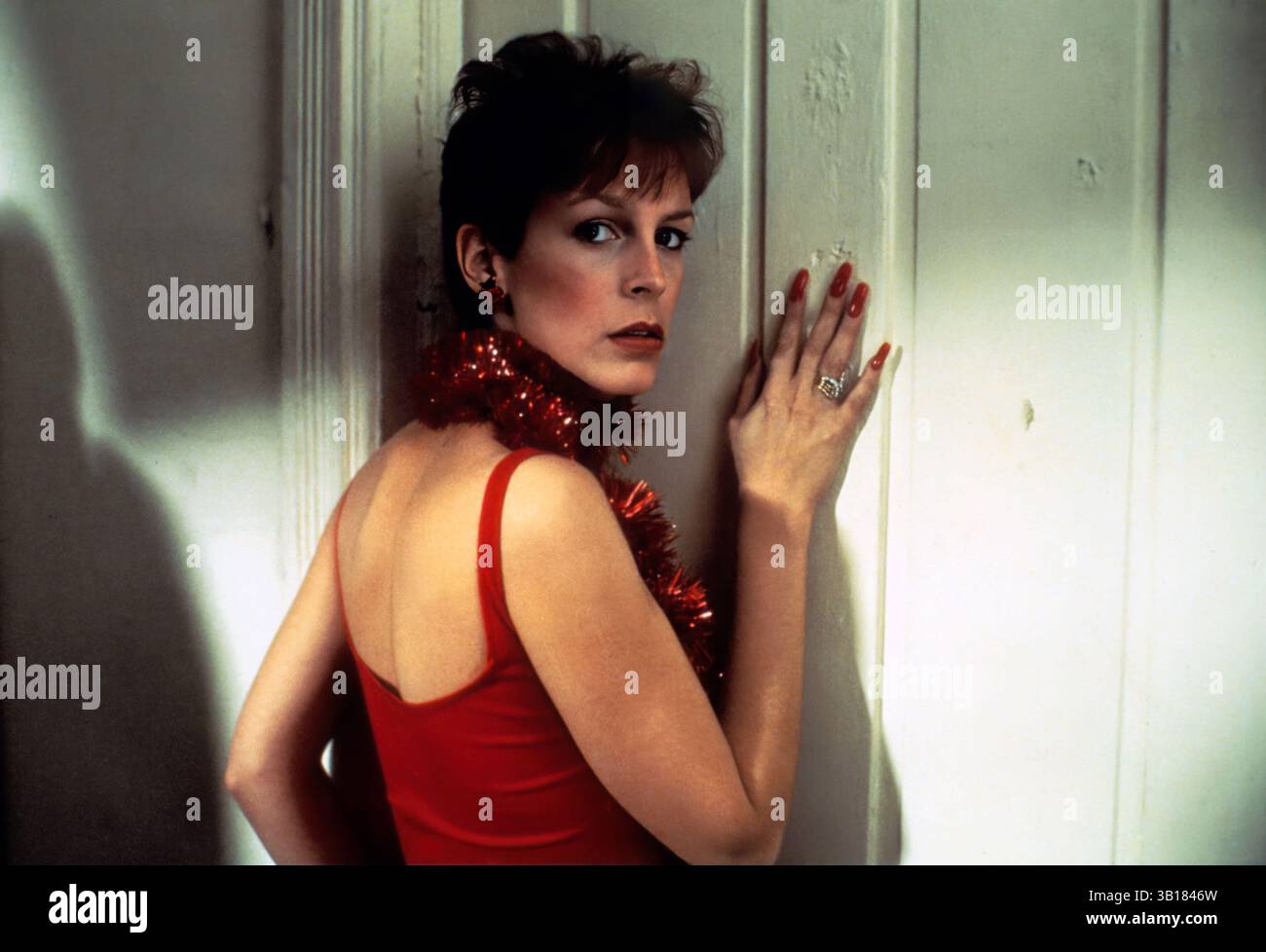
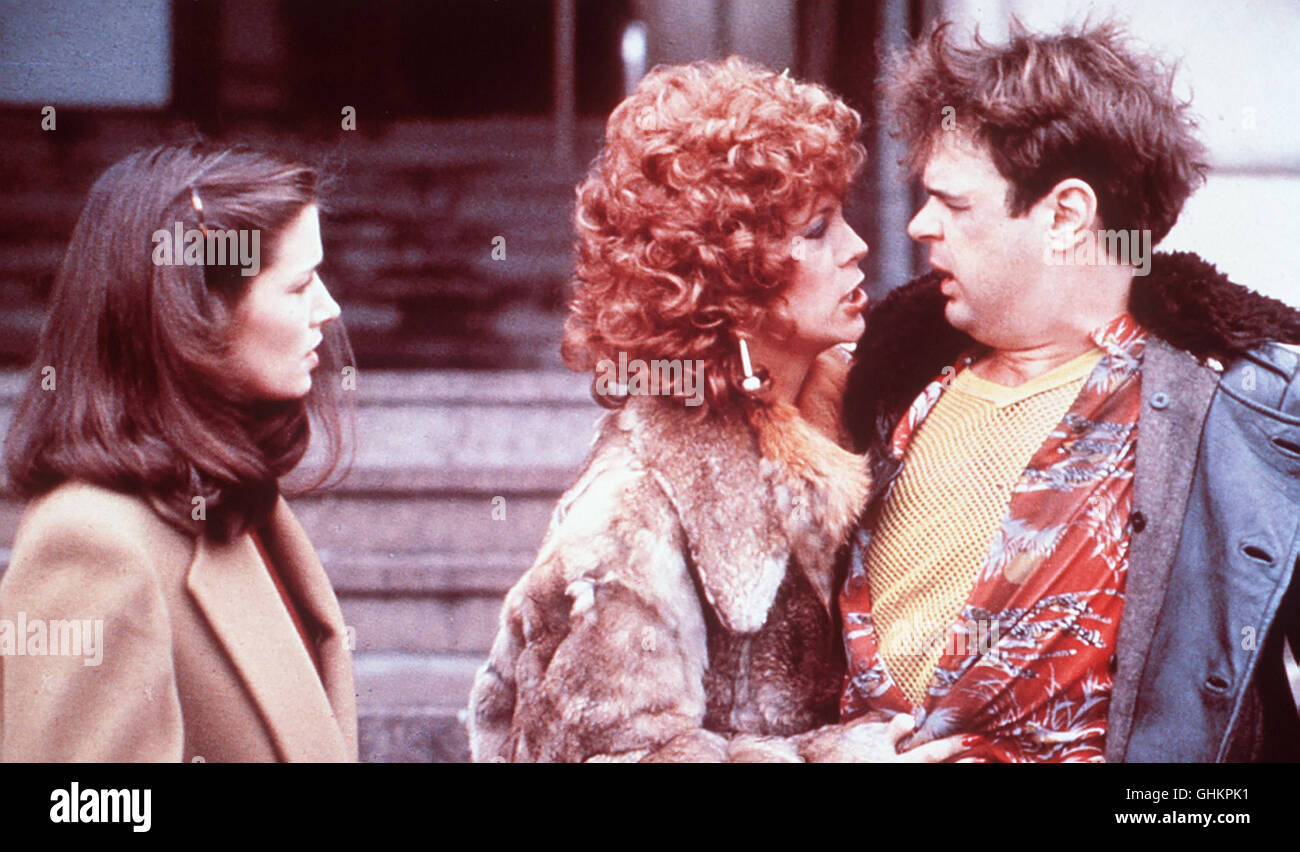
Jamie Lee Curtis, a foundational figure in American cinema, built a multifaceted career that transcended the "scream queen" archetype through critical roles in iconic films like the 1983 comedy Trading Places. Her public profile reflects a trajectory from horror-film breakout success to Academy Award-winning dramatic and comedic depth, underscored by decades of intentional brand management, consistent earnings, and authentic advocacy.
The Evolution of a Cinematic Icon
Jamie Lee Curtis entered the entertainment industry in the late 1970s, quickly becoming a fixture in the horror genre. Her role in John Carpenter’s Halloween (1978) cemented her status as the quintessential "scream queen." However, her career narrative is characterized by a deliberate departure from narrow typecasting. By the early 1980s, Curtis pursued roles that showcased her range, moving into high-profile comedies and dramas.
Her participation in Trading Places (1983) serves as a pivotal point in this transition. By portraying Ophelia, a savvy sex worker who helps Eddie Murphy’s character, Curtis proved her comedic timing and ability to hold the screen alongside established comedic legends. This performance was instrumental in shifting the industry’s perception of her from a genre-specific actress to a versatile leading lady. The inclusion of a brief, non-gratuitous scene in the film—which often draws retrospective attention—remains a specific point of reference in media discussions about her transition into mainstream Hollywood, though it represents only a fraction of her expansive professional body of work.
Analyzing Professional Milestones and Industry Impact
The mid-1980s marked a period of rapid professional expansion for Curtis. Following the success of Trading Places, which grossed over $90 million at the domestic box office—a massive sum for the era—her career trajectory entered a phase of sustained commercial viability. She transitioned through various genres, from the action-heavy Blue Steel and True Lies to family-friendly hits like Freaky Friday.
The following table summarizes key shifts in her career focus across decades:
| Era | Focus | Notable Projects | Impact |
|---|---|---|---|
| 1978-1982 | Horror/Genre | Halloween, The Fog | Defined the "scream queen" trope. |
| 1983-1989 | Comedy/Transition | Trading Places, A Fish Called Wanda | Proved comedic and dramatic versatility. |
| 1990-2005 | Mainstream Lead | True Lies, Freaky Friday | Secured status as a commercial box-office draw. |
| 2018-2026 | Legacy/Award Season | Halloween (reboot), Everything Everywhere All At Once | Achieved critical validation and Academy recognition. |
Financial Standing and Career Earnings
Jamie Lee Curtis’s financial profile is the result of four decades of consistent work in film, television, and, more recently, production and literature. Her earnings are primarily derived from traditional acting salaries, profit participation (points) on major blockbuster films, and secondary income streams from her work as a children’s author and brand spokesperson.
Unlike stars who rely solely on single massive paydays, Curtis maintained longevity through steady employment. Her earnings in the 1980s provided the capital necessary for her to diversify her portfolio, while her continued work in the 2000s and 2020s ensured she remained a relevant, high-earning participant in the industry. Her public profile, which often emphasizes authenticity—such as her refusal to engage in extensive cosmetic procedures or airbrushing—has made her a highly sought-after face for marketing campaigns, further bolstering her annual income independent of film production.
Managing the Public Profile and Personal Brand
The public perception of Jamie Lee Curtis is intentionally curated to favor transparency and relatability. Over the years, she has carefully managed her profile by addressing the "scream queen" label head-on, often reclaiming the narrative to highlight the professional agency she exercised even in her early years.
Her media strategy involves:
- Authentic Aging: Embracing her natural appearance, which distinguishes her from many contemporaries in a youth-obsessed industry.
- Advocacy and Writing: Establishing herself as an author and mental health advocate, which separates her public identity from her filmography.
- Legacy Preservation: Managing her involvement with the Halloween franchise through the 2020s, ensuring the character of Laurie Strode remained an empowered figure rather than a victim.
This approach has insulated her career from the volatility of fame. By maintaining a public persona that is grounded, outspoken, and intellectually engaged, she has avoided the common pitfalls of mid-career obsolescence.
Navigating Industry Skepticism
Throughout her career, Curtis has faced the standard scrutiny applied to female performers in Hollywood, ranging from the sexualization of her earlier roles to the ageism inherent in the studio system. She has historically addressed these challenges by leaning into the work. For instance, the discussion surrounding her image in Trading Places or True Lies is often countered by her own public interviews, where she reframes such moments as strategic career choices that granted her the leverage to negotiate for higher-paying, more complex roles later on.
Her professional trajectory serves as a template for long-term career maintenance. She effectively converted the attention received during her breakout years into a multi-generational career, proving that a public profile is an asset that can be reinvested into more significant, award-winning roles.
Frequently Asked Questions
Did the reception of Jamie Lee Curtis’s early roles affect her long-term career?
Yes, the reception of her early roles in the horror genre acted as both a launchpad and a barrier. While it brought her initial fame, she utilized the financial stability and industry visibility gained from those projects to pivot into comedy and drama, eventually overcoming the "scream queen" label through deliberate project selection.
How did Trading Places influence her status as an actress?
The success of Trading Places was a turning point because it displayed her comedic prowess to a mass audience. This role allowed studios to cast her as more than just a horror lead, opening the door for broader commercial roles in the 1990s and beyond.
What is the source of Jamie Lee Curtis’s primary wealth?
Her wealth is primarily derived from long-term film salaries, profit participation on major successful franchises like Halloween, and various long-standing brand endorsements that leverage her public image of honesty and aging gracefully.
How does Jamie Lee Curtis handle the public profile associated with her appearance?
She actively rejects traditional Hollywood beauty standards by refusing to hide signs of aging, such as gray hair or skin texture. This strategy has turned her perceived "defiance" into a marketable and respected brand identity, connecting her with a wide demographic of fans.
Is there a specific lesson in her career for modern actors?
The primary lesson is the importance of "career pivoting." Curtis did not wait for the industry to move her; she actively sought out scripts that deviated from her established brand, ensuring that her professional reputation remained fluid and capable of evolving alongside her age.
Strategic Next Steps for Professional Contextualization
To fully appreciate the trajectory of an actress like Jamie Lee Curtis, one must look beyond the individual performances and analyze the institutional shift in how actresses maintain relevance over forty years. When reviewing her filmography or financial history, it is essential to view each project as a calculated step in a broader strategy of career longevity. Those seeking to understand the mechanics of this longevity should prioritize reading contemporary industry interviews from the early 1990s, where she explicitly discussed her transition from genre work to mainstream comedy, as these provide the clearest evidence of her professional decision-making process.