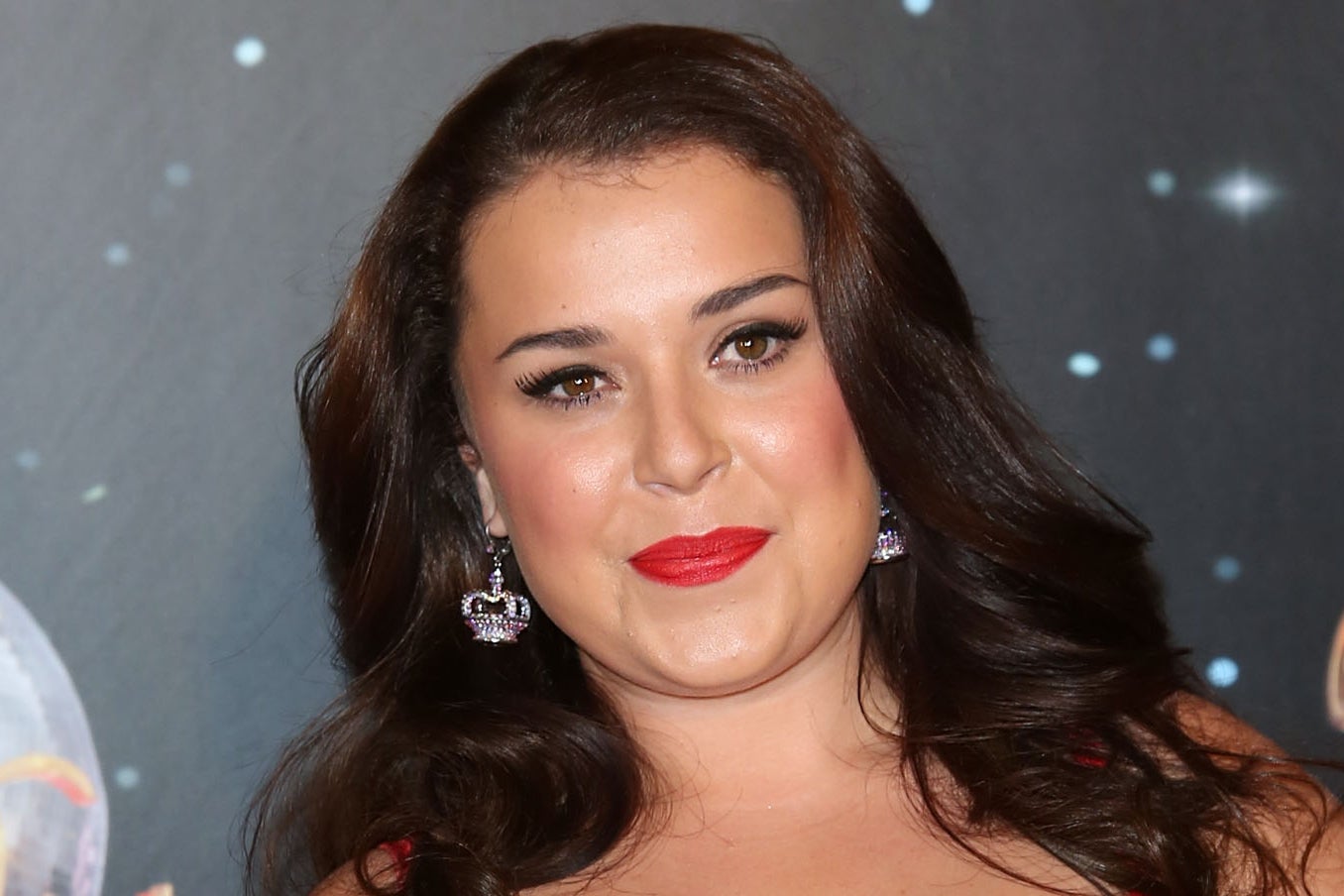
April Jeanette Mendez, widely recognized by her professional wrestling name AJ Lee, is of Puerto Rican descent. Both of her parents are of Puerto Rican origin, making her a prominent figure within the Hispanic and Latina community. Throughout her career as a WWE champion, New York Times bestselling author, and mental health advocate, she has consistently embraced her Boricua heritage as a core part of her identity.
The Roots of April Jeanette Mendez: A Puerto Rican Identity
To understand the ethnicity of AJ Lee, one must look at the migration patterns and cultural enclaves of the Northeastern United States. April Jeanette Mendez was born on March 19, 1987, in Union City, New Jersey. Both of her parents, Robert Mendez and Janet Acevedo, are of Puerto Rican descent. This heritage is not merely a box checked on a census form; it was the foundational environment of her upbringing.
Puerto Rican identity in the United States, often referred to as "Nuyorican" or "Jersey Rican" depending on the specific locale, carries a unique blend of Caribbean traditions and American urban culture. For Mendez, growing up in a household with Puerto Rican parents meant navigating the complexities of a dual identity. While she was born in the mainland United States, the food, language, and cultural values within her home were deeply rooted in the island of Puerto Rico.
Her father, Robert, worked as a precision machinist, and her mother, Janet, worked in various roles, including as a home health aide. The family faced significant economic hardships, which is a common theme in the stories of many immigrant and first-generation families striving for the American Dream. Mendez has often spoken about how her parents' struggles and their Puerto Rican resilience instilled in her a "scrappy" nature—a trait that would later define her "Black Widow" persona in the wrestling ring.
Growing Up in Union City: The Influence of Heritage and Environment
The geographic context of AJ Lee’s upbringing is vital to understanding her background. Union City and West New York, New Jersey, are historically known for having high concentrations of Hispanic residents, particularly those of Cuban and Puerto Rican descent. Growing up in these areas provided Mendez with a sense of community where her ethnicity was the norm rather than the exception.
However, the "heritage" Mendez explores in her memoirs is often tied to the struggle of poverty. During her childhood, her family frequently moved between motels, apartments, and sometimes living in their car. In the Puerto Rican diaspora of the 80s and 90s in New Jersey, economic instability was a reality for many, yet the cultural emphasis on family stayed strong. Mendez’s connection to her heritage was forged through these shared hardships.
Her ethnicity also played a role in her early interests. While many young girls in her neighborhood might have been pushed toward traditional feminine roles, Mendez found inspiration in her brother’s interest in professional wrestling. This defiance of traditional gender roles, combined with her cultural background, created a unique persona: a small, energetic, and highly intelligent Latina who refused to fit the "Diva" mold of the time.
Cultural Representation in Professional Wrestling
When AJ Lee signed with World Wrestling Entertainment (WWE) in 2009, the landscape for female performers—and particularly Latina performers—was significantly different than it is in 2026. At that time, female wrestlers were often marketed as "Divas," with an emphasis on conventional glamour and hyper-sexualization. For many Latina performers in the industry, this often meant being cast in "fiery" or "spicy" stereotypical roles.
Mendez broke this cycle. While she acknowledged her Puerto Rican heritage, she did not allow it to be reduced to a caricature. She brought a sense of authenticity to her character that resonated with a wide demographic of fans. She wasn't just a "Latina wrestler"; she was a technician, a storyteller, and a rebel.
Her success was a landmark for Hispanic representation in sports entertainment. As a three-time WWE Divas Champion, she proved that a woman of her stature and background could be the face of a division. She paved the way for other Latina stars, such as Bayley (who is of Mexican descent) and Zelina Vega (who is also Puerto Rican), to be seen as serious competitors rather than just ethnic archetypes.
Key Biographical Facts: April Mendez (AJ Lee)
| Attribute | Detail |
|---|---|
| Legal Name | April Jeanette Mendez |
| Ethnicity | Puerto Rican (Boricua) |
| Cultural Heritage | Hispanic / Latina |
| Birthplace | Union City, New Jersey, USA |
| Parental Background | Both parents of Puerto Rican descent |
| Professional Alias | AJ Lee |
| Key Identity Markers | Mental Health Advocate, Author, Nuyorican Influence |
| Language Skills | English-speaking with cultural Spanish roots |
Overcoming Stigma: Mental Health and the Hispanic Community
One of the most significant ways AJ Lee has explored her heritage is through her advocacy for mental health. In her 2017 memoir, Crazy Is My Superpower, Mendez revealed her diagnosis of Bipolar II disorder. This revelation was particularly impactful because of the cultural context of her upbringing.
In many Hispanic and Caribbean cultures, there has historically been a significant stigma surrounding mental illness. Terms like "loca" (crazy) are often used disparagingly, and seeking professional help for psychological issues is sometimes viewed as a sign of weakness or a betrayal of family privacy. By speaking openly about her struggles, Mendez addressed a taboo subject within her own community.
She has worked extensively with organizations like Mental Health America, serving as an ambassador to help de-stigmatize mental health issues, specifically targeting youth and minority communities. Her heritage provides her with the perspective needed to speak to those who feel caught between their cultural expectations and their medical realities. In 2026, her work continues to be a blueprint for how public figures can use their background to foster social change.
Literary Contributions and Narrative Heritage
Since retiring from the ring in 2015, Mendez has pivoted to a successful career as a writer and screenwriter. This transition has allowed her to explore her heritage through narrative storytelling. She has co-written comic books, including work for DC’s Wonder Woman and the GLOW (Gorgeous Ladies of Wrestling) series, often incorporating themes of resilience and identity.
Her writing often reflects the "outsider" perspective she felt as a young Latina in New Jersey who didn't fit the expected mold. By creating characters that are multi-dimensional and complex, she continues to challenge the industry's historical tendency to pigeonhole people based on ethnicity. Her heritage is the lens through which she views the world, and that lens is characterized by a mix of grit, humor, and intellectual curiosity.
In 2026, her influence in the literary world remains strong. She has moved into executive production and screenwriting, ensuring that the stories being told on screen include the diverse experiences of the Puerto Rican diaspora. This is a crucial step in the evolution of her career—moving from being the talent on screen to being the voice behind the camera that shapes how ethnicity and heritage are portrayed in mainstream media.
The Impact of AJ Lee’s Heritage on Fans and the Industry
The legacy of AJ Lee is inextricably linked to her ethnicity. For a generation of fans, she was the first person they saw on television who looked like them—not as a background character, but as the protagonist of her own story. Her heritage provided a sense of "relatability" that transcended the scripted world of professional wrestling.
Her impact can be measured in several ways:
- Normalization of Diversity: She shifted the focus from "ethnic beauty" to "talent and personality," allowing her Puerto Rican identity to be a natural part of her character rather than her only defining trait.
- Inspiration for Future Talent: Many current wrestlers cite her as the reason they believed they could succeed in the industry regardless of their height or ethnic background.
- Cross-Media Influence: By succeeding in wrestling, writing, and advocacy, she has shown that a Latina creator is not limited to a single niche.
Her story is a quintessential American story—one of a daughter of the Puerto Rican diaspora who used her heritage as a source of strength to overcome poverty and health challenges to reach the pinnacle of her profession.
FAQ: Common Questions About AJ Lee’s Background
Is AJ Lee’s real name Lee?
No, her real name is April Jeanette Mendez. "AJ Lee" was a stage name created for her career in WWE. The name "Mendez" reflects her Puerto Rican father’s surname, while her middle name, Jeanette, is a common name in the Hispanic community. She often uses her legal name for her professional writing and advocacy work to maintain a clear distinction between her wrestling persona and her personal identity.
Does AJ Lee speak Spanish?
While April Mendez grew up in a household with Puerto Rican parents and lived in heavily Hispanic neighborhoods like Union City, she has described herself in various interviews as having a "passive" or "limited" command of the language compared to her parents. She primarily speaks English but remains deeply connected to the cultural nuances, traditions, and slang of her Puerto Rican heritage.
What is the significance of the "Mendez" name in her career?
The name Mendez represents her connection to her family and her roots. When she transitioned from wrestling to writing, she deliberately chose to use "April Mendez" on her book covers and screenwriting credits. This was a symbolic move to reclaim her identity outside of the corporate-owned "AJ Lee" brand and to honor her father and her family’s history.
How has her ethnicity influenced her mental health advocacy?
Her ethnicity is central to her advocacy because she addresses the specific cultural barriers within the Latino community regarding mental health. By sharing her diagnosis of Bipolar II disorder, she directly challenges the "macho" or "stoic" expectations often found in Hispanic households, encouraging a more open and medicalized approach to mental wellness.
Where is AJ Lee’s family from?
Her family’s roots are in Puerto Rico. Although she was born and raised in New Jersey, her parents moved from the island to the mainland U.S. before she was born. This makes her part of the "Puerto Rican diaspora," a group that maintains strong cultural ties to the island while navigating life within the United States.
How to Support and Follow April Mendez’s Current Work
If you are interested in exploring more about April Mendez’s background and her ongoing contributions to media and mental health, there are several ways to engage with her work in 2026.
- Read Her Memoir: Crazy Is My Superpower is the definitive source for her own perspective on her ethnicity, childhood, and career. It is available through Penguin Random House and most major retailers.
- Follow Her Literary Projects: Stay updated on her screenwriting and comic book work. She frequently collaborates with Scrappy Heart Productions to bring diverse stories to life.
- Support Mental Health Initiatives: April is a long-time supporter of Mental Health America (MHA). Contributing to or volunteering with such organizations helps carry forward the advocacy work she champions.
- Monitor Industry Representation: Keep an eye on the "April Mendez" credits in television and film, where she continues to advocate for better representation of Latina voices in the writers' room.