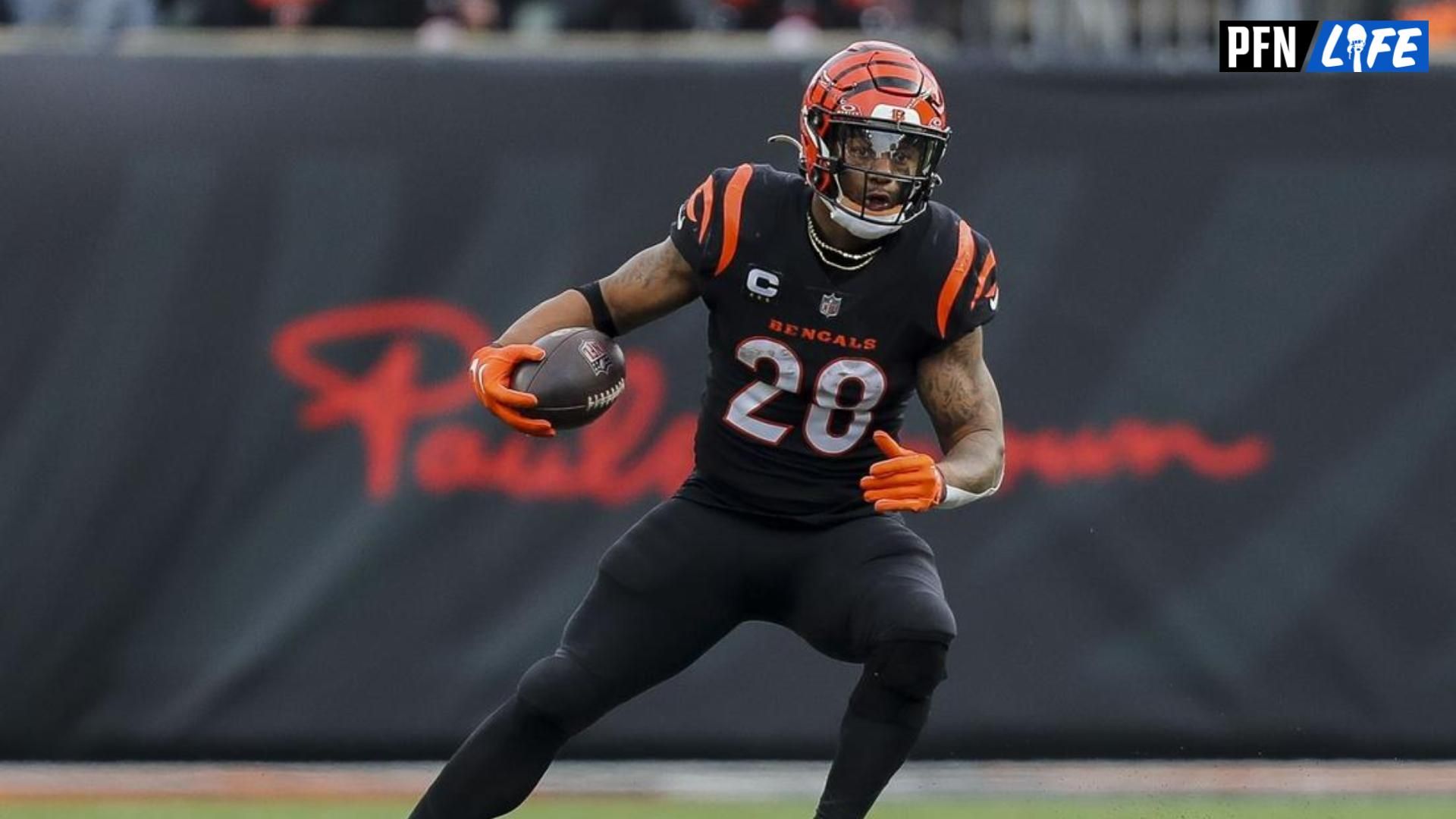
As of 2026, A.J. Green’s net worth is estimated to be between $55 million and $65 million. This substantial valuation is the result of over $120 million in career NFL earnings, primarily accumulated during his decade-long tenure with the Cincinnati Bengals, supplemented by high-profile endorsement deals with brands like Nike’s Jordan Brand and Bose.
The financial trajectory of Adriel Jeremiah "A.J." Green offers a blueprint for how elite NFL wide receivers can translate on-field excellence into long-term generational wealth. Throughout his 12-season career, Green was not only a perennial Pro Bowler but also one of the highest-paid players at his position. His ability to secure multiple high-value contracts, combined with a relatively low-profile lifestyle and strategic endorsements, has allowed him to maintain a robust financial standing well into his retirement years. To understand his current net worth in 2026, one must look at the specific contract structures, the impact of the franchise tag, and the transition from active play to investment management.
Breaking Down A.J. Green’s NFL Career Earnings
A.J. Green’s career earnings are characterized by two distinct phases: his dominant era with the Cincinnati Bengals and his late-career transition to the Arizona Cardinals. According to historical salary tracking, Green earned approximately $120.2 million in total on-field salary and bonuses before his retirement in February 2023.
The Cincinnati Bengals Foundation
The bulk of Green’s wealth was generated in Cincinnati. Drafted 4th overall in the 2011 NFL Draft, Green entered the league under the newly established rookie wage scale. While this limited his initial earning potential compared to previous top-five picks, his immediate impact on the field allowed him to reach "tier one" veteran status rapidly.
During his ten seasons with the Bengals, he earned roughly $108 million. This included his rookie contract, a massive five-year extension signed in 2015, and a lucrative franchise tag year in 2020. The 2015 extension was particularly significant, as it briefly made him one of the highest-paid wide receivers in NFL history, featuring a $15 million signing bonus and $26.75 million in total guarantees.
The Arizona Cardinals Transition
After a decade in Cincinnati, Green signed a one-year, $6 million deal with the Arizona Cardinals in 2021. He followed this with another one-year deal in 2022 worth $3.5 million plus incentives. While these figures were lower than his prime years, they added nearly $10 million to his career total, covering the "bridge" years of his career before he officially hung up his cleats.
Significant Contract Milestones and Salary Structures
Green’s financial success was underpinned by his ability to stay at the top of the market for nearly a decade. Unlike many players who see their earnings peak once, Green managed three distinct high-earning periods.
The 2011 Rookie Contract
As the 4th overall pick, Green signed a four-year, $19.6 million fully guaranteed contract. Because he was a top-10 pick, the Bengals also held a fifth-year option, which they exercised for the 2015 season. This initial injection of capital, roughly $5 million per year, established the baseline for his personal investment portfolio.
The 2015 Blockbuster Extension
Before the 2015 season began, the Bengals locked Green into a four-year, $60 million extension. This was the "wealth-defining" contract of his career. At the time, the $15 million average annual value (AAV) put him in the company of Julio Jones and Dez Bryant. The structure of this deal ensured that even during injury-plagued seasons, Green’s financial security remained intact through heavy signing and roster bonuses.
The 2020 Franchise Tag
In what would be his final year with the Bengals, the team placed the franchise tag on Green. While it was a period of frustration on the field due to injuries, it was a financial boon. The tag was valued at $18.17 million for a single season, all of which was fully guaranteed. This single-year payout remains one of the highest single-season earnings for a wide receiver in the franchise's history.
Endorsements and the Jordan Brand Partnership
Beyond the gridiron, A.J. Green was a sought-after brand ambassador. His reputation as a humble, high-character athlete made him an ideal fit for premium brands that prioritized consistency and professionalism.
One of Green's most significant off-field revenue streams was his partnership with Nike’s Jordan Brand. He was one of a select few NFL players chosen to represent the Jumpman logo on the field. This partnership was more than just a footwear deal; it included national marketing campaigns and a steady stream of passive income. While exact figures for apparel deals are rarely public, industry estimates suggest Green’s Nike/Jordan relationship netted him seven figures over the course of his career.
Other notable endorsements included:
- Bose: Green appeared in various promotional materials for the audio giant's high-end headphones.
- Rockin’ Refuel: A protein milk beverage brand that utilized Green's "built for speed" image.
- Microsoft Surface: Part of the NFL’s broader partnership, where Green was featured as a primary user of the technology for game preparation.
By 2026, many of these active marketing contracts have transitioned into legacy appearances or have been replaced by private equity and real estate investments.
Career Earnings Comparison: Elite Receivers of the 2010s
To understand Green’s financial standing, it is helpful to compare him to his contemporaries who were drafted or played during the same era. This table highlights how Green’s total career earnings stack up against other legendary wide receivers.
| Player | Total Career Earnings (Approx.) | Primary Team | Draft Year |
|---|---|---|---|
| A.J. Green | $120.2 Million | Cincinnati Bengals | 2011 |
| Julio Jones | $148.6 Million | Atlanta Falcons | 2011 |
| Larry Fitzgerald | $180.7 Million | Arizona Cardinals | 2004 |
| Antonio Brown | $80.7 Million | Pittsburgh Steelers | 2010 |
| DeAndre Hopkins | $134.5 Million | Houston/Arizona/Tennessee | 2013 |
While Green does not top the list—largely due to Larry Fitzgerald’s unprecedented 17-season career—he remains in the elite tier of receivers who crossed the $100 million threshold in career earnings. His earnings are particularly notable because they were achieved largely with a "small market" team like Cincinnati.
Wealth Management and Post-NFL Financial Outlook
By 2026, A.J. Green has been retired for three years. His transition into the "business of life" has been characterized by the same steadiness he displayed on the field. Unlike athletes who struggle with post-retirement liquidity, Green was known for his frugal spending habits during his playing days.
Investment Strategy
Reports throughout his career suggested that Green favored conservative investment vehicles. This likely included diversified stock portfolios and commercial real estate. In the Cincinnati and South Carolina areas (his home state), Green has been linked to property investments that provide steady cash flow. In 2026, these assets likely appreciate at a rate that offsets personal spending, allowing his net worth to grow even without a traditional salary.
The A.J. Green Foundation
A significant portion of Green’s post-career focus involves the A.J. Green Foundation. While foundations are non-profit entities and do not add to personal net worth, they serve as a vehicle for his philanthropic goals, focusing on education and youth development. His ability to fund these initiatives out of his own wealth speaks to his overall financial health.
Frequently Asked Questions
When did A.J. Green officially retire from the NFL?
A.J. Green officially announced his retirement on February 6, 2023, via an Instagram post. He retired as a member of the Arizona Cardinals but signed a ceremonial one-day contract with the Cincinnati Bengals later that year to retire with the team where he spent the majority of his career.
How much did A.J. Green make from his 2015 Bengals extension?
The 2015 extension was a four-year deal worth $60 million. However, when combined with his existing fifth-year option, it effectively created a five-year window of high-tier earnings. He received a $15 million signing bonus upfront, which is a major factor in his current 2026 net worth.
Did A.J. Green earn more than Julio Jones?
No. While both were drafted in 2011 (Green at #4, Jones at #6), Julio Jones earned more in total career salary, finishing his career with over $148 million compared to Green's $120 million. This was primarily due to Jones's later contract structures and a slightly longer period of health during his prime.
What is A.J. Green’s highest-earning single year?
His highest-earning single year was 2020, when he played under the franchise tag for the Cincinnati Bengals. He earned $18,171,000 for that season. His second-highest year was 2015, where he took home approximately $17.75 million due to his signing bonus.
What business does A.J. Green own in 2026?
By 2026, Green has focused on a portfolio of passive investments rather than a single flagship business. This includes significant holdings in real estate and minority stakes in various tech startups, following a trend common among retired high-net-worth athletes.
Managing Athletic Wealth: The Green Methodology
A.J. Green's financial status in 2026 serves as a case study for "The Quiet Professional." By avoiding the pitfalls of lifestyle inflation and focusing on "guaranteed money" in contract negotiations, Green secured his future early in his career. For younger athletes or those looking to model their financial path after a professional, the key takeaways from Green’s journey include:
- Prioritize Guarantees: Green’s team was excellent at ensuring high signing bonuses and fully guaranteed tag years, which protected his wealth against the inherent physical risks of football.
- Brand Alignment: He chose endorsements like Jordan Brand that matched his personal aesthetic, ensuring longevity in those partnerships.
- Strategic Relocation: By moving into retirement in a tax-efficient manner and focusing on tangible assets like real estate, he has preserved the $120 million gross earnings against the erosive effects of taxes and inflation.
As a legendary figure in Cincinnati Bengals history, Green’s legacy is not just defined by his 65 career touchdowns or 10,000+ receiving yards, but by the financial empire he built through discipline and performance.