A. J. Gilbride is a prominent American music producer and production manager, best known as a core creative and administrative leader for the Trans-Siberian Orchestra (TSO). His success is defined by his decades-long collaboration with TSO founder Paul O’Neill and his pivotal role in maintaining the multi-platinum group’s legacy and massive touring operations into 2026.
The Foundation of a Career in Epic Storytelling
The story of A. J. Gilbride is inextricably linked to the rise of one of the most successful touring entities in music history. While many music industry professionals specialize in a single niche, Gilbride’s career is characterized by a "polymath" approach, blending technical production, creative direction, and high-level business management. He did not simply join a successful organization; he helped build the infrastructure that allowed the Trans-Siberian Orchestra to scale from a studio project into a global holiday phenomenon.
Gilbride began his journey in the world of professional audio and lighting, developing a deep understanding of the technical requirements necessary for stadium-level performances. This technical foundation proved essential when he met Paul O’Neill, the visionary behind TSO. O’Neill was known for his uncompromising standards and "more is more" philosophy regarding stage production. Gilbride became the person capable of translating O’Neill’s grandiose visions into logistical realities, ensuring that the pyrotechnics, lasers, and complex lighting rigs functioned flawlessly across dozens of cities in a single season.
By the early 2000s, Gilbride had moved from a technical role into a central management position. He became a trusted lieutenant to O’Neill, assisting in everything from lyric development and studio recording to the massive undertaking of auditioning hundreds of musicians for TSO’s dual touring troupes (East and West). This period established the template for his success: absolute loyalty to the artistic vision combined with rigorous operational discipline.
The Mentorship of Paul O’Neill and the TSO Philosophy
To understand Gilbride’s success, one must understand the philosophy he inherited from Paul O’Neill. O’Neill viewed TSO not just as a band, but as a "work of art" that belonged to the fans. This meant that no detail was too small to ignore, and no expense was spared in the pursuit of a perfect show. Gilbride served as the primary apprentice to this philosophy, learning the intricacies of rock-opera composition and the psychology of holiday entertainment.
Gilbride’s role often involved acting as a bridge between the creative "madness" of the studio and the practical demands of the road. He was instrumental in the production of landmark albums such as The Lost Christmas Eve and the non-holiday epic Night Castle. His ability to navigate the complexities of large-scale recording sessions—which often featured dozens of vocalists and orchestral arrangements—cemented his reputation as a producer who could manage both egos and technical spreadsheets with equal efficacy.
When Paul O’Neill passed away in 2017, many industry analysts questioned whether TSO could continue. The brand was so closely tied to O’Neill’s personal charisma and vision. It was during this period that A. J. Gilbride, along with the O’Neill family and musical directors like Al Pitrelli and Derek Wieland, stepped into the breach. Gilbride’s deep institutional knowledge was the "glue" that held the organization together, ensuring that the transition into the post-founder era was seamless for the millions of fans who attend the shows annually.
Managing the Scale: Logistics and Production Innovation
As of 2026, the Trans-Siberian Orchestra remains a dominant force in the touring industry, often ranking in the top five grossing tours globally during the fourth quarter. A. J. Gilbride’s management of this scale involves navigating a unique set of challenges that few other producers face.
The most significant of these is the "Dual Tour" model. TSO operates two identical full-scale arena productions simultaneously—one covering the Eastern United States and the other the West. Gilbride oversees the coordination of these units, ensuring that a fan in Seattle receives the exact same high-quality experience as a fan in New York. This requires a massive supply chain of lighting equipment, pyrotechnics, and specialized trucking, all of which Gilbride has refined over his decades of service.
Technical Milestones in Gilbride’s Tenure
| Category | Description of Impact | Significance |
|---|---|---|
| Visual Production | Integration of G-Lase and 4K video mapping. | Transformed the stage from a standard rock set to a cinematic environment. |
| Logistics | Management of the 40+ truck "East/West" split. | Allows TSO to perform for over 1 million fans in a 6-week window. |
| Talent Scouting | Global "blind" audition processes. | Maintains a rotating roster of world-class vocalists without relying on a single "star." |
| Brand Extension | Development of the "Winter Tour" legacy sets. | Reintroduced classic albums like Christmas Eve and Other Stories to new generations. |
The Post-2017 Evolution: Preserving the Legacy
Since 2017, Gilbride’s focus has shifted toward "Legacy Management." Success in this phase of his career is measured by his ability to innovate while remaining faithful to the original blueprints left by Paul O’Neill. This has involved digging into the vast archives of unreleased material O’Neill left behind and determining how to bring those stories to life.
Gilbride has been a vocal advocate for the "TSO Experience," which emphasizes that the show is the star, not any individual performer. This approach has allowed the group to remain evergreen. In recent years, leading up to 2026, Gilbride has overseen the remastering of classic recordings and the development of new stage technologies—such as autonomous drone lighting and immersive 360-degree soundscapes—that push the boundaries of the arena experience.
His success is also rooted in his relationship with the "TSO Family." He has maintained a culture of loyalty among the crew and musicians, many of whom have been with the organization for over 20 years. In an industry known for high turnover, this stability is a testament to Gilbride’s leadership style, which prioritizes professional respect and a shared sense of purpose.
Lessons from A. J. Gilbride’s Career Path
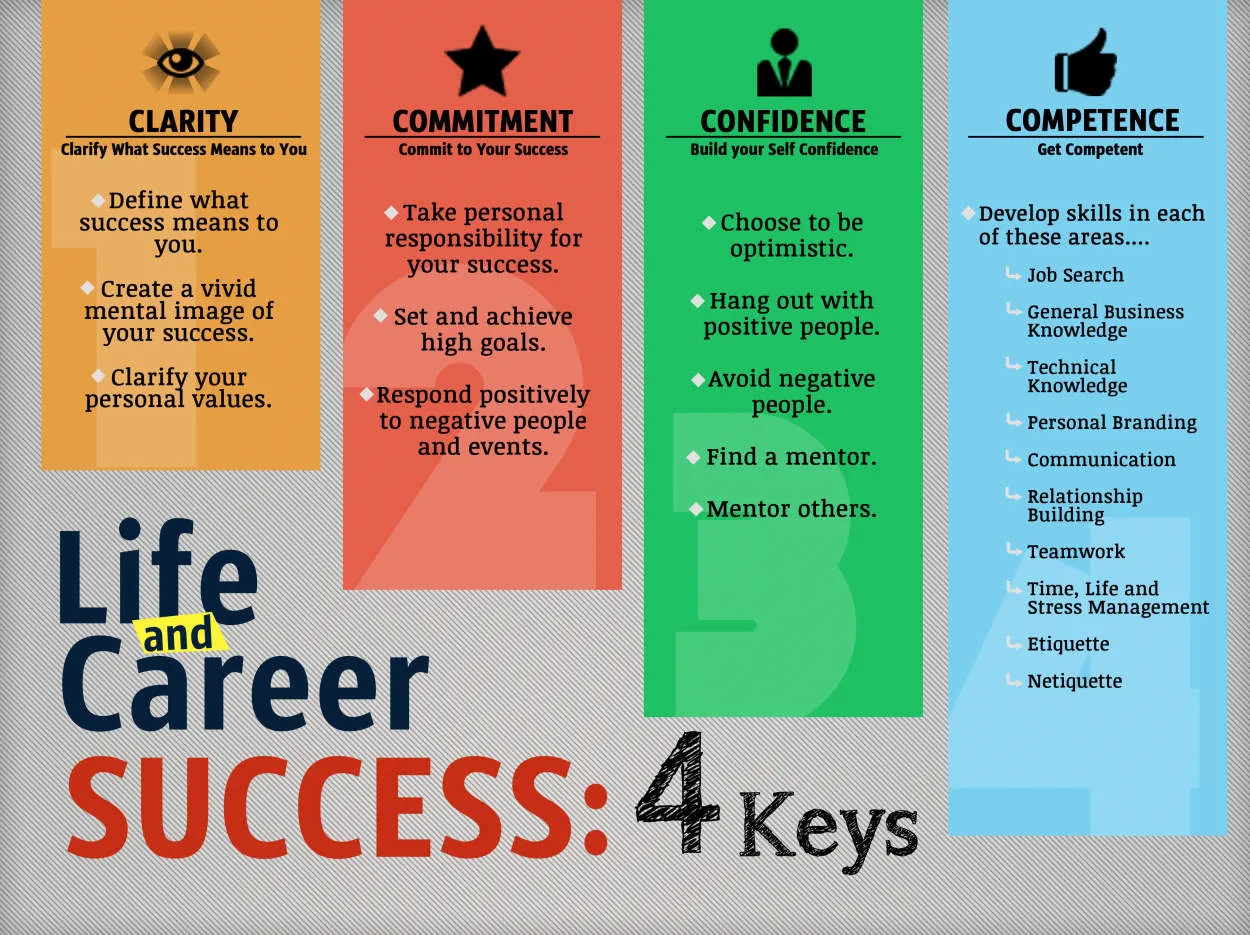
For those looking to emulate Gilbride’s success in the entertainment or production sectors, several key pillars stand out:
- Extreme Versatility: Gilbride did not pigeonhole himself. By mastering both the creative (songwriting/producing) and the technical (logistics/management), he became indispensable to the organization.
- Mentorship and Stewardship: He recognized the value of a great mentor and committed himself to learning every facet of that mentor's business. When the time came to lead, he viewed himself as a steward of a legacy rather than a replacement for the founder.
- Scalability through Systems: TSO’s success is built on systems. Gilbride’s ability to create repeatable, high-quality production processes is what allows the "Dual Tour" to function without losing the "magic" of a live performance.
- Fan-First Decision Making: Following the O’Neill doctrine, Gilbride’s decisions are consistently filtered through the lens of the audience experience. If a new technology or set design doesn't directly improve the show for the person in the last row, it is discarded.
Navigating Challenges and Future Outlook
Even with a proven track record, Gilbride faces the ongoing challenge of a shifting music economy. By 2026, the costs of touring—fuel, insurance, and specialized labor—have risen significantly. His ability to maintain ticket price accessibility while increasing production value is a delicate balancing act.
Furthermore, as the "original" TSO fans age, Gilbride has been instrumental in digital outreach and social media strategies that introduce the rock-opera format to Gen Z and Alpha audiences. This involves not just changing the marketing, but ensuring the stage show remains visually competitive with modern high-tech spectacles like those found in Las Vegas residencies.
The story of A. J. Gilbride is far from over. With several "in-progress" projects from the O’Neill archives still slated for release, he continues to be the primary architect of the Trans-Siberian Orchestra’s future. His success serves as a blueprint for how to manage a massive creative brand with integrity, technical precision, and a deep respect for the history that built it.
Frequently Asked Questions
What is A. J. Gilbride's official role in the Trans-Siberian Orchestra?
A. J. Gilbride serves as a Producer and a key member of the management team for the Trans-Siberian Orchestra. He works closely with the O'Neill family and the musical directors to oversee both the studio recordings and the massive annual winter tours. His role encompasses creative direction, talent management, and production logistics.
How did A. J. Gilbride start his career with Paul O'Neill?
He began as a production assistant and technical specialist. His work ethic and ability to handle the rigorous demands of large-scale production caught the attention of Paul O'Neill. Over time, he moved from technical support into a "right-hand man" role, eventually becoming a producer on the group's major albums and touring cycles.
Is A. J. Gilbride involved in the songwriting for TSO?
While Paul O'Neill was the primary songwriter and lyricist, Gilbride played a significant role in the arrangement and production phases of the music. He was deeply involved in the "world-building" aspects of TSO's rock operas, helping to refine the stories and musical themes that have become the group's signature.
How does he manage two different TSO tours at the same time?
Gilbride utilizes a highly structured management system where the "East" and "West" troupes are treated as mirror images of each other. This involves hiring two complete sets of musicians, technicians, and riggers, and utilizing a centralized production office to ensure that all assets, from pyrotechnics to travel schedules, are synchronized.
What is the most important lesson from A. J. Gilbride’s success?
The most important lesson is the value of "Institutional Knowledge." By staying with one organization for decades and learning every single department, Gilbride made himself the most knowledgeable person in the room. This expertise provided him with the authority to lead the organization through its most difficult transitions.
Practical Steps for Aspiring Production Managers
If you are seeking to build a career similar to A. J. Gilbride’s, focus on "The Three Pillars of Production": Technical Proficiency, Personnel Management, and Budgetary Discipline. Start by gaining hands-on experience in small-to-medium-scale live events where you are required to wear multiple hats. Use these opportunities to build a portfolio of successful "load-ins" and "load-outs," which are the physical heart of the touring industry.
As you progress, seek out mentors who are operating at the level you wish to reach. In the world of high-stakes entertainment, trust is the primary currency. Building a reputation for being the person who can solve a crisis at 2:00 AM on a tour bus is what leads to the senior producer roles that Gilbride now occupies. Finally, never lose sight of the "story" behind the production; as Gilbride has proven, the most successful shows are those that connect with the audience on an emotional level, regardless of how many lasers are used.