The primary intent of this guide is to provide developers, startup founders, and technical architects with the current industry standards for building high-performance, native iOS applications using the 2026 Apple software ecosystem.
The Evolution of the Swift 6.2 and Xcode 18 Ecosystem
By mid-2026, the iOS development landscape has shifted significantly toward asynchronous concurrency and hardware-accelerated machine learning integration. Apple’s latest tooling, Xcode 18, enforces stricter memory safety protocols, making the move to Swift 6.2 non-negotiable for any enterprise-grade application. Developers must prioritize the use of the new Actors model to prevent data races, which is now the industry standard for maintaining state in complex, multi-threaded mobile architectures.
The integration of SwiftData has reached maturity, effectively replacing Core Data for most persistent storage needs. In 2026, building an iOS app requires a mastery of SwiftUI 5.0, which now supports advanced layout engines capable of handling the diverse hardware profiles of the latest iPhone 18 series and VisionOS 3 integration.
Modern Architectural Patterns for Scalable iOS Applications
Choosing the right architectural pattern is the difference between a maintainable codebase and technical debt that triggers a total rewrite within two years. As of 2026, the industry has largely converged on Modular MVVM-C (Model-View-ViewModel-Coordinator) or the newer Composable Architecture (TCA).
- Modularization: Break your application into smaller, testable Swift Packages. This reduces build times and allows for isolated feature development.
- Dependency Injection: Utilize protocol-oriented programming to inject services, ensuring that your unit tests remain isolated from real network or storage backends.
- Asynchronous Streams: Adopt AsyncSequence and AsyncStream to manage real-time data flow, replacing the older Combine framework for new feature development.
- Reactive UI: Leverage the declarative nature of SwiftUI with StateObject and Observable macro patterns to ensure the UI remains the single source of truth.
Essential Tech Stack Comparison for 2026
When selecting your development path, consider the trade-offs between pure native development and cross-platform alternatives. The following table outlines the current performance and maintainability metrics for professional environments.
| Feature | Swift / Native (Recommended) | Cross-Platform (e.g., Flutter/RN) |
|---|---|---|
| Performance | Maximum (Hardware Optimized) | High (Bridge overhead exists) |
| API Access | Immediate (Day-Zero support) | Dependent on community plugins |
| Long-term Stability | High (Managed by Apple) | Moderate (Third-party lifecycle) |
| Binary Size | Optimized | Larger due to bundled runtimes |
| UI/UX Fidelity | System-Perfect | Near-native but often requires hacks |
Managing iOS App Performance and Memory Optimization
In 2026, user expectations for app speed and battery efficiency are higher than ever. Performance is no longer an afterthought but a primary feature. You must leverage the Instruments tool within Xcode 18 to profile your application continuously.
Memory leaks are now aggressively mitigated by the compiler, but logical leaks—where objects remain in memory because of strong reference cycles—still require manual intervention. Utilize the Memory Graph Debugger to visualize the lifecycle of your objects. Furthermore, network requests must be optimized using HTTP/3 protocols to minimize latency. Always implement predictive pre-fetching for data that is likely to be viewed next by the user, significantly improving the perceived responsiveness of your app.
Security Compliance and User Privacy Standards
Apple’s privacy guidelines have become more stringent in 2026. Every application is now required to provide a granular Privacy Manifest. As a developer, you must ensure:
Data Minimization Principles Applications must only collect data strictly necessary for the core functionality of the app. Any third-party SDKs must also adhere to these standards, requiring you to audit every dependency for potential privacy leaks or unauthorized telemetry collection.
App Transport Security All network traffic must be encrypted via TLS 1.3. Plaintext connections are no longer accepted by the App Store and will cause binary rejection during the submission process.
Step-by-Step Deployment Workflow for the App Store
Successfully launching an application in 2026 requires a rigorous CI/CD pipeline. Manual uploads are prone to error; you should automate your build and distribution process.
- Configure Automated Versioning: Use Xcode Cloud or fastlane to handle incrementing build numbers and tagging releases.
- Run Automated Test Suites: Integrate Unit and UI tests into your pipeline. Ensure code coverage remains above 80 percent for all core logic.
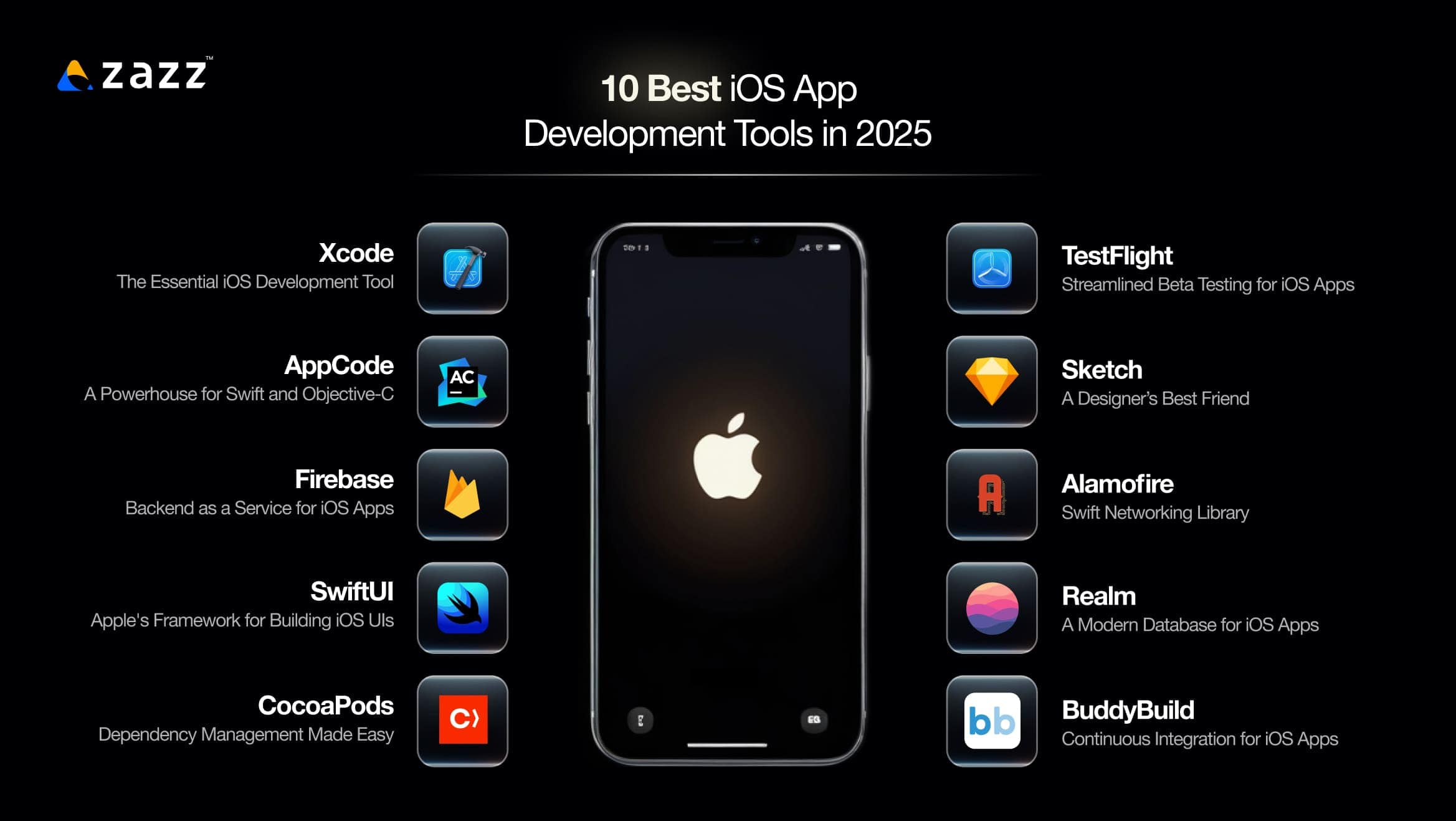
- Beta Distribution: Utilize TestFlight for staged rollouts. Use the new analytics dashboard in App Store Connect 2026 to monitor crash rates and adoption metrics across different iOS versions before the public release.
- Final Review: Validate your Privacy Nutrition Label and ensure all marketing assets adhere to the current year's screen size requirements.
Frequently Asked Questions
Is Swift still the primary language for iOS development in 2026?
Yes, Swift remains the mandatory and primary language. By 2026, Swift has achieved total dominance, with Objective-C legacy support being restricted to maintenance of older enterprise systems.
Can I build an iOS app without using SwiftUI?
Technically, UIKit is still supported, but it is considered deprecated for new feature development in 2026. SwiftUI is the industry-standard framework for building modern, responsive, and accessible iOS applications.
What is the most critical factor for App Store approval in 2026?
The most critical factor is strict adherence to the App Store Review Guidelines regarding user privacy and the transparency of data usage. Ensuring your Privacy Manifest is accurate and that your app provides clear value without deceptive practices is essential.
How does VisionOS impact mobile development?
VisionOS 3 has merged the development paradigms between iOS and spatial computing. Developers are now encouraged to write universal code that scales from the iPhone 18 to the Vision Pro headset, using the same SwiftUI views for both platforms.
Should I use third-party libraries for networking?
While Alamofire remains popular, the native URLSession with async/await support is now powerful enough to handle 95 percent of use cases without the overhead of external dependencies.
Strategy for Success: Start Your Development Today
Building a successful iOS application in 2026 is an exercise in precision, adherence to Apple’s high design standards, and a commitment to performance optimization. Begin by establishing a clean, modular architecture and leverage Apple’s native frameworks like SwiftData and SwiftUI to ensure your application remains future-proof. By prioritizing the user experience and maintaining full compliance with 2026 privacy requirements, you position your app for longevity in an increasingly competitive marketplace. Contact our technical consulting team if you require a full architecture audit for your existing codebase or need assistance scaling your development team to meet these modern standards.