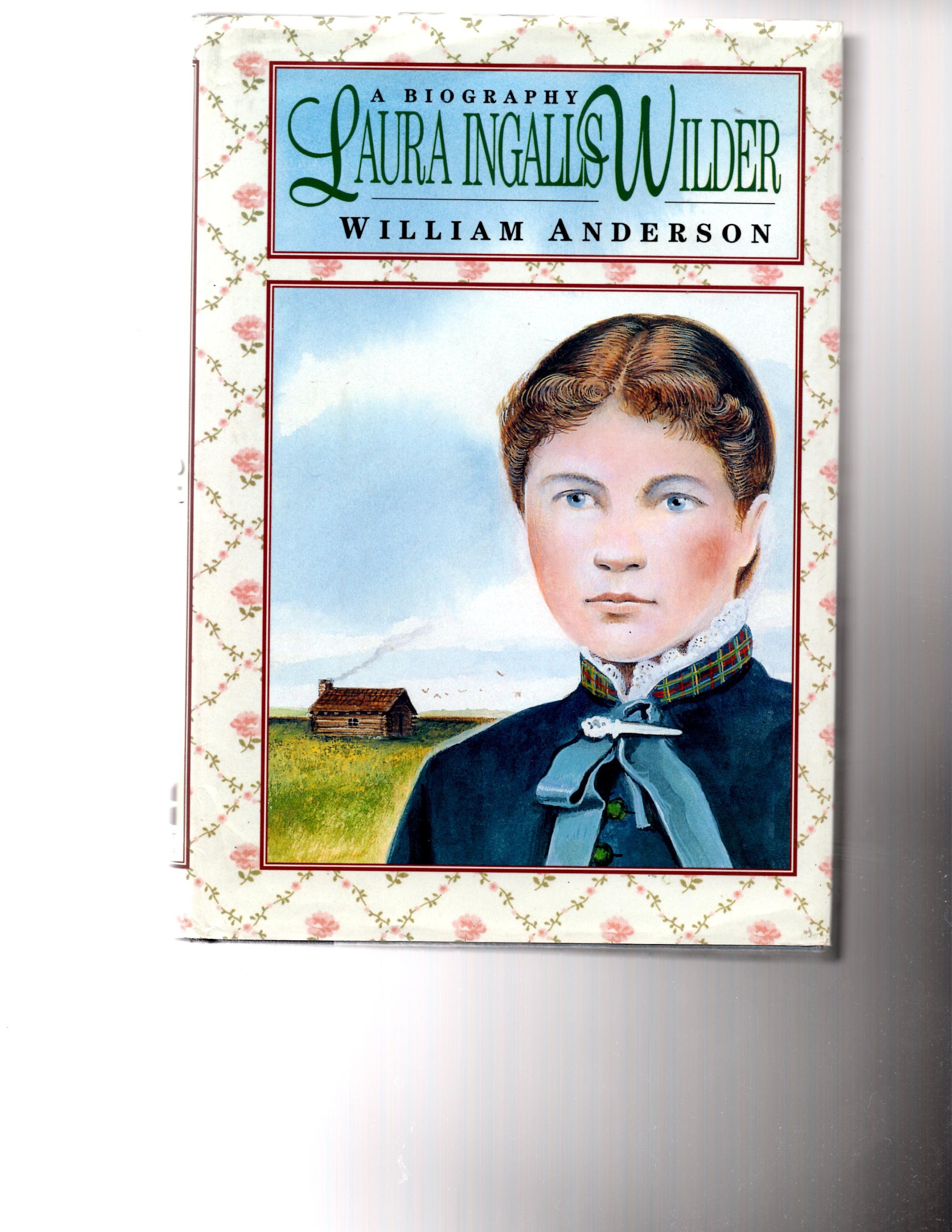
Laura Ingalls Wilder was a prolific American author best known for her "Little House" series, which she began publishing at the age of 65. Her books, based on her childhood in the late 19th-century Midwest, shaped the global perception of the American frontier while masking many of the harsh realities she actually endured.
The Late Bloom of a Literary Career
One of the most remarkable aspects of Laura Ingalls Wilder’s life is that she did not become a published novelist until she was in her mid-sixties. While many associate her with the youthful protagonist of her books, the real Laura spent the majority of her adult life as a farm wife and a journalist for local publications. It was only after the stock market crash of 1929 and the subsequent onset of the Great Depression—which severely impacted her family's finances—that she turned to writing books as a potential source of income.
Before her famous series, Laura wrote for the Missouri Ruralist, where she served as a columnist and editor for the "Home Circle" department. Her columns often focused on the practicalities of farm life, poultry raising, and the social dynamics of rural Missouri. This professional experience provided the foundational discipline required to tackle a multi-volume memoir. In 1930, she completed her original autobiography, titled Pioneer Girl, which was a gritty, unvarnished account of her life. When publishers rejected the manuscript for being too adult and documentary-like, she and her daughter, Rose Wilder Lane, began the process of retooling the material into the beloved children's series we know today.
The Hidden Influence of Rose Wilder Lane
The collaboration between Laura Ingalls Wilder and her daughter, Rose Wilder Lane, remains one of the most debated topics in American literature. Rose was already an established, high-profile journalist and novelist by the time her mother began writing. Evidence from their correspondence suggests that Rose acted as a heavy-handed editor, restructuring the narrative flow and heightening the dramatic tension of her mother's drafts.
While some critics argue that Rose was essentially a ghostwriter, most historians view the relationship as a complex partnership. Laura provided the authentic voice, historical details, and core memories, while Rose provided the sophisticated literary craftsmanship necessary to make the books a commercial success. Interestingly, Rose was also a founding figure in the American libertarian movement. Scholars often point to the themes of self-reliance, rugged individualism, and deep skepticism of government intervention found in the "Little House" books as a reflection of Rose's political influence on the text. As of 2026, literary researchers continue to analyze their original manuscripts to further distinguish the unique contributions of both women.
Omitted Realities and the "Lost" Years
The "Little House" books are often viewed as historical records, yet they omit significant portions of the Ingalls family's struggles to maintain a cohesive narrative. The most notable omission is the time the family spent in Burr Oak, Iowa. In the series, the narrative jumps from On the Banks of Plum Creek in Minnesota to By the Shores of Silver Lake in South Dakota. In reality, the family moved to Burr Oak in 1876 to manage a hotel after their crops were destroyed by grasshoppers.
The Burr Oak period was marked by extreme poverty and personal tragedy. It was during this time that Laura’s younger brother, Charles Frederic "Freddie" Ingalls, died at only nine months old. The exclusion of Freddie from the books and the omission of the Iowa years were deliberate choices made by Laura to keep the story focused on the pioneer spirit rather than the crushing weight of grief and repeated failure. By removing these darker chapters, she created a more streamlined, "frontier-myth" version of her life that resonated more effectively with a younger audience.
Key Milestones in the Life of Laura Ingalls Wilder
To understand the scope of Wilder's life, it is helpful to look at the intersection of her personal experiences and her literary contributions. The following table highlights the timeline of her major moves and publications.
| Year | Event or Milestone | Location |
|---|---|---|
| 1867 | Born to Charles and Caroline Ingalls | Pepin, Wisconsin |
| 1874 | Moved to the banks of Plum Creek | Walnut Grove, Minnesota |
| 1876 | Brother Freddie dies; family moves to Iowa | Burr Oak, Iowa |
| 1879 | Settled in the Dakota Territory | De Smet, South Dakota |
| 1885 | Married Almanzo Wilder | De Smet, South Dakota |
| 1894 | Permanent move to Rocky Ridge Farm | Mansfield, Missouri |
| 1932 | Publication of Little House in the Big Woods | Mansfield, Missouri |
| 1957 | Death of Laura Ingalls Wilder at age 90 | Mansfield, Missouri |
The Truth Behind the Characters
Many of the characters in the "Little House" series were based on real people, but Laura often used literary license to simplify her world. Perhaps the most famous example is Nellie Oleson. In the books, Nellie is portrayed as the ultimate "mean girl" of the frontier. However, the Nellie Oleson in the books is actually a composite of three different girls Laura knew: Nellie Owens, Genevieve Masters, and Stella Gilbert.
Nellie Owens was the primary inspiration, a girl whose father ran a store in Walnut Grove. Genevieve Masters was a spoiled girl from New York who moved to Walnut Grove and frequently bragged about her status. Stella Gilbert was a rival for Almanzo Wilder’s affections during the "Sleigh Riding" years in South Dakota. By combining these three rivals into one singular antagonist, Laura created a more potent and memorable villain for her readers. Similarly, the character of Almanzo Wilder was romanticized; while he was indeed a hardworking farmer who saved the town during the "Long Winter," the books soften some of the harsher realities of their early marriage, which was plagued by debt, illness, and the loss of their second child.
Navigating Modern Controversies and Legacy
As we look at Laura Ingalls Wilder’s legacy in 2026, it is impossible to ignore the modern re-evaluation of her work regarding the portrayal of Native Americans and African Americans. The "Little House" books reflect the prevailing prejudices of the late 19th and early 20th centuries, and certain passages—such as Ma Ingalls’ vocal hatred of Native Americans and the use of blackface in a minstrel show—have led to significant debate.
In 2018, the Association for Library Service to Children (ALSC) officially changed the name of the "Laura Ingalls Wilder Award" to the "Children's Literature Legacy Award." The decision was made because Wilder’s works were deemed to contain expressions of stereotypical attitudes inconsistent with the values of the organization. Despite these controversies, Wilder's books remain in print and are still studied for their portrayal of the domestic life of pioneers. Educators often use the books as a "teachable moment" to discuss the complexities of American history, colonization, and the evolution of social values.
The Manuscript That Started It All: Pioneer Girl
For decades, fans of Laura Ingalls Wilder heard rumors of an unpublished, "adult" version of her story. In 2014, the South Dakota Historical Society Press finally published Pioneer Girl: The Annotated Autobiography. This volume provided the first direct look at Laura’s original, unedited recollections before they were polished by her daughter or sanitized for children.
Pioneer Girl reveals a much rougher world. It includes accounts of domestic violence among neighbors, the prevalence of alcoholism on the frontier, and more candid descriptions of the family’s near-starvation. The publication of this manuscript was a watershed moment for historians, as it allowed for a side-by-side comparison of history versus fiction. It reaffirmed that while the "Little House" books are grounded in truth, they are ultimately a work of historical fiction designed to instill a specific set of American values in the next generation.
Frequently Asked Questions
Did Laura Ingalls Wilder really live in a sod house?
Yes, the Ingalls family lived in a "dugout" on the banks of Plum Creek in Minnesota. While it was constructed partially into the earth and had a sod roof, it was a common and practical form of shelter for pioneers in areas where timber was scarce. Laura famously described the experience of a cow accidentally stepping through the roof of their home.
Why did Laura and Almanzo move to Missouri?
After years of crop failures, illness (including a bout of diphtheria that left Almanzo partially paralyzed), and the loss of their home to fire, the Wilders sought a fresh start. They moved to Mansfield, Missouri, in 1894, famously carrying a $100 bill hidden in a writing desk. They established Rocky Ridge Farm, where they eventually found success in apple orcharding and poultry.
Was the TV show "Little House on the Prairie" accurate?
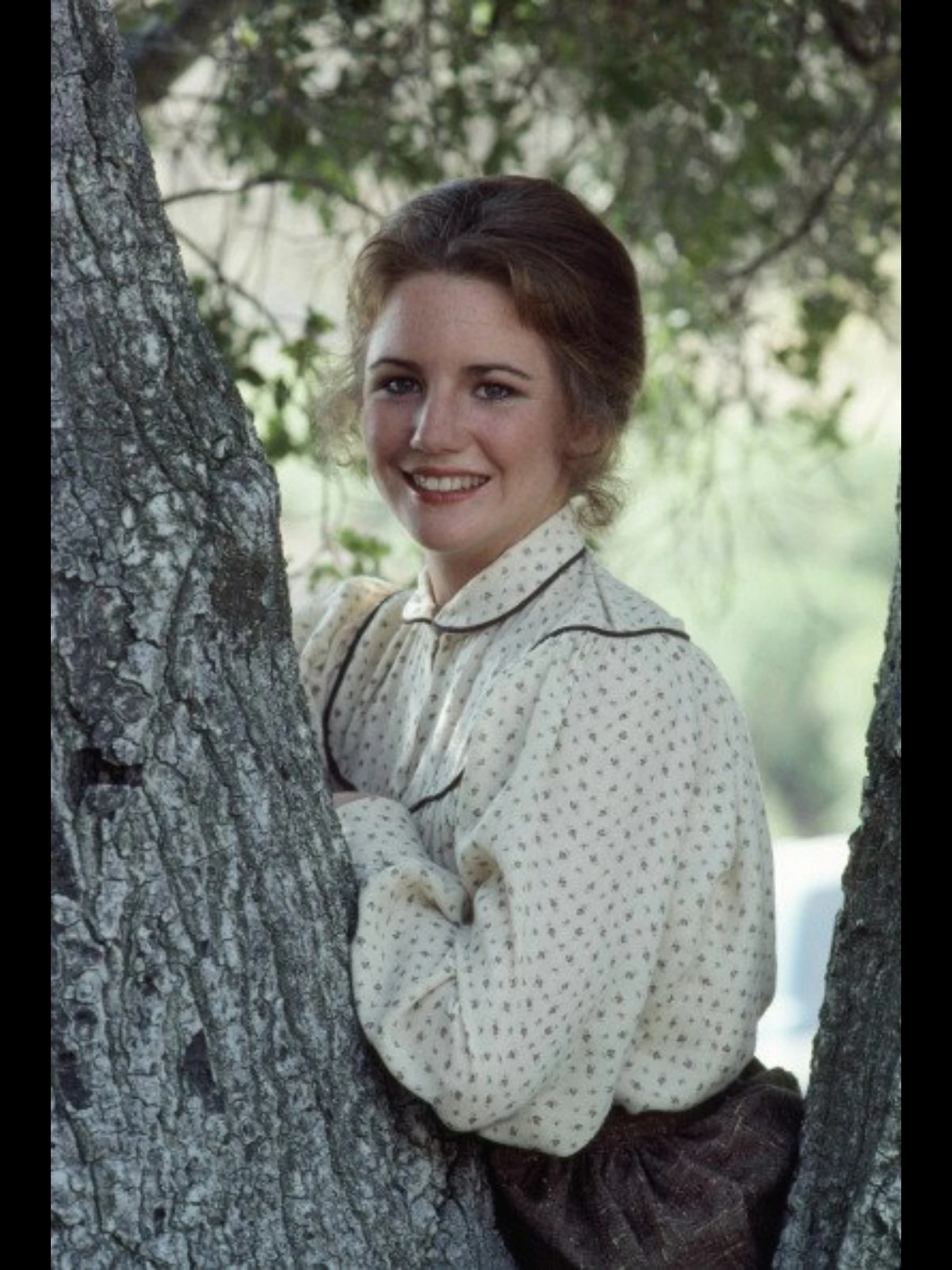
The television series starring Michael Landon was very loosely based on the books. It introduced many fictional characters and subplots that never occurred in the books or in Laura’s real life. For example, the character of Albert Quinn Ingalls was created entirely for the show, and the explosive finale where the town of Walnut Grove is blown up was a purely fictional dramatization.
How much of the books did Rose Wilder Lane actually write?
While Laura wrote the initial drafts, Rose was responsible for significant structural changes and prose refinement. Letters between the two show that Rose would often rewrite entire scenes to improve pacing. However, the core stories, historical details, and the unique perspective of a young girl growing up remained Laura’s.
Are the "Little House" sites open to the public?
Yes, in 2026, most of the locations featured in the books are preserved as museums. These include the "Little House in the Big Woods" site in Pepin, Wisconsin; the dugout site in Walnut Grove, Minnesota; the surveyor’s house in De Smet, South Dakota; and the Rocky Ridge Farm in Mansfield, Missouri. These sites provide a tangible connection to the history described in the series.
Exploring the Wilder Legacy Further
To truly understand Laura Ingalls Wilder, readers should look beyond the children's books and explore the primary sources of her life. A practical next step for enthusiasts is to read Pioneer Girl: The Annotated Autobiography, which provides the historical context missing from the fictionalized series. Additionally, visiting the Laura Ingalls Wilder Historic Home and Museum in Mansfield, Missouri, offers a look at the actual desk where the books were written and the artifacts of the Wilders' life together. By engaging with both the fiction and the factual history, readers can appreciate the resilience of a woman who turned her family's hardships into an enduring piece of American cultural heritage.