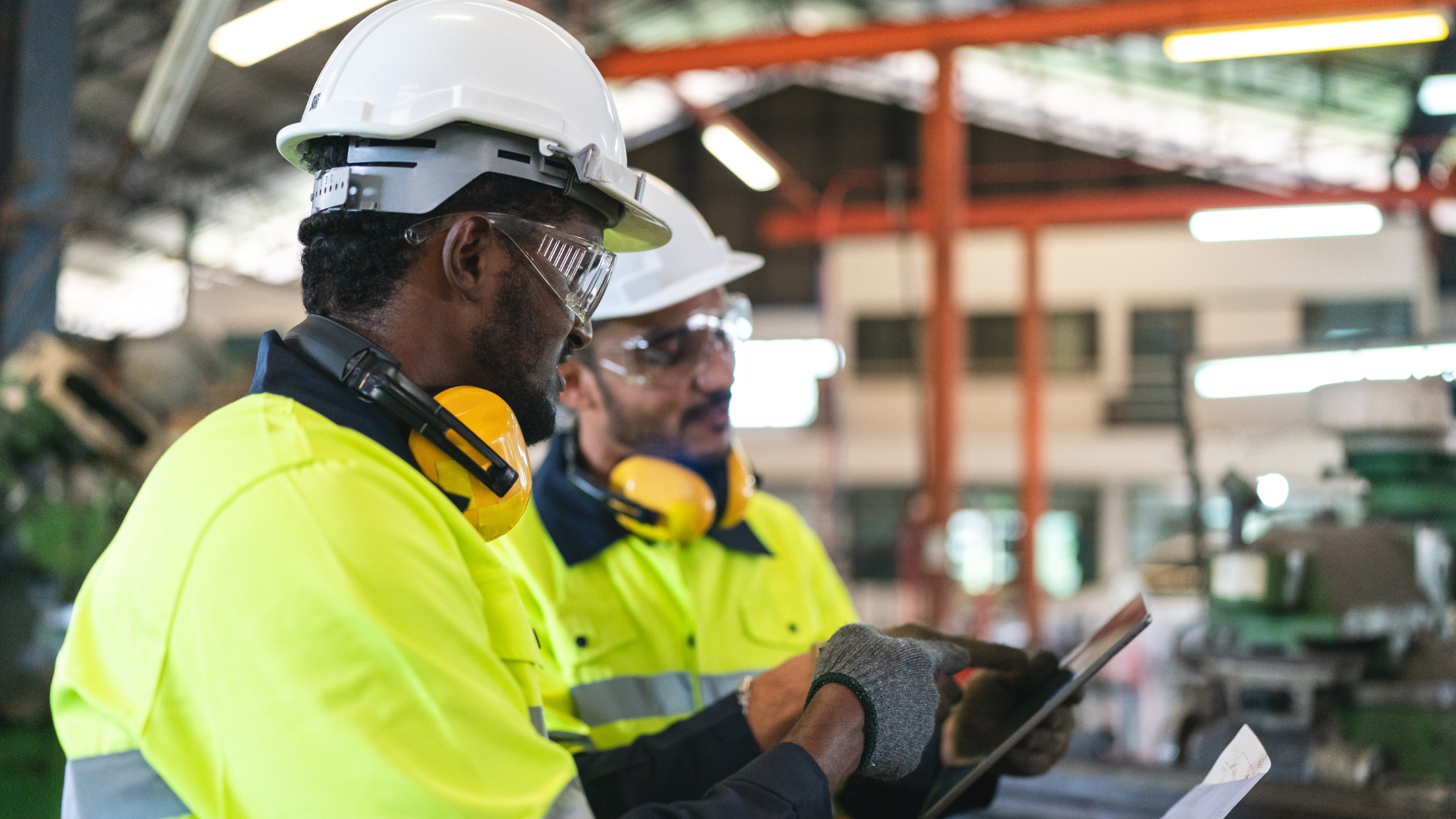
Industrial safety refers to the management of all operations and events within an industry to protect employees and assets by minimizing hazards, risks, accidents, and near misses. In 2026, it encompasses a holistic approach that integrates rigorous regulatory compliance, advanced predictive technologies, and a proactive culture aimed at achieving "Zero Harm" across various high-risk sectors.
Industrial safety is no longer a peripheral concern focused solely on reactive measures after an incident occurs. In the current 2026 landscape, it has evolved into a core business discipline that influences productivity, brand reputation, and financial viability. The integration of the Internet of Things (IoT), artificial intelligence (AI), and revamped international standards has transformed how organizations identify and mitigate risks.
The Foundation of Industrial Safety Standards
The bedrock of industrial safety lies in a combination of national regulations and international voluntary standards. These frameworks provide the necessary requirements for maintaining a secure work environment.
In the United States, the Occupational Safety and Health Administration (OSHA) remains the primary regulatory body. As of 2026, OSHA has expanded its oversight to include more stringent requirements for heat stress management and the safe integration of automated systems. Failure to comply with these mandates can result in significant penalties, ranging from thousands to millions of dollars, depending on the severity of the violation and whether it was a repeated offense.
Globally, ISO 45001:2018 (Occupational Health and Safety Management Systems) continues to be the definitive standard for organizations seeking to demonstrate their commitment to worker safety. This standard emphasizes the importance of leadership participation and worker involvement. By following ISO 45001, companies can create a structured framework to reduce workplace injuries and illnesses while improving overall organizational resilience.
Other critical organizations, such as the National Institute for Occupational Safety and Health (NIOSH) and the American National Standards Institute (ANSI), provide the research and technical specifications used to develop specialized safety equipment and procedures. These entities ensure that the tools and methods used on the shop floor are scientifically validated for maximum protection.
The Hierarchy of Controls: A Strategic Framework
Effective industrial safety relies on the "Hierarchy of Controls," a prioritized list of methods for reducing exposure to hazards. In 2026, safety professionals prioritize these levels to ensure that the most effective measures are implemented first, rather than relying solely on individual worker behavior.
- Elimination: This is the most effective level, involving the physical removal of the hazard. For example, if a specific chemical process is inherently dangerous, the organization might redesign the workflow to remove that step entirely.
- Substitution: If elimination is not possible, the next step is replacing a hazardous substance or process with a safer one. In 2026, many industries have substituted traditional volatile organic compounds (VOCs) with bio-based alternatives that pose fewer respiratory risks.
- Engineering Controls: These are physical changes to the workplace that isolate workers from hazards. Examples include machine guards, ventilation systems, and soundproofing. In modern facilities, engineering controls often include "light curtains" that automatically stop machinery if a person enters a danger zone.
- Administrative Controls: These are changes to the way people work, such as rotating shifts to reduce exposure time, implementing rigorous training programs, and posting warning signs. While less effective than physical changes, they are essential for managing residual risks.
- Personal Protective Equipment (PPE): Considered the last line of defense, PPE includes items like helmets, gloves, high-visibility clothing, and respirators. In 2026, "smart PPE" featuring sensors that monitor heart rate and environmental toxins has become increasingly common in high-risk environments.
Technological Integration: Safety 4.0 in 2026
The year 2026 marks a significant milestone in "Safety 4.0," where digital transformation directly enhances physical safety. The marriage of data science and industrial operations has created predictive safety models that were previously impossible.
AI and Predictive Analytics
Artificial intelligence now analyzes vast amounts of historical data and real-time sensor inputs to predict when an accident is likely to occur. By identifying patterns in near-miss reports and equipment telemetry, AI systems can alert supervisors to "danger windows" before an incident happens. This proactive approach shifts the focus from "what happened?" to "what might happen?"
Wearable Technology and Biometrics
Workers in 2026 frequently utilize wearable devices that monitor vital signs and physical fatigue. These sensors can detect if a worker is becoming overexerted or dehydrated, triggering an automatic alert for the individual to take a break. This is particularly vital in sectors like construction and heavy manufacturing, where physical strain is a primary driver of musculoskeletal disorders.
Collaborative Robotics (Cobots)
The rise of cobots has redesigned the factory floor. Unlike traditional industrial robots that operate behind cages, cobots are designed to work alongside humans. In 2026, these machines are equipped with advanced proximity sensors and force-limiting technologies, ensuring they stop instantly upon contact, thereby preventing crushing or striking injuries.
Critical Pillars of an Effective Safety Management System (SMS)
A Safety Management System (SMS) is the comprehensive framework used to manage safety risks within an organization. It is not a static document but a living cycle of improvement.
| Component | Description | 2026 Implementation Trend |
|---|---|---|
| Policy & Objectives | The organization's stated commitment to safety. | Integration of mental health and psychological safety into core policies. |
| Risk Management | The process of identifying, assessing, and controlling hazards. | Transitioning from manual audits to continuous, automated risk monitoring. |
| Safety Assurance | Methods to verify that safety goals are being met (audits, inspections). | Real-time dashboards displaying safety KPIs for immediate management visibility. |
| Safety Promotion | Training, communication, and the development of a safety culture. | Use of VR/AR for immersive hazard recognition training. |
For an SMS to be effective, it must be supported by "Safety Assurance" procedures. This includes regular internal and external audits to ensure that the actual practices on the ground align with the written policies. In 2026, many organizations use digital audit tools that allow for immediate photo and video documentation of hazards, which are then instantly assigned to the responsible department for remediation.
Industrial Hazards and Mitigation Strategies
Different industries face unique risks, but several core hazard categories remain prevalent across the 2026 industrial landscape.
Mechanical Hazards
Machinery with moving parts poses risks of entanglement, shearing, and crushing. Mitigation involves strict adherence to Lockout/Tagout (LOTO) procedures, which ensure that machines are completely de-energized and locked during maintenance. Modern LOTO systems now utilize digital locks that track who performed the lockout and at what time, reducing the risk of human error.
Chemical and Biological Hazards
Exposure to toxic substances can lead to chronic illnesses or immediate injury. The Global Harmonized System (GHS) for labeling and Safety Data Sheets (SDS) provides the standardized information needed to handle these materials safely. In 2026, automated chemical dispensing systems minimize the need for human contact with hazardous reagents.
Electrical Hazards
Arc flashes and electrical shocks remain a leading cause of industrial fatalities. Safety measures include regular infrared thermography of electrical panels to identify hotspots before they fail, and the use of arc-rated clothing for all personnel working on or near energized equipment.
Implementing a Proactive Safety Culture
The most sophisticated technology and the strictest regulations will fail if there is no underlying culture of safety. A "Safety Culture" refers to the shared values, beliefs, and behaviors regarding health and safety within an organization.
In 2026, leading firms have moved toward a "Just Culture." This model encourages employees to report hazards and near misses without fear of punishment, provided the errors were not willful violations. When workers feel safe reporting mistakes, the organization gains valuable data that can be used to prevent future fatalities.
Training is a cornerstone of this culture. Beyond initial onboarding, continuous "toolbox talks" and specialized certifications keep safety at the forefront of the workers' minds. In 2026, the shift is toward experiential learning—using Virtual Reality (VR) to simulate high-pressure scenarios, such as a chemical leak or a fire, allowing workers to practice their response in a safe, controlled environment.
Industrial Safety FAQ
How much does it cost to implement an industrial safety program?
The cost varies significantly based on industry size and hazard levels. Initial investments for a mid-sized manufacturing plant in 2026 can range from $50,000 to $250,000 for equipment and training. However, according to OSHA, the return on investment (ROI) is substantial; for every $1 invested in safety, companies typically see a return of $4 to $6 through reduced insurance premiums, fewer legal fees, and increased productivity.
Is AI actually reducing industrial accidents in 2026?
Yes, data from the 2025-2026 reporting cycles indicates that facilities utilizing computer vision for hazard detection (such as identifying missing PPE or forklift proximity) have seen a 20-30% reduction in recordable incidents. AI helps eliminate the "human factor" of distraction during routine monitoring.
What are the 2026 requirements for small businesses regarding industrial safety?
Small businesses are not exempt from safety regulations. While they may not need the complex digital infrastructure of a multinational corporation, they must still comply with OSHA standards, maintain an illness and injury log (Form 300), and provide appropriate PPE and training. Many small businesses now utilize "Compliance-as-a-Service" platforms to manage these requirements affordably.
What is the role of ISO 45001 in 2026?
ISO 45001 remains the international gold standard for Occupational Health and Safety. In 2026, it is increasingly used as a prerequisite for global supply chain contracts. Companies that are ISO 45001 certified are viewed as lower-risk partners, which can lead to better financing terms and more lucrative business opportunities.
How does industrial safety impact employee retention?
Current labor market trends in 2026 show that workers prioritize physical and psychological safety when choosing an employer. Facilities with poor safety records face higher turnover rates and significantly higher recruitment costs. A strong safety record serves as a powerful recruitment tool, signaling that the company values its workforce.
Strategic Recommendations for Safety Leaders
To ensure a robust industrial safety posture in 2026, organizations should move beyond basic compliance toward a maturity model of safety excellence. The first step is to conduct a comprehensive gap analysis between current practices and the latest ISO 45001 standards. This provides a clear roadmap for investment and improvement.
Secondly, leaders must prioritize the integration of safety data into the overall business intelligence strategy. Safety should be a standing item on the board of directors' agenda, treated with the same urgency as financial performance. Finally, investing in "upskilling" the workforce to handle the safety complexities of automated and AI-driven environments is essential. As machines become more autonomous, the human role transitions to one of high-level oversight, requiring a new set of safety competencies.