A-Identity refers to a sophisticated suite of digital identity verification solutions designed to authenticate individuals and organizations in secure digital environments. By 2026, these systems have become the standard for high-assurance KYC (Know Your Customer) and AML (Anti-Money Laundering) compliance, utilizing biometric analysis, AI-driven document verification, and decentralized data protocols to provide instantaneous, secure user onboarding.
Understanding the A-Identity Ecosystem
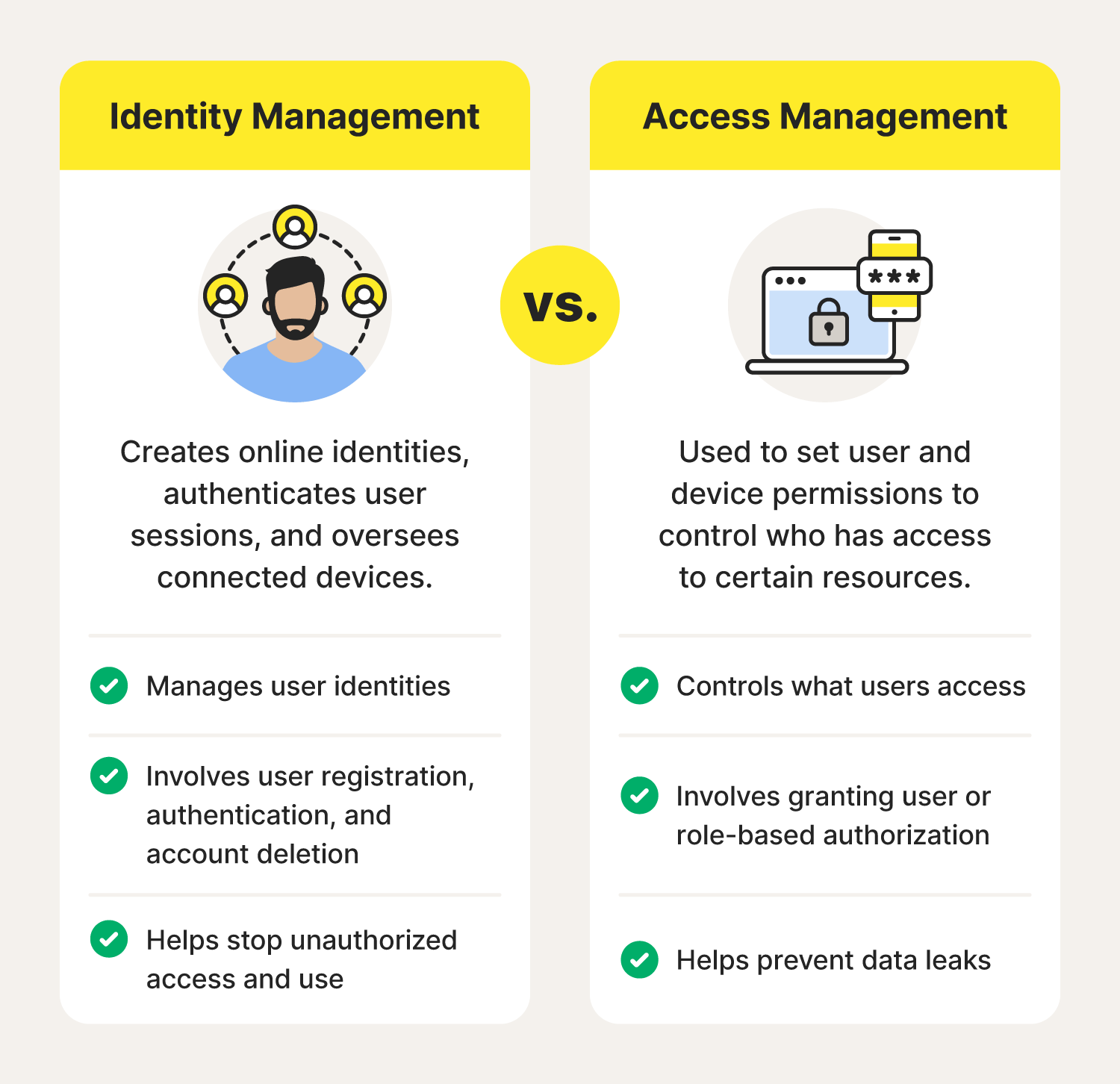
The concept of a digital identity, specifically within the "A-Identity" framework, has evolved from simple username-password combinations into a multifaceted biometric and cryptographic profile. In 2026, an identity is no longer a static set of data points but a dynamic, verifiable entity that allows users to move seamlessly between financial services, government portals, and private enterprise applications.
The primary objective of A-Identity systems is to solve the "trust gap" in remote interactions. Organizations require a high degree of certainty that the person on the other side of a screen is who they claim to be. This is achieved through a combination of "something you have" (a government-issued ID), "something you are" (biometric markers), and "something you know" (secure credentials).
As we operate in 2026, the landscape is defined by a shift toward User-Centric Identity. This means the identity belongs to the individual, who grants temporary access to specific attributes (such as "age over 18" or "valid residency") without necessarily sharing the underlying raw data. This "Zero-Knowledge" approach is a cornerstone of modern A-Identity platforms, ensuring privacy while maintaining rigorous compliance with international standards.
Core Technical Components of A-Identity
To provide a high-assurance verification, A-Identity platforms utilize several interlocking technologies. Understanding these components is essential for technical teams tasked with integration or compliance officers auditing the security of their onboarding funnel.
Biometric Verification and Liveness Detection
The most visible component is biometric verification. In 2026, this has progressed far beyond simple 2D facial recognition. Modern systems use 3D Depth Sensing and Passive Liveness Detection to ensure the user is physically present. This is a critical defense against "presentation attacks," where bad actors attempt to use high-resolution photos, videos, or hyper-realistic silicone masks to spoof the system.
Passive liveness is particularly important for user experience; it detects movement and micro-expressions without requiring the user to perform "challenges" like blinking or turning their head. This reduces friction during the onboarding process, which directly correlates to higher conversion rates for digital services.
AI-Powered Document OCR and Authentication
Optical Character Recognition (OCR) is the engine that extracts data from physical identity documents. However, A-Identity goes a step further by using machine learning models trained on millions of global document templates. These models can detect subtle inconsistencies in font, micro-printing, and hologram placement that indicate a forged or tampered document.
By 2026, these AI models are updated in near real-time to account for new security features released by sovereign nations. For instance, if a European nation updates its passport security features, the A-Identity API is typically updated within hours to recognize and validate the new format.
Orchestration and Risk Scoring
Beyond the individual checks, the orchestration layer aggregates data from biometrics, documents, and external databases (such as PEP/Sanction lists). This results in a comprehensive Risk Score. Organizations can set custom thresholds: a low-risk transaction might require only a quick face match, while a high-value institutional account opening might trigger a deeper dive into historical data and multi-factor biometric checks.
Compliance Standards and Regulatory Alignment
A-Identity solutions are primarily governed by the need to meet global regulatory requirements. By 2026, the regulatory environment has tightened significantly, with a focus on both data protection and financial integrity.
GDPR and Data Residency
For organizations operating within or interacting with the European Union, the General Data Protection Regulation (GDPR) remains the gold standard. A-Identity platforms must adhere to strict data minimization principles. In 2026, many providers utilize "Edge Identity," where biometric processing happens locally on the user's device, and only a mathematical hash of the result is sent to the server. This ensures that sensitive biometric templates are never stored in a central, hackable database.
AML and KYC Requirements
The Financial Action Task Force (FATF) guidelines continue to shape how A-Identity is implemented. In 2026, "Travel Rule" compliance for digital assets is a major driver of A-Identity adoption. Systems must be able to verify the identity of both the sender and the receiver in any significant financial transaction, regardless of whether it occurs in fiat or cryptocurrency.
eIDAS 2.0 Integration
The updated eIDAS (Electronic Identification, Authentication and Trust Services) framework has introduced the European Digital Identity Wallet. Modern A-Identity platforms are fully compatible with these wallets, allowing users to present a digitally signed credential from their government directly to a private service provider without needing to rescan a physical ID card every time.
Integration and Implementation Workflows
Implementing an A-Identity solution requires a coordinated effort between developers, UX designers, and legal teams. The workflow typically follows a standardized path to ensure both security and usability.
- Requirement Mapping: Define the level of assurance needed. Do you need a simple "L1" check (email/phone) or an "L3" check (biometrics + document + database cross-reference)?
- SDK/API Integration: Most providers offer mobile SDKs (iOS/Android) and web-based libraries. Developers embed these into the application’s onboarding flow. In 2026, low-code/no-code integration options are common for smaller enterprises.
- UI/UX Customization: To maintain brand trust, the verification screens should feel like a native part of the application. This includes clear instructions for the user on how to position their ID and face for the camera.
- Backend Webhook Configuration: Once a verification is completed, the A-Identity server sends a webhook to the client’s backend. This payload contains the result (Pass/Fail/Manual Review) and the extracted metadata.
- Manual Review Queue: Even the best AI occasionally flags a legitimate user (a "False Reject"). A robust implementation includes a portal for human compliance officers to review flagged cases and make final determinations.
Security Architecture and Privacy Safeguards
The integrity of an A-Identity system rests on its ability to protect data while proving identity. In 2026, the focus has shifted toward Decentralized Identifiers (DIDs) and Verifiable Credentials (VCs).
| Feature | Legacy Identity Systems | A-Identity (2026 Standards) |
|---|---|---|
| Data Storage | Centralized Databases | Decentralized or Edge-based |
| Verification Speed | 24–72 Hours (Manual) | 15–45 Seconds (Automated) |
| Privacy Model | Data Harvesting | Zero-Knowledge Proofs |
| Biometric Type | 2D Image Matching | 3D Liveness & Thermal Mapping |
| Regulatory Scope | Regional Compliance | Global/Interoperable Compliance |
| Fraud Defense | Static Rule-based | Dynamic AI & Deepfake Detection |
Encryption standards in 2026 utilize post-quantum cryptography to ensure that data captured today remains secure against future computing threats. Furthermore, the use of NIST-compliant biometric algorithms ensures that the matching accuracy remains above 99.9% across diverse demographic groups, minimizing algorithmic bias—a major focus of 2026 ethical AI standards.
Operational Challenges and Troubleshooting
Despite the sophistication of A-Identity platforms, operational hurdles remain. Organizations must be prepared to troubleshoot common issues to prevent user drop-off.
High False Rejection Rates (FRR)
If the security thresholds are set too high, legitimate users may be rejected. This often happens due to poor lighting, low-quality smartphone cameras, or damaged physical IDs. Technical teams should implement an "auto-retry" loop that provides real-time feedback to the user (e.g., "Too dark, move to a brighter area") before failing the session.
Deepfake and Synthetic Identity Fraud
As AI tools become more accessible, attackers are creating "synthetic identities"—fictional people built from a mix of real and fake data. A-Identity systems must use behavioral analytics to detect these. If a user’s interaction with the onboarding screen appears "too mechanical" or lacks the typical micro-stutter of a human user, the system should flag the attempt for manual review.
Integration Latency
In some regions with poor internet connectivity, uploading high-resolution biometric video can fail. 2026 implementations often include "Smart Compression" which optimizes the file size without sacrificing the forensic quality required for the verification engine.
Strategic Implementation and Next Steps
For enterprises looking to adopt or upgrade their A-Identity posture in 2026, the path forward involves a shift from reactive compliance to proactive identity orchestration. The goal is to create a "silent" security layer that protects the organization without burdening the user.
First, conduct a Gap Analysis of your current onboarding flow. Identify where users drop off and determine if high-friction manual checks can be replaced by automated A-Identity modules. Second, ensure that your legal framework is updated to reflect 2026 data privacy laws, particularly concerning the storage and processing of biometric data.
Finally, consider the interoperability of your chosen identity solution. The future of digital identity lies in the ability for a user to verify once and use that verification across a whole ecosystem of services. By choosing a platform that supports open standards and verifiable credentials, you ensure that your identity infrastructure remains relevant and scalable as the digital landscape continues to evolve.
FAQ
How long does a typical A-Identity verification take?
In 2026, a standard automated verification typically takes between 15 and 45 seconds. This includes the time it takes for the user to photograph their document and complete a biometric liveness check. Processing on the backend happens in near real-time, allowing for immediate account activation in most cases.
Is A-Identity compliant with the latest 2026 privacy laws?
Yes, leading A-Identity providers are designed to meet or exceed the requirements of GDPR, CCPA, and the 2026 AI Act. They employ data minimization, encryption at rest and in transit, and often utilize decentralized storage or zero-knowledge proofs to ensure that sensitive user data is handled according to the highest privacy standards.
Can A-Identity detect deepfakes?
Modern A-Identity platforms utilize specialized "Anti-Spoofing" and "Deepfake Detection" layers. These systems analyze pixel consistency, blood flow (using remote photoplethysmography), and light reflection on the skin to distinguish between a real human face and a digitally generated or manipulated image.
What happens if a user's ID is expired?
The OCR engine automatically extracts the expiration date. Depending on the organization's specific business rules, the system can either reject the document immediately or flag it for manual review. Some 2026 configurations allow for a "grace period" if the user provides secondary proof of a pending renewal.
Does A-Identity work with all types of international documents?
Most enterprise-grade A-Identity systems support over 4,000 different document types from nearly every country in the world. This includes passports, driver's licenses, national ID cards, and even specialized documents like residence permits or diplomat IDs.
What are the costs associated with implementing A-Identity?
Costs typically follow a "Pay-as-you-Go" model, where organizations are charged per successful verification. In 2026, prices generally range from $0.50 to $2.50 per check, depending on the volume of transactions and the depth of the verification (e.g., adding international database checks increases the cost).