For individuals navigating the hierarchy of professional fire services, identifying the highest rank is essential for long-term career planning. In the United States and many international jurisdictions, the highest rank in a fire department is the Fire Chief.
The Structural Hierarchy of Modern Fire Departments
While the specific titles can vary depending on the size of the department, the complexity of the organization, and local civil service regulations, the rank structure is universally designed to ensure clear chains of command during emergency operations and administrative oversight. The Fire Chief serves as the top executive, reporting directly to a civilian governing body, such as a Board of Fire Commissioners, a City Manager, or a Mayor.
The typical command structure flows downward from the executive level to support operations. Below the Fire Chief, the leadership team usually consists of:
- Deputy Chief: Often oversees specific divisions such as Operations, Administration, or Support Services.
- Assistant Chief: Manages large bureaus within the department.
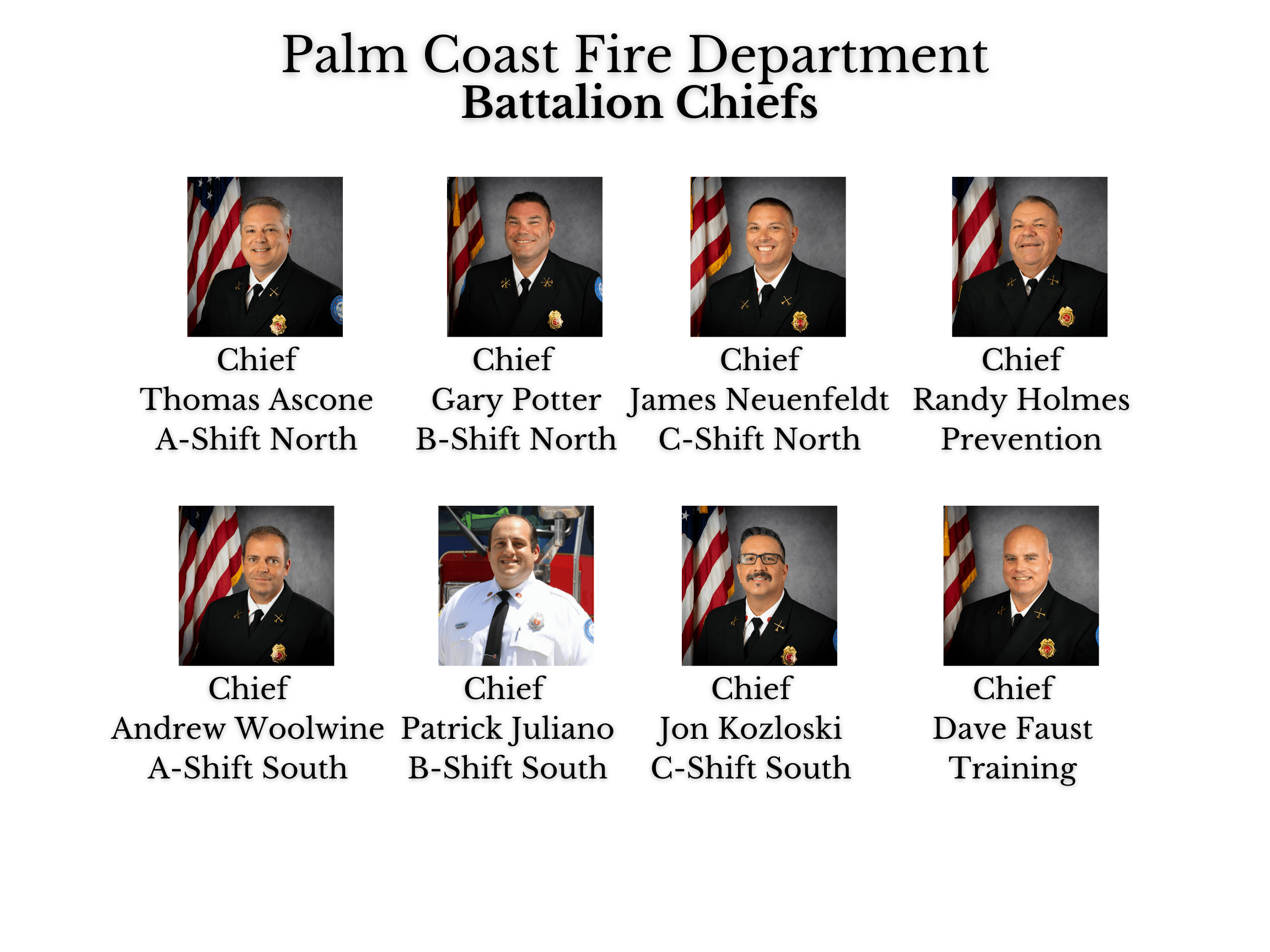
- Battalion Chief: Responsible for multiple stations and managing large-scale, multi-company emergency incidents.
- Captain: Commands a single fire station or a specific company (engine or ladder crew).
- Lieutenant: Provides direct supervision to firefighters on the ground during incident response.
- Firefighter: The core personnel tasked with fire suppression, medical aid, and technical rescue.
Defining the Role of the Fire Chief in 2026
In 2026, the role of a Fire Chief has evolved significantly from traditional fire suppression management. Modern chiefs must function as highly skilled municipal executives. They are tasked with budgetary oversight, inter-agency policy collaboration, community risk reduction, and the integration of advanced technologies like AI-driven dispatch systems and drone-based surveillance.
A Fire Chief is responsible for the professional development of their personnel, ensuring that training standards align with the latest National Fire Protection Association (NFPA) codes. In many mid-to-large jurisdictions, the Chief must also negotiate collective bargaining agreements, manage public relations, and maintain political capital with local government stakeholders to secure necessary funding for apparatus and infrastructure.
Technical Competencies Required for Executive Command
Reaching the top of the fire department requires more than years of service; it demands a distinct blend of tactical field experience and advanced academic credentials. By 2026, the following requirements have become standard for candidates aspiring to the rank of Fire Chief:
- Educational Credentials: A Bachelor’s degree is often a minimum requirement, while a Master’s degree in Public Administration, Emergency Management, or Organizational Leadership is highly preferred or required in competitive metropolitan departments.
- Executive Certification: Achieving the Chief Fire Officer (CFO) designation through the Center for Public Safety Excellence (CPSE) is the industry standard for verifying competency.
- Tactical Mastery: Extensive experience as a Battalion Chief or Deputy Chief is mandatory, ensuring the candidate understands the nuances of Incident Command Systems (ICS) and complex emergency scene management.
- Administrative Acumen: Mastery of municipal budgeting, labor law, and risk management strategies is essential for the long-term viability of the agency.
Career Progression Comparison: Line Operations vs. Administrative Leadership
The transition from a line officer (Lieutenant/Captain) to an executive rank involves a shift in focus from immediate tactical response to long-range strategic planning. The following table illustrates the shift in responsibility between mid-level leadership and the highest executive rank.
| Rank Level | Primary Responsibility | Focus Area | Reporting Structure |
|---|---|---|---|
| Lieutenant / Captain | Incident Command | Tactical execution, station health, training | Battalion Chief |
| Battalion Chief | Operations Coordination | Multi-company incident management | Deputy / Assistant Chief |
| Deputy / Assistant Chief | Division Oversight | Policy implementation, resource allocation | Fire Chief |
| Fire Chief | Executive Administration | Strategic vision, fiscal policy, inter-agency relations | City Manager / Board |
Strategic Planning for Career Advancement
Aspiring leaders must build a roadmap that balances field experience with administrative exposure. For those aiming for the highest rank, gaining experience in various divisions—such as Fire Prevention, Training, and EMS oversight—is crucial.
Many successful candidates in 2026 emphasize the importance of mentorship. Engaging in professional organizations like the International Association of Fire Chiefs (IAFC) provides access to peer networks, legislative updates, and professional development seminars that are inaccessible to those solely focused on station-level duties. Furthermore, participating in regional task forces or national committees adds a layer of inter-agency perspective that is highly valued during the selection process for a Fire Chief.
Frequently Asked Questions (FAQ)
Is the Fire Chief the absolute highest rank in all fire departments? Yes, in the vast majority of fire service organizational structures, the Fire Chief serves as the highest-ranking officer and the top administrative executive. While titles can vary slightly, the functional responsibilities remain consistent across the board.
Can a civilian hold the highest rank in a fire department? In some jurisdictions, a civilian Fire Commissioner or Director may hold the ultimate authority over the department's budget and policy, but the Fire Chief remains the highest-ranking uniformed member and the head of technical operations.
Does an Associate degree qualify someone for a Chief role? In 2026, most departments require at least a Bachelor’s degree for executive roles. While an Associate degree may have sufficed in past decades, the increased administrative complexity of modern departments makes a four-year degree, or higher, a standard prerequisite.
How does an Assistant Chief differ from a Deputy Chief? These titles are often used interchangeably depending on the department's specific organizational chart. In some larger departments, a Deputy Chief may be the second-in-command to the Fire Chief, while Assistant Chiefs oversee specific bureaus like EMS or Training.
What is the most important certification for an aspiring Fire Chief? The Chief Fire Officer (CFO) designation is the most recognized professional credential. It validates that the individual has the requisite experience, education, and professional development to lead a complex fire service organization.
Closing Recommendations for Aspiring Executives
Advancing to the highest rank in a fire department is a rigorous process that demands dedication to both the craft of firefighting and the science of public administration. For those currently climbing the ranks, prioritize obtaining advanced education and seeking assignments that expose you to the "business side" of the department. By mastering the intersection of fiscal responsibility and emergency operations, you position yourself as a candidate who is prepared to lead a modern department effectively in an increasingly complex environment.