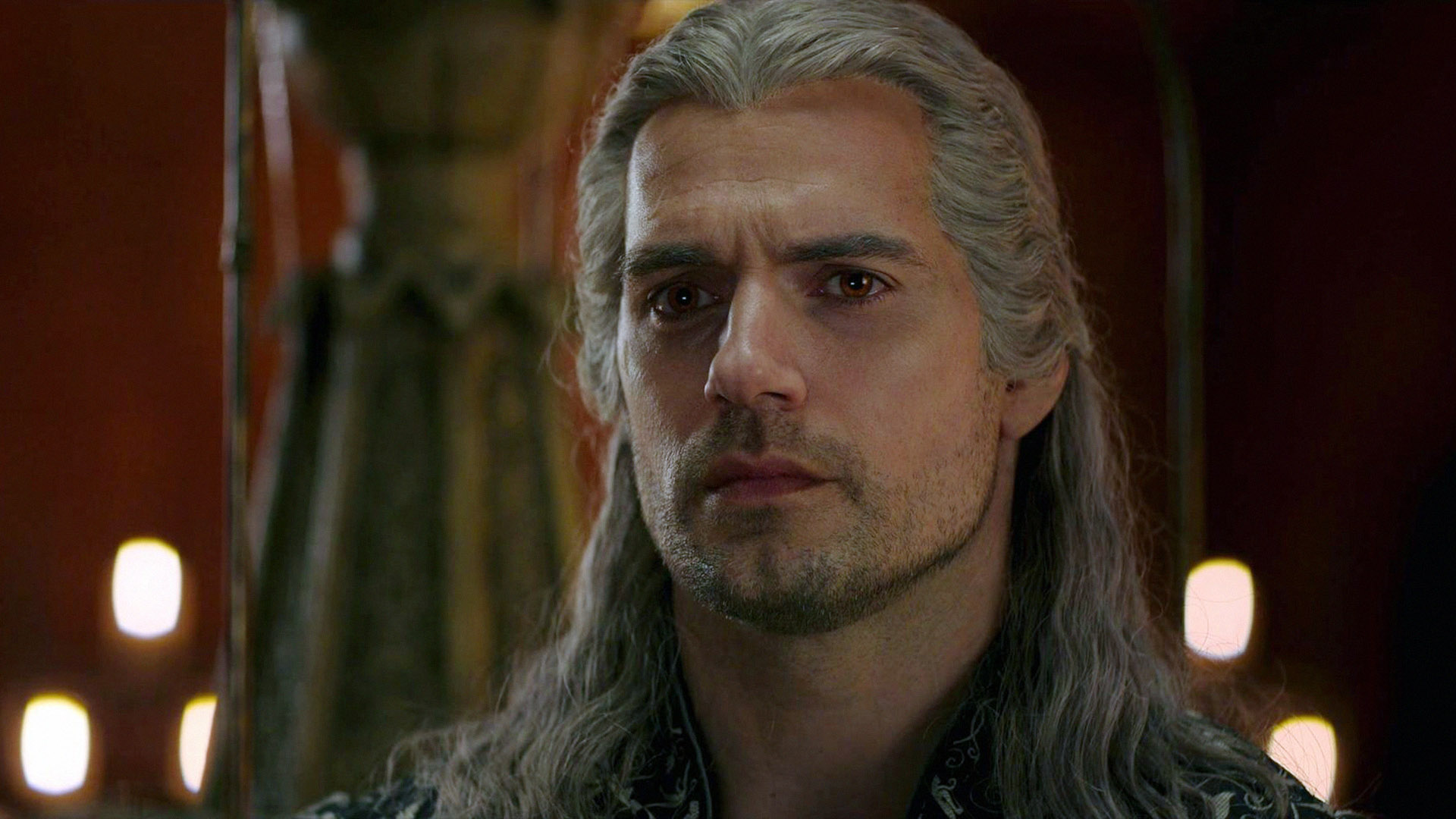
Henry Cavill left The Witcher primarily due to fundamental creative differences regarding the show's deviation from Andrzej Sapkowski’s original novels. As a dedicated fan of the source material, Cavill frequently advocated for a more book-accurate portrayal of Geralt of Rivia, which eventually clashed with the showrunners' broader narrative changes.
The Timeline of the Departure Announcement
The entertainment world was stunned on October 29, 2022, when Henry Cavill announced via Instagram that he would be stepping down from his role as Geralt of Rivia following the conclusion of Season 3. This announcement was particularly shocking because Cavill had previously expressed a commitment to the "seven-season plan" envisioned by showrunner Lauren Schmidt Hissrich, provided that the scripts remained faithful to the source material.
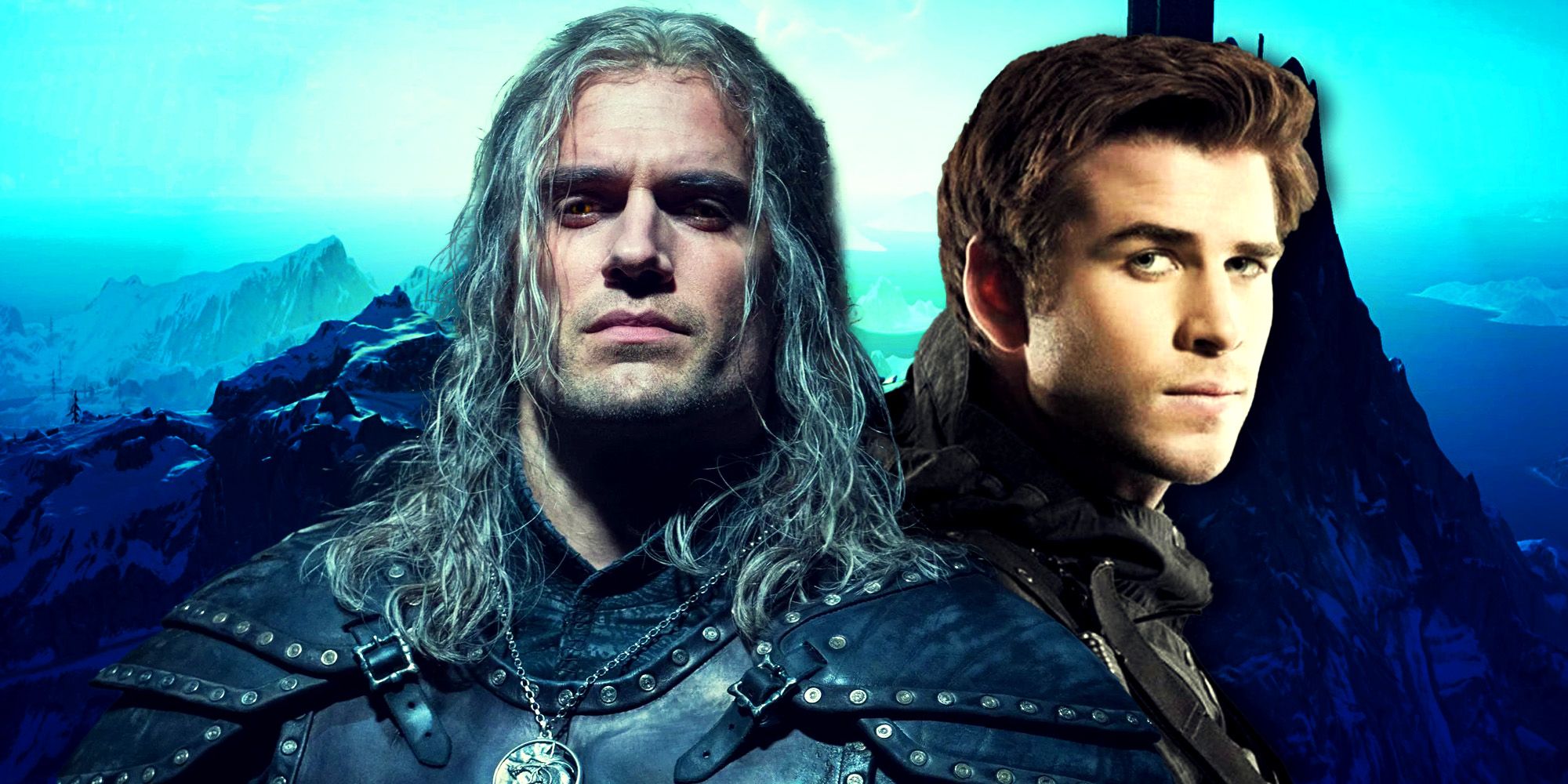
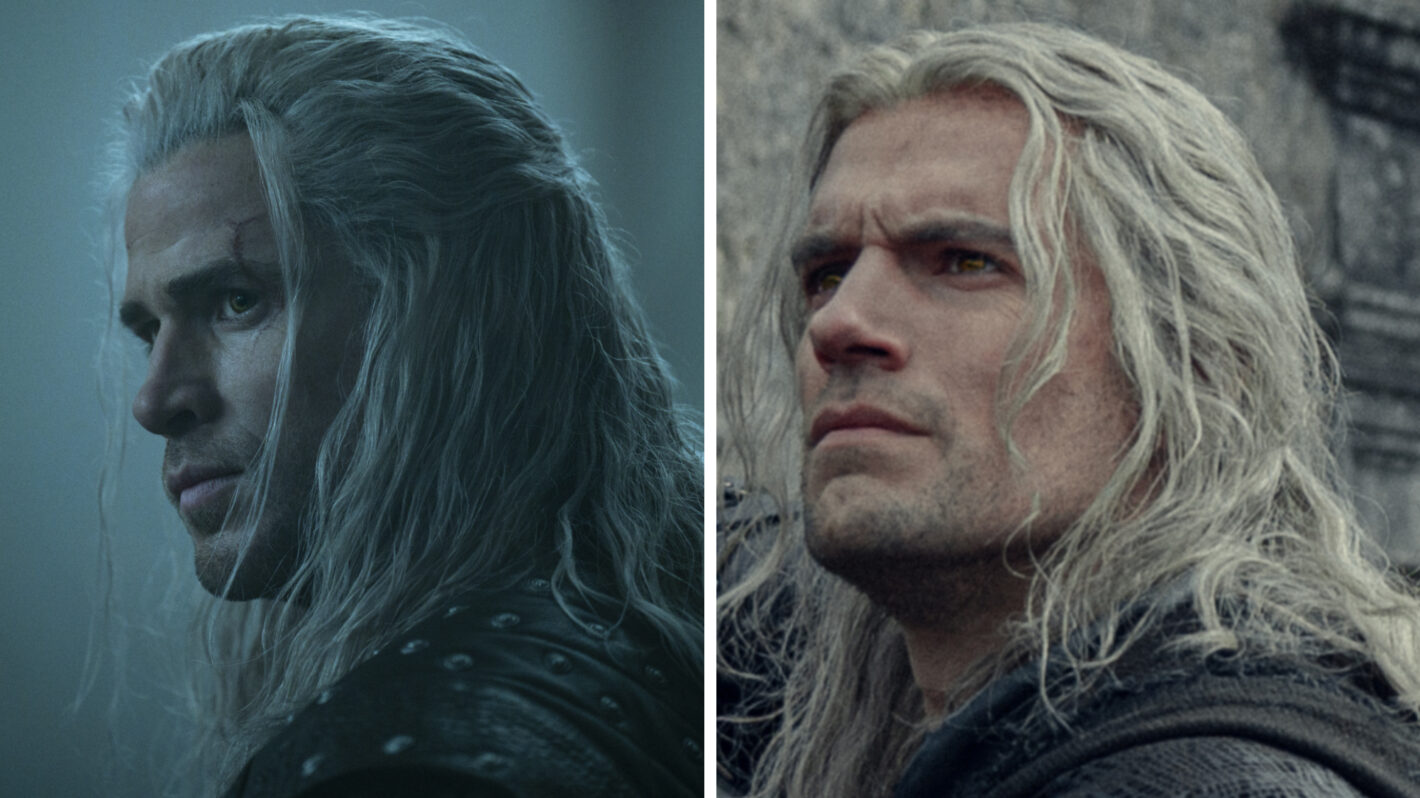
By the time the news broke, production on Season 3 had already wrapped. The decision was not a sudden impulse but rather the culmination of growing friction during the filming of the second and third seasons. Netflix simultaneously announced that Liam Hemsworth would take over the mantle of Geralt starting with Season 4. This transition period was difficult for the production, as fans had largely associated the success of the series with Cavill’s intense physical performance and his deep understanding of the character's "grumpy yet intellectual" persona.
Looking back from the vantage point of 2026, the departure of a lead actor mid-series remains one of the most significant "recasting" events in modern streaming history. While most shows suffer when a lead leaves, the discourse surrounding The Witcher was uniquely focused on the "why" rather than the "who," as Cavill’s departure sparked a massive debate about the ethics of adaptation and respect for original IP.
Creative Differences and Fidelity to the Source Material
The most documented reason for Cavill’s exit is his unwavering loyalty to Andrzej Sapkowski’s books. Cavill is an avid gamer who played The Witcher 3: Wild Hunt and a reader who has read the entire book series multiple times. In several interviews conducted during the promotion of Season 2, he admitted that he pushed for Geralt to have more dialogue that reflected the character's wisdom and philosophical nature, rather than the "grunting" persona seen in Season 1.
The rift between the star and the writers' room became more apparent after reports surfaced regarding the production's attitude toward the books. Former writer and producer Beau DeMayo suggested in social media interactions that some writers on the staff "actively disliked" the source material, which created a tense environment for a lead actor who viewed himself as a custodian of the lore. Cavill’s desire for accuracy wasn't just about plot points; it was about the fundamental tone of the Continent and Geralt’s specific code of ethics.
When the show moved further away from the narrative structure of the books—particularly during the events of Season 2 where major characters were killed off in ways that didn't happen in the novels—the creative divide reached a breaking point. Cavill’s vision of a "book-accurate Geralt" simply did not align with the production's goal of creating a more streamlined, accessible fantasy ensemble.
The Physical and Logistical Demands of the Role
Playing Geralt of Rivia was an immense physical undertaking. Cavill is known for performing his own stunts and maintains a rigorous training regimen to match the superhuman physique of a Witcher. During the filming of Season 2, he suffered a serious grade-six hamstring tear that nearly derailed his career as an action star. The recovery process was grueling, requiring him to balance intense physical therapy with a filming schedule that often involved night shoots in freezing conditions across Europe.
The logistics of filming a high-budget fantasy series are also taxing. The Witcher primarily filmed in Hungary, the United Kingdom, and various locations across Europe. For an actor who was also looking to expand his production footprint and engage in other major franchises, spending six to eight months of the year on a remote set was a significant commitment. By 2022, Cavill had already spent five years deeply embedded in the world of The Witcher, and the physical toll, combined with the creative frustration, likely made the prospect of four more seasons feel unsustainable.
The "Superman" Conflict and DC Studios Shake-ups
At the exact time of his departure from The Witcher, there was a brief window where it appeared Cavill was leaving to reclaim his role as Superman in the DC Extended Universe (DCEU). His cameo in the post-credits scene of Black Adam (released in October 2022) led fans to believe that a new Man of Steel sequel was the primary reason for his exit.
However, the timeline of events suggests this was a secondary factor. Cavill had already reached an agreement with Netflix to exit The Witcher before the DC cameo was filmed. The subsequent hiring of James Gunn and Peter Safran to lead DC Studios—which resulted in the decision to reboot the character with a younger actor in Superman: Legacy—left Cavill in a position where he had lost both Geralt and Superman within the span of a few months.
While the loss of the Superman role was a public blow, it clarified that his departure from The Witcher was indeed about the show itself, rather than simply "trading up" for a bigger franchise. If he had been happy with the creative direction of The Witcher, he likely would have found a way to balance both, as he had initially planned.
Comparing Creative Visions for the Adaptation
To understand the depth of the disagreement, it is helpful to look at where Cavill’s preferences diverged from the production’s actual output. The following table highlights the key areas of friction between the lead actor's vision and the showrunners' implementation.
| Feature | Henry Cavill's Preferred Vision (Book Accuracy) | Netflix Showrunner Direction (Adaptation) |
|---|---|---|
| Geralt's Personality | Intellectual, verbose, and philosophical. | More stoic, reliant on "grunts" and physical action. |
| Narrative Fidelity | Strict adherence to the events of the novels. | Significant deviations and original subplots. |
| Role of Magic | Used sparingly, with deep lore-based consequences. | More frequent, flashy, and used for spectacle. |
| Character Focus | Geralt as the central, perspective character. | Ensemble focus with equal weight on Yennefer and Ciri. |
| World Building | Dark, gritty, and historically influenced. | High-fantasy aesthetic with modern sensibilities. |
Transitioning to Liam Hemsworth
Netflix’s decision to continue The Witcher without Cavill was a risky move. Liam Hemsworth was announced as the new Geralt for Season 4 and beyond. While Hemsworth is a capable actor with experience in major franchises like The Hunger Games, he faced an uphill battle from a skeptical fanbase. The transition required the showrunners to explain the change in appearance—or simply ignore it—within the context of the show’s universe.
By 2026, we can see that the transition changed the fundamental energy of the show. Cavill’s Geralt had a weight and gravity that came from his personal passion for the IP. Hemsworth brought a different, perhaps more "standard" leading-man energy, but the "Cavill Era" remains the benchmark for most fans. The recasting served as a reminder of how much a single performer's dedication to the source material can define a series.
Moving Toward Warhammer 40,000
Almost immediately after his exit from both The Witcher and the DCEU was finalized, Cavill announced his next major project: a Warhammer 40,000 cinematic universe with Amazon Studios. This move is the most telling piece of evidence regarding why he left Netflix. At Amazon, Cavill isn't just the star; he is an Executive Producer.
In this new role, Cavill has the creative authority to ensure that the adaptation remains faithful to the Warhammer lore he loves. This was the "missing piece" in his experience with The Witcher. By moving into production, he has ensured that he will never again be in a position where he has to choose between staying in a role he loves and witnessing the "dilution" of the source material.
Frequently Asked Questions
Was Henry Cavill fired from The Witcher?
No, Henry Cavill was not fired. He chose to leave the series at the end of his contract for Season 3. While there were rumors of tension on set, both Netflix and Cavill framed the departure as a professional transition. The decision was mutual in the sense that both parties recognized the creative visions were no longer aligned.
Did the fans petition for Henry Cavill to stay?
Yes, a massive fan petition on Change.org garnered over 300,000 signatures shortly after the announcement. The petition urged Netflix to keep Cavill and replace the writers instead. Despite the significant social media outcry and a notable dip in audience ratings for Season 3, Netflix proceeded with the plan to recast the role with Liam Hemsworth.
Did creative differences involve the character of Yennefer or Ciri?
The creative differences were largely about the overall narrative structure and Geralt's specific characterization. While Cavill was protective of the relationship between Geralt, Yennefer, and Ciri—often referred to as the "found family" dynamic—his primary concerns were focused on how Geralt’s personal history and the "Witcher Code" were being represented in the scripts.
Is Henry Cavill returning for a cameo in later seasons?
As of 2026, there has been no indication that Henry Cavill will return for a cameo or a "multiverse" style appearance. Cavill has moved on to significant projects with Amazon, and the production of The Witcher has fully committed to Liam Hemsworth’s portrayal. Given the nature of his departure, a return seems unlikely in the near future.
How did the cast react to his departure?
The cast members, including Freya Allan (Ciri) and Anya Chalotra (Yennefer), expressed sadness over his departure in various press junkets, praising his leadership and his knowledge of the world. However, they also expressed support for Liam Hemsworth, acknowledging the difficult position he was in by taking over such an iconic role.
Recommendations for Witcher Fans
If you are a fan of The Witcher who feels a void following Henry Cavill's departure, the best way to experience the "Geralt" he fought for is to return to the original novels by Andrzej Sapkowski. Books like The Last Wish and Blood of Elves provide the depth, dialogue, and philosophical nuance that Cavill was so passionate about bringing to the screen.
Additionally, for those interested in Cavill's future in the fantasy and sci-fi genre, following the development of the Warhammer 40,000 project at Amazon is highly recommended. It represents the next evolution of his career—one where he has the creative control to protect the integrity of the adaptation from the start.