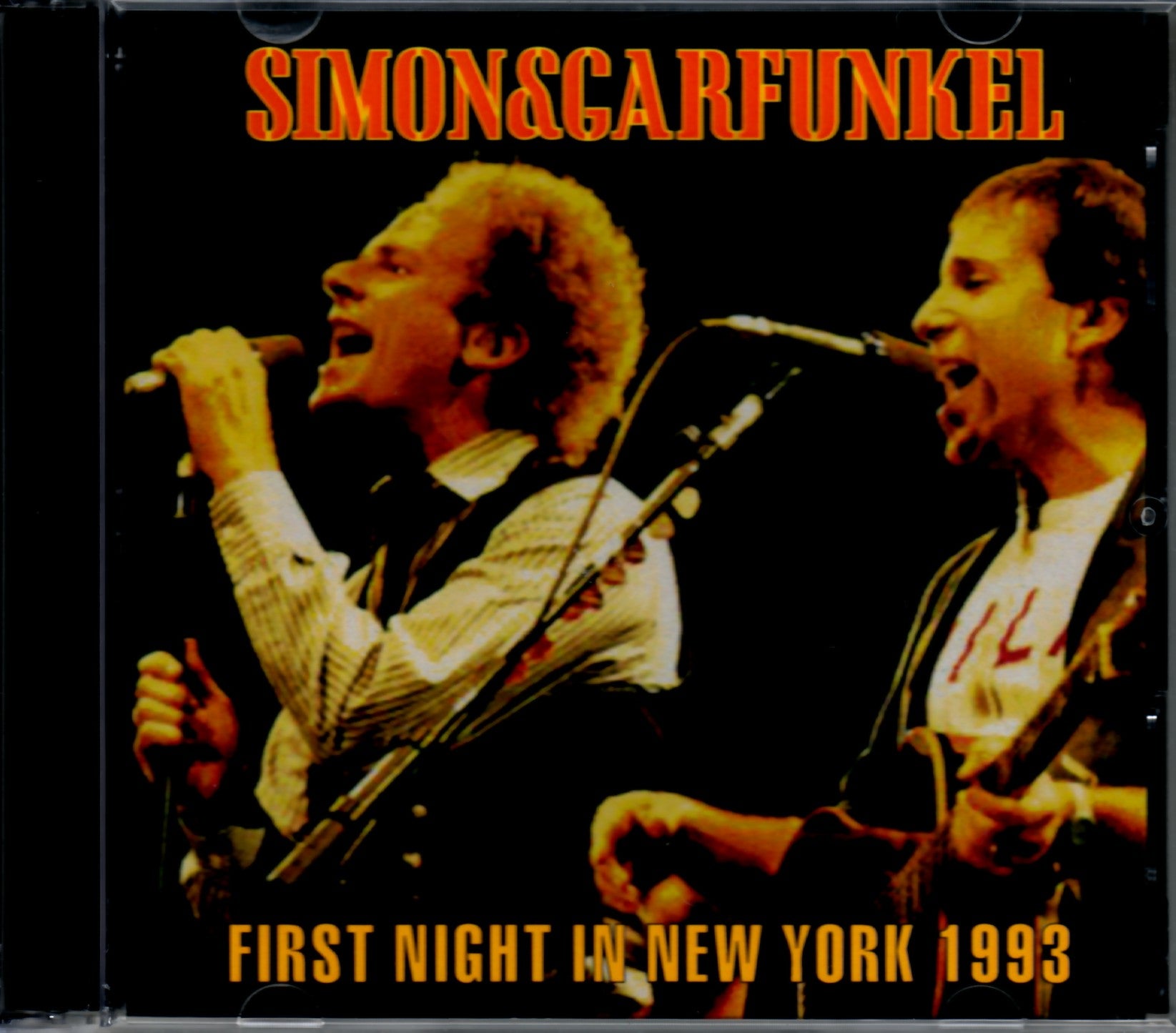
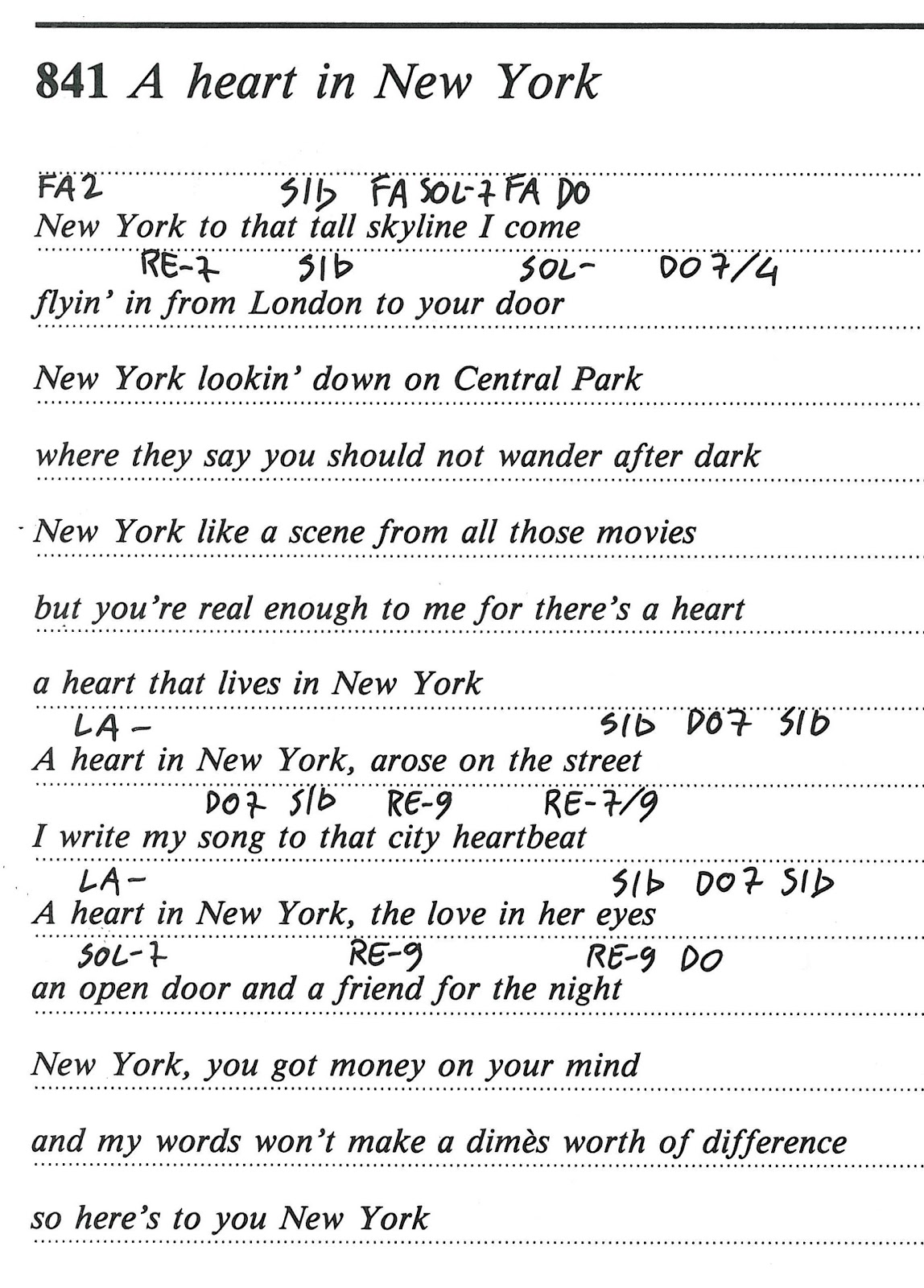
"A Heart in New York" is a poignant ballad that captures the bittersweet essence of arriving in New York City, famously performed by Art Garfunkel and later immortalized during Simon & Garfunkel’s 1981 Concert in Central Park. Originally written by Benny Gallagher and Graham Lyle, the song’s lyrics explore themes of hope, urban scale, and the emotional magnetic pull of the city.
The Origin and Composition of "A Heart in New York"
To understand the weight of the lyrics, one must first look at the song's genesis. While many associate the track exclusively with the legendary folk-rock duo, "A Heart in New York" was actually penned by the Scottish songwriting team of Benny Gallagher and Graham Lyle. The duo was known for their ability to craft soft-rock melodies with a deceptive lyrical depth, and this track was no exception.
Art Garfunkel first recorded the song for his solo album Scissors Cut, released in August 1981. Produced by Garfunkel and Roy Halee, the studio version featured a lush, polished arrangement that leaned into the adult contemporary sound of the early 1980s. However, the song underwent a spiritual transformation just a month later. When Paul Simon and Art Garfunkel reunited on September 19, 1981, for their historic free benefit concert in Central Park, "A Heart in New York" was included in the setlist.
Though Paul Simon did not write the song, his accompaniment and the live setting turned it into a "Simon & Garfunkel" anthem in the eyes of the public. In 2026, looking back across four and a half decades since that reunion, the song remains the definitive musical postcard for the city, bridging the gap between Garfunkel’s solo career and the duo’s shared legacy.
Analyzing the Lyrics: A Journey Through the Five Boroughs
The lyrics of "A Heart in New York" are structured as a narrative of arrival. They do not just describe a location; they describe a psychological state. The opening lines, "New York, to let me in / For the help of a city friend," establish the city not as a collection of buildings, but as a living entity—a "friend" that offers sanctuary or a fresh start.
The Symbolism of Arrival and "New York Freedom"
One of the most evocative phrases in the song is the mention of "New York freedom." This isn't the political freedom often associated with the Statue of Liberty, but rather the personal freedom of anonymity and reinvention that only a massive metropolis provides. The lyrics describe "coming in on a wing and a prayer," a classic idiom for a risky or desperate arrival. This resonates with the millions of people who have moved to the city with nothing but a dream.
The line "Lookin' down on the city / And the girls are lookin' so pretty" captures the visual overload of the skyline. In the context of 1981, the city was emerging from a period of high crime and fiscal instability. These lyrics offered a romanticized, hopeful view that the city was still a place of beauty and opportunity.
The Contrast Between East and West Coasts
The song also touches on the geographic and emotional distance between the two American coasts. The lyrics mention "I'm just a tiny little dot / On the side of the hill," which many interpret as a reference to the Hollywood Hills or the sprawling landscape of California. By contrasting the "tiny dot" of the individual against the massive "heart" of New York, the song emphasizes how the city can make one feel simultaneously small and deeply connected to something larger than oneself.
The 1981 Concert in Central Park: A Historical Turning Point
It is impossible to discuss "A Heart in New York" without the context of the 1981 Central Park concert. The event was organized to raise funds for the redevelopment of the park, which had fallen into disrepair. Over 500,000 people attended, making it one of the largest concert audiences in history.
When Art Garfunkel began the first notes of "A Heart in New York," the resonance was immediate. For the half-million New Yorkers standing on the Great Lawn, the song was an acknowledgment of their resilience. The performance stripped away some of the studio sheen of the Scissors Cut version, replacing it with a more intimate, vulnerable delivery. Art’s signature tenor voice, often described as "angelic," soared over the crowd, turning a song about arriving in New York into a song about belonging to New York.
The live performance also highlighted the synergy between the two men. While Simon remained in the background for this specific track (as it was technically an Art solo spotlight), his presence on stage lent the song a sense of reconciliation. It suggested that just as the city could heal and rebuild, so too could the most famous partnership in music history.
Musical Arrangement and Vocal Performance
Technically, "A Heart in New York" is a masterclass in vocal control. Art Garfunkel’s performance relies on a delicate balance of breathy "head voice" and a steady "chest voice" for the more rhythmic sections.
The song’s structure follows a traditional verse-chorus-bridge format, but it is the instrumentation that dictates the mood. The studio version utilizes a Fender Rhodes electric piano, giving it a shimmering, late-70s jazz-pop feel. In contrast, the live version often emphasizes acoustic guitar and a more prominent bass line, grounding the ethereal vocals.
| Feature | Studio Version (Scissors Cut) | Live Version (The Concert in Central Park) |
|---|---|---|
| Primary Instrument | Fender Rhodes / Electric Piano | Acoustic Guitar / Piano |
| Vocal Style | Polished, multi-tracked layers | Raw, single-track tenor |
| Atmosphere | Sophisticated, atmospheric | Intimate, communal |
| Rhythm Section | Subtle percussion, steady bass | Dynamic, building towards the bridge |
| Cultural Impact | Chart success as a solo single | Defined as a "New York Anthem" |
Comparative Analysis: "A Heart in New York" vs. "The Only Living Boy in New York"
Fans often compare "A Heart in New York" to Paul Simon’s "The Only Living Boy in New York" (from Bridge Over Troubled Water). While both deal with the city, they offer different perspectives.
"The Only Living Boy in New York" is a song of loneliness and departure. It was written by Simon while Garfunkel was in Mexico filming Catch-22, and it reflects a sense of being left behind in a vast city. In contrast, "A Heart in New York" is a song of arrival and embrace. It views the city as a destination rather than a backdrop for solitude. Where the 1970 track is melancholic and introspective, the 1981 track is outward-looking and celebratory. Together, they represent the two sides of the New York experience: the crushing weight of its scale and the exhilarating lift of its energy.
Why the Song Remains Relevant in 2026
As of 2026, New York City has undergone several more cycles of transformation. Yet, the lyrics of "A Heart in New York" remain strikingly accurate. The "wing and a prayer" mentality still drives the city's creative and tech sectors. The "New York freedom" described in the 80s continues to attract those looking to escape the constraints of smaller communities.
The song has also found a new life through digital streaming and social media. It is frequently used as a soundtrack for travel content, where the "lookin' down on the city" lyrics pair perfectly with drone footage of the Manhattan skyline. Its enduring popularity lies in its sincerity; it doesn't ignore the city's toughness, but it chooses to focus on its heartbeat.
For listeners today, the song serves as a reminder of the power of place. It suggests that our surroundings are not just locations where we live, but characters in our personal stories. To have "a heart in New York" is to be part of a collective rhythm that has persisted through decades of change.
Frequently Asked Questions
Did Paul Simon write "A Heart in New York"?
No, the song was written by the Scottish songwriting duo Benny Gallagher and Graham Lyle. While Paul Simon performed it with Art Garfunkel during their 1981 reunion, it was originally recorded for Art Garfunkel’s solo album Scissors Cut.
What is the meaning of "coming in on a wing and a prayer" in the lyrics?
This phrase is an idiom that means to complete a task or arrive at a destination despite having very little chance of success or minimal resources. In the context of the song, it refers to the thousands of people who move to New York City with big dreams but very little money or security.
How did the Central Park performance change the song's legacy?
The 1981 performance turned the song into a cultural anthem. Because it was performed in front of 500,000 New Yorkers at a time when the city was reclaiming its status as a global cultural hub, the song became a symbol of the city's endurance and the duo's historical significance.
Are there other versions of the song?
Yes, the original writers, Gallagher and Lyle, released their own version. However, Art Garfunkel's version remains the most famous and commercially successful. Various other artists have covered it over the years, usually in a folk or soft-rock style.
Where can I find the best recording of this song in 2026?
The 40th-anniversary remastered edition of The Concert in Central Park offers the highest fidelity live version. For the original studio production, the Scissors Cut digital master (available on most high-resolution streaming platforms) provides the best clarity of Art Garfunkel's vocal layers.
Exploring New York Through Its Music
If you are moved by the lyrics of "A Heart in New York," the best way to experience its impact is to visit the locations it evokes. Standing at the North end of the Great Lawn in Central Park—near where the 1981 stage was situated—allows you to feel the scale of the city described in the song.
Alternatively, for those who cannot visit in person, listening to the track while viewing historical footage of the 1981 concert provides a deep sense of the song's "heart." Whether you are a lifelong New Yorker or someone dreaming of the city from afar, these lyrics continue to offer a bridge to the "New York freedom" that Garfunkel sang about so many years ago.